The Impact of Cultural Background on Musical Emotion Preferences
August 22, 2025 - 13:57
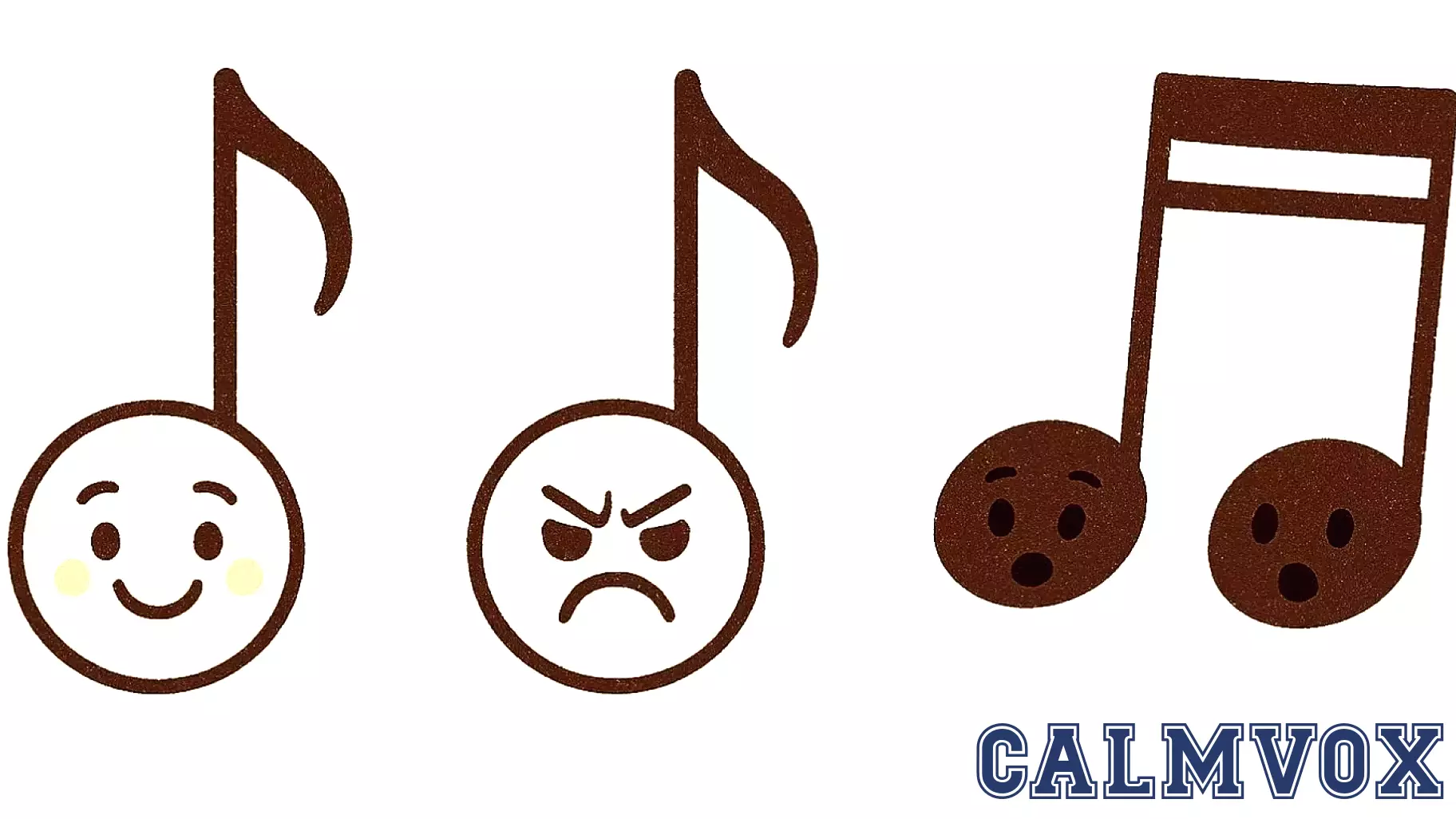
Recent research has revealed that an individual's cultural background plays a significant role in shaping their music preferences, particularly in relation to the emotions conveyed in their favorite songs. The study highlights that people from different cultural contexts tend to gravitate toward distinct emotional expressions in music, whether they lean towards positive or negative sentiments.
For instance, individuals raised in cultures that emphasize collectivism may prefer music that evokes feelings of harmony and togetherness, often favoring uplifting melodies and lyrics. In contrast, those from more individualistic cultures might be drawn to songs that express a broader range of emotions, including melancholy or introspection.
This connection between culture and emotional preference in music not only enhances our understanding of musical diversity but also underscores the importance of cultural context in shaping personal tastes. The findings suggest that music serves as a reflection of cultural values, offering insights into how emotions are perceived and expressed across different societies.
MORE NEWS

July 15, 2026 - 00:31
Psychology says people who remain kind despite a difficult life aren't weak or in denial — they're often running on a kind of strength that only forms under sustained pressure, the way certain metals doThis resilience is not about ignoring pain. It is about processing it without letting it turn into bitterness. When someone faces betrayal, loss, or chronic struggle and still chooses empathy, they...

July 14, 2026 - 13:58
Psychology says people who are scared of darkness aren't necessarily weak, they may experience uncertaintyFor generations, being afraid of the dark has been dismissed as childish or a sign of weakness. But recent psychological perspectives challenge that assumption. Experts now suggest that a fear of...

July 13, 2026 - 21:52
Psychology says students who are backbenchers aren't trying to hide themselves, they may be choosing theiFor years, students who sit in the back of the classroom have been labeled as lazy, rebellious, or disengaged. Teachers and parents often assume they are trying to avoid attention or escape...

July 13, 2026 - 00:51
Psychology says people who keep clothes on a chair aren't untidy, they may be creating a practical middleFor years, leaving a pile of clothes draped over a chair has been seen as a sign of laziness or clutter. But a growing number of psychologists argue that this habit is actually a sign of a...