The Hidden Costs of Growing Up in the Influencer Spotlight
April 15, 2025 - 13:58
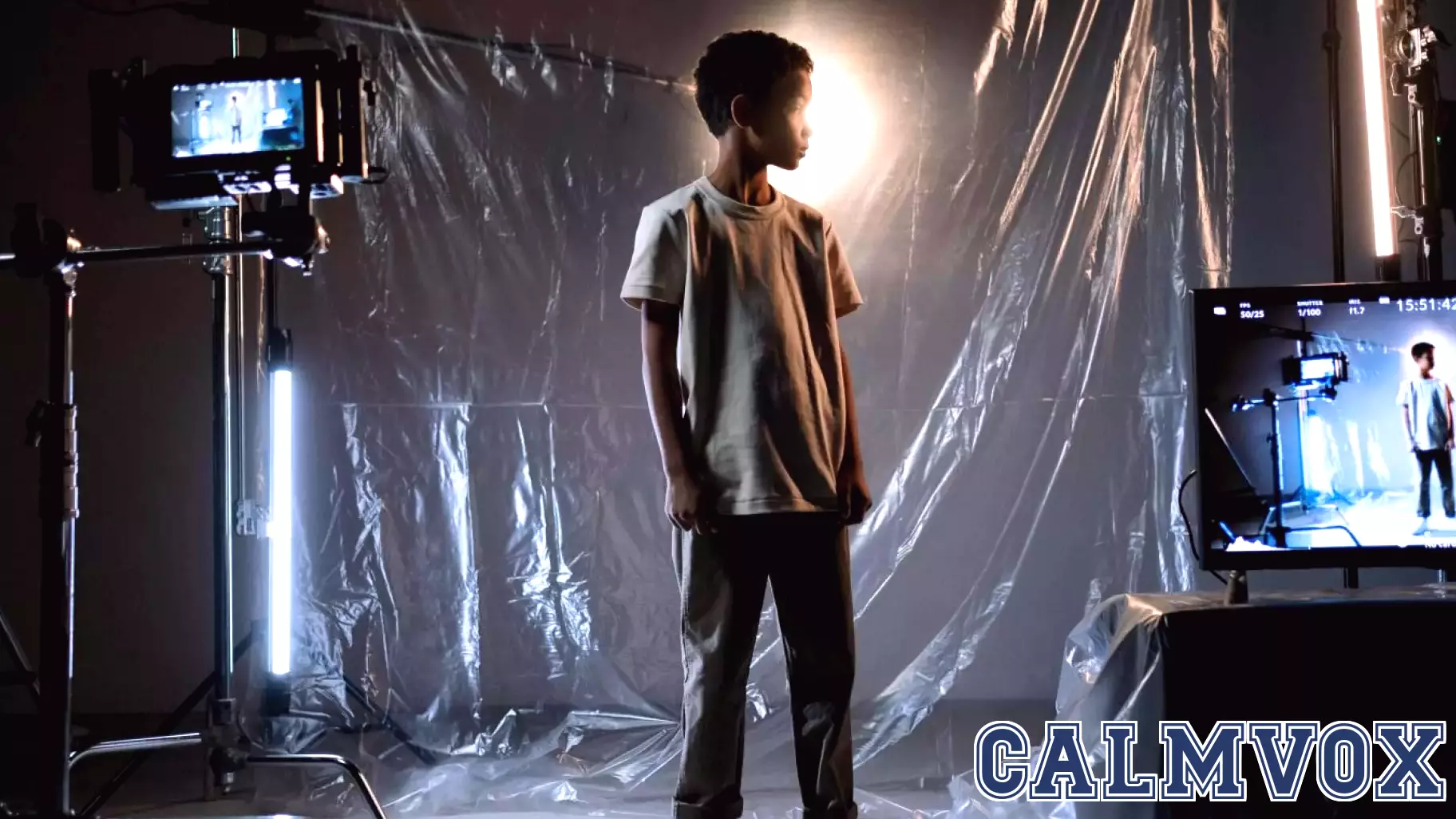
When childhood becomes content, the consequences go far beyond the screen. In today's digital age, many children find themselves thrust into the limelight as their lives are shared and monetized online. This phenomenon raises significant concerns about the psychological impact on young influencers.
As children navigate their formative years under public scrutiny, they may experience heightened pressure to maintain a certain image or lifestyle. The constant need for approval through likes and comments can lead to anxiety, low self-esteem, and a distorted sense of self-worth. Moreover, the blurring of personal and public life can strip away the innocence of childhood, forcing young individuals to grapple with adult issues far too early.
Parents and guardians face the challenge of balancing the opportunities that come with online fame against the potential emotional toll on their children. As society continues to embrace influencer culture, it is crucial to consider the long-term effects on the mental health and well-being of these young stars.
MORE NEWS

July 15, 2026 - 00:31
Psychology says people who remain kind despite a difficult life aren't weak or in denial — they're often running on a kind of strength that only forms under sustained pressure, the way certain metals doThis resilience is not about ignoring pain. It is about processing it without letting it turn into bitterness. When someone faces betrayal, loss, or chronic struggle and still chooses empathy, they...

July 14, 2026 - 13:58
Psychology says people who are scared of darkness aren't necessarily weak, they may experience uncertaintyFor generations, being afraid of the dark has been dismissed as childish or a sign of weakness. But recent psychological perspectives challenge that assumption. Experts now suggest that a fear of...

July 13, 2026 - 21:52
Psychology says students who are backbenchers aren't trying to hide themselves, they may be choosing theiFor years, students who sit in the back of the classroom have been labeled as lazy, rebellious, or disengaged. Teachers and parents often assume they are trying to avoid attention or escape...

July 13, 2026 - 00:51
Psychology says people who keep clothes on a chair aren't untidy, they may be creating a practical middleFor years, leaving a pile of clothes draped over a chair has been seen as a sign of laziness or clutter. But a growing number of psychologists argue that this habit is actually a sign of a...