The Health Benefits of Parental Pride and Awe
April 21, 2025 - 17:57
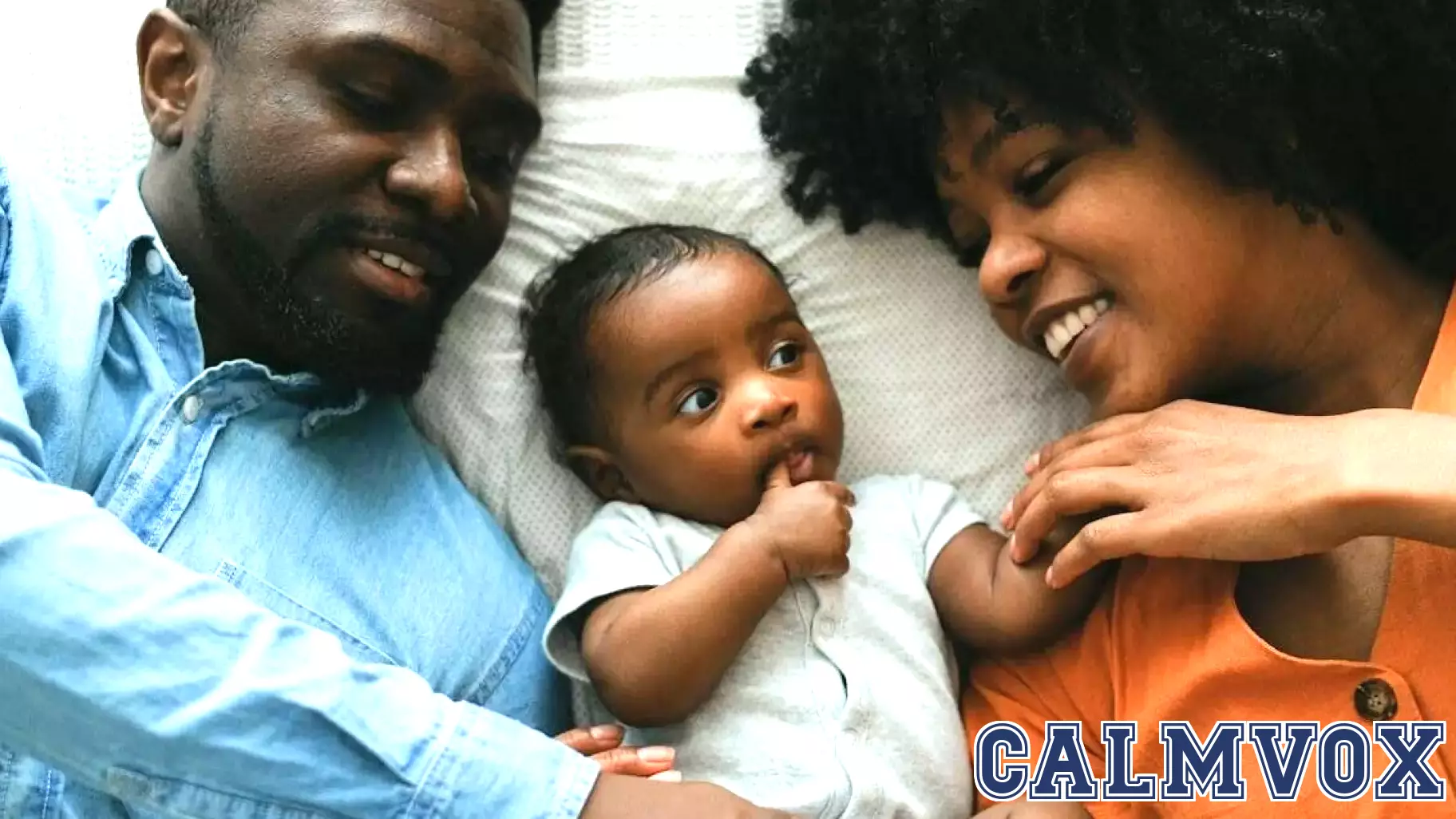
A recent study highlights the positive impact of parental pride and awe on the well-being of parents. Embracing feelings of pride in their children's accomplishments can lead to numerous health benefits, including improved mental and emotional well-being. When parents celebrate their children's achievements, whether big or small, it fosters a sense of connection and fulfillment that can enhance their overall happiness.
The research suggests that these feelings of pride not only strengthen the parent-child bond but also contribute to lower levels of stress and anxiety. Parents who actively express pride in their children are likely to experience a boost in self-esteem and life satisfaction. This emotional uplift can create a positive feedback loop, encouraging parents to engage more with their children and support their growth.
In a world where parenting can often be challenging, recognizing and celebrating moments of pride can serve as a powerful reminder of the joys that come with raising children. Ultimately, nurturing a sense of pride can lead to healthier, happier families.
MORE NEWS

July 15, 2026 - 00:31
Psychology says people who remain kind despite a difficult life aren't weak or in denial — they're often running on a kind of strength that only forms under sustained pressure, the way certain metals doThis resilience is not about ignoring pain. It is about processing it without letting it turn into bitterness. When someone faces betrayal, loss, or chronic struggle and still chooses empathy, they...

July 14, 2026 - 13:58
Psychology says people who are scared of darkness aren't necessarily weak, they may experience uncertaintyFor generations, being afraid of the dark has been dismissed as childish or a sign of weakness. But recent psychological perspectives challenge that assumption. Experts now suggest that a fear of...

July 13, 2026 - 21:52
Psychology says students who are backbenchers aren't trying to hide themselves, they may be choosing theiFor years, students who sit in the back of the classroom have been labeled as lazy, rebellious, or disengaged. Teachers and parents often assume they are trying to avoid attention or escape...

July 13, 2026 - 00:51
Psychology says people who keep clothes on a chair aren't untidy, they may be creating a practical middleFor years, leaving a pile of clothes draped over a chair has been seen as a sign of laziness or clutter. But a growing number of psychologists argue that this habit is actually a sign of a...