Smart Shopping Strategies for the Holiday Season
December 11, 2025 - 18:40
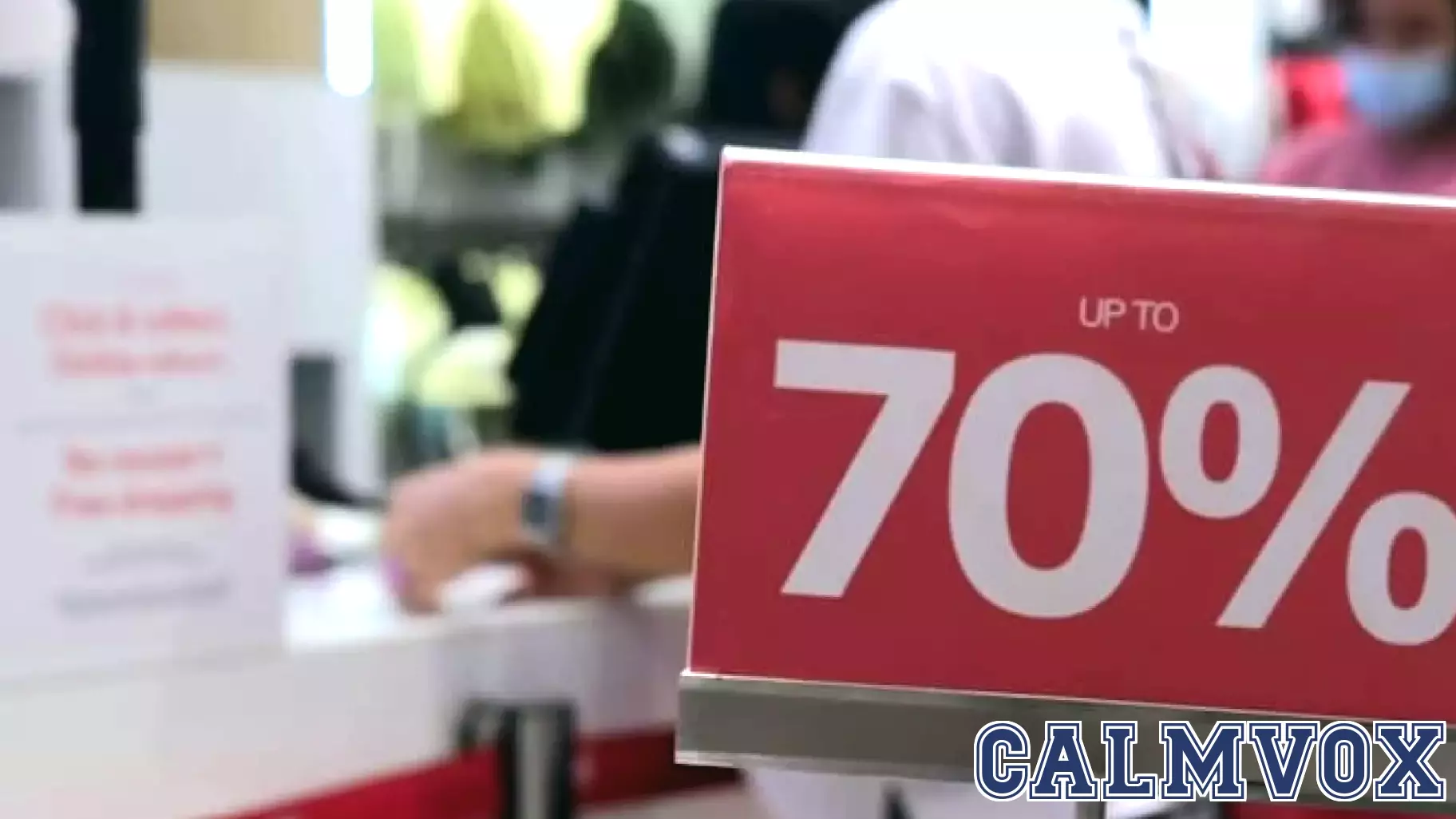
As the holiday season approaches, the National Retail Federation anticipates that spending will reach an astonishing $900 per person this year. While the excitement of holiday shopping can be exhilarating, it's essential to be aware of the psychological factors that can lead to impulsive spending and potential regret.
The allure of deals often triggers what is known as the “thrill of the deal,” which can cloud judgment and lead to emotional purchases. Tactics such as “buy now, pay later” plans may seem appealing but can ultimately jeopardize your financial health by impacting your credit score. Moreover, the pressure of “limited-time offers” can make it challenging to resist overspending.
To navigate this festive shopping season wisely, consider setting a budget and sticking to it. Prioritize needs over wants and take time to think about each purchase. By adopting these strategies, shoppers can enjoy the holiday spirit without falling into the traps of emotional spending.
MORE NEWS

July 7, 2026 - 03:35
Psychology says people who are good with numbers and love mathematics aren't only analytical thinkers: WhaFor years, the stereotype of a math enthusiast has been a quiet, logical person who lives for spreadsheets and formulas. But psychology research is challenging that narrow view. New studies suggest...

July 6, 2026 - 02:41
Psychology says people who can sleep through loud noises aren't necessarily heavy sleepers, they may simplMany people assume that if you can sleep through a loud party or a barking dog, you must be a heavy sleeper with excellent rest. Psychology and sleep research suggest this is not always the case....

July 5, 2026 - 04:59
Psychology says the real reason doctors' handwriting is often hard to read has nothing to do with lazinessFor decades, patients and pharmacists have struggled to decipher the scribbled notes and prescriptions left by physicians. The common assumption is that doctors simply do not care enough to write...

July 4, 2026 - 02:40
Good or bad? Here's what psychology really says about live-in relationshipsA generation ago, the idea of living together before marriage would have shocked many Indian families. Today, it is no longer unusual. In cities like Bengaluru, Mumbai, Delhi and Pune, more couples...