Rediscovering Childhood Hobbies for Adult Wellbeing
November 28, 2025 - 23:40
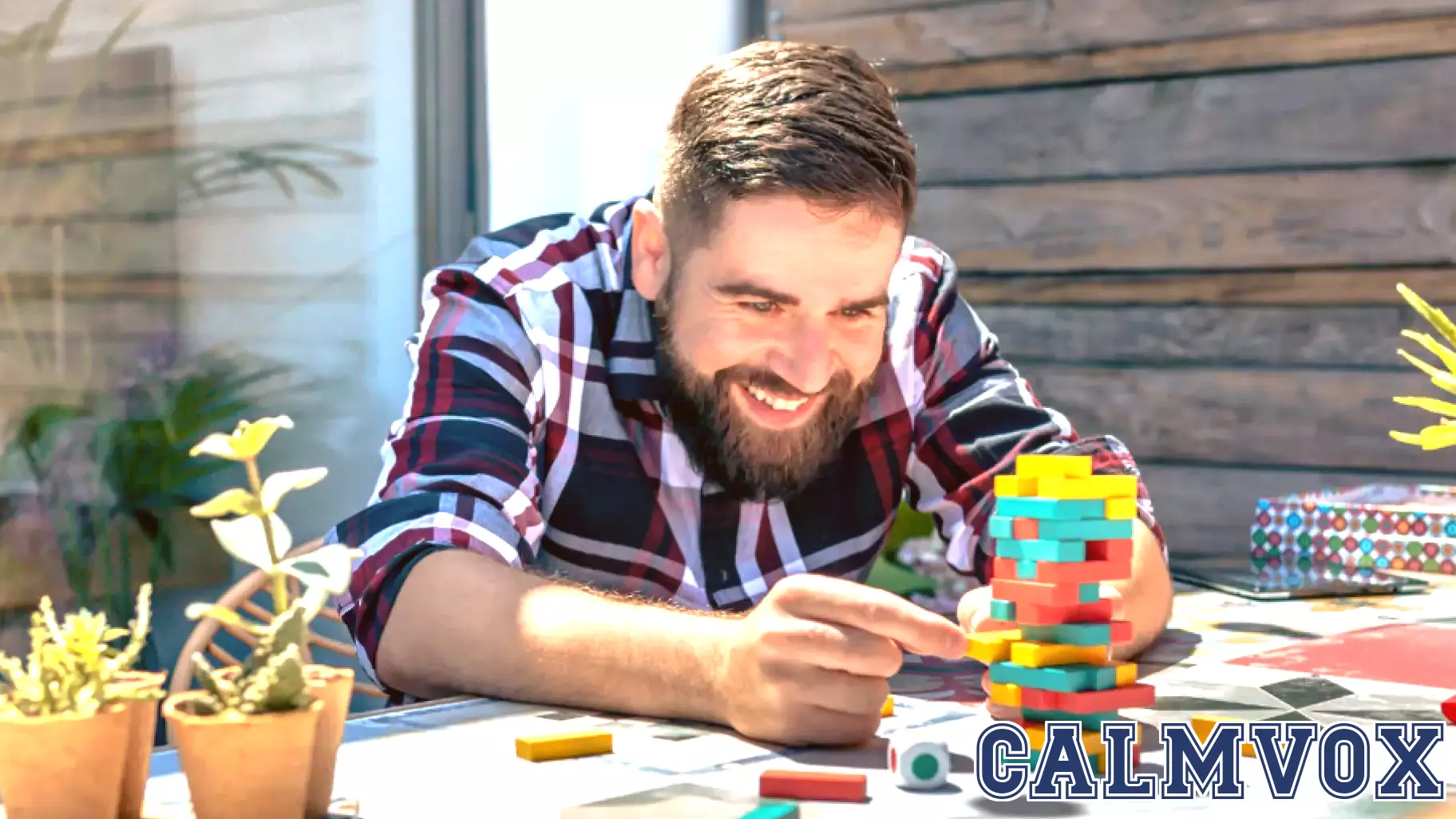
Some of the best things for adult wellbeing are activities we abandoned after elementary school. As we grow older, many individuals often leave behind hobbies that once brought them joy and creativity. Activities such as drawing, playing with building blocks, or even engaging in imaginative play can provide significant mental health benefits when revisited in adulthood.
Psychologists suggest that these hobbies can help reduce stress, enhance cognitive function, and foster social connections. For instance, drawing or painting can serve as a form of self-expression and relaxation, while building with blocks or engaging in crafts can stimulate problem-solving skills and creativity.
Moreover, reconnecting with these activities can evoke a sense of nostalgia, leading to increased happiness and emotional resilience. By embracing these childhood pastimes, adults can tap into a wellspring of joy and creativity, ultimately enhancing their overall quality of life. So, consider revisiting those forgotten hobbies and experience the benefits they can bring to your adult life.
MORE NEWS

July 15, 2026 - 00:31
Psychology says people who remain kind despite a difficult life aren't weak or in denial — they're often running on a kind of strength that only forms under sustained pressure, the way certain metals doThis resilience is not about ignoring pain. It is about processing it without letting it turn into bitterness. When someone faces betrayal, loss, or chronic struggle and still chooses empathy, they...

July 14, 2026 - 13:58
Psychology says people who are scared of darkness aren't necessarily weak, they may experience uncertaintyFor generations, being afraid of the dark has been dismissed as childish or a sign of weakness. But recent psychological perspectives challenge that assumption. Experts now suggest that a fear of...

July 13, 2026 - 21:52
Psychology says students who are backbenchers aren't trying to hide themselves, they may be choosing theiFor years, students who sit in the back of the classroom have been labeled as lazy, rebellious, or disengaged. Teachers and parents often assume they are trying to avoid attention or escape...

July 13, 2026 - 00:51
Psychology says people who keep clothes on a chair aren't untidy, they may be creating a practical middleFor years, leaving a pile of clothes draped over a chair has been seen as a sign of laziness or clutter. But a growing number of psychologists argue that this habit is actually a sign of a...