Obsessed with true crime and serial killer dramas? Here's what psychologists say about you
June 28, 2026 - 17:44
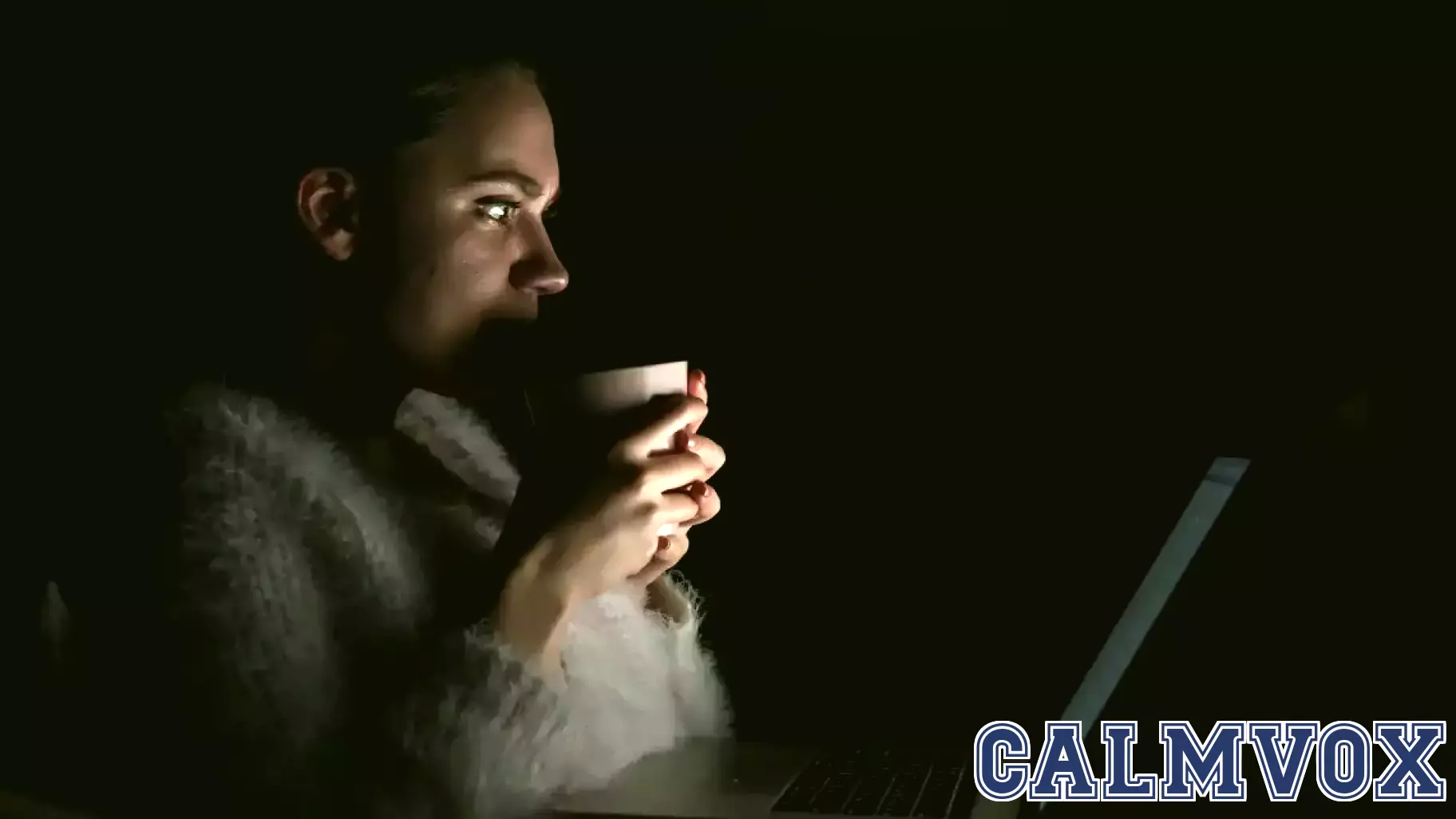
Millions of people spend their evenings binge-watching true crime documentaries and serial killer dramas on streaming platforms. From deep dives into cold cases to dramatized accounts of infamous murderers, the genre has become a dominant force in entertainment. But what does this fascination say about you, and can constant exposure to violent content affect your mental health?
Psychologists suggest that the appeal goes beyond simple curiosity. For many, true crime offers a sense of control. Watching detectives piece together evidence and catch a perpetrator provides a structured resolution to chaotic events. It allows viewers to explore dark scenarios from a safe distance, satisfying a natural human urge to understand danger without facing it. Others are drawn to the psychological puzzle itself, treating each episode as a test of their own deductive skills.
However, experts warn that there is a line between interest and overconsumption. Binge-watching hours of graphic violence can desensitize some people, making them less sensitive to real-world suffering. It can also heighten anxiety, especially in individuals who already feel vulnerable. The key, according to researchers, is moderation. If you find yourself feeling paranoid, having trouble sleeping, or seeing the world as more dangerous than it is, it might be time to switch genres.
a healthy interest in true crime is not a red flag. It often reflects a sharp mind that enjoys problem-solving and storytelling. But like any intense hobby, it is worth checking in with yourself to make sure the fascination remains a source of entertainment, not distress.
MORE NEWS

August 12, 2026 - 22:09
Your AI Agrees With You Too MuchA new study from Stanford University has found that a single conversation with an AI chatbot can make you more confident in your own opinions, even when those opinions are wrong. The researchers...

August 10, 2026 - 17:54
A Surprising Driver of Pro-Life BeliefsA new preprint study is stirring conversation by suggesting that a person`s stance on abortion might be tied to their own romantic and mating strategies. The research, which has not yet undergone...

August 10, 2026 - 15:09
Psychology has actually mapped what makes a person difficult and defiant, a cluster of antagonistic traits and a reflex to resist any rule, but the most telling finding is that the genuinely difficult almost never wonder whether they arePsychology has spent decades trying to map the anatomy of a difficult personality. The research points to a specific cluster of antagonistic traits: high stubbornness, a reflexive resistance to...

August 9, 2026 - 16:22
Psychology says the people who seem unbothered by criticism in their 60s aren't thick-skinned, they've simply run out of energy to perform for audiences that were never going to be satisfied anywayThe calm of a person in their sixties often gets read as a thicker skin. The lifespan research on emotion suggests something more specific: a reallocation of attention away from audiences whose...