Middle Childhood: A Crucial Phase for Emotional Growth
April 30, 2025 - 08:24
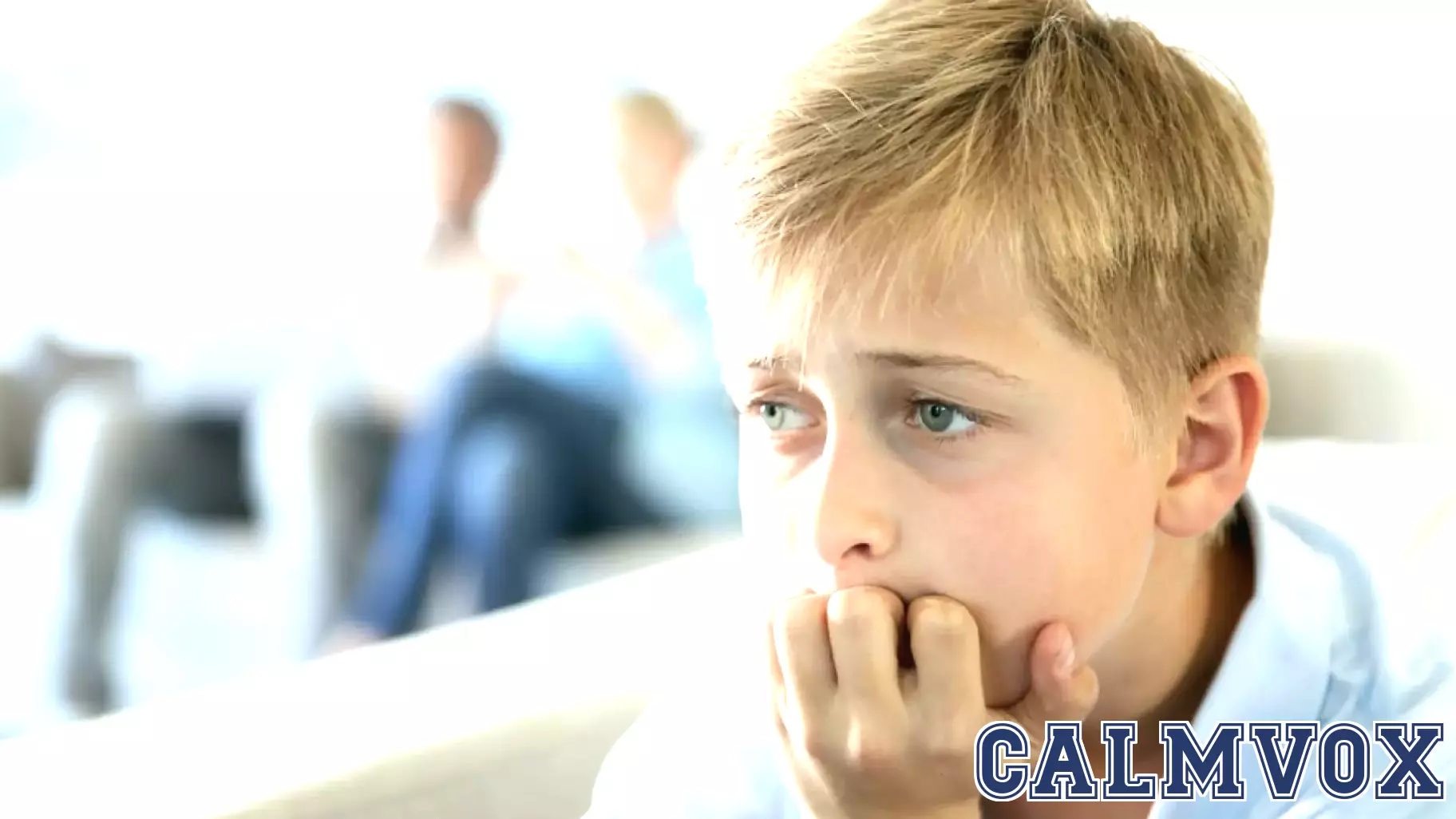
Middle childhood isn’t merely a quiet stretch between toddlerhood and the teen years; it represents a vital period for developing emotional resilience and self-esteem. This stage, typically spanning ages 6 to 12, is often underestimated in its significance. During these formative years, children are not just waiting to become teenagers; they are actively shaping their identities and learning how to navigate social dynamics.
Research indicates that experiences during middle childhood play a crucial role in a child's emotional and psychological development. Positive interactions with peers and adults can foster a sense of belonging and self-worth. Conversely, negative experiences or a lack of support can lead to challenges in self-esteem and emotional regulation.
Parents and educators are encouraged to recognize the importance of this developmental stage. By providing a nurturing environment that promotes healthy relationships, encourages exploration, and supports emotional expression, adults can help children build a strong foundation for future challenges. Emphasizing the importance of this period can lead to a more resilient generation, equipped to handle the complexities of adolescence and beyond.
MORE NEWS

July 15, 2026 - 00:31
Psychology says people who remain kind despite a difficult life aren't weak or in denial — they're often running on a kind of strength that only forms under sustained pressure, the way certain metals doThis resilience is not about ignoring pain. It is about processing it without letting it turn into bitterness. When someone faces betrayal, loss, or chronic struggle and still chooses empathy, they...

July 14, 2026 - 13:58
Psychology says people who are scared of darkness aren't necessarily weak, they may experience uncertaintyFor generations, being afraid of the dark has been dismissed as childish or a sign of weakness. But recent psychological perspectives challenge that assumption. Experts now suggest that a fear of...

July 13, 2026 - 21:52
Psychology says students who are backbenchers aren't trying to hide themselves, they may be choosing theiFor years, students who sit in the back of the classroom have been labeled as lazy, rebellious, or disengaged. Teachers and parents often assume they are trying to avoid attention or escape...

July 13, 2026 - 00:51
Psychology says people who keep clothes on a chair aren't untidy, they may be creating a practical middleFor years, leaving a pile of clothes draped over a chair has been seen as a sign of laziness or clutter. But a growing number of psychologists argue that this habit is actually a sign of a...