March Madness and the mind: Dr Michael Gerson on pressure, mistakes, and the psychology of high-stakes sport
April 3, 2026 - 23:58
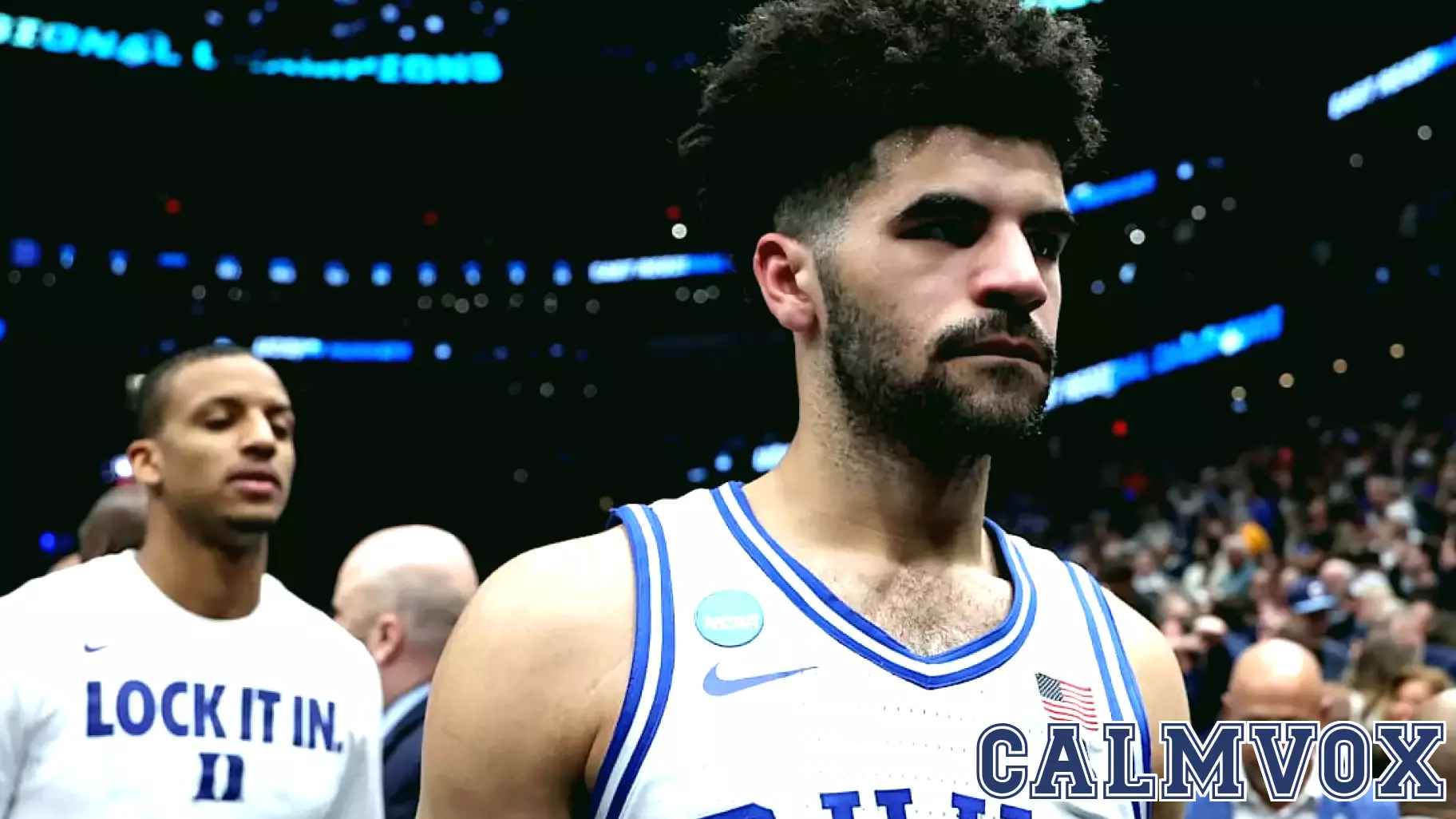
As the NCAA tournament reaches its thrilling climax, the spotlight intensifies not just on physical skill but on mental fortitude. From a critical late-game turnover in a tense matchup to the overwhelming weight of expectation, the psychological demands on athletes are immense. Sport psychology expert Dr. Michael Gerson sheds light on what this unique pressure does to performers and how they can navigate it.
Dr. Gerson explains that high-stakes environments trigger a physiological stress response. The heart races, focus can narrow excessively, and the body enters a heightened state of arousal. This can lead to "choking," where finely tuned motor skills deteriorate, or to rushed decision-making, resulting in uncharacteristic mistakes. The modern athlete also faces amplified pressures from lucrative professional prospects, constant social media scrutiny, and the hopes of entire fan bases.
However, Gerson emphasizes that pressure is not inherently negative. The key lies in an athlete's response. Elite performers use psychological techniques to reframe this arousal as excitement and a challenge to embrace rather than a threat to avoid. They rely on deeply ingrained routines—from pre-shot rituals in basketball to controlled breathing before a free throw—to create a sense of familiarity and control amidst chaos. By focusing strictly on the next play, the immediate task, athletes can block out the surrounding noise and the magnitude of the moment. Ultimately, March Madness showcases that while pressure is an inescapable part of the tournament, the mind is the critical battleground where games are often won or lost before the final buzzer sounds.
MORE NEWS

August 19, 2026 - 02:43
Why are we so obsessed with true crime? Hint: It’s not just morbid curiosityThe true crime genre has exploded in recent years, dominating podcast charts, streaming services, and bookstore shelves. While it is easy to dismiss this fascination as simple ghoulishness,...

August 18, 2026 - 11:23
Psychology says people who carry one mug to the kitchen instead of waiting to carry four aren't tidy or impatient — they're spending real physical effort to stop holding the task in their head, and researchers have a word for it: precrastinationMost people have a coworker or family member who cannot leave a dirty mug on the desk for more than a minute. They jump up, walk to the kitchen, and wash it immediately, even if they know they will...

August 17, 2026 - 21:30
Psychology says people who default to humour in tense situations aren't deflecting or immature — they're often carrying a grief so practised it has become invisible even to themselvesPsychology suggests that the person who always reaches for a joke in a tense moment is not avoiding the issue or acting childish. Instead, they are often carrying a grief so familiar and so...

August 17, 2026 - 02:11
Exit Strategy: Part Smart and Leave People on a High NoteEnding a job, a relationship, or even a long-term project is rarely easy, but the way you walk out the door often defines how people remember you. You can be seen as thoughtful and considerate, or...