Is Time Real or Just an Illusion?
November 13, 2025 - 04:00
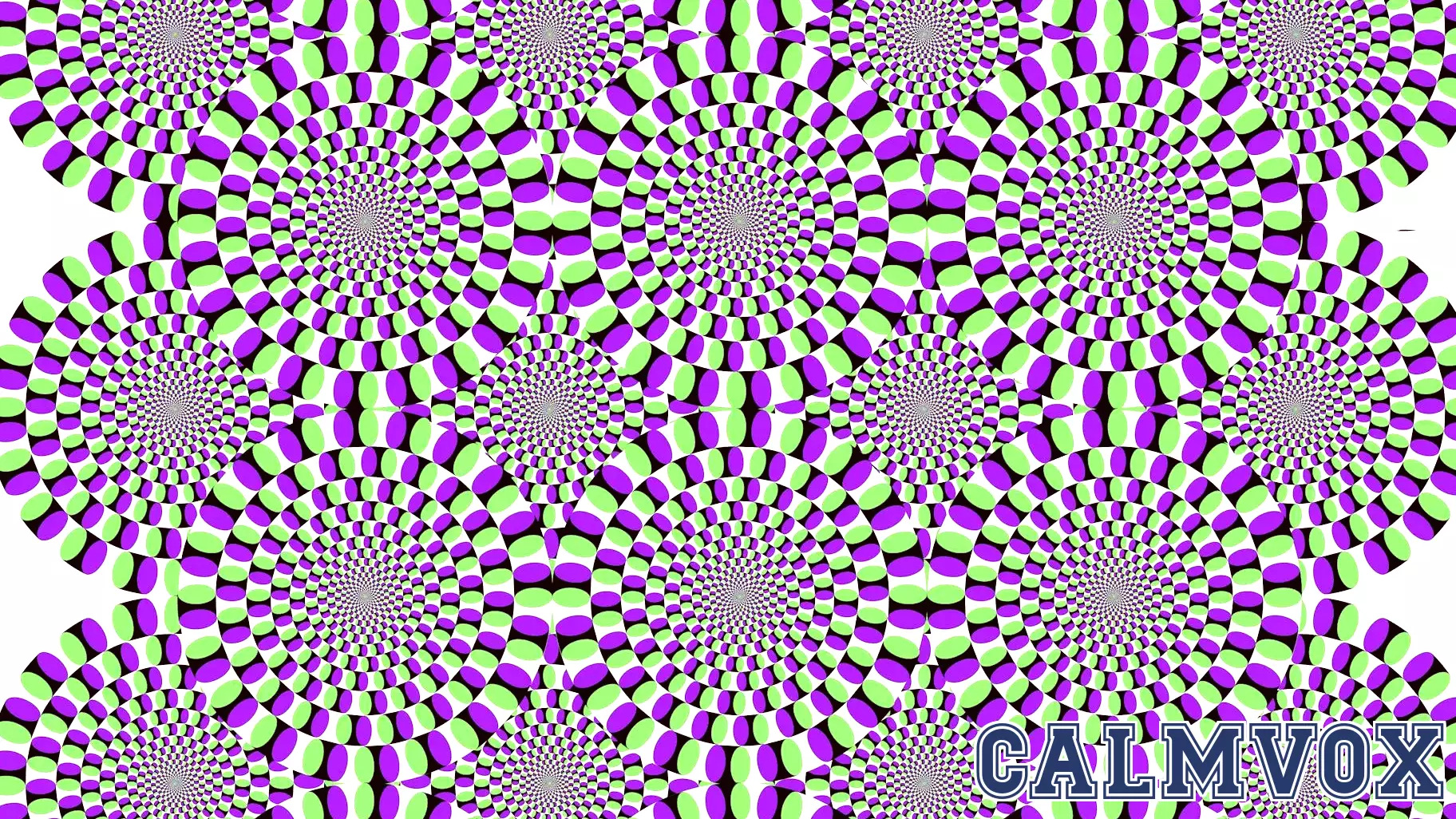
The age-old question of whether time is a tangible reality or merely an illusion has sparked intriguing discussions among physicists and philosophers alike. Recent insights suggest that rather than flowing in a linear fashion, time may actually be a psychological projection of the human mind. This perspective posits that our experience of time is not an inherent property of the universe but rather a construct shaped by our consciousness.
Philosophers argue that our perception of past, present, and future is influenced by cognitive processes, leading us to experience time in a way that feels continuous. Meanwhile, physicists explore the idea that at a fundamental level, time may not exist as a separate entity. Instead, it could be intertwined with the fabric of space and matter, challenging conventional notions of temporal flow.
This thought-provoking viewpoint encourages a reevaluation of how we understand our existence and the universe. As we delve deeper into the nature of reality, the question remains: Is time simply a mental framework, or does it hold a deeper significance in the cosmos?
MORE NEWS

July 15, 2026 - 00:31
Psychology says people who remain kind despite a difficult life aren't weak or in denial — they're often running on a kind of strength that only forms under sustained pressure, the way certain metals doThis resilience is not about ignoring pain. It is about processing it without letting it turn into bitterness. When someone faces betrayal, loss, or chronic struggle and still chooses empathy, they...

July 14, 2026 - 13:58
Psychology says people who are scared of darkness aren't necessarily weak, they may experience uncertaintyFor generations, being afraid of the dark has been dismissed as childish or a sign of weakness. But recent psychological perspectives challenge that assumption. Experts now suggest that a fear of...

July 13, 2026 - 21:52
Psychology says students who are backbenchers aren't trying to hide themselves, they may be choosing theiFor years, students who sit in the back of the classroom have been labeled as lazy, rebellious, or disengaged. Teachers and parents often assume they are trying to avoid attention or escape...

July 13, 2026 - 00:51
Psychology says people who keep clothes on a chair aren't untidy, they may be creating a practical middleFor years, leaving a pile of clothes draped over a chair has been seen as a sign of laziness or clutter. But a growing number of psychologists argue that this habit is actually a sign of a...