How Dissociation Blunts Trauma
January 31, 2026 - 07:44
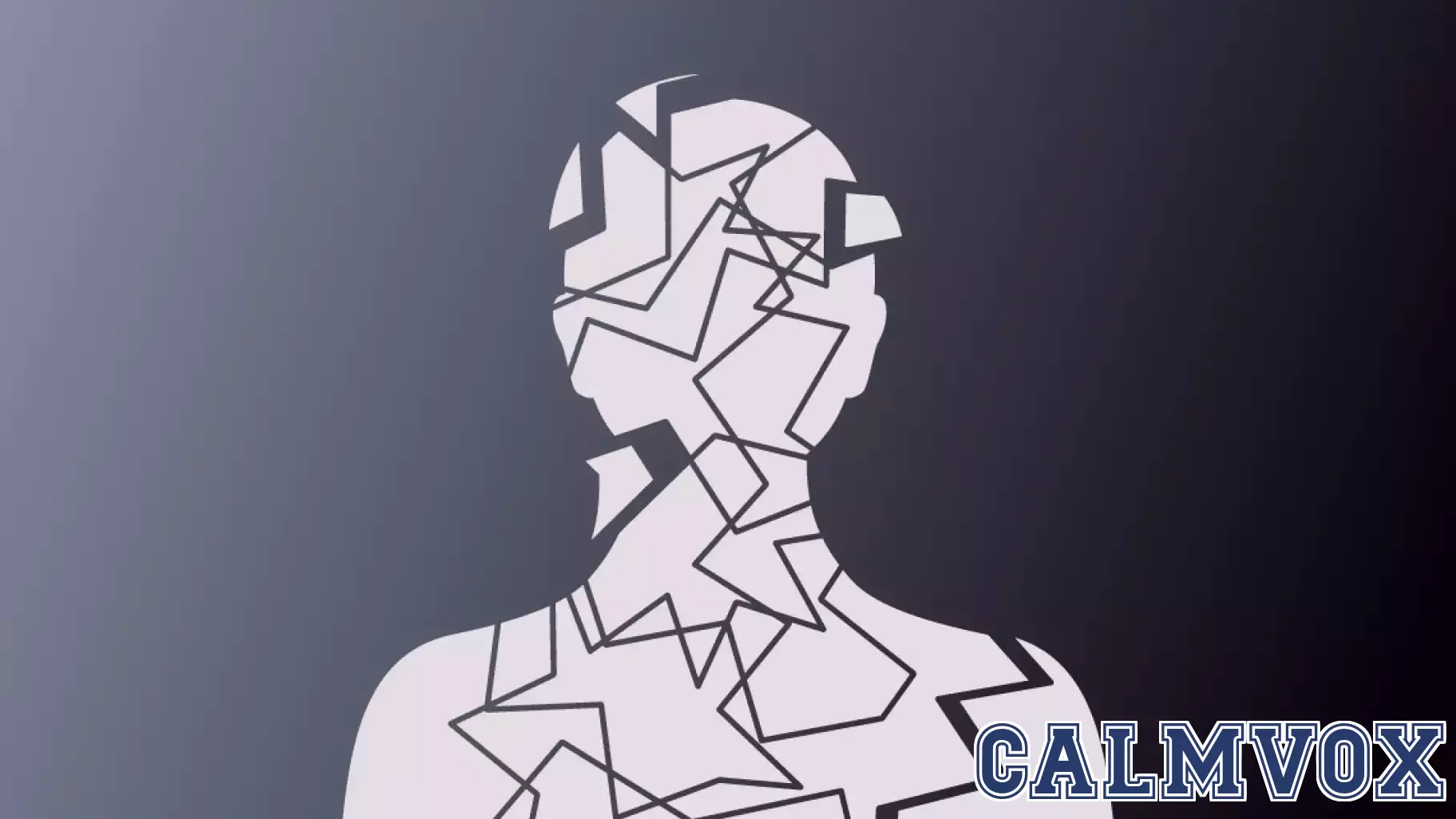
A profound and often misunderstood mental process, dissociation, is gaining recognition as a common psychological response to overwhelming distress. Far from being a rare condition, this innate defense mechanism acts as the mind's emergency buffer, blunting the immediate and devastating impact of traumatic experiences.
When faced with events too severe to process fully—such as abuse, violence, or profound loss—the psyche can instinctively "detach." This may manifest as a sense of watching events unfold from outside one's own body, feelings of numbness or unreality, or even lapses in memory surrounding the traumatic incident. By creating this psychological distance, dissociation allows an individual to endure what would otherwise be unbearable, preserving a fragile sense of self in the moment of crisis.
Mental health experts emphasize that while this split in consciousness is protective in the short term, it can become problematic if it persists long after the danger has passed. Chronic dissociation can interfere with emotional processing, memory integration, and the ability to engage fully in daily life and relationships. The very mechanism that once served as a lifeline can later contribute to a fragmented sense of identity and difficulty accessing or making sense of past trauma.
Understanding dissociation not as a sign of weakness, but as a testament to the mind's complex survival strategies, is crucial. This shift in perspective encourages compassion and reduces stigma, paving the way for more effective therapeutic approaches. Treatment often focuses on gently helping individuals process the buried emotions and memories in a safe environment, allowing for the reintegration of these fragmented experiences and fostering lasting healing.
MORE NEWS

July 7, 2026 - 03:35
Psychology says people who are good with numbers and love mathematics aren't only analytical thinkers: WhaFor years, the stereotype of a math enthusiast has been a quiet, logical person who lives for spreadsheets and formulas. But psychology research is challenging that narrow view. New studies suggest...

July 6, 2026 - 02:41
Psychology says people who can sleep through loud noises aren't necessarily heavy sleepers, they may simplMany people assume that if you can sleep through a loud party or a barking dog, you must be a heavy sleeper with excellent rest. Psychology and sleep research suggest this is not always the case....

July 5, 2026 - 04:59
Psychology says the real reason doctors' handwriting is often hard to read has nothing to do with lazinessFor decades, patients and pharmacists have struggled to decipher the scribbled notes and prescriptions left by physicians. The common assumption is that doctors simply do not care enough to write...

July 4, 2026 - 02:40
Good or bad? Here's what psychology really says about live-in relationshipsA generation ago, the idea of living together before marriage would have shocked many Indian families. Today, it is no longer unusual. In cities like Bengaluru, Mumbai, Delhi and Pune, more couples...