Exploring the Need for Residential Treatment in Mental Health Care
December 6, 2024 - 14:30

Outpatient psychiatric care is often the first step for individuals seeking help for mental health issues. However, there are instances when this level of care is insufficient for achieving lasting recovery. In such cases, residential treatment programs may provide the necessary support and resources to facilitate healing.
Residential treatment offers a structured environment where individuals can focus solely on their recovery. This immersive approach allows for intensive therapy, round-the-clock supervision, and a community of peers who are facing similar challenges. For many, the transition from outpatient care to a residential setting can be a pivotal moment in their journey toward mental wellness.
The decision to pursue residential treatment is not always easy, but it can be crucial for those grappling with severe mental health conditions, such as depression, anxiety, or substance use disorders. By providing a safe and supportive environment, residential programs can help individuals develop coping strategies, build resilience, and ultimately reclaim their lives.
MORE NEWS

July 15, 2026 - 22:18
Psychology says people who are scared of heights aren’t cowards, they may be experiencing an ancient surviBeing afraid of heights does not mean someone is weak or lacks courage. While many people feel uneasy in high places, others experience acrophobia, a more intense fear that can interfere with...

July 15, 2026 - 00:31
Psychology says people who remain kind despite a difficult life aren't weak or in denial — they're often running on a kind of strength that only forms under sustained pressure, the way certain metals doThis resilience is not about ignoring pain. It is about processing it without letting it turn into bitterness. When someone faces betrayal, loss, or chronic struggle and still chooses empathy, they...
July 14, 2026 - 13:58
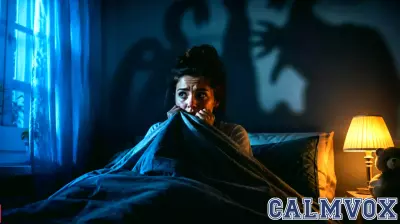
Psychology says people who are scared of darkness aren't necessarily weak, they may experience uncertaintyFor generations, being afraid of the dark has been dismissed as childish or a sign of weakness. But recent psychological perspectives challenge that assumption. Experts now suggest that a fear of...

July 13, 2026 - 21:52
Psychology says students who are backbenchers aren't trying to hide themselves, they may be choosing theiFor years, students who sit in the back of the classroom have been labeled as lazy, rebellious, or disengaged. Teachers and parents often assume they are trying to avoid attention or escape...