Embracing Autism: Understanding Communication Differences
September 12, 2025 - 19:27
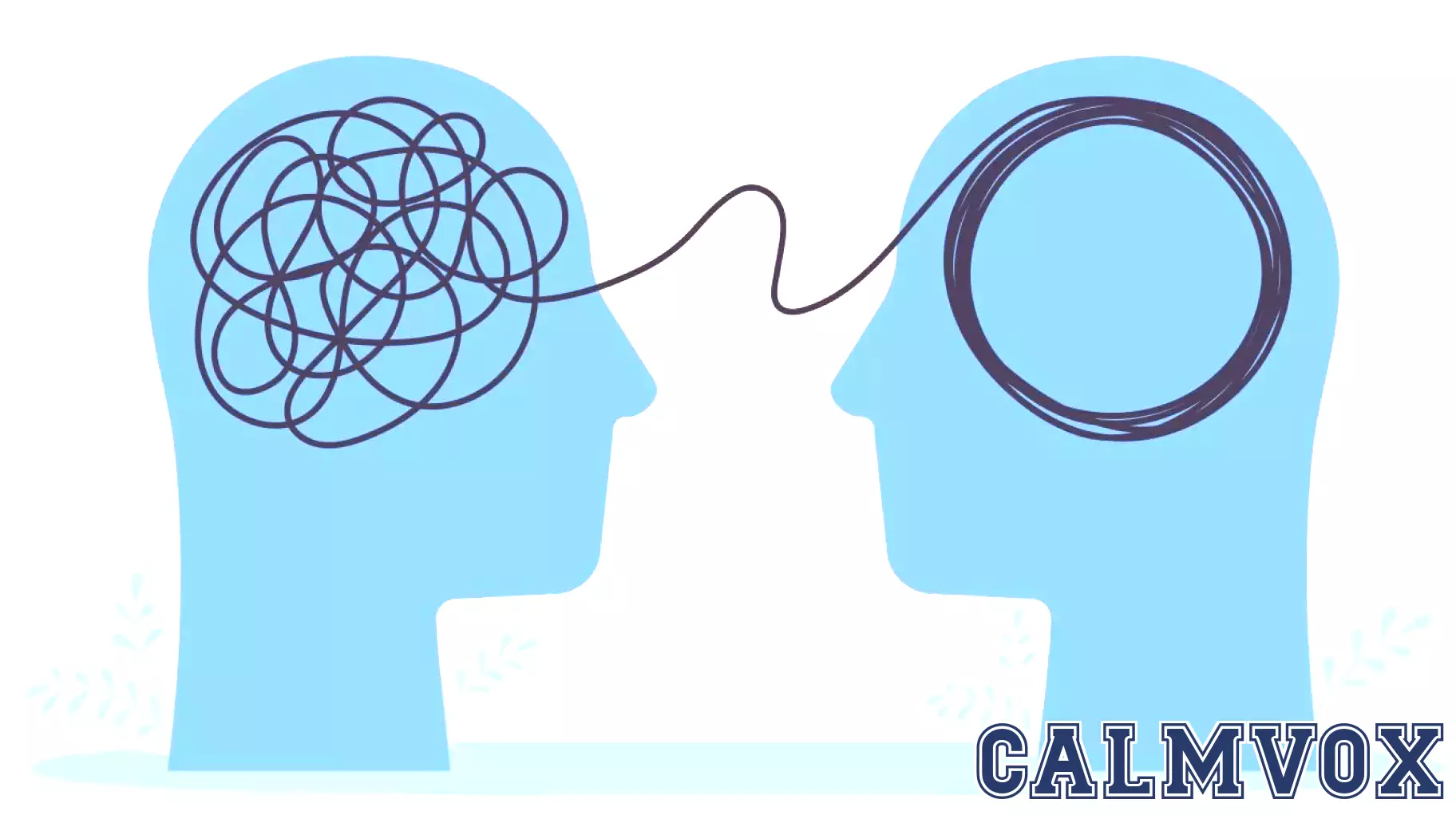
Autism communication often follows its own unique logic, presenting both challenges and opportunities for connection. By recognizing and embracing these differences, we can foster greater empathy and understanding in our interactions with individuals on the autism spectrum.
Instead of viewing autism through a lens of deficit, it is essential to appreciate the diverse ways in which autistic individuals express themselves. This perspective shift allows for a more inclusive environment where communication is not only accepted but celebrated. Small talk may not resonate with everyone; instead, some may prefer direct and straightforward conversations that reflect their thought processes.
By acknowledging these variations, we can build stronger relationships that transcend traditional communication barriers. This understanding not only enriches our interactions but also enhances the overall experience of social engagement for everyone involved. Ultimately, embracing autism as a difference rather than a deficit paves the way for deeper connections and a more empathetic society.
MORE NEWS

July 15, 2026 - 00:31
Psychology says people who remain kind despite a difficult life aren't weak or in denial — they're often running on a kind of strength that only forms under sustained pressure, the way certain metals doThis resilience is not about ignoring pain. It is about processing it without letting it turn into bitterness. When someone faces betrayal, loss, or chronic struggle and still chooses empathy, they...

July 14, 2026 - 13:58
Psychology says people who are scared of darkness aren't necessarily weak, they may experience uncertaintyFor generations, being afraid of the dark has been dismissed as childish or a sign of weakness. But recent psychological perspectives challenge that assumption. Experts now suggest that a fear of...

July 13, 2026 - 21:52
Psychology says students who are backbenchers aren't trying to hide themselves, they may be choosing theiFor years, students who sit in the back of the classroom have been labeled as lazy, rebellious, or disengaged. Teachers and parents often assume they are trying to avoid attention or escape...

July 13, 2026 - 00:51
Psychology says people who keep clothes on a chair aren't untidy, they may be creating a practical middleFor years, leaving a pile of clothes draped over a chair has been seen as a sign of laziness or clutter. But a growing number of psychologists argue that this habit is actually a sign of a...