Addressing the Growing Influence of Pornography on Children
December 28, 2024 - 03:10
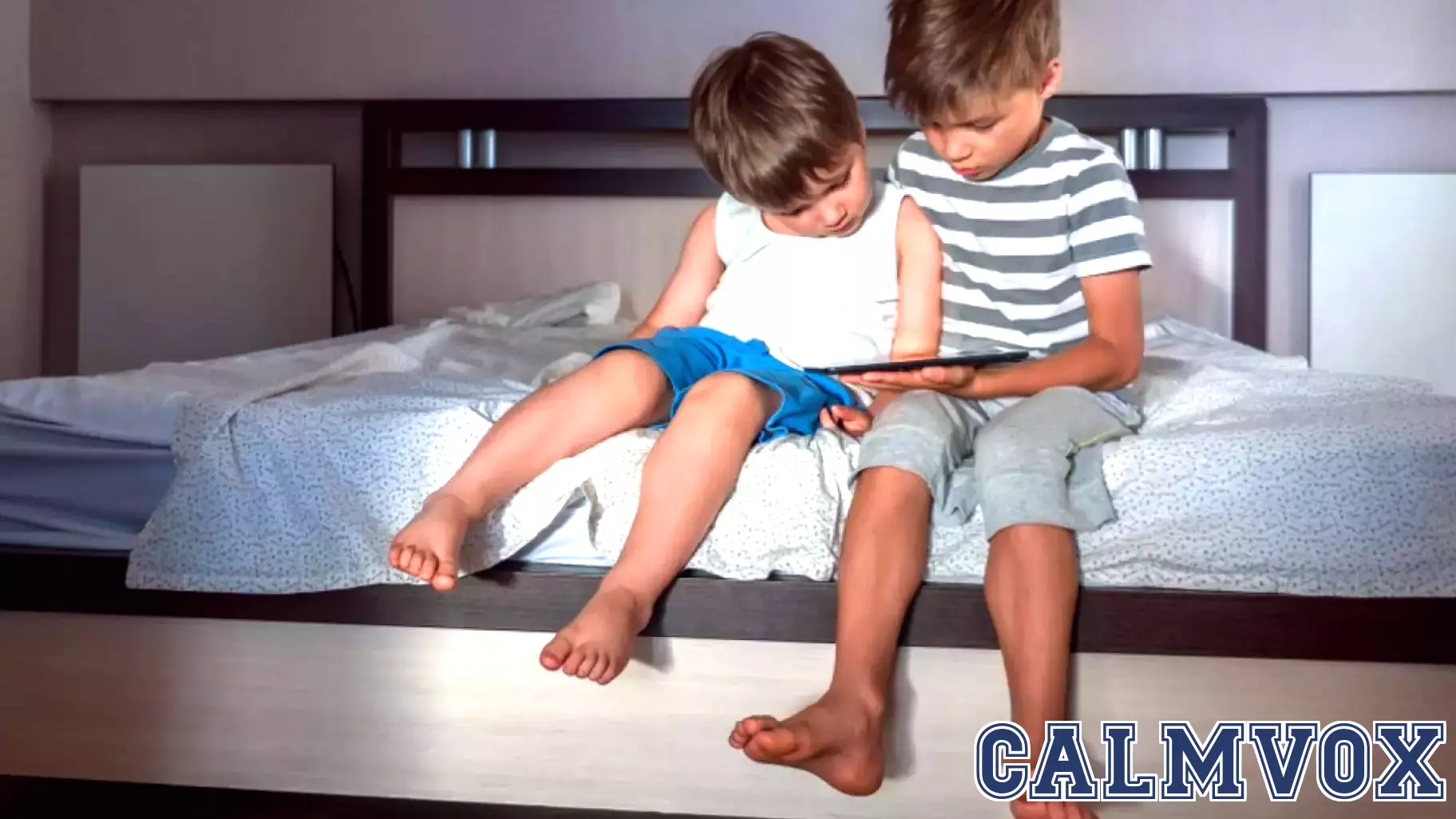
In today's digital age, children are increasingly exposed to pornography at younger ages, leading to a concerning rise in misinformation regarding bodies, sex, and sexuality. This early exposure can profoundly impact their understanding of healthy relationships and sexual behavior. Many kids stumble upon explicit content unintentionally, often while searching for innocent topics or through peer discussions.
As a result, children may form distorted views about intimacy, consent, and body image based on unrealistic portrayals often depicted in pornographic material. This misinformation can lead to confusion and anxiety, making it crucial for parents and guardians to engage in open conversations about these topics.
By fostering a safe and honest environment, adults can help demystify sex and sexuality for their children. Educating kids about the differences between reality and fantasy in sexual content is essential in promoting healthy attitudes and behaviors as they grow. It's imperative that we take proactive steps to guide our children through this complex landscape.
MORE NEWS

July 15, 2026 - 00:31
Psychology says people who remain kind despite a difficult life aren't weak or in denial — they're often running on a kind of strength that only forms under sustained pressure, the way certain metals doThis resilience is not about ignoring pain. It is about processing it without letting it turn into bitterness. When someone faces betrayal, loss, or chronic struggle and still chooses empathy, they...

July 14, 2026 - 13:58
Psychology says people who are scared of darkness aren't necessarily weak, they may experience uncertaintyFor generations, being afraid of the dark has been dismissed as childish or a sign of weakness. But recent psychological perspectives challenge that assumption. Experts now suggest that a fear of...

July 13, 2026 - 21:52
Psychology says students who are backbenchers aren't trying to hide themselves, they may be choosing theiFor years, students who sit in the back of the classroom have been labeled as lazy, rebellious, or disengaged. Teachers and parents often assume they are trying to avoid attention or escape...

July 13, 2026 - 00:51
Psychology says people who keep clothes on a chair aren't untidy, they may be creating a practical middleFor years, leaving a pile of clothes draped over a chair has been seen as a sign of laziness or clutter. But a growing number of psychologists argue that this habit is actually a sign of a...