A viral monkey, his plushie, and a 70-year-old experiment: what Punch tells us about attachment theory
February 23, 2026 - 07:51
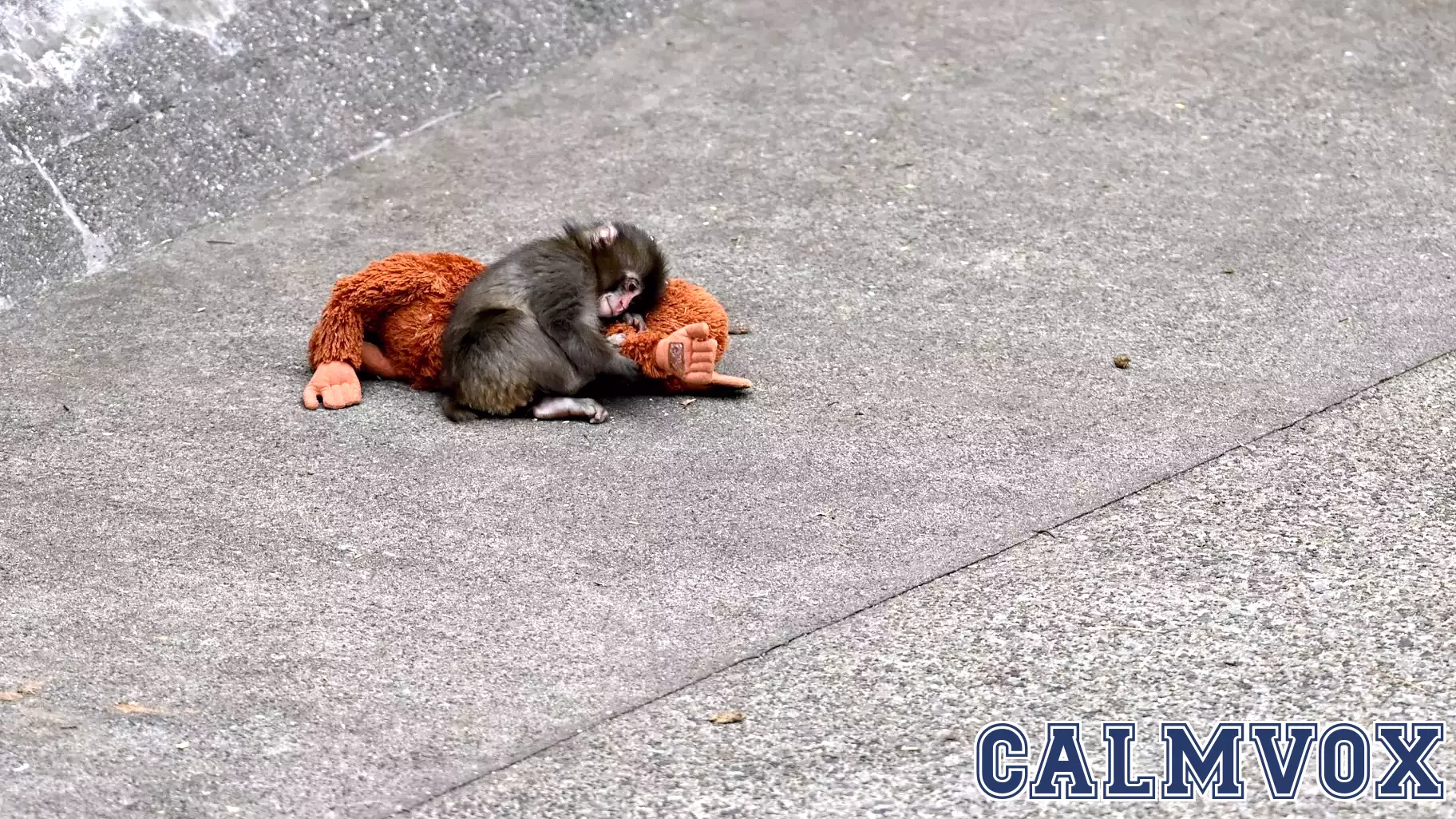
The internet recently fell for Punch, a macaque monkey clinging desperately to a small, bright orange plush toy. The heart-wrenching footage of the monkey, separated from his cherished object, did more than spark sympathy. It served as a real-world echo of the foundational "Harlow's monkeys" experiments from the 1950s.
Psychologist Harry Harlow's controversial work demonstrated that infant rhesus monkeys, when given a choice, would spend vastly more time with a soft, cloth-covered surrogate "mother" that offered comfort over a wire mother that provided only food. This proved a revolutionary idea: the need for attachment, comfort, and security is a primary drive, separate from the need for nourishment.
Punch’s visible distress at losing his plush companion mirrors this fundamental need. His behavior suggests that the urge for soft, reassuring contact extends beyond human infants and laboratory settings into the complex emotional lives of animals in the wild. The viral video unintentionally provides a poignant, modern footnote to Harlow’s cold laboratory findings.
It highlights how the bonds of attachment are not merely about survival, but about psychological well-being. Punch’s story reminds us that the comfort found in a soft, familiar object is a powerful, cross-species phenomenon rooted in the deepest needs of social creatures.
MORE NEWS

July 9, 2026 - 02:24
Psychology says people who use a phone for years and don't change it till it dies out aren't afraid of misA growing body of psychological research suggests that people who use the same phone for years, only replacing it when it finally breaks, are not simply stubborn or afraid of new technology....

July 8, 2026 - 01:13
The Silent Disappearance: Why Older Adults Are Right to Feel InvisibleI first watched my mother disappear at a dinner party about three years ago. Nobody was rude. That is the strange part. She was sitting right there, glass in hand, ready to share a story about her...

July 7, 2026 - 03:35
Psychology says people who are good with numbers and love mathematics aren't only analytical thinkers: WhaFor years, the stereotype of a math enthusiast has been a quiet, logical person who lives for spreadsheets and formulas. But psychology research is challenging that narrow view. New studies suggest...

July 6, 2026 - 02:41
Psychology says people who can sleep through loud noises aren't necessarily heavy sleepers, they may simplMany people assume that if you can sleep through a loud party or a barking dog, you must be a heavy sleeper with excellent rest. Psychology and sleep research suggest this is not always the case....