A Personal Perspective: The Power of Language in Pediatric Care
January 4, 2025 - 21:36
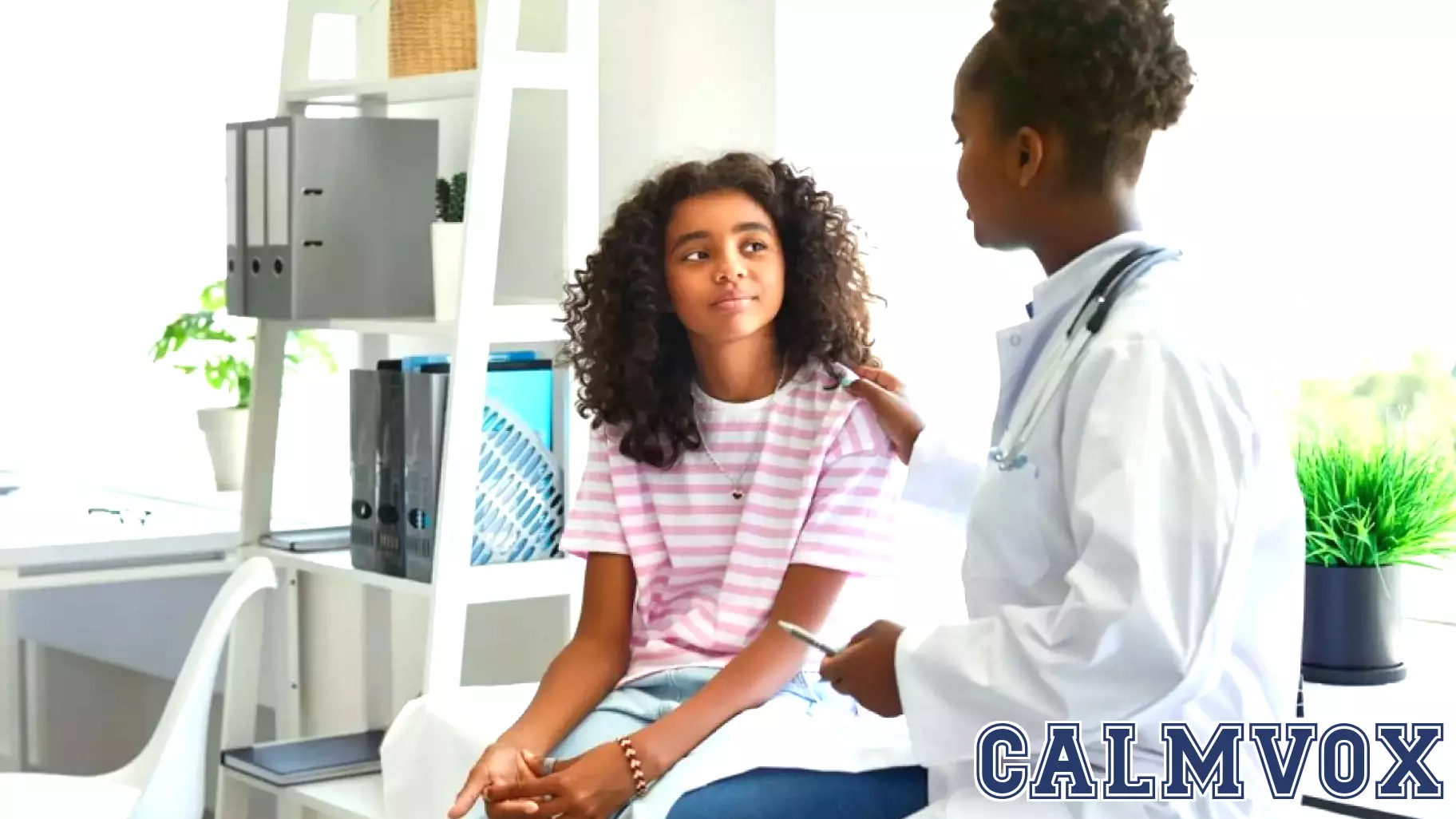
Psychosocial issues present unique challenges for pediatricians, influencing not only the well-being of their young patients but also the dynamics of communication with families. Through my experiences in the field, I've come to appreciate the profound impact that a small shift in language can have on patient interactions and outcomes.
In my practice, I began to recognize that the words I chose could either foster a supportive environment or inadvertently create barriers. By adopting a more therapeutic language, I found that I could better connect with both children and their parents. This approach involves using empathetic phrases, validating emotions, and framing discussions in a way that empowers families to engage in their child's care actively.
For instance, instead of simply stating a diagnosis, I learned to discuss it in terms of the child's strengths and potential for growth. This not only alleviates anxiety but also encourages a collaborative spirit in managing health challenges. Ultimately, the art of communication is an essential tool in pediatric care, enhancing both trust and understanding.
MORE NEWS

July 7, 2026 - 03:35
Psychology says people who are good with numbers and love mathematics aren't only analytical thinkers: WhaFor years, the stereotype of a math enthusiast has been a quiet, logical person who lives for spreadsheets and formulas. But psychology research is challenging that narrow view. New studies suggest...

July 6, 2026 - 02:41
Psychology says people who can sleep through loud noises aren't necessarily heavy sleepers, they may simplMany people assume that if you can sleep through a loud party or a barking dog, you must be a heavy sleeper with excellent rest. Psychology and sleep research suggest this is not always the case....

July 5, 2026 - 04:59
Psychology says the real reason doctors' handwriting is often hard to read has nothing to do with lazinessFor decades, patients and pharmacists have struggled to decipher the scribbled notes and prescriptions left by physicians. The common assumption is that doctors simply do not care enough to write...

July 4, 2026 - 02:40
Good or bad? Here's what psychology really says about live-in relationshipsA generation ago, the idea of living together before marriage would have shocked many Indian families. Today, it is no longer unusual. In cities like Bengaluru, Mumbai, Delhi and Pune, more couples...