A Closer Look at Veterans Day: Recognizing the Mental Struggles of Service Members
November 11, 2025 - 21:00
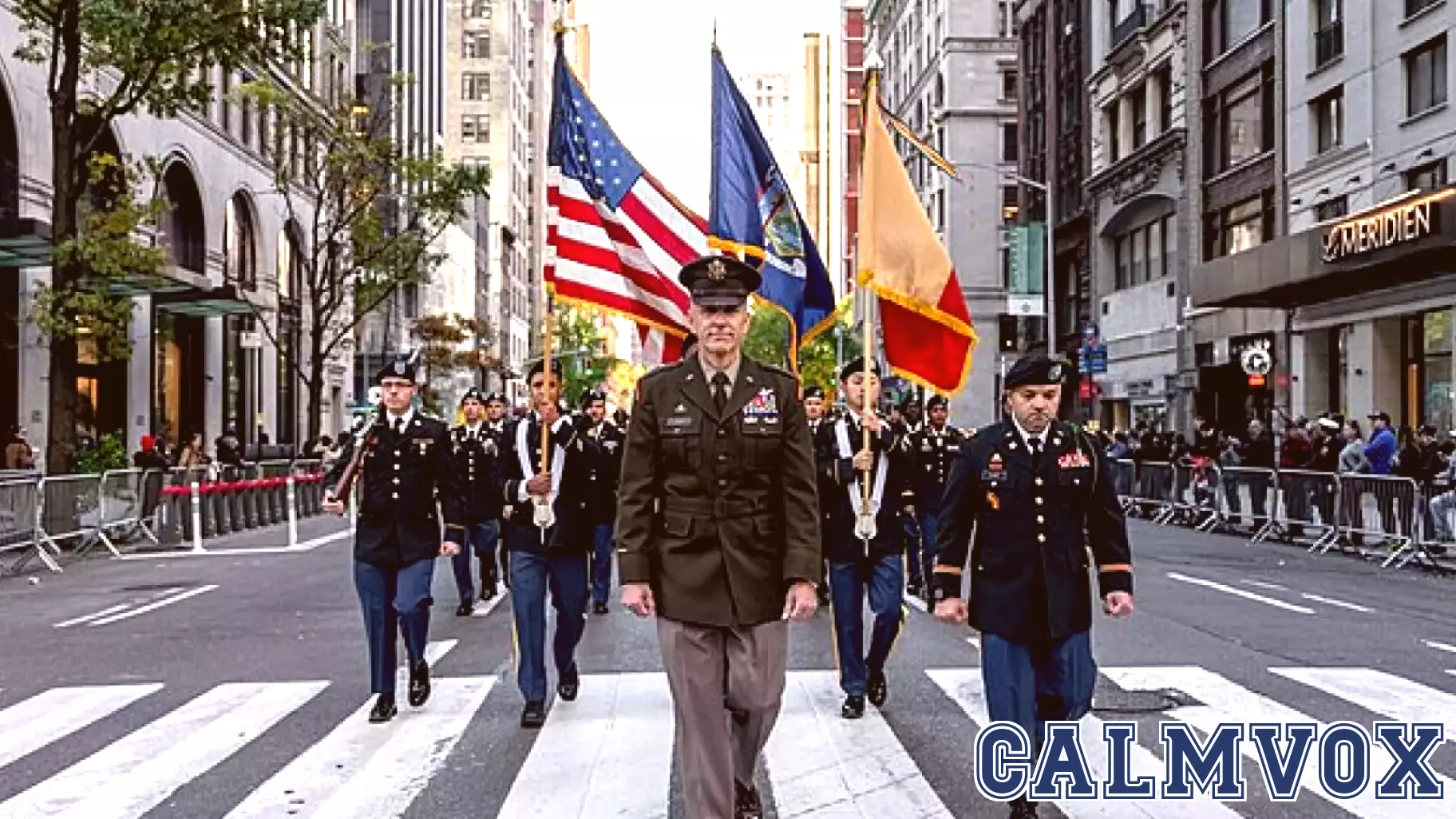
When we think of Veterans Day, we often focus on the physical service that veterans have rendered for our country. However, it is crucial to also acknowledge the mental struggles that many service members face as a result of their experiences. The sacrifices made by veterans extend beyond the battlefield, often leading to long-lasting psychological effects such as PTSD, anxiety, and depression.
As we honor those who have served, it is essential to create awareness about the mental health challenges that can accompany military service. Many veterans return home with invisible wounds that can be just as debilitating as physical injuries. Support systems, including counseling and peer support groups, play a vital role in helping veterans navigate these challenges.
On this Veterans Day, let us not only celebrate the bravery and dedication of our service members but also commit to providing the necessary resources and support to address their mental health needs. By doing so, we honor their complete sacrifice and ensure they receive the care they deserve.
MORE NEWS

July 15, 2026 - 00:31
Psychology says people who remain kind despite a difficult life aren't weak or in denial — they're often running on a kind of strength that only forms under sustained pressure, the way certain metals doThis resilience is not about ignoring pain. It is about processing it without letting it turn into bitterness. When someone faces betrayal, loss, or chronic struggle and still chooses empathy, they...

July 14, 2026 - 13:58
Psychology says people who are scared of darkness aren't necessarily weak, they may experience uncertaintyFor generations, being afraid of the dark has been dismissed as childish or a sign of weakness. But recent psychological perspectives challenge that assumption. Experts now suggest that a fear of...

July 13, 2026 - 21:52
Psychology says students who are backbenchers aren't trying to hide themselves, they may be choosing theiFor years, students who sit in the back of the classroom have been labeled as lazy, rebellious, or disengaged. Teachers and parents often assume they are trying to avoid attention or escape...

July 13, 2026 - 00:51
Psychology says people who keep clothes on a chair aren't untidy, they may be creating a practical middleFor years, leaving a pile of clothes draped over a chair has been seen as a sign of laziness or clutter. But a growing number of psychologists argue that this habit is actually a sign of a...