15 Common Thought Patterns That Fuel Anxiety, According To A Psychology Expert
June 12, 2026 - 19:17
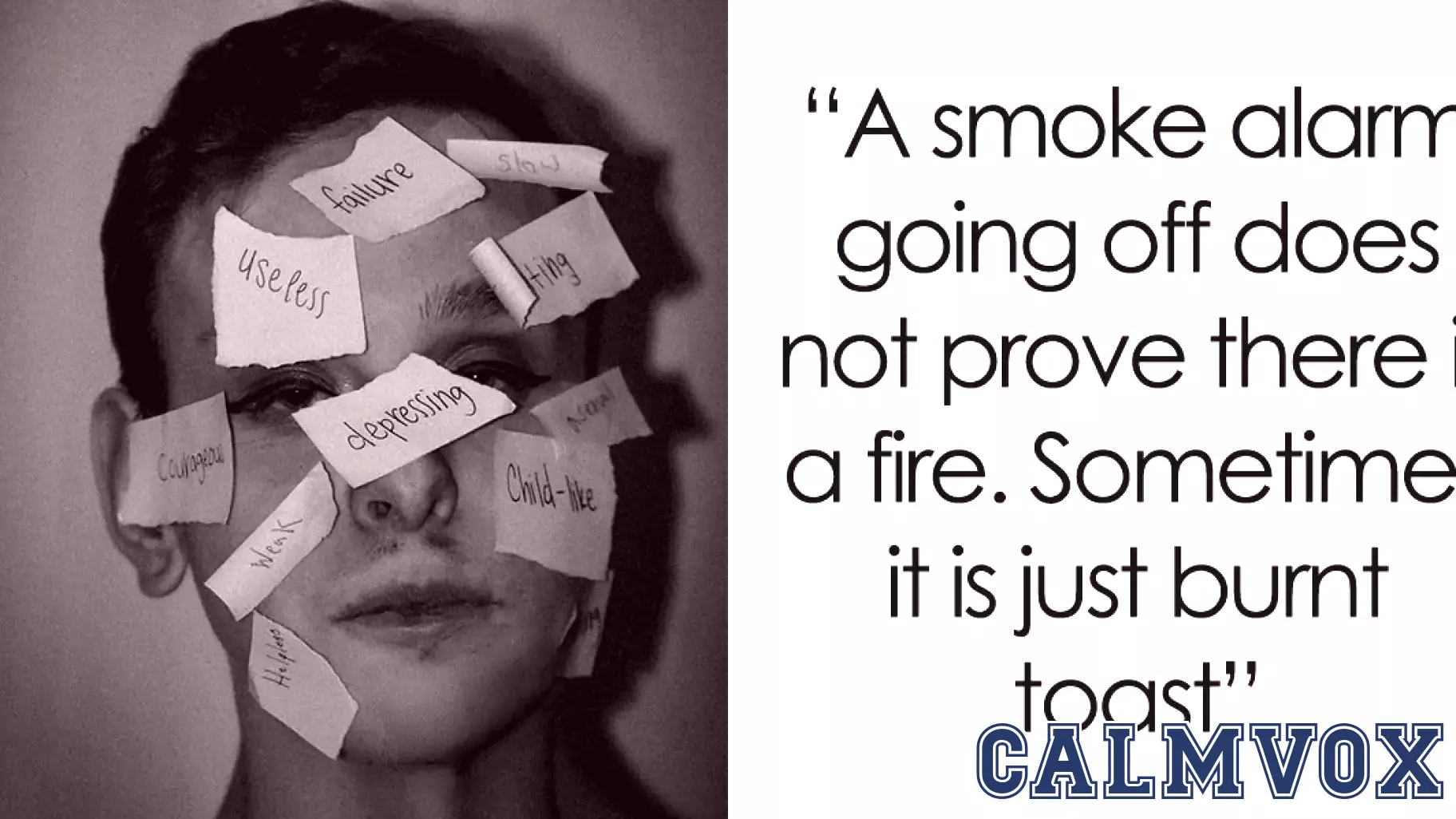
Anxiety is something most people recognize, even if it looks different from one person to another. Sometimes it shows up before an important conversation, while waiting for news, after receiving a vague message, or in the middle of the night when the brain suddenly decides to review every possible thing that could go wrong. In small doses, anxiety can be a normal response to uncertainty or potential danger. But for many, it becomes a constant background noise that refuses to quiet down.
According to psychology experts, the way we think plays a huge role in keeping that noise going. Certain thought patterns, often called cognitive distortions, act like fuel for anxiety. They twist reality and make problems feel bigger, more personal, or more permanent than they really are.
One common pattern is catastrophizing, where the mind immediately jumps to the worst possible outcome. A small mistake at work becomes a reason to expect getting fired. A delayed text from a friend becomes proof that the friendship is over. Another is black-and-white thinking, where there is no middle ground. If something is not perfect, it is a total failure. If someone is not completely on your side, they are against you.
Mind reading is another trap. This happens when you assume you know what someone else is thinking, and usually you assume it is negative. You might walk past a coworker who does not say hello and instantly decide they are angry at you, even though they probably just did not see you.
There is also emotional reasoning, where you take your feelings as facts. If you feel anxious about flying, you conclude that flying must be dangerous. If you feel stupid in a meeting, you decide you are actually stupid. The feeling becomes the proof, even when the evidence says otherwise.
Other patterns include overgeneralization, where one bad event means everything will go wrong from now on, and the "should" trap, where you beat yourself up with rigid rules about what you should or must be doing. Discounting the positive is another common one, where you dismiss compliments or achievements as flukes or not important.
Labeling is also damaging. Instead of saying "I made a mistake," you say "I am a failure." That label sticks and makes it harder to move on. Personalization is when you take blame for things outside your control, like assuming a bad mood in the room is your fault.
The good news is that recognizing these patterns is the first step to breaking them. Experts suggest that simply naming the distortion when it happens can weaken its power. Instead of letting the thought spiral, you can pause and ask, "Is this thought based on facts or fear?" Over time, that small pause can make a big difference.
MORE NEWS

July 28, 2026 - 04:48
Still Hoping for the Fountain of Youth?The quest to reverse aging has led many down strange paths. From extreme calorie restriction to unregulated injections of experimental compounds, the pursuit of youth often comes with a high price...

July 27, 2026 - 03:24
Social Media and Social Networking for Social ScientistsSocial scientists have long been trained to steer clear of traditional social media platforms, viewing them as unreliable or unprofessional spaces. Yet many of these same researchers maintain...

July 25, 2026 - 21:26
The Sweet Illusion of Loving a NarcissistNarcissists often present themselves as captivating partners, drawing you in with their charm and charisma. At the beginning of a relationship, it can feel like indulging in a rich slice of...

July 24, 2026 - 13:09
Religion-justified childhood abuse linked to higher adult anxiety and depressionWhen perpetrators of childhood abuse use faith as a justification for physical or sexual violence, the long-term psychological damage appears to be significantly worse. A new study has found that...