Why Dopamine Will Matter Even More in Human Behavior by 2027
21 April 2026
Dopamine. Just saying the word might conjure up images of scientists in lab coats, conducting experiments in sterile environments. But let’s break it down. Dopamine is not just a neurotransmitter; it's a key player in the drama of our daily lives. As we march toward 2027, understanding dopamine's role in human behavior will become increasingly crucial. So, grab a cup of coffee, sit back, and let’s dive into why this little molecule matters more than ever.
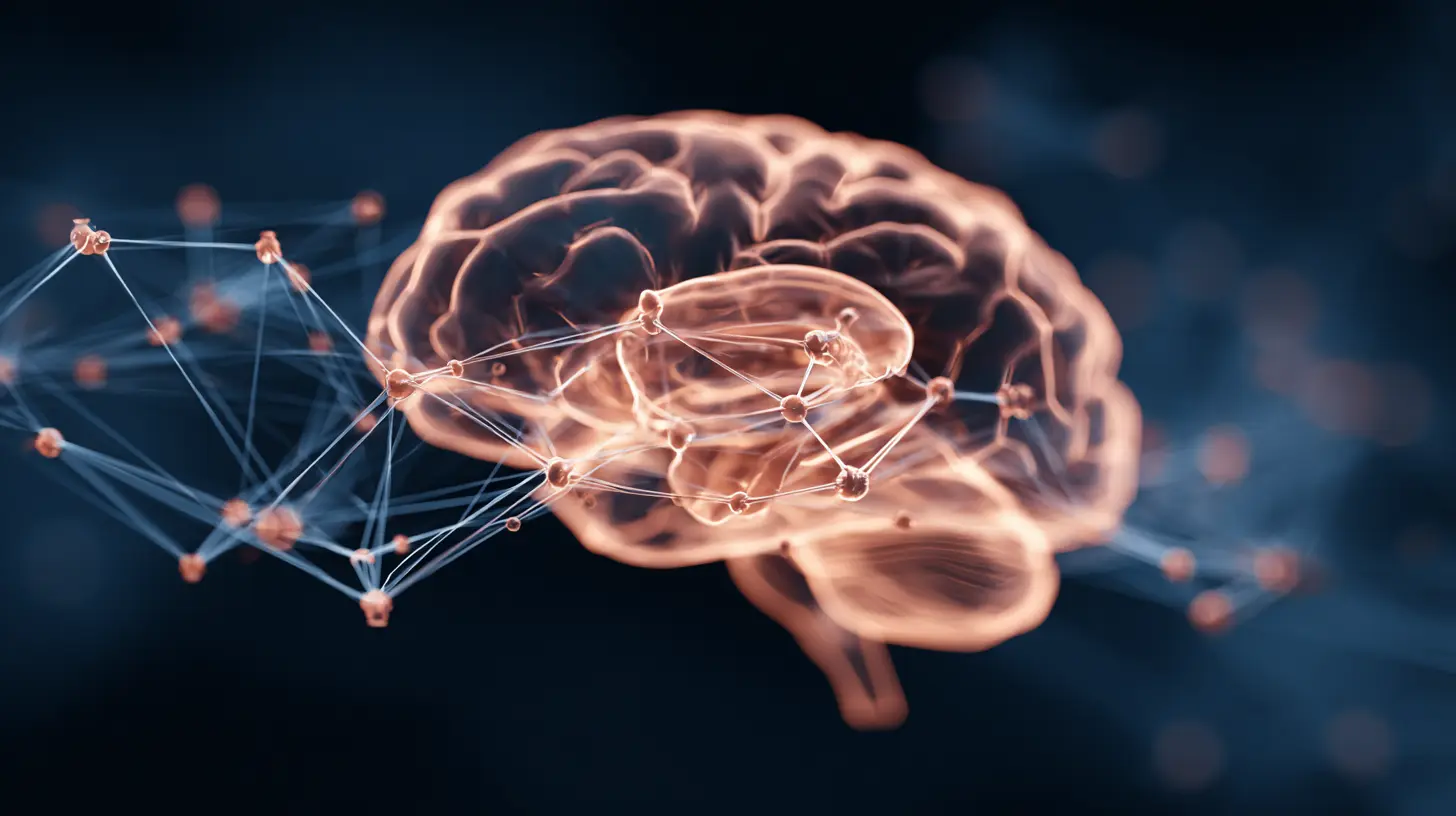
What is Dopamine?
Before we get too deep, let’s clarify what dopamine actually is. In simple terms, dopamine is a chemical messenger in the brain. It plays a role in how we feel pleasure, think, and move. Think of it as a little cheerleader in your brain, shouting “You did a good job!” every time you achieve something, whether it’s finishing a project or enjoying a piece of chocolate cake. But here's the kicker: dopamine doesn’t just reward us for good behavior; it also drives us to seek out those rewards in the first place.
The Dopamine Economy: A New Paradigm
As we head into 2027, we’re entering what I like to call the "Dopamine Economy." With the rise of technology and social media, our interactions are increasingly driven by dopamine hits. Each like, share, or comment can trigger that rush of feel-good chemicals in our brains. Have you ever noticed how refreshing it feels to get a notification on your phone? That’s dopamine at work!The Impact of Technology on Dopamine Release
With smartphones and social media, we’re living in a world where immediate gratification is just a click away. But what does this mean for our behavior? Well, it’s a double-edged sword. On one hand, technology can help us connect and share experiences. On the other, it can lead to compulsive behaviors and even addiction.Imagine scrolling through your social media feed. Each time you see a post that resonates with you, your brain releases dopamine. It’s like a slot machine—sometimes you win, and sometimes you don’t. The thrill of the next “win” keeps you coming back for more. As we approach 2027, understanding this relationship between technology and dopamine will be essential for managing our mental health.
The Role of Dopamine in Mental Health
Dopamine doesn’t just influence our habits; it also plays a pivotal role in mental health. Disorders such as depression and anxiety are often linked to dopamine imbalances. When dopamine levels are low, we might feel unmotivated, fatigued, or even hopeless. Conversely, when dopamine levels are too high, it can lead to impulsivity and risk-taking behavior.The Rise of Mental Health Awareness
As we navigate through the complexities of modern life, the conversation around mental health is becoming more prevalent. By 2027, we can expect to see a greater emphasis on understanding how dopamine affects our mental well-being. The more we talk about it, the more we can help ourselves and others.Imagine a world where mental health resources are as accessible as a TikTok video. With increased awareness, we can better equip ourselves to handle the challenges that come our way. Understanding dopamine’s role in our emotions can pave the way for better coping strategies and treatment options.
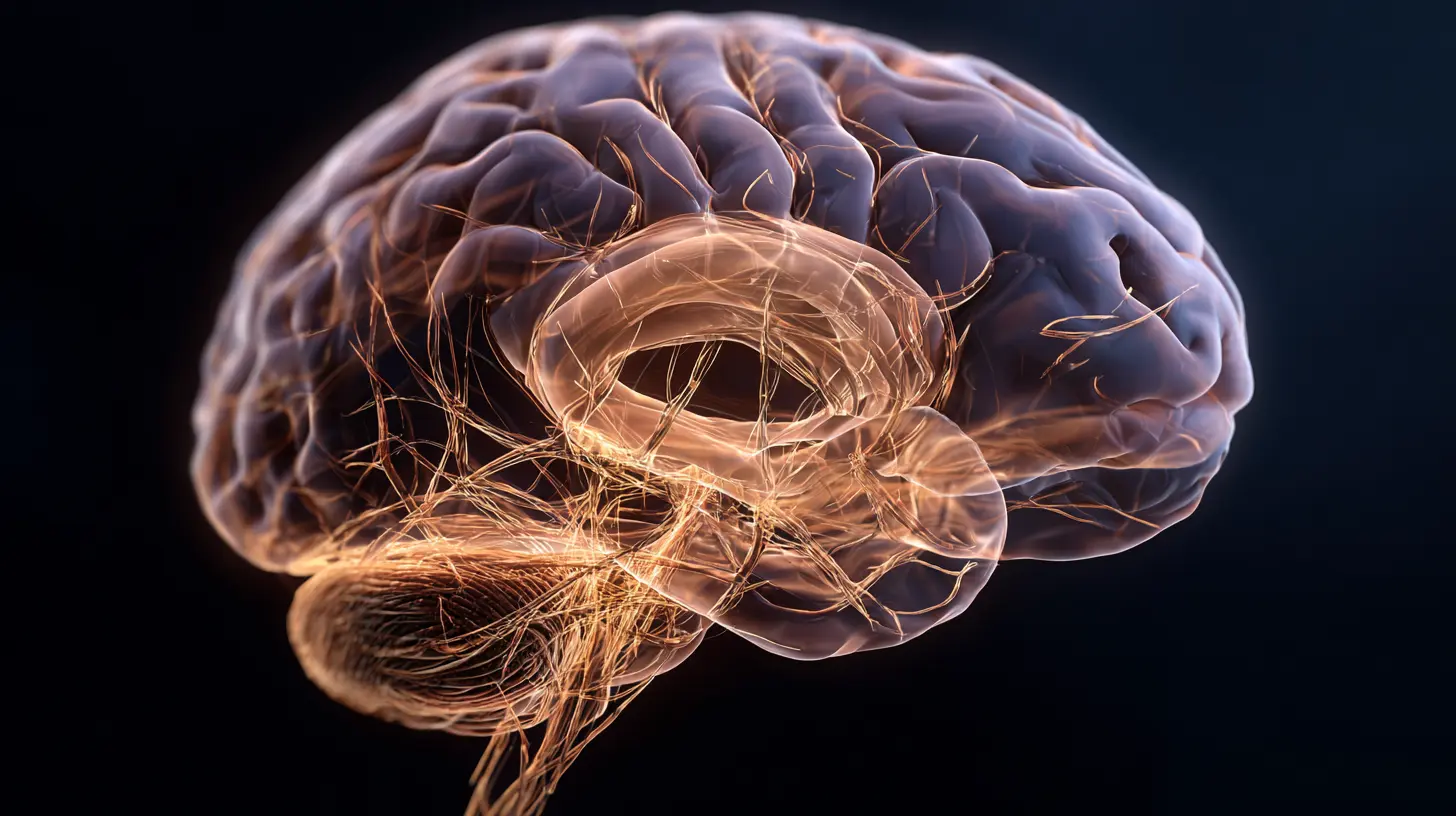
Dopamine and Motivation: The Drive to Achieve
Let’s face it: motivation can be a tricky beast. Some days you wake up ready to conquer the world, and other days, getting out of bed feels like climbing Mount Everest. So, what gives? A lot of it comes down to dopamine.How Dopamine Fuels Our Ambitions
Dopamine is often referred to as the “motivation molecule.” It’s what gets us off the couch and into action. When we set a goal—whether it’s a fitness target or a career milestone—our brain releases dopamine as we make progress. This creates a positive feedback loop: the more we achieve, the more motivated we feel to keep going.By 2027, harnessing the power of dopamine could revolutionize how we approach our goals. Imagine using apps or tools that help you track your progress and reward you with dopamine hits along the way. It’s like having a personal cheerleader, pushing you to reach new heights.
The Dark Side of Dopamine: Addiction and Compulsion
While dopamine is crucial for motivation and pleasure, it also has a darker side. The very mechanisms that drive us toward positive behaviors can also lead to negative outcomes. Addiction is a prime example.Understanding Dopamine Addiction
Addiction occurs when our brains become reliant on dopamine for pleasure. This can happen with substances like drugs or alcohol, but it can also occur with behaviors like gambling or excessive screen time. The cycle often goes like this: we seek a dopamine rush, indulge in the behavior, and then experience a crash, leading us to seek out the behavior again to feel better.As we approach 2027, it’s vital to recognize the fine line between healthy habits and compulsive behaviors. Understanding how dopamine functions in our brains can help us develop healthier coping mechanisms and make informed choices about our behaviors.
The Future of Dopamine Research
The field of neuroscience is evolving rapidly, and researchers are continuously uncovering new information about dopamine. By 2027, we can expect significant advancements in our understanding of how dopamine influences behavior, mental health, and even our relationships.Personalized Medicine and Dopamine
Imagine a future where treatments for mental health disorders are tailored specifically to your brain chemistry. With advancements in neuroscience, this could become a reality. Researchers are exploring how to manipulate dopamine levels to create more effective treatments for conditions like depression and ADHD.This personalized approach could change the game in mental health care. Instead of a one-size-fits-all treatment, we could have solutions designed to meet our individual needs. The potential for improvement is staggering!
Dopamine and Social Connections
In a world that often feels disconnected, dopamine plays a crucial role in our social interactions. The bonds we form with others can trigger dopamine release, making us feel happier and more fulfilled.The Importance of Community
As we move toward 2027, fostering social connections will be more important than ever. The pandemic has shown us how vital our relationships are for our mental health. Whether it’s through virtual meet-ups or in-person gatherings, nurturing our connections can provide those much-needed dopamine boosts.Think of it this way: just like a plant needs sunlight and water to thrive, we need social interactions to flourish. By prioritizing our relationships, we can create a supportive network that uplifts us and keeps our dopamine levels balanced.
Conclusion: Embracing the Dopamine Revolution
As we look ahead to 2027, it’s clear that dopamine will play a pivotal role in shaping our behaviors, mental health, and relationships. By understanding how this powerful neurotransmitter works, we can make informed choices that enhance our well-being.So, let’s embrace the dopamine revolution! Let’s be mindful of our habits, prioritize our mental health, and nurture our connections with others. The future is bright, and with a little help from dopamine, we can navigate it together.
all images in this post were generated using AI tools
Category:
Brain And BehaviorAuthor:

Matilda Whitley
Discussion
rate this article
2 comments
Sophie Mullen
Understanding dopamine's role can empower us to shape our choices and enhance well-being by 2027.
June 11, 2026 at 3:23 AM
Matilda Whitley
Absolutely, understanding dopamine can truly transform our decision-making and overall health. Exciting times ahead!
Cambria Nelson
This article insightfully highlights the evolving role of dopamine in shaping human behavior. As we navigate an increasingly digital world, understanding dopamine's influence on motivation and decision-making will be crucial. Addressing its implications can help us foster healthier habits and enhance overall well-being in the coming years.
April 22, 2026 at 3:50 AM
Matilda Whitley
Thank you for your thoughtful comment! I'm glad you found the insights on dopamine's evolving role relevant, especially in our digital age. Understanding this can indeed pave the way for healthier choices.