When Fear Becomes a Phobia: Understanding the Threshold
18 December 2025
Fear is a natural part of life. It helps us avoid danger, keeps us alert, and in some cases, even motivates us to take action. But what happens when fear becomes something more? When does fear cross the line and turn into a phobia? This isn’t just a question of semantics. The distinction between fear and phobia is the difference between manageable discomfort and life-altering anxiety.
In this article, we'll dive into the nuances of fear versus phobia, how to recognize when fear becomes a problem, and what you can do about it. So, let's break it down.

What is Fear?
Fear is a basic human emotion. It's our body’s way of alerting us to potential threats. Whether you're about to give a speech, see a spider crawling near your shoe, or hear thunder crashing during a storm, fear kicks in to help you respond to danger. It’s part of our "fight or flight" response—something hardwired into our biology.But here's the thing: fear is usually temporary. It comes, it serves its purpose, and then it fades away. You might feel your heart racing or your palms sweating in these moments, but once the threat is gone, your body calms down. In fact, fear can even be healthy. It helps us stay on our toes and avoid risky situations.
Types of Fear
There are all sorts of fears, and they vary from person to person. Some people are scared of snakes, while others might be terrified of public speaking. Common types of fear include:- Physical fears, like heights or water.
- Social fears, like rejection or embarrassment.
- Situational fears, like being in the dark or flying in an airplane.
Fear is subjective. What terrifies one person might not even phase another, and that's perfectly normal.

So, What’s a Phobia?
Now that we’ve got a grip on what fear is, let’s talk about its scarier cousin: phobia. A phobia is an intense, irrational fear of a specific object, situation, or activity. This isn’t just a "wow, that spider freaks me out" kind of feeling. It’s more like “I’ll avoid going outside for the rest of my life if it means I don’t have to see a spider.”The Key Differences Between Fear and Phobia
To clarify, phobias aren’t just exaggerated fears. They exist on a whole different level. While fear is temporary, a phobia is persistent. It doesn’t go away, even when the threat is long gone. Moreover, phobias are often disproportionate to the actual danger involved. For instance, many people with a fear of flying know that air travel is statistically safer than driving, but that logic doesn’t ease their anxiety.Here are some key differences:
- Intensity: Fear is manageable, while phobias feel overwhelming.
- Duration: Fear is short-lived, but phobias stick around.
- Irrationality: Phobias are often irrational; there’s no reasoning with them.
- Avoidance: Phobias can cause people to take extreme steps to avoid their triggers, even when it disrupts their daily lives.

When Does Fear Cross the Threshold?
You might be thinking, “Okay, but how do I know if it’s just fear or if I’m dealing with a phobia?” Here’s how you can tell the difference.1. The Fear is Out of Proportion
Let’s say you’re afraid of dogs. If you cross the street to avoid walking near a large dog, that’s a normal reaction. But if you refuse to leave your house because you’re scared you might encounter a dog, even though you live in a neighborhood where dogs rarely roam free, that’s a sign that the fear is out of proportion to the actual risk.With phobias, the response to fear is often extreme and irrational.
2. It Interferes with Your Daily Life
Fear is something you can usually push through. If you’re nervous about flying, you might still board the plane, albeit with sweaty palms. But a phobia can completely derail your life. You might avoid going on vacations, refuse job offers that require air travel, or make excuses to stay home.When fear starts limiting your ability to live your life freely, it may have crossed into phobia territory.
3. It’s Persistent
Fear typically comes and goes. You might feel a jolt of fear when you see a snake, but once it slithers away, you can relax. A phobia, on the other hand, doesn’t just vanish after the trigger is gone. The anxiety lingers. You may even spend a lot of time and energy worrying about encountering the source of your fear, even when it’s not present.4. Physical Symptoms Escalate
Fear can cause physical symptoms like a racing heart, sweating, or trembling. But in cases of phobia, these symptoms can escalate to a full-blown panic attack. Common symptoms of a phobic reaction include:- Rapid heartbeat (palpitations)
- Shortness of breath
- Dizziness or light-headedness
- Nausea
- Chest pain
- Feeling detached from reality
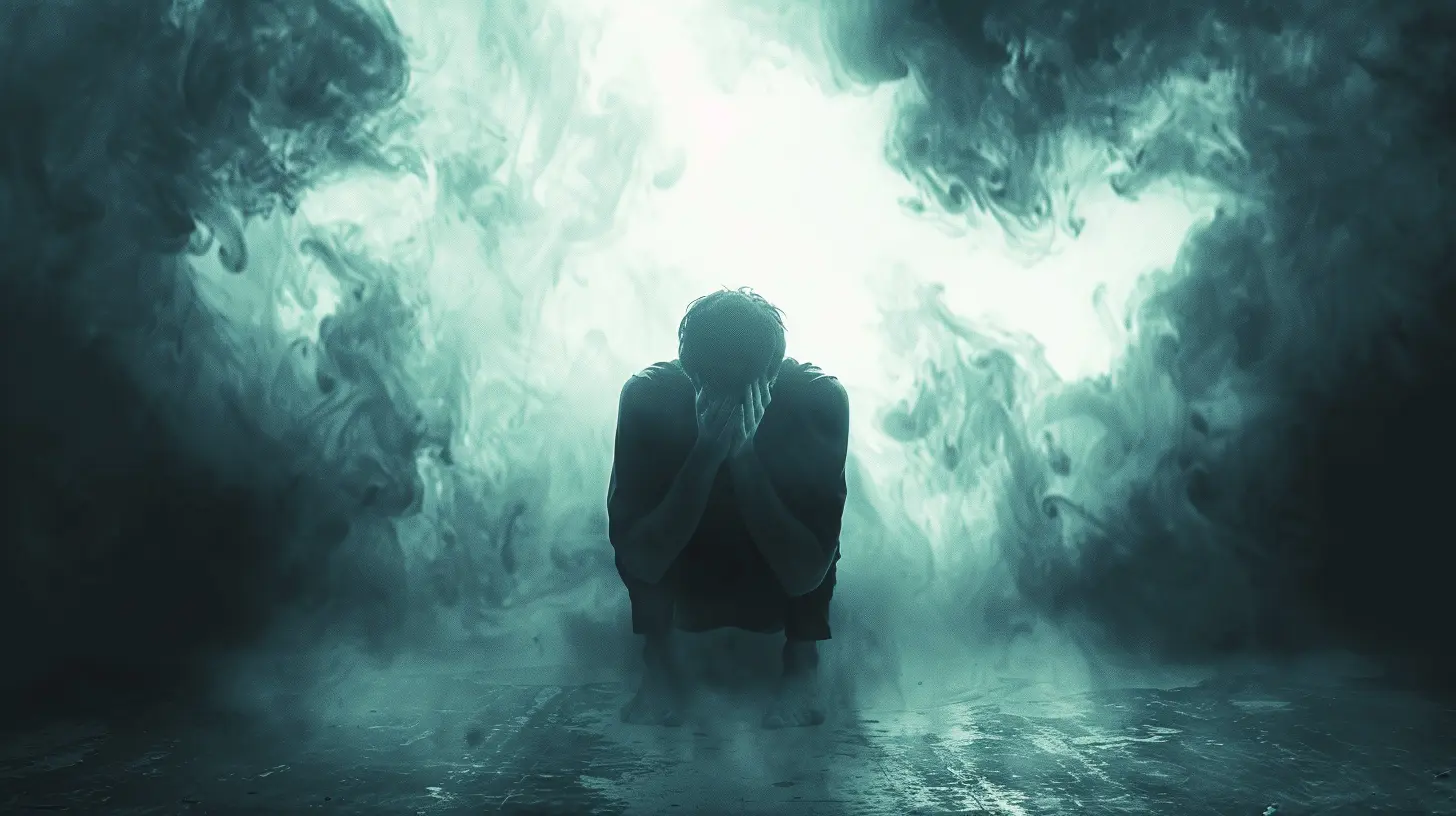
These symptoms can be so intense that they mimic a heart attack, which makes the experience even more terrifying.
Common Types of Phobias
Phobias can be as unique as the people who have them. However, some phobias are more common than others. Here’s a look at some of the most frequently diagnosed phobias:1. Agoraphobia
Agoraphobia is the fear of being in situations where escape might be difficult or help unavailable if something goes wrong. It’s often associated with panic disorder, where people fear having a panic attack in a public place. This can lead to avoiding crowded spaces, public transportation, or even leaving the house altogether.2. Social Phobia (Social Anxiety Disorder)
Social phobia, also known as social anxiety disorder, is the fear of social situations where you might be judged or embarrassed. It’s more than just being shy. People with social phobia may avoid speaking in public, attending parties, or even eating in front of others.3. Arachnophobia
Arachnophobia, the fear of spiders, is one of the most common specific phobias. While many people are uneasy around spiders, someone with arachnophobia will go to extreme lengths to avoid them. This fear can be so intense that even seeing a picture of a spider might trigger anxiety.4. Claustrophobia
Claustrophobia is the fear of being in confined spaces. Whether it's riding in an elevator or getting an MRI scan, people with claustrophobia may experience overwhelming anxiety in situations where they feel trapped.5. Acrophobia
Acrophobia is the fear of heights. While it’s normal to feel a bit uneasy looking over the edge of a tall building, someone with acrophobia may experience dizziness, nausea, and sheer terror at even moderate heights, like standing on a ladder.What Causes Phobias?
Phobias don’t always have a clear cause, but they can stem from several factors:1. Traumatic Experiences
Many phobias are rooted in past traumas. For instance, someone who was bitten by a dog as a child might develop a lifelong fear of dogs.2. Learned Behaviors
Sometimes, phobias are learned. If you grew up with a parent who was deathly afraid of flying, you might internalize that fear as your own.3. Genetics and Biology
There’s also evidence that phobias can be hereditary. If your family members have anxiety disorders or phobias, you might be more susceptible. Additionally, our brains are wired to react strongly to certain stimuli, like heights or dangerous animals, enhancing the evolutionary preservation of these fears.
How Are Phobias Treated?
The good news is, phobias are treatable. You don’t have to live in constant fear. There are several effective treatments available:1. Cognitive Behavioral Therapy (CBT)
CBT is one of the most effective treatments for phobias. It helps you identify and challenge irrational thought patterns that contribute to your fear. Over time, this approach can help reduce anxiety and make phobic situations more manageable.2. Exposure Therapy
Exposure therapy involves gradually and systematically exposing you to the object or situation you fear—under controlled conditions, of course. The idea is that repeated exposure helps desensitize you, reducing the fear response over time.3. Medication
In some cases, medication might be prescribed to manage the symptoms of phobias, especially if they result in panic attacks. Antidepressants or anti-anxiety medications can help reduce the intensity of the fear response, making it easier to engage in therapy.4. Relaxation Techniques
Techniques like deep breathing, meditation, and progressive muscle relaxation can help calm the physical symptoms of a phobic reaction. These practices can be particularly helpful during exposure therapy.Conclusion
Fear is a part of being human, but when that fear becomes all-consuming and irrational, it might be time to seek help. Phobias can significantly impact your quality of life, but the key thing to remember is that they are treatable. Whether through therapy, medication, or relaxation techniques, you don’t have to let phobias control your life.So, the next time you feel fear creeping in, ask yourself: Is this something I can manage, or is it time to get professional help? Recognizing the difference between fear and phobia is the first step toward taking control.
all images in this post were generated using AI tools
Category:
PhobiasAuthor:

Matilda Whitley
Discussion
rate this article
2 comments
Azurael McCollum
Understanding the difference between fear and phobia is crucial for effective treatment; early intervention can significantly improve outcomes for those affected.
December 26, 2025 at 3:59 AM
Matilda Whitley
Thank you for your insightful comment! I completely agree; distinguishing between fear and phobia is vital for effective treatment and better outcomes. Early intervention is key!
Oriel McVicar
This article effectively clarifies the distinction between normal fear and phobia, emphasizing the impact on daily life while offering valuable insights into managing and understanding these feelings.
December 22, 2025 at 5:50 AM
Matilda Whitley
Thank you for your thoughtful comment! I’m glad you found the article helpful in distinguishing between fear and phobia.