Virtual Reality Therapy for Phobias in 2026
15 April 2026
Let’s be honest for a second. The thought of facing a deep-seated fear—whether it’s the heart-pounding terror of heights, the skin-crawling dread of spiders, or the suffocating panic of a crowded room—is enough to make anyone want to pull the covers over their head. For decades, the gold standard for treating phobias has been exposure therapy. It’s effective, but let’s face it: the idea of actually holding a tarantula or standing on the edge of a skyscraper balcony as part of treatment can feel like a mountain too steep to climb. What if you could conquer that mountain from the safety of your therapist’s office, or even your living room? Enter the world of Virtual Reality Therapy (VRT). And by 2026, this isn’t just a promising tech demo; it’s a refined, accessible, and profoundly human-centered revolution in mental health care.
So, what exactly is waiting for us in 2026? Buckle up (or should I say, put on your headset?), because we’re about to take a journey into a future where healing from phobias is more personalized, empowering, and supported than ever before.
Beyond the Goggles: VRT in 2026 is an Ecosystem of Healing
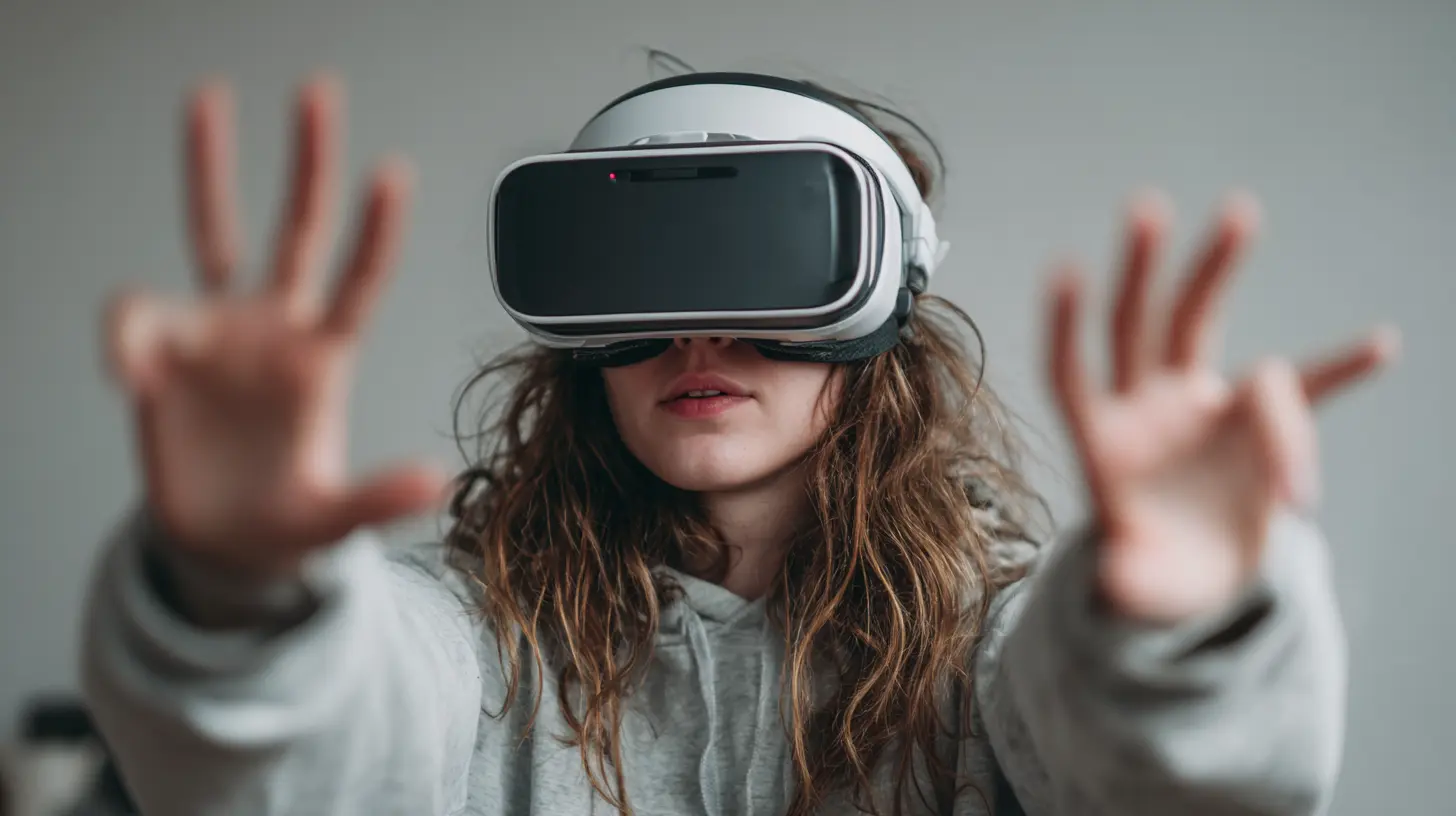
Remember the clunky VR headsets of the past? The ones that felt like strapping a brick to your face? Throw that image out. By 2026, VR technology for therapy is sleek, comfortable, and almost indistinguishable from putting on a pair of high-tech sunglasses. The “screen door effect”—that grainy mesh you used to see—is a distant memory. We’re talking about hyper-realistic, high-fidelity environments that your brain accepts, almost without question, as real. This isn’t just about better graphics; it’s about presence. And presence is the magic ingredient.When you stand on a virtual plank extending from a 100-story building, your palms will sweat. Your heartbeat will quicken. Your brain and body are fully convinced, which means the therapeutic process—facing the fear, practicing coping skills, and learning that you are safe—is incredibly potent. But here’s the 2026 twist: it’s all happening in a space where you and your therapist have ultimate control. Feeling overwhelmed? You can pause, lower the intensity, or instantly step back into the calming virtual office. It’s exposure therapy with a safety net made of code and compassion.
The Heart of the System: Your AI Co-Therapist
This is where things get really interesting. In 2026, VRT isn’t a solitary experience guided by a pre-recorded program. It’s a dynamic partnership between you, your human therapist, and an AI co-therapist. Think of this AI not as a replacement for human connection, but as a supremely attentive and data-driven assistant.While you’re in the virtual environment, biometric sensors woven into the headset or a simple wristband are quietly at work. They’re monitoring your heart rate variability, skin conductance (sweat), and even subtle facial expressions. The AI processes this data in real-time. If it detects signs of escalating panic beyond a productive therapeutic range, it can gently intervene. It might dim the intensity of the scenario, prompt you with a breathing exercise in your ear, or suggest you verbalize what you’re feeling.
Most importantly, it provides your human therapist with a rich, objective dashboard of your physiological responses. After a session, your therapist isn’t just relying on your subjective report (“That was scary!”). They can see the precise moment your anxiety spiked when the virtual spider moved, and when your relaxation techniques truly brought you back to calm. This allows for unbelievably precise session planning. It’s like having a map of your fear landscape, with every hill and valley charted, so your therapist can guide you on the most effective path to the summit of recovery.
Tailoring the World: Phobia-Specific Environments in 2026
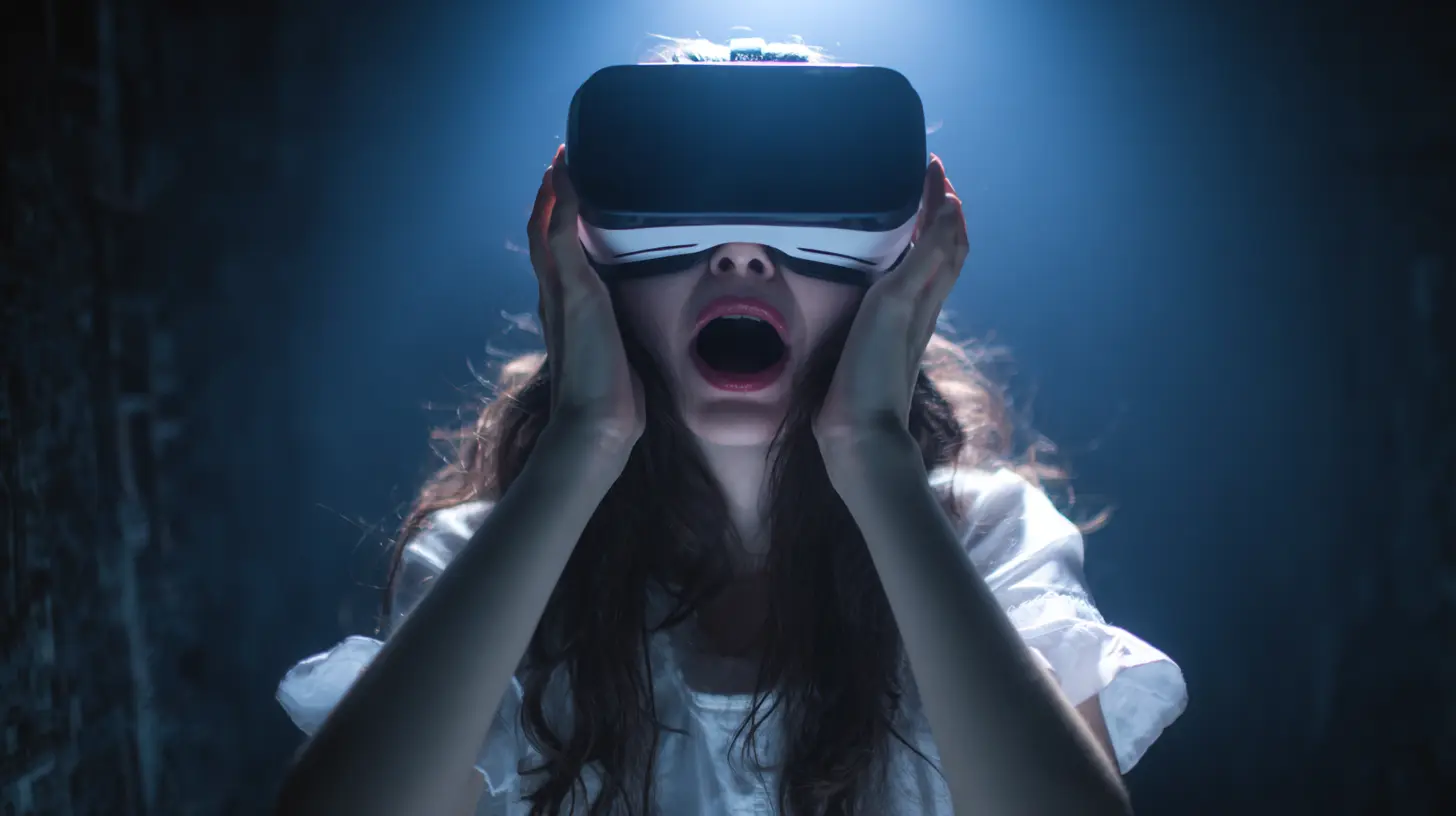
The generic “flying over a city” simulation is a thing of the past. By 2026, VRT platforms offer vast, nuanced libraries of environments tailored to specific phobias and, more importantly, to your personal life.* For Social Anxiety & Agoraphobia: You won’t just enter a generic “party.” You’ll be able to customize the scenario. Is it a work networking event, a friend’s crowded wedding, or a busy grocery store? You can adjust the number of avatars, their perceived friendliness, and even script specific social interactions you find daunting, like ordering a coffee or giving a presentation. The AI-driven avatars will respond to your verbal cues and body language, providing a safe space to practice social skills.
* For Fear of Flying (Aviophobia): The journey is comprehensive. It starts in a virtual living room, booking the ticket. Then, packing, traveling to the airport, navigating check-in and security (with friendly or slightly impatient virtual agents), waiting at the gate, and finally, boarding the plane. You can experience taxiing, takeoff, turbulence of varying intensities, and landing—all while practicing grounding techniques in your virtual seat, 1A.
* For Specific Phobias (Spiders, Dogs, Needles, etc.): The level of control is exquisite. For arachnophobia, you might start with a static, cartoonish image of a spider across the room. With each success, the spider becomes more realistic, begins to move, comes closer, or you might even be tasked with virtually guiding it into a cup. The key is the hierarchical exposure—a staircase of fear you climb at your own pace, with each step designed by you and your therapist.
The Bridge to Reality: Mixed Reality Integration
Perhaps one of the most groundbreaking advancements by 2026 is the seamless blend of Virtual Reality (VR) and Augmented Reality (AR), known as Mixed Reality (MR). This is the game-changer for generalization—taking the skills from the therapist’s office into your real world.Imagine this: You’ve mastered your fear of dogs in VR, interacting with a hyper-realistic virtual Labrador. The next step isn’t immediately going to a dog park. Instead, you put on your sleek MR glasses. As you walk down your real street, your therapist, in a remote session, can gently introduce a calm, virtual dog into your actual field of view. It walks on the sidewalk beside you, controlled by your therapist. It’s there, but it’s not. This allows you to practice your coping skills in context, building a bridge of confidence between the safety of the virtual and the challenges of the real. It’s like training wheels for your courage.
The Human Touch in a Digital Age: The Therapist’s Enhanced Role
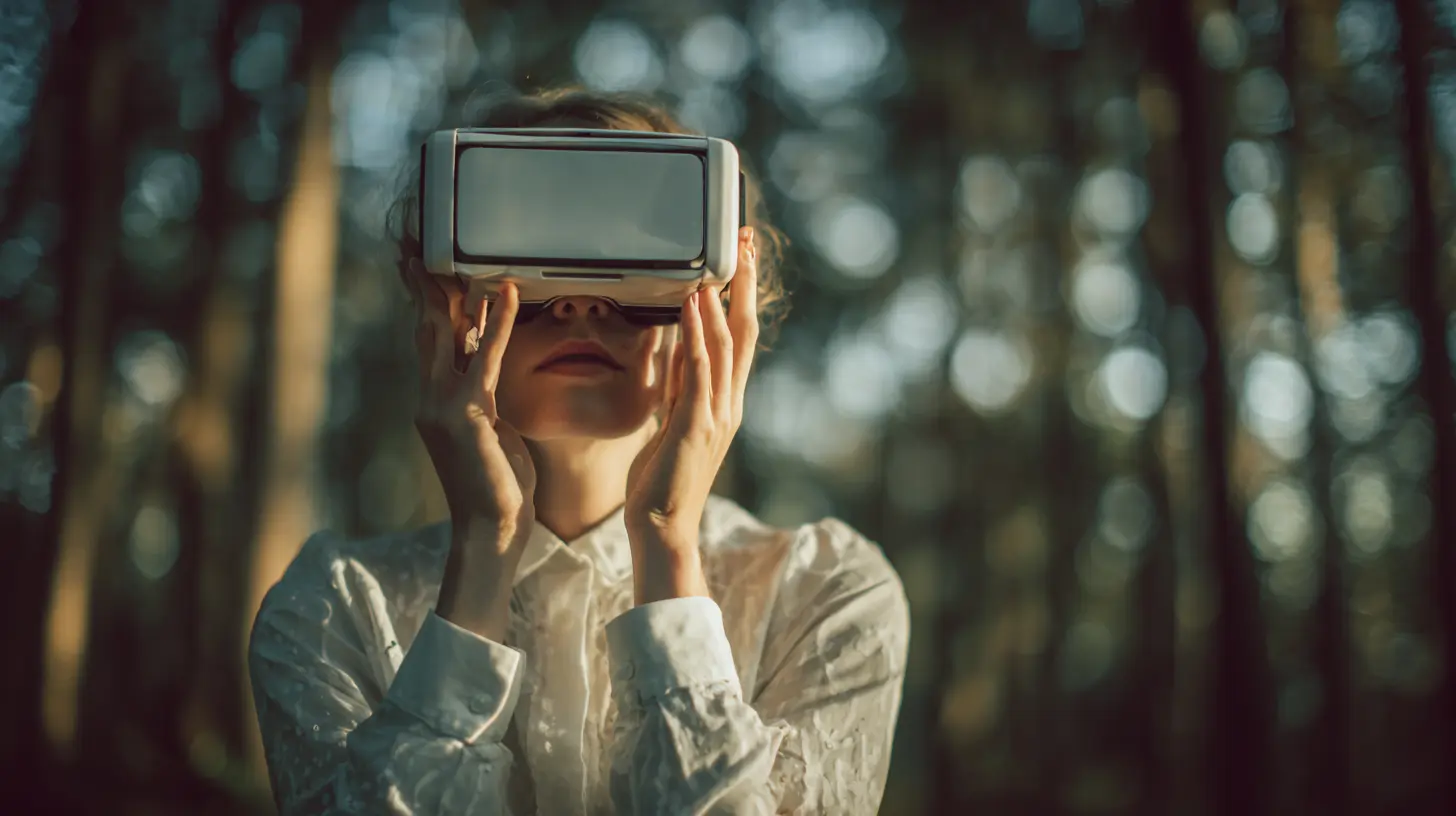
A common fear is that technology will dehumanize therapy. In 2026, the opposite is true for VRT. The technology acts as a force multiplier for the therapeutic alliance. The therapist transitions from just a guide to a masterful conductor of experiences.They have a “director’s console” for your virtual world. They can control every element—introducing a sudden thunderstorm during a flight simulation, making a virtual audience member cough during a speech, or instantly freezing the scene to process a moment of panic. Their expertise is now channeled into crafting the most impactful healing narrative for you. They are there to debrief, to help you make sense of your physiological data, to celebrate your victories (no matter how small in the virtual world, they are huge for your brain), and to provide the irreplaceable warmth, empathy, and human connection that no AI ever could.
Accessibility and the Democratization of Care
This is perhaps the most hopeful aspect. By 2026, the cost of high-quality VR/MR hardware has dropped significantly, following the trend of all consumer technology. While in-person therapy with VRT will be widespread, we’re also seeing a boom in telehealth-integrated VRT. You can rent or subscribe to a certified therapeutic headset at home. Your therapist can then guide your sessions remotely, loading environments, monitoring your biometrics, and communicating with you through built-in audio.This shatters barriers. It brings expert phobia treatment to rural areas, to people with mobility issues, or to anyone whose phobia makes leaving the house the first impossible hurdle. The therapy comes to you, in your safest space, making that first brave step so much easier to take.
Looking Ahead: A Brave New World of Mental Wellness
Virtual Reality Therapy for phobias in 2026 is more than a treatment; it’s a paradigm shift. It represents a future where we use our most advanced technology not to escape reality, but to better engage with it. It’s a future where facing your fears is done with precision, support, and an unprecedented level of safety and control.The journey through a phobia is often described as walking through a dark tunnel. In 2026, VRT doesn’t just give you a flashlight; it gently illuminates the entire path, walks beside you with intelligent support, and even allows you to practice navigating the obstacles before you ever encounter them in the dark. It’s a powerful, positive, and profoundly human tool—and it’s ready to help us all step more bravely into the world.
all images in this post were generated using AI tools
Category:
Fear And PhobiasAuthor:

Matilda Whitley
Discussion
rate this article
2 comments
Marie Cox
Thank you for this insightful article! It's inspiring to see how virtual reality therapy is evolving to help those struggling with phobias. Excited for the future!
April 25, 2026 at 4:40 PM
Odessa McGuffin
Who knew battling spiders could be as simple as a headset and a sprinkle of VR magic? Fear has met its match!
April 16, 2026 at 4:16 AM
Matilda Whitley
Thanks for your comment! VR really does transform how we face fears. Exciting times ahead!