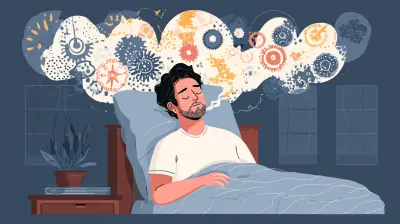
Using Positive Psychology to Build Emotional Resilience
3 December 2025
Let’s face it—life throws curveballs. Sometimes, they come whizzing by when we least expect them. From job stress and relationship roadblocks to personal failures, we all face moments that test our emotional strength. But what if I told you there’s a science-backed way to navigate through all that chaos with more grit and grace?
That’s where positive psychology steps in. Nope, it’s not about slapping on a fake smile or pretending everything is sunshine and rainbows. It’s about tapping into the strengths already within you—like optimism, gratitude, and hope—to build real, lasting resilience. So, grab your favorite cup of tea (or coffee—I’m not judging), get comfy, and let’s dive into how positive psychology can help you toughen up emotionally without hardening your heart.
What is Positive Psychology (And Why Should You Care?)
Before we dig deeper, you might be wondering—what exactly is positive psychology?In simple terms, positive psychology is the scientific study of what makes life worth living. Instead of focusing solely on mental illness, it shines a spotlight on happiness, strength, character, and the potential for growth. Think of it as psychology’s optimistic sibling—the one that cheers you on when things get rough.
Unlike the traditional model that zooms in on what's "broken," positive psychology asks, "What’s right with you?" It centers around cultivating your signature strengths and fostering traits like gratitude, compassion, and resilience to improve your overall well-being.
Sounds refreshing, doesn’t it?
Emotional Resilience: Your Inner Bounce-Back Muscle
Let’s talk about emotional resilience—your secret superhero skill.At its core, emotional resilience is your ability to bounce back from adversity, stress, trauma, or disappointment. Picture a rubber band. The best ones stretch with pressure but snap back into shape. That’s what emotional resilience does for your mental health. And no, it’s not about being tough as nails. It's about being flexible, adaptive, and kind to yourself during tough times.
Most of us aren’t born with unshakable resilience. But the good news? We can build it—just like a muscle. And positive psychology gives us the gym membership we need.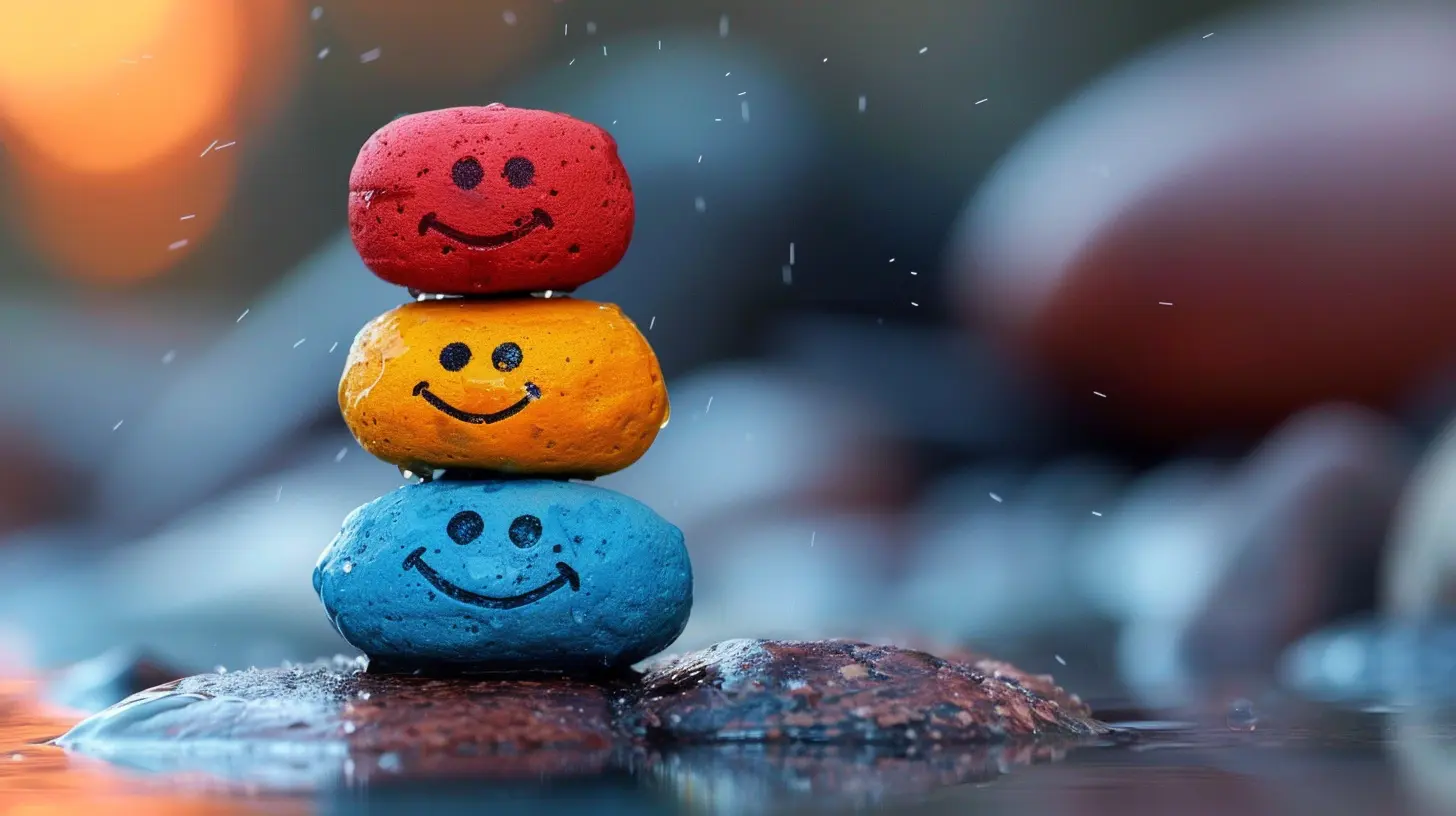
How Positive Psychology Builds Emotional Resilience
Let’s break this down into digestible, practical nuggets. Here’s how the power of positive psychology actually helps you build resilience:1. Practicing Gratitude: The Antidote to Negativity
I know, I know. Writing down “three things you’re grateful for” sounds like something straight out of a self-help book. But hear me out.Gratitude rewires your brain. When you make a habit of recognizing the good—even tiny things like a warm meal or a stranger’s smile—you gradually shift your perspective away from doom and gloom. This doesn’t mean you ignore your pain. It means you’re training your brain to also see the light in the dark.
🧠 Quick Tip: Keep a gratitude journal. Every night, jot down three things that made you smile. The more specific, the better. “My dog wagged his tail when I walked in” packs more emotional punch than “I’m grateful for my dog.”
2. Reframing Negative Thoughts
Our brains are natural drama queens. Left unchecked, they’ll spiral into worst-case scenarios faster than you can say “meltdown.” But positive psychology teaches us the power of cognitive reframing.Instead of thinking, “I failed that presentation, I’m a total disaster,” try, “That presentation didn’t go as planned, but it’s a learning experience.”
Switching the narrative doesn’t erase what happened—it changes your relationship to it.
🎯 Pro Tip: When you catch yourself spiraling, pause and ask, “Is this thought helping me or hurting me?” That simple question can pivot your mindset.
3. Cultivating Optimism (The Realistic Kind)
Let’s get one thing straight: We’re not talking toxic positivity here. Optimism isn’t about ignoring pain. It’s about believing that things can get better, even if they’re tough now.Optimists tend to see setbacks as temporary, specific, and manageable. Pessimists, on the other hand, see them as permanent, pervasive, and personal.
Here’s the juicy bit—optimism can be learned. With practice, you can start seeing possibilities instead of just problems.
🛠 Try This: Each time something goes wrong, write down what happened, how you feel, and one possible upside. It might be hard at first, but your brain will get better at it. Like, “I missed the job promotion, but now I can explore other roles that align more with what I actually want.”
4. Building Strong Social Connections
Surprise: relationships matter. Like, big time.Humans are wired for connection, and positive psychology emphasizes the importance of nurturing relationships that uplift you. When you're surrounded by people who support you, it becomes easier to weather life’s storms.
But it’s not just about having friends—it’s about quality over quantity. Deep, genuine connections build emotional buffers, helping you feel seen, safe, and supported.
💬 Connection Tip: Make it a point to have real conversations. Ask your loved ones how they’re really doing. Celebrate their wins. Comfort them in losses. The stronger your relationships, the stronger your resilience.
5. Engaging in Strength-Based Practices
One of the coolest things about positive psychology? It focuses on identifying and using your unique strengths.We all have personal superpowers—whether it’s creativity, empathy, humor, or perseverance. When we know and harness these strengths, we feel more empowered and confident, even during tough times.
🧩 Self-Discovery Tool: Try the VIA Character Strengths Survey (it’s free and science-backed). Once you know your top strengths, brainstorm ways to use them in daily challenges.
For example, if ‘curiosity’ is a top trait, approach stress as a puzzle. If ‘kindness’ is your jam, redirect your focus by helping others—it’s a win-win for resilience.
Real Talk: Resilience Doesn’t Mean Never Struggling
Here’s the thing: building resilience doesn’t mean you won’t feel down, anxious, or overwhelmed. It simply means those emotions won’t paralyze you. You’ll have the tools to cope, adapt, and move forward—even if you do it one tiny step at a time.Resilient people aren’t bulletproof—they’re just a little more bounce-proof. They fall, but they get up. They cry, but they carry on. And positive psychology gives us the mindset hacks and emotional scaffolding to do the same.
The Role of Mindfulness in Positive Psychology
You’ve probably heard all the buzz about mindfulness. But here's the real kicker: mindfulness plays a starring role in both positive psychology and emotional resilience.Mindfulness helps you stay present, reduce reactivity, and make more intentional decisions. Rather than getting stuck in the past or spiraling about the future, you learn to take life moment by moment.
🧘♂️ Try This: The next time you're overwhelmed, do a simple "5-4-3-2-1" grounding exercise. Name:
- 5 things you can see
- 4 things you can touch
- 3 things you can hear
- 2 things you can smell
- 1 thing you can taste
It brings your body and brain back into the here-and-now, which helps your inner calm rise to the surface.
Positive Rituals for Resilience
Let’s be honest—everything we’ve talked about sounds great, but life can get busy. You need practical, doable rituals to integrate this into your everyday life.Here are a few mini habits that pack a big resilience punch:
- Gratitude mornings: Start your day with one thing you’re thankful for.
- Evening reflection: Ask yourself, “What went well today?”
- Strength check-ins: Choose one strength to focus on each week.
- Kindness acts: Do one small thing for someone else, every day.
- Joy breaks: Schedule 10 minutes daily to do something that makes you smile.
These aren’t major life overhauls—but over time, they shift your emotional baseline toward resilience.
When to Seek Extra Help
While positive psychology offers awesome tools, it’s not a substitute for professional therapy when life feels overwhelming. If you’re dealing with trauma, depression, or anxiety that doesn’t go away, reaching out to a mental health professional is a strength—not a weakness.Think of positive psychology as your backpack of tools. Sometimes, you still need a guide to help you navigate the rough terrain. And there’s absolutely no shame in that.
Final Thoughts: You’re More Resilient Than You Think
Here’s the bottom line: resilience isn’t just for the naturally upbeat or endlessly optimistic. It’s for people like you and me—flawed, fabulous, and totally capable of change.By tapping into the principles of positive psychology, you're not avoiding the storms of life. You're learning how to dance in the rain, armed with hope, gratitude, and a sense of purpose.
So next time life throws a punch, take a deep breath, lean into those strengths, and remember—your bounce-back game is strong.
You've got this.
all images in this post were generated using AI tools
Category:
Emotional ResilienceAuthor:

Matilda Whitley
Discussion
rate this article
1 comments
Zaren McCall
Thank you for sharing this insightful article on positive psychology and emotional resilience! Your tips on fostering a positive mindset are truly inspiring. I appreciate how you highlight the importance of embracing challenges as opportunities for growth. Looking forward to implementing these strategies in my own life!
December 4, 2025 at 6:01 AM
Matilda Whitley
Thank you for your kind words! I'm glad you found the article helpful and inspiring. Best of luck on your journey to building emotional resilience!