Unraveling the Mystery of Psychosomatic Pain
6 April 2026
Let’s be real — our minds and bodies are in a relationship that’s more complicated than a soap opera plot. Sometimes your body aches, your back gives out, or your stomach stages a full-blown protest... and guess what? There’s not a single physical cause in sight. Welcome to the fascinating (and often frustrating) world of psychosomatic pain.
Before you roll your eyes and think, “So, it’s all in my head?”, pause right there. Psychosomatic pain is very real — and you’re absolutely not making it up. It's not imaginary or dramatic, it’s just your mind sending out some intense emails to your body, using pain as the subject line.
So, grab a cozy drink, snuggle in, and let's unravel this mysterious knot of brain-body communication, one light-hearted but eye-opening thread at a time.
What Exactly Is Psychosomatic Pain?
Let’s not overcomplicate it. "Psychosomatic" comes from two Greek words: psyche (mind) and soma (body). So, psychosomatic literally means "mind-body." Basically, it's when emotional or psychological stress causes physical symptoms.Ever had butterflies in your stomach before a big presentation? Or felt tension headaches after a drama-filled day? That’s your body reacting to your emotions. Now imagine those responses getting dialed up to 100 — that's psychosomatic pain.
It’s the nervous system’s way of saying, “Hey! Something’s wrong emotionally, and I don’t know how else to tell you!”
Wait, So... Is It All Just Stress?
Bingo! Well, not just, but stress and unresolved emotions are huge players. Think of stress as the noisy upstairs neighbor who stomps around and keeps your body from getting any peace.Chronic stress, anxiety, trauma, and even repressed emotions can create a kind of short-circuit in the nervous system. The result? Your brain can amplify sensations of pain — even when nothing physical is broken.
It’s like a fire alarm going off when there’s no smoke, just a slightly burnt piece of toast.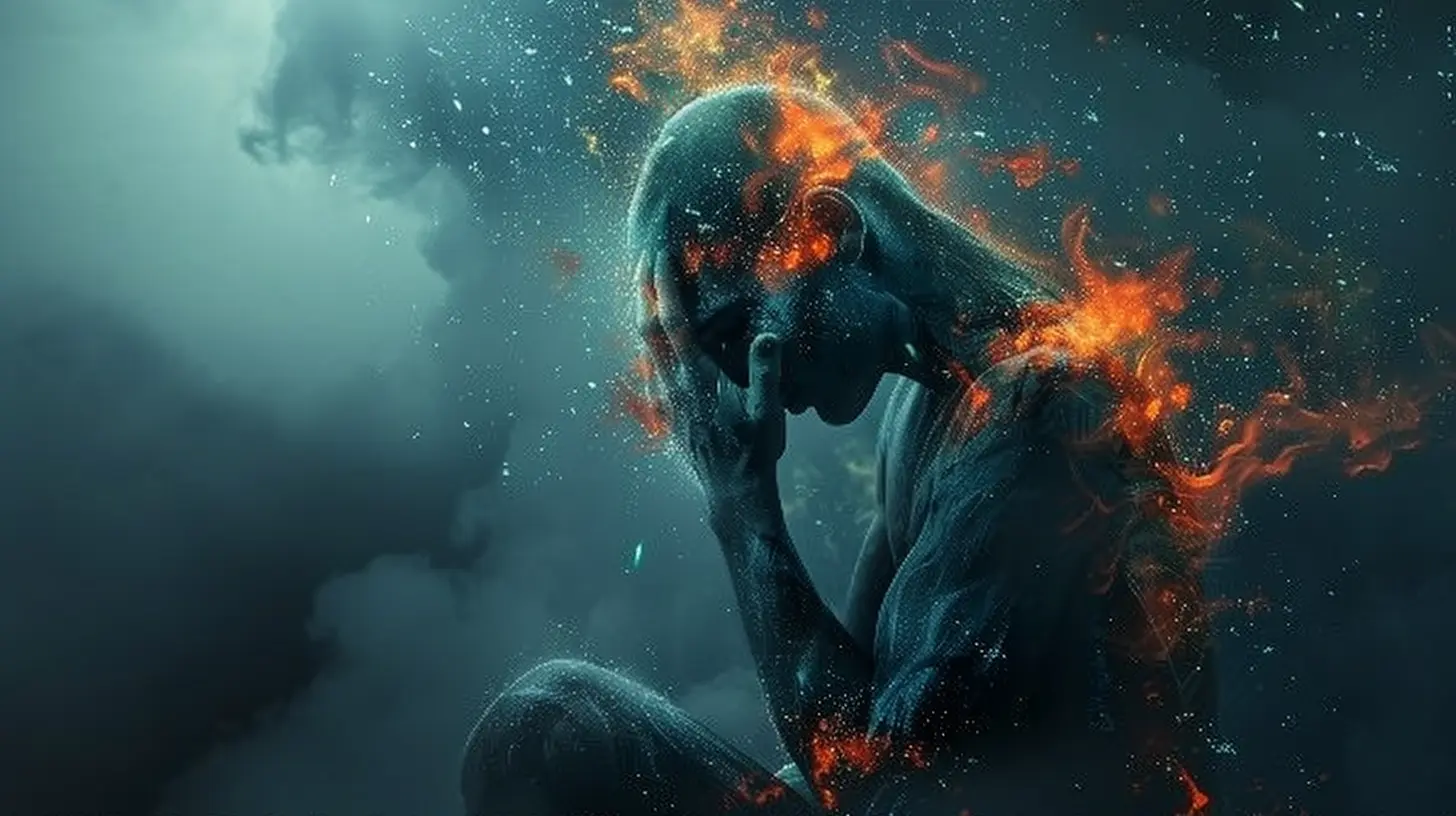
Common Types of Psychosomatic Pain — You’re Not Alone!
Psychosomatic pain can show up like an uninvited guest in many parts of your body. Here are some usual suspects:- Headaches and migraines
- Back or neck pain
- Stomach issues (hello, IBS!)
- Muscle tension or soreness
- Chest pain (scary, but common!)
- Fatigue and general aches
It’s like your body has an emotional to-do list and is checking things off one pain at a time.
So… How Does the Brain Pull This Off?
Okay, let’s geek out for a second (but in a fun way).Your brain’s job is to protect you, right? When it senses danger — including emotional distress — it can activate the fight-or-flight response. Adrenaline kicks in, heart races, muscles tense. This is great if you're running from a bear. Not so great if you're balancing deadlines and emotional baggage.
Here’s where it gets tricky. If emotional stress becomes chronic, your brain might keep pressing the "pain" button, even though there’s no physical injury. It’s kind of like a toddler smashing buttons on a remote control — chaos happens.
Some scientists say the brain creates a pain "memory" and keeps replaying it, even when the original cause is long gone. Again, it’s your brain trying to help — but this time, it might be a little overprotective.
It's Real Pain – No Faking Here
Let’s make something super-duper clear: psychosomatic pain is real pain. It’s not fake. It’s not you being “dramatic.” It’s just coming from a different origin.Pain isn’t always caused by a stubbed toe or a pulled muscle. Sometimes it’s caused by emotional overload or trauma that hasn’t been dealt with. And instead of screaming for help, your emotions whisper in aches and twinges.
You wouldn’t ignore a physical injury, right? So don’t ignore psychosomatic symptoms either. They’re just as worthy of compassion and care.
Why Does Psychosomatic Pain Stick Around?
Ah, the million-dollar question.Psychosomatic pain is stubborn. It often lingers because the root cause — emotional or psychological stress — hasn’t been healed. It’s like trying to stop a leaky faucet with duct tape instead of fixing the pipe underneath.
Plus, our brains love patterns. If it "learned" to express stress through back pain, it might keep doing that. Over time, these pain pathways become reinforced, like a bad habit you can't shake.
Breaking the Cycle: Can Psychosomatic Pain Go Away?
Absolutely! But (and there’s always a but), it usually takes more than popping painkillers or ignoring it.Here are some tried-and-true ways to tackle it:
1. Mind-Body Therapies
Start tuning into the root cause — the emotional stuff. Practices like:- Cognitive Behavioral Therapy (CBT)
- Somatic Experiencing
- Mindfulness and Meditation
- Biofeedback
- Expressive writing or journaling
These help you connect the dots between your experiences and your symptoms — and more importantly, release the emotional energy that’s been trapped.
2. Movement-Based Healing
Think yoga, tai chi, or even gentle walks. Movement releases endorphins and helps reset the nervous system. Plus, it gets you back in touch with your body, not as an enemy, but as your partner in healing.3. Self-Compassion & Validation
Oh yes, this one matters. Be kind to yourself. Acknowledge that your pain is real, but also that healing is possible. Picture yourself as a friend going through this — you’d never tell them to "just get over it", right?Busting the Stigma: You're Not Crazy
Let’s kill the myth once and for all: Having psychosomatic pain does not mean you're "crazy." It means you're human.We all carry emotional baggage — some heavier than others. And sometimes, when we don’t unpack it, our body does it for us in the form of pain.
The more we talk about this, the more we normalize it. And that’s a big deal because shame and secrecy just add more weight to the pain. So go ahead, talk to a therapist, share your story, or at least journal it out.
Real Talk: My Pain, My Story
Let’s get a bit personal, shall we?I once had a phase where my neck and shoulders felt like they were made of cement. I tried everything — new pillows, massages, stretching, chugging water like a fish. Nothing worked.
Turns out, I was emotionally exhausted. I had been carrying around unspoken stress like a backpack full of bowling balls. Once I finally opened up to a therapist, started journaling, and gave myself permission to actually rest, the pain eased up.
It wasn’t magic — it was just me finally listening to what my body had been trying to say.
When to Seek Help (And From Whom)
If you’re dealing with chronic pain that doctors can’t explain, it might be time to look beyond the physical. That doesn’t mean ditching your doctor — in fact, working with both medical professionals and mental health experts is the best combo.Here’s who might help:
- Psychologists or therapists who specialize in chronic pain
- Psychiatrists (if needed)
- Somatic practitioners
- Pain specialists familiar with psychosocial models
Don’t be afraid to mix approaches. Healing isn’t one-size-fits-all.
You’re Not Broken — You’re Just Wired Differently
Here’s a little truth bomb: Having psychosomatic symptoms doesn’t make you broken. It doesn’t mean you’re weak or too sensitive.It means your brain and body are trying to communicate through the only language they both understand: sensation. And if you’ve been ignoring those emotional messages — don’t worry. You can still hit "read" on those emails. It's never too late.
Final Thoughts: Give Yourself a Break (Literally and Figuratively)
Unraveling the mystery of psychosomatic pain isn’t about blaming the brain or dismissing the body. It’s about recognizing that you are a super-complex, deeply connected being with emotions that matter.So be gentle with yourself. Healing doesn’t happen overnight, and it’s not linear. Some days you’ll feel like a superhero. Other days you’ll feel like a soggy noodle. Both are okay.
At the end of the day, your pain has a message — and maybe, just maybe, listening to it is the first step to setting yourself free.
all images in this post were generated using AI tools
Category:
Psychosomatic DisordersAuthor:

Matilda Whitley
Discussion
rate this article
2 comments
Cooper Nelson
Mind over matter? More like mind over shoulder pain!
April 23, 2026 at 3:50 AM
Matilda Whitley
It's interesting how our mind can influence physical sensations. Understanding that connection can be key to addressing pain.
Luella Oliver
What a fascinating exploration of psychosomatic pain! Understanding the mind-body connection can truly empower us to heal. Thanks for shedding light on this important topic!
April 11, 2026 at 2:57 AM
Matilda Whitley
Thank you for your thoughts! I'm glad you found the exploration valuable. Understanding this connection is key to healing.