The Science of Psychosomatic Healing: How the Brain Influences Recovery
3 July 2026
Have you ever noticed how stress or anxiety can make you physically sick? Or how a positive attitude can speed up healing? That’s the power of psychosomatic healing—the fascinating connection between the brain and the body in recovery.
The mind isn’t just a passive observer of our health; it plays a crucial role in shaping our physical well-being. In this article, we’ll deep-dive into the science behind psychosomatic healing, how the brain influences recovery, and practical ways you can harness this connection to boost your health.

What Is Psychosomatic Healing?
Psychosomatic healing refers to the way our thoughts, emotions, and beliefs can influence physical health. The term “psychosomatic” comes from the Greek words psyche (mind) and soma (body), emphasizing the link between mental and physical states.This doesn’t mean illnesses are "all in your head." Instead, it highlights how emotional and psychological factors can trigger or worsen physical symptoms—or, conversely, promote healing.
For instance, chronic stress can lead to high blood pressure, digestive issues, and a weakened immune system. On the flip side, practices like meditation and positive thinking can help the body heal faster.
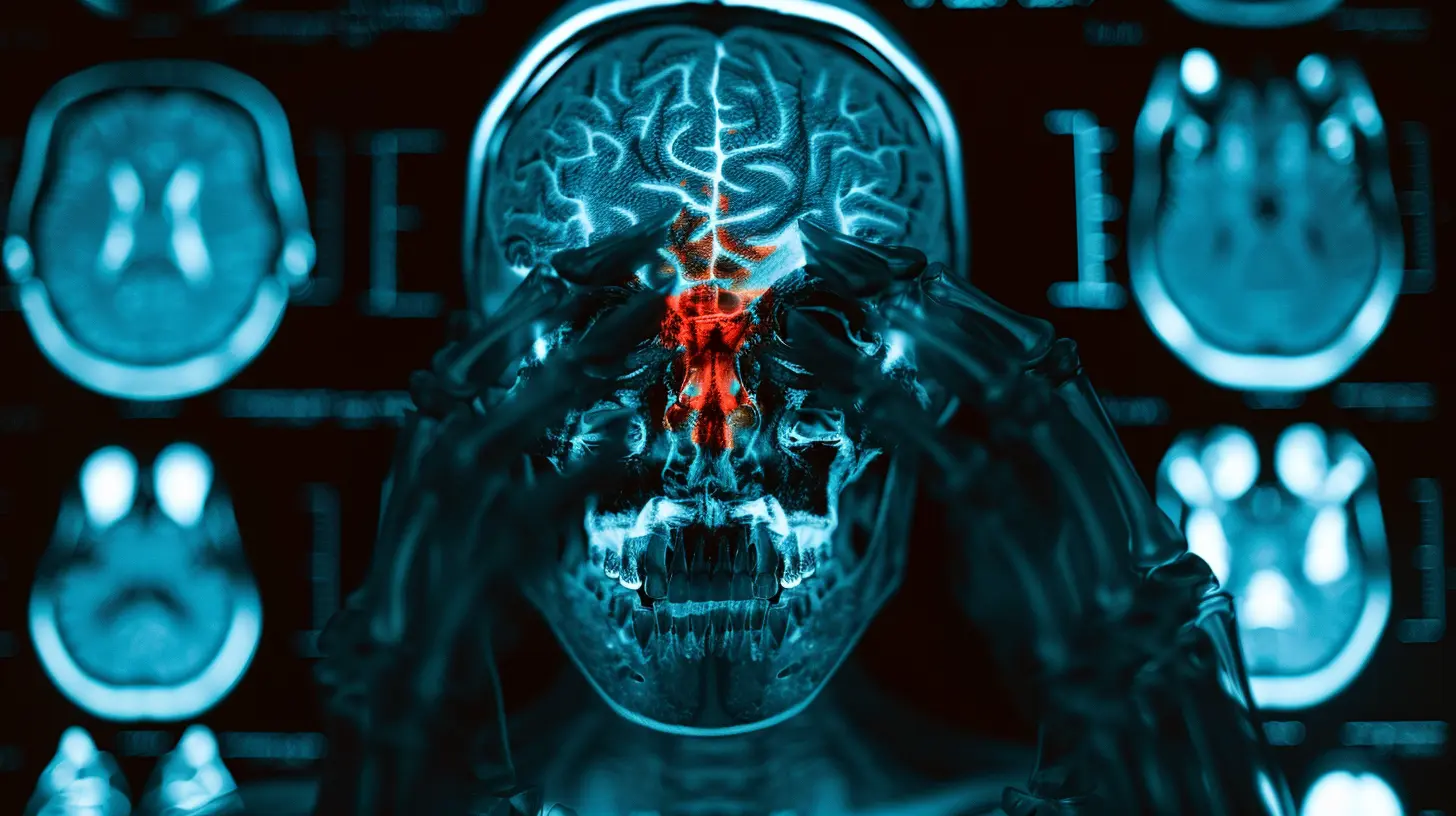
The Mind-Body Connection: How the Brain Affects Physical Health
Our brain and body are in constant communication through a complex network of nerves, hormones, and biochemical responses. Here’s how it works:1. The Brain’s Role in Pain Perception
Pain isn’t just a sensory experience—it’s deeply influenced by the brain. When we feel pain, our brain processes it and determines its intensity. Studies show that individuals who engage in mindfulness or cognitive-behavioral therapy (CBT) can actually reduce their perception of pain.Ever notice how a distraction can make pain more bearable? That’s your brain shifting focus, proving that pain isn’t purely physical—it also has a mental component.
2. The Placebo Effect: Healing Through Belief
One of the most compelling examples of mind-body healing is the placebo effect. Patients who believe they are receiving a real treatment often experience real improvements—even if the treatment is just a sugar pill.This happens because belief alone can trigger the release of endorphins and dopamine, chemicals that promote healing and reduce pain. The placebo effect proves that our expectations and mindset can directly influence recovery.
3. Stress and the Immune System
Chronic stress is a major enemy of the immune system. When you’re under stress, your body releases cortisol, a hormone that suppresses immune function. Over time, this makes you more vulnerable to infections, inflammation, and chronic illnesses.On the flip side, reducing stress through relaxation techniques like deep breathing, meditation, or even laughter boosts immune function and speeds up recovery.
4. The Gut-Brain Connection
Ever had a “gut feeling” about something? That’s because the gut and brain are closely linked. The gut microbiome—the trillions of bacteria in your digestive system—communicates with the brain, affecting mood, immunity, and inflammation.A healthy gut contributes to a stronger immune system, better digestion, and even improved mental health. Eating probiotic-rich foods like yogurt, kimchi, and kombucha can support this connection and enhance overall well-being.
How Emotions Influence Recovery
Your emotional state plays a huge role in healing. Negative emotions like fear, anxiety, or hopelessness can slow down recovery, while positive emotions can speed it up.1. The Power of Positive Thinking
Studies show that optimism is linked to better health outcomes. Patients with positive attitudes tend to recover faster from surgeries, have lower rates of chronic diseases, and even live longer.Why? Because a positive mindset reduces stress, supports immune function, and encourages healthier lifestyle choices.
2. Emotional Trauma and Physical Illness
Unresolved emotional trauma can manifest as physical symptoms. People dealing with high levels of psychological distress often experience chronic pain, fatigue, and autoimmune disorders.Techniques like therapy, journaling, and mindfulness can help process emotions, reducing their impact on physical health.
3. Social Support and Healing
Humans are wired for connection, and strong social bonds can significantly influence recovery. Studies show that people with strong support systems heal faster, experience less pain, and report better overall well-being.So, if you’re going through a tough time, don’t hesitate to lean on your loved ones. Sometimes, a heartfelt conversation is just as powerful as medicine.

Practical Ways to Harness Psychosomatic Healing
Now that we understand the science behind psychosomatic healing, how can we use this knowledge to improve our health?1. Practice Mindfulness and Meditation
Mindfulness and meditation help rewire the brain, reducing stress and promoting relaxation. Even just 10 minutes a day can lower cortisol levels, improve focus, and support immune function.2. Reframe Negative Thoughts
Your thoughts shape your reality. Instead of dwelling on worst-case scenarios, try reframing negative thoughts into more positive, empowering ones. This doesn’t mean ignoring problems—it means approaching them with a mindset that fosters resilience.3. Engage in Regular Physical Activity
Exercise isn’t just good for the body—it’s a powerful mood booster. Physical activity releases endorphins, reduces stress hormones, and improves overall well-being. Even a short walk can make a big difference.4. Use Visualization Techniques
Athletes and performers use visualization to enhance performance, but it also works for healing. Imagine yourself recovering, feeling strong, and living healthily. Your brain responds to these images as if they are real, triggering physiological changes that support recovery.5. Develop a Strong Support System
Surround yourself with people who uplift and encourage you. Whether it’s friends, family, or a therapist, having emotional support can reduce stress and speed up healing.6. Try Laughter Therapy
Laughter isn’t just fun—it’s medicine. It reduces stress, boosts immunity, and even relieves pain by triggering the release of endorphins. Watch your favorite comedy, spend time with funny friends, or try laughter yoga.7. Prioritize Quality Sleep
Good sleep is essential for recovery. During deep sleep, the body repairs tissues, strengthens immunity, and regulates stress hormones. Aim for 7-9 hours of restful sleep each night.Final Thoughts
The mind and body are deeply intertwined, influencing each other in ways we’re only beginning to understand. Psychosomatic healing isn’t magic—it’s science. By harnessing the power of positive thinking, stress management, and emotional well-being, you can actively support your body’s natural ability to heal.So, the next time you feel under the weather, don’t just think about medication—consider your mindset too. Your brain is one of the most powerful healing tools you have!
all images in this post were generated using AI tools
Category:
Psychosomatic DisordersAuthor:

Matilda Whitley
Discussion
rate this article
1 comments
Reina Gilbert
Understanding the connection between mind and body is empowering. By embracing the science of psychosomatic healing, we unlock potential for recovery and well-being. Our thoughts truly shape our healing journey... let positivity lead the way.
July 6, 2026 at 3:06 AM