The Role of Vulnerability in Authentic Leadership
24 June 2026
Let’s be real for a minute.
When you hear the word “leadership,” what’s the first image that pops into your head? Maybe a CEO in a sleek suit, standing confidently at a podium? Or a military commander barking out orders? Yeah, that’s been the traditional mold for a long time. Strong. Stoic. Unshakable.
But here's the twist—what if the most powerful leaders are the ones who don’t hide behind a mask? What if real leadership is less about having all the answers and more about being… human?
That’s where vulnerability comes in.
It’s not weakness. Actually, it’s the secret sauce of authentic leadership. And in this article, we’re going to unpack why vulnerability might just be the thing that sets great leaders apart from the rest.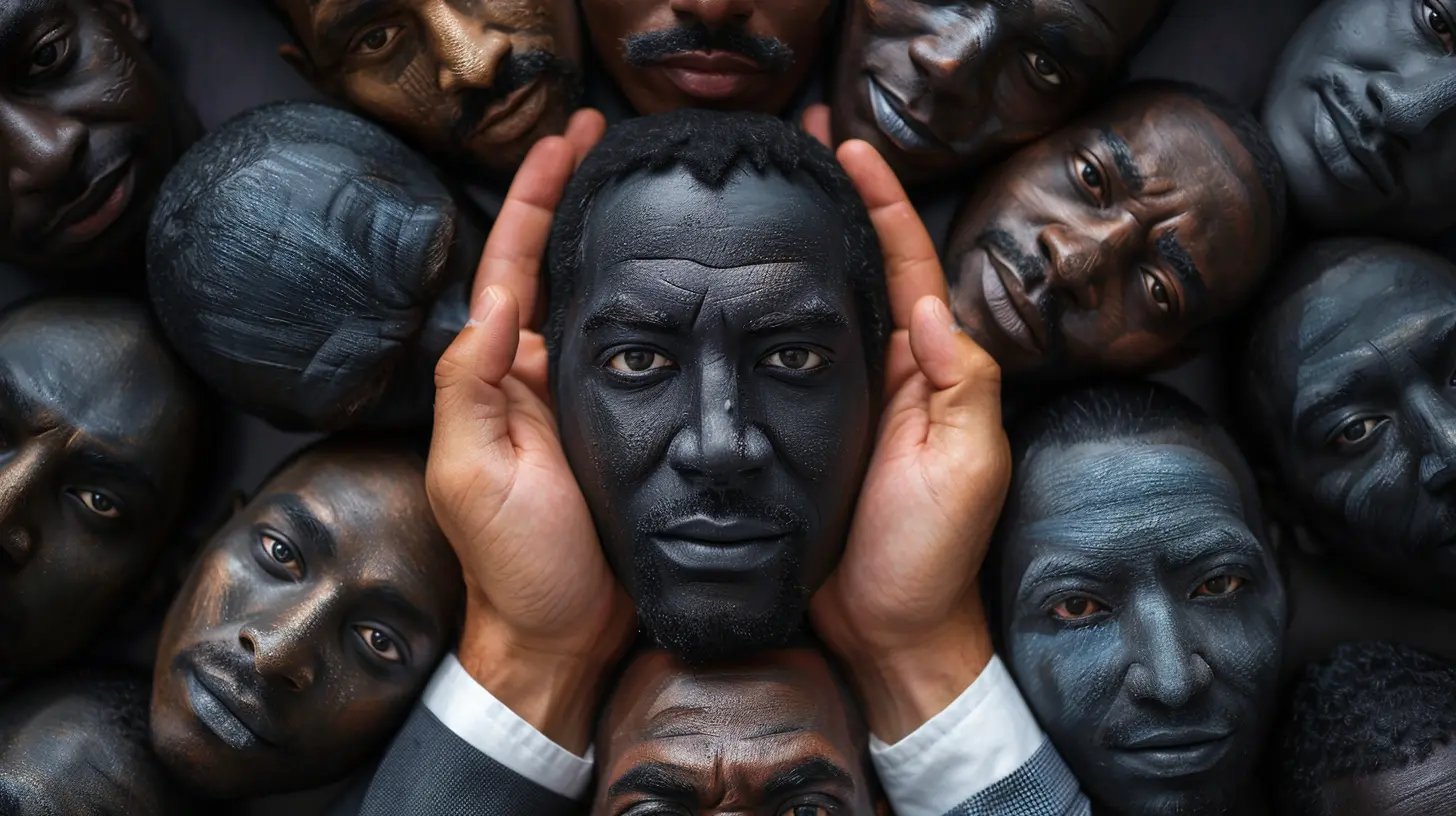
What Is Vulnerability, Really?
Before we dive into the deep stuff, let’s clear something up.Vulnerability isn’t about oversharing or being emotional all the time. It’s not crying in every meeting or confessing your every fear to your team. It’s about being real. Honest. Open.
Think of vulnerability as the courage to show up with your full self—even when there’s risk involved.
It’s saying, “I don’t have all the answers, but I’m here to figure it out with you.” It’s admitting mistakes instead of covering them up. It’s being okay with not being perfect.
And guess what? That’s exactly what makes people trust you.
Let’s Talk Authentic Leadership
Authentic leadership is one of those phrases people love to toss around in boardrooms and LinkedIn posts. But what does it actually mean?In plain English, an authentic leader is someone who leads with honesty, self-awareness, and strong morals. They don’t fake it to impress others. They don’t hide behind a persona. They show up as they are—and bring others permission to do the same.
Now, here’s the kicker: You can’t be authentic without also being vulnerable.
Why? Because authenticity requires truth. And truth takes guts.
Why Traditional Leadership Models Are Flawed
Okay, so here’s the deal. The old-school model of leadership—tough on the outside, unattached, and hyper-competitive—was built to look like strength. But here’s the irony:That kind of leadership actually builds walls, not bridges.
When leaders pretend to have it all together 24/7, it creates distance. Teams feel talked at, not talked with. There’s a lack of emotional safety, which means people hold back, ideas stay hidden, and trust fades.
Vulnerability, on the other hand, invites connection. And connection? That’s the heartbeat of effective leadership.
The Psychology Behind Vulnerability and Trust
Let’s geek out for a second (but stay with me—it’s interesting stuff).Psychological safety is the feeling that you can speak up, make mistakes, or be yourself without fearing embarrassment or punishment. It’s foundational for team performance, creativity, and collaboration.
And who sets the tone for psychological safety? You guessed it—the leader.
When a leader is vulnerable, it triggers a powerful effect known as “emotional contagion.” That’s a fancy way of saying, “your vibe becomes the team’s vibe.” When you’re open, the team feels safe to be open too.
It’s like emotional permission—“Hey, it’s okay to be human here.”
Real Benefits of Leading with Vulnerability
Let’s break down what actually happens when you lead with vulnerability. Spoiler alert: it's not just warm and fuzzy feelings.1. Increased Trust
People don’t trust perfect leaders. They trust real ones.When you admit your mistakes or say the words “I don’t know,” you show humility. And humility builds credibility. Teams are far more likely to back a leader who they see as honest than one who always puts on a show.
2. Stronger Team Connection
Ever worked for someone who acted like a robot? Not fun.When leaders open up, it encourages others to do the same. Suddenly, conversations become more meaningful, communication flows more easily, and the team feels like a unit—not just a group of coworkers.
3. Resilience and Growth
Vulnerability isn’t just about sharing struggles—it’s about learning from them.When leaders are honest about their journeys, including the mess-ups and hard lessons, it sets an example. It says, “Mistakes aren’t the end—they’re part of the process.” That mindset builds a resilient culture that embraces continuous improvement.
4. Loyalty and Retention
Employees leave bosses, not companies. It’s cliché but true.A vulnerable, authentic leader makes people feel seen and valued. That emotional connection often leads to deeper loyalty and lower turnover. Why would someone leave a leader who genuinely cares?
Myths About Vulnerable Leadership (And Why They’re Wrong)
Let’s bust some common myths that hold leaders back from showing up vulnerably:Myth 1: Vulnerability = Weakness
Nope. It takes more strength to say “I need help” than to pretend you don’t.Myth 2: Vulnerability Means Oversharing
Being vulnerable doesn’t mean you spill your guts at every opportunity. It’s about appropriate disclosure—sharing enough to be real, but not turning your team into your therapist.Myth 3: People Won’t Respect a Vulnerable Leader
Actually, it’s the opposite. Vulnerability often deepens respect because it shows integrity and bravery. People admire honesty more than perfection.How to Cultivate Vulnerability in Leadership
So the question is—how do you actually do this?Here are some practical ways to bring vulnerability into your leadership style:
1. Start with Self-Awareness
You can’t be real with others if you’re not real with yourself. Reflect on your values, fears, triggers, and goals. Ask yourself: "Where am I afraid to be seen?"Journaling helps. Therapy helps. Honest conversations with trusted peers help. It all starts inside.
2. Share Your Story
Let your team see the road you’ve traveled—not just the highlight reel.Talk about the challenges you faced, the mistakes you made, and what you learned. You don’t have to get deeply personal, but let them know you're human too.
3. Admit When You Don’t Have the Answer
Seriously, try saying “I don’t know” sometime. It’s a game-changer.People will respect your honesty and often step up with helpful ideas. Plus, it takes the pressure off you to have all the answers all the time.
4. Ask for Feedback
This one’s big.When you ask your team for input on your leadership, it shows openness and humility. Even more importantly, act on the feedback you receive. That builds massive trust.
5. Encourage Others to Share
Modeling vulnerability gives permission to others. But you can also create safe spaces by saying things like:- “It’s okay to speak freely here.”
- “We learn by trying and sometimes failing.”
- “Thanks for being honest—I appreciate that.”
Small shifts in language can create a big difference in team culture.
Vulnerability in Action: Real-World Examples
We’ve talked theory—now let’s get real.Here are a few examples of leaders who leaned into vulnerability and saw amazing results:
Brené Brown
Probably the queen of vulnerability, Brené spent years studying courage and leadership. She talks openly about her own struggles and how vulnerability is the foundation of brave leadership.Her TED Talk? Over 50 million views. People are clearly hungry for this message.
Satya Nadella (CEO of Microsoft)
When Satya took over Microsoft, he didn’t come in guns blazing. Instead, he led with empathy and openness, sharing how caring for his son with disabilities shaped his human-first approach.Since then? Microsoft’s culture transformed—and so did its profits.
Howard Schultz (Former CEO of Starbucks)
Schultz shared openly about his tough upbringing and how it influenced his mission to build a company with heart. Vulnerability wasn’t a side note—it was central to his leadership.Final Thoughts: You Don’t Have to Have It All Together
Look, leadership is hard. No one nails it 100% of the time.But here’s the beautiful part—your humanity is not a liability. It’s your superpower.
When you lead with vulnerability, you give people something to connect to. Something real. And connection is what inspires loyalty, creativity, and growth.
So the next time you feel tempted to “tough it out” or act like you've got it all under control, pause. Take a breath. And remember:
You don’t have to be flawless to be a phenomenal leader.
You just have to be you.
all images in this post were generated using AI tools
Category:
Psychology Of LeadershipAuthor:

Matilda Whitley
Discussion
rate this article
1 comments
Zeal Marks
So true! Nothing says "trust me" like admitting you cry during commercials. Vulnerability is the new superpower-just like wearing mismatched socks to a meeting!
June 24, 2026 at 4:30 AM
Matilda Whitley
Absolutely! Embracing vulnerability, whether it's shedding a tear or sporting mismatched socks, fosters genuine connections and authenticity in leadership.