The Role of Sleep in Psychosomatic Health
17 July 2026
Let’s face it, sleep often gets the short end of the stick in our busy lives. We binge-watch late into the night, cram workloads past midnight, and proudly claim we’re “functioning” on three hours of sleep. But here’s the truth: sleep isn’t just a time-out from life. It’s a lifeline—especially when it comes to our psychosomatic health.
Psychosomatic health refers to the way our minds and bodies are deeply intertwined. You’ve probably felt it—you’re anxious, and suddenly your stomach is in knots. Or after days of poor sleep, you begin noticing headaches, fatigue, and even aches that seem to come from nowhere. That’s the mind-body connection in action.
In this article, we’ll unpack the essential role that sleep plays in maintaining psychosomatic well-being. Ready to dive into the fascinating link between your pillow and your peace of mind? Let’s go.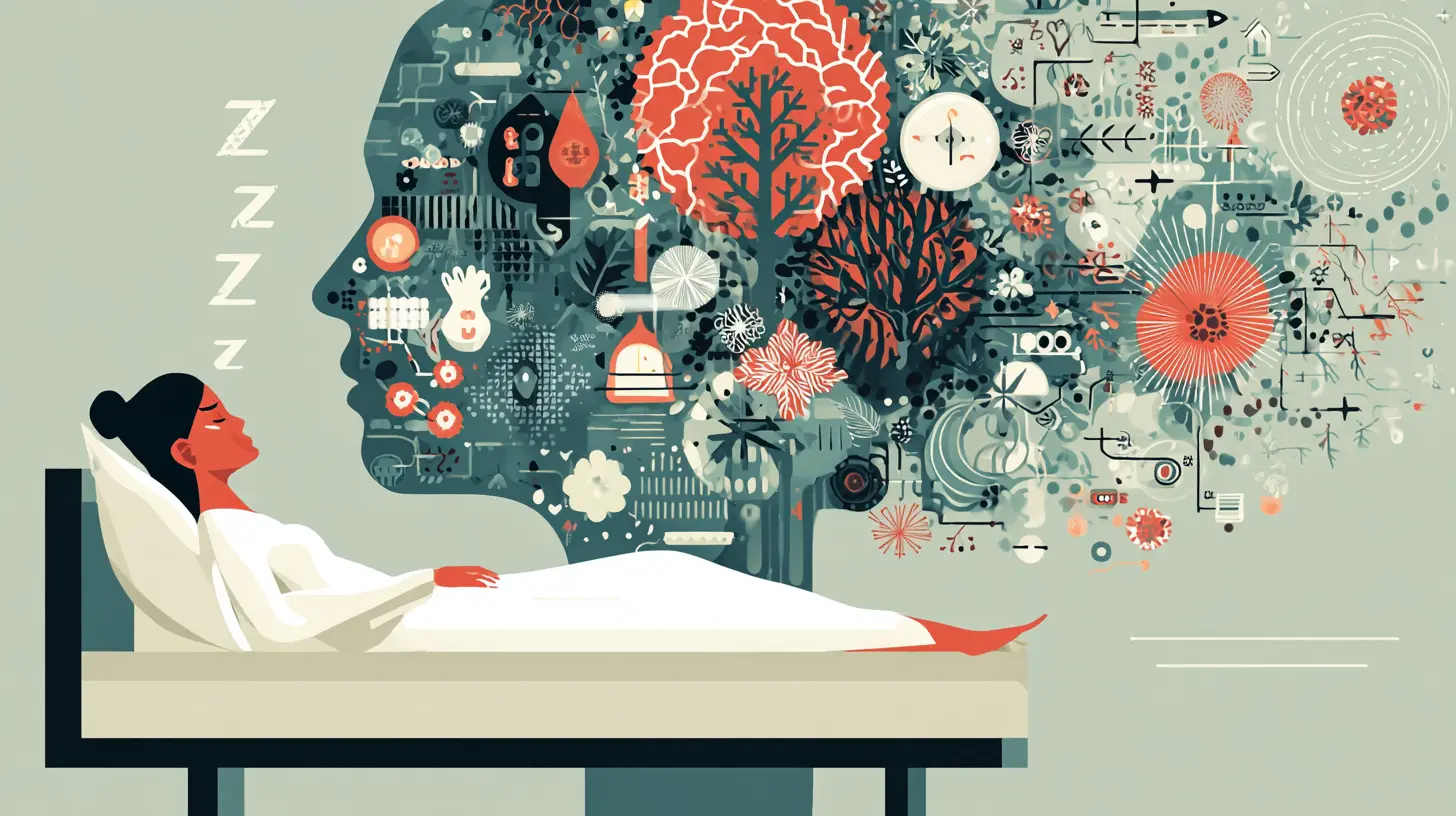
What Is Psychosomatic Health, Anyway?
Before we go too deep, let’s clear up what we mean by “psychosomatic.” It sounds like a word from a medical drama, but it's actually pretty simple."Psychosomatic" comes from two Greek words: "psyche" (mind) and "soma" (body). When we talk about psychosomatic health, we’re really talking about how your thoughts, emotions, and mental state can influence your physical health—and vice versa.
Have you ever had butterflies in your stomach before a big presentation? Or a tension headache after a stressful day? That’s your body reacting to what's going on upstairs in your mind.
Now, here’s the kicker: sleep is the bridge that keeps these two worlds—mental and physical—balanced.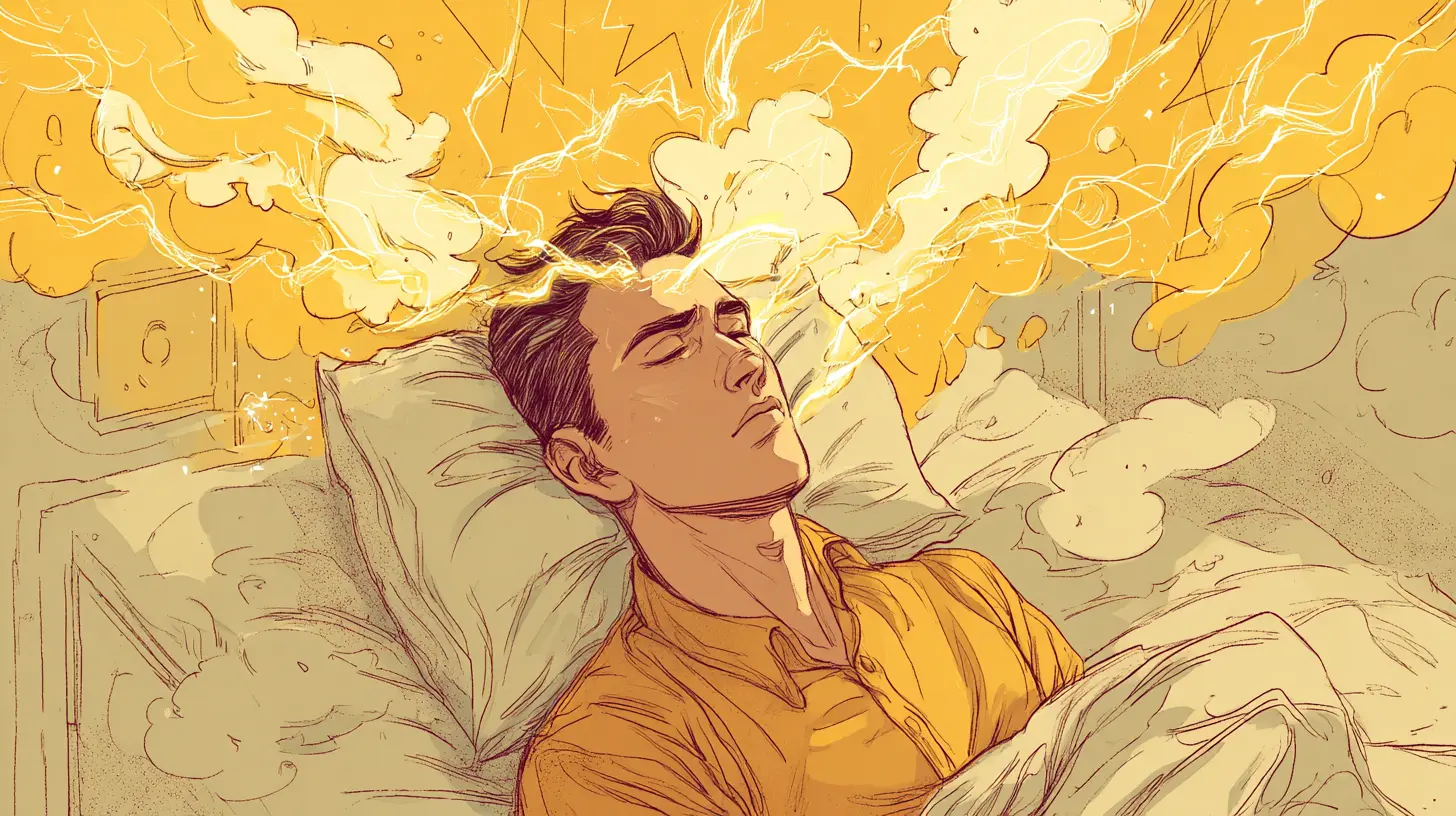
Why Sleep Matters More Than We Think
Sure, sleep helps us feel refreshed. But that’s just scratching the surface. Sleep is when the brain performs essential housekeeping tasks—organizing thoughts, processing emotions, healing the body, and regulating critical systems.Imagine your brain like an office. During the day, it floods with emails (stimuli), meetings (stress), and phone calls (tasks). Then nighttime comes, and everyone leaves. That’s when the janitorial staff (sleep processes) comes in: organizing files, emptying trash, fixing what’s broken. If the cleaning crew doesn’t show up? Chaos.
Sleep keeps your mind sharp and your body running smoothly. It’s not passive downtime—it’s active healing time.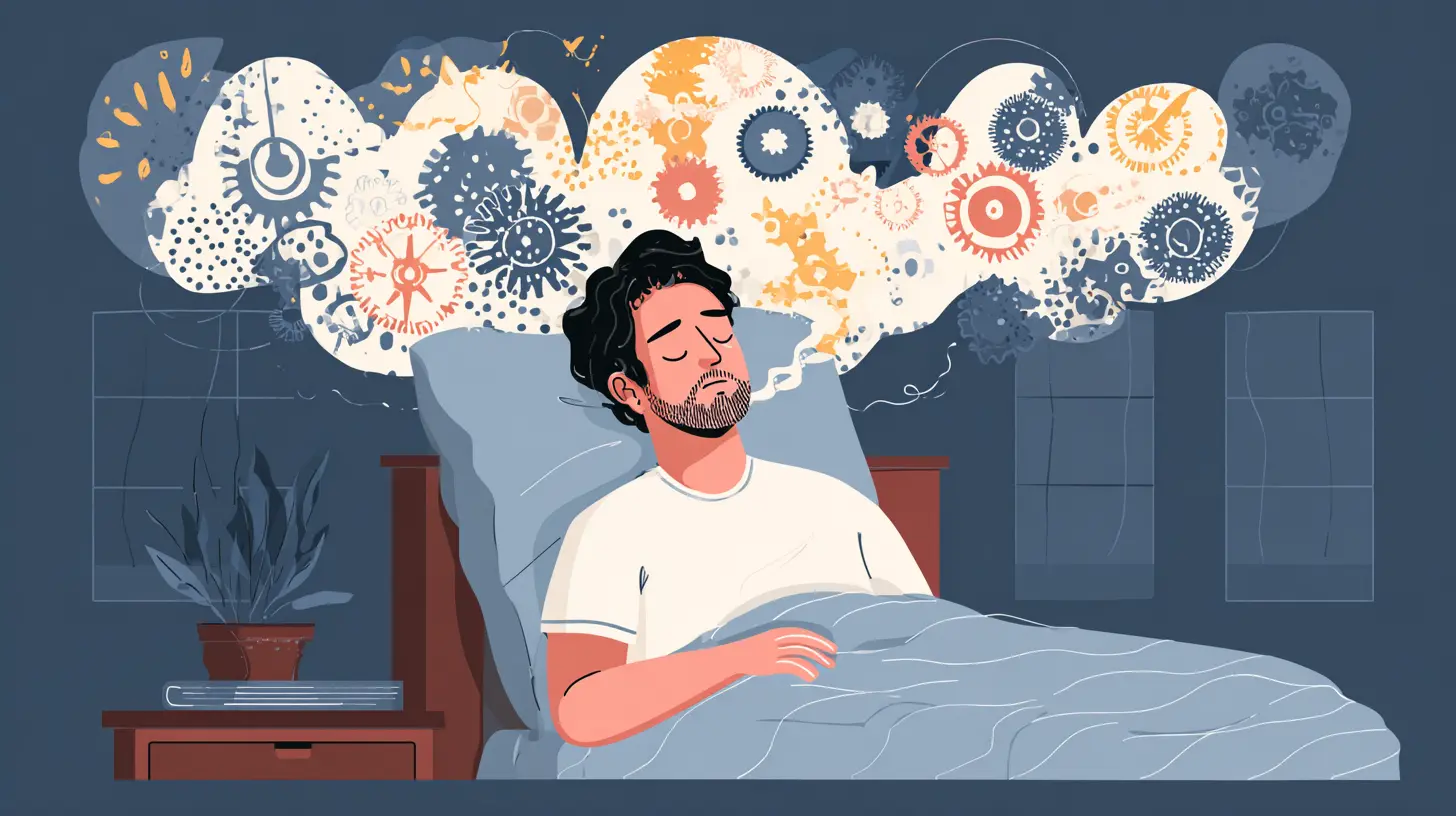
How Sleep Affects the Mind-Body Connection
The link between sleep and psychosomatic health is incredibly strong. Let’s break it down.1. Emotional Regulation
Ever notice how everything feels 10x worse when you’re sleep-deprived? That’s no coincidence.Sleep, especially REM (Rapid Eye Movement) sleep, is when your brain processes emotions. Dreams actually help you work through stressful experiences. Without enough sleep, your emotional regulation goes haywire.
You become more reactive, more irritable, and more prone to anxiety and depression. In turn, your body absorbs that stress—leading to headaches, muscle tension, or even digestive issues.
2. Hormonal Balance
Sleep is a key regulator of hormones—cortisol (your stress hormone), melatonin (your sleep hormone), and even insulin. When sleep is thrown off, these hormones go rogue.High cortisol alone can lead to all sorts of psychosomatic symptoms—fatigue, weight gain, high blood pressure, and a weakened immune system. A stressed-out body becomes more prone to chronic illness, and even everyday annoyances like colds can feel 10x worse.
3. Immune Function
Here’s a fun fact: your immune system has a night shift.During deep sleep, your body produces cytokines—proteins that help fight off infections and reduce inflammation. Skimp on sleep, and your immune system gets sluggish. That leaves your body more vulnerable to illness, which increases stress, which leads to—yep—more sleepless nights.
It’s a vicious cycle.
The Vicious Cycle of Poor Sleep and Psychosomatic Symptoms
Let's say you’re not sleeping well. Maybe you’re anxious, so you toss and turn. The next day, you feel cranky, your back hurts, and you’re having trouble concentrating at work. Now you’re stressed about your performance, which feeds your anxiety, which makes sleep even harder.Sound familiar?
This loop is one of the biggest threats to psychosomatic balance. And the worst part? We often treat the symptoms—pain, fatigue, short temper—without addressing the root cause: sleep deprivation.
You can pop painkillers, sip coffee, and meditate all day, but unless you get solid sleep, the cycle will keep spinning.
Sleep Disorders and Their Psychosomatic Fallout
Let’s talk about the big players in sleep dysfunction and how they mess with our psychosomatic health.1. Insomnia
This one’s the heavyweight champ of sleep troubles. Chronic insomnia is linked to anxiety, depression, and even cardiovascular problems. Pain, fatigue, and foggy thinking become part of the package.Treatment often involves cognitive behavioral therapy, lifestyle changes, and sometimes medication. But just knowing that insomnia can cause actual physical symptoms is a game-changer.
2. Sleep Apnea
This condition causes you to stop breathing briefly during sleep. Not only does it disrupt rest, but the constant oxygen deprivation wreaks havoc on your body and mind. Think high blood pressure, mood swings, fatigue, and even memory issues.If your partner says you snore like a freight train, it might be worth a sleep study.
3. Restless Leg Syndrome (RLS)
This creepy-crawly feeling in your legs can keep you up all night. Lack of rest leads to—you guessed it—a whole slew of psychosomatic symptoms.If you find yourself twitching or unable to relax at bedtime, talk to your doctor. RLS could be the hidden culprit behind your psychosomatic imbalance.
How to Improve Sleep (and Boost Psychosomatic Health)
Good news: Your sleep habits can be changed. And with better sleep comes better psychosomatic wellness.Here are some tried-and-true tips:
1. Stick to a Sleep Schedule
Go to bed and wake up at the same time every day—even on weekends. Your brain loves routine, and consistency reinforces your internal clock.2. Create a Sleep Sanctuary
Make your bedroom a place your mind associates with rest. That means comfy pillows, cool temperatures, no bright lights, and—this one’s tough—no electronics.Treat your bedroom like a temple, not a theater.
3. Ditch the Stimulants
Avoid caffeine, nicotine, and heavy meals before bed. These can keep your body alert when it should be winding down.Instead, opt for soothing teas, warm baths, or light reading before bed.
4. Wind Down Your Brain
Develop a calming bedtime routine. Journaling, meditation, or even just 10 minutes of deep breathing can signal to your brain that it’s time to chill.5. Move During the Day
Regular physical activity can help you fall asleep faster and sleep more deeply. Just don’t work out too close to bedtime—unless you want your brain buzzing when your head hits the pillow.When to Seek Help
Listen, occasional sleepless nights happen to everyone. But if poor sleep is becoming the rule instead of the exception—and you’re experiencing physical symptoms like tension, aches, or digestive issues—it’s time to talk to a professional.Psychologists, psychiatrists, and sleep specialists can all help uncover what’s really going on. And don’t be shy about bringing up your physical symptoms. They’re part of the picture, not an unrelated side note.
Final Thoughts
The mind and body are two sides of the same coin, and sleep is the glue that holds them together. It’s not a luxury or a bonus. It’s a fundamental need—just like food or water.If you want to take care of your mental and physical health in a truly holistic way, start with your sleep hygiene. Prioritize it, protect it, and give it the respect it deserves.
Because when you sleep better, you live better. And your body and mind? They’ll thank you for it.
all images in this post were generated using AI tools
Category:
Psychosomatic DisordersAuthor:

Matilda Whitley