The Role of Dopamine in Decision Making
29 May 2026
Ever had that gut feeling when choosing between pizza or salad? Or that rush of excitement when you buy something new—even if your bank account groans in protest? That little high or hesitation we experience when making decisions often boils down to the brain's favorite chemical messenger: dopamine.
Let’s dig into how this powerful neurotransmitter silently pulls the strings behind every yes and no we say. Buckle up—this is where psychology meets chemistry in one fascinating mental rollercoaster.
What Is Dopamine, Really?
If dopamine were a person, it’d be that friend who’s always hyping you up to chase what feels good. It’s commonly known as the "feel-good" neurotransmitter, but that barely scratches the surface.Dopamine is a chemical produced in several areas of the brain, most notably in the substantia nigra and the ventral tegmental area. It plays a key role in pleasure, motivation, and—yep, you guessed it—decision-making.
Think of it this way: dopamine is like your brain’s internal reward currency. The more something excites or motivates you, the richer in dopamine that mental moment becomes.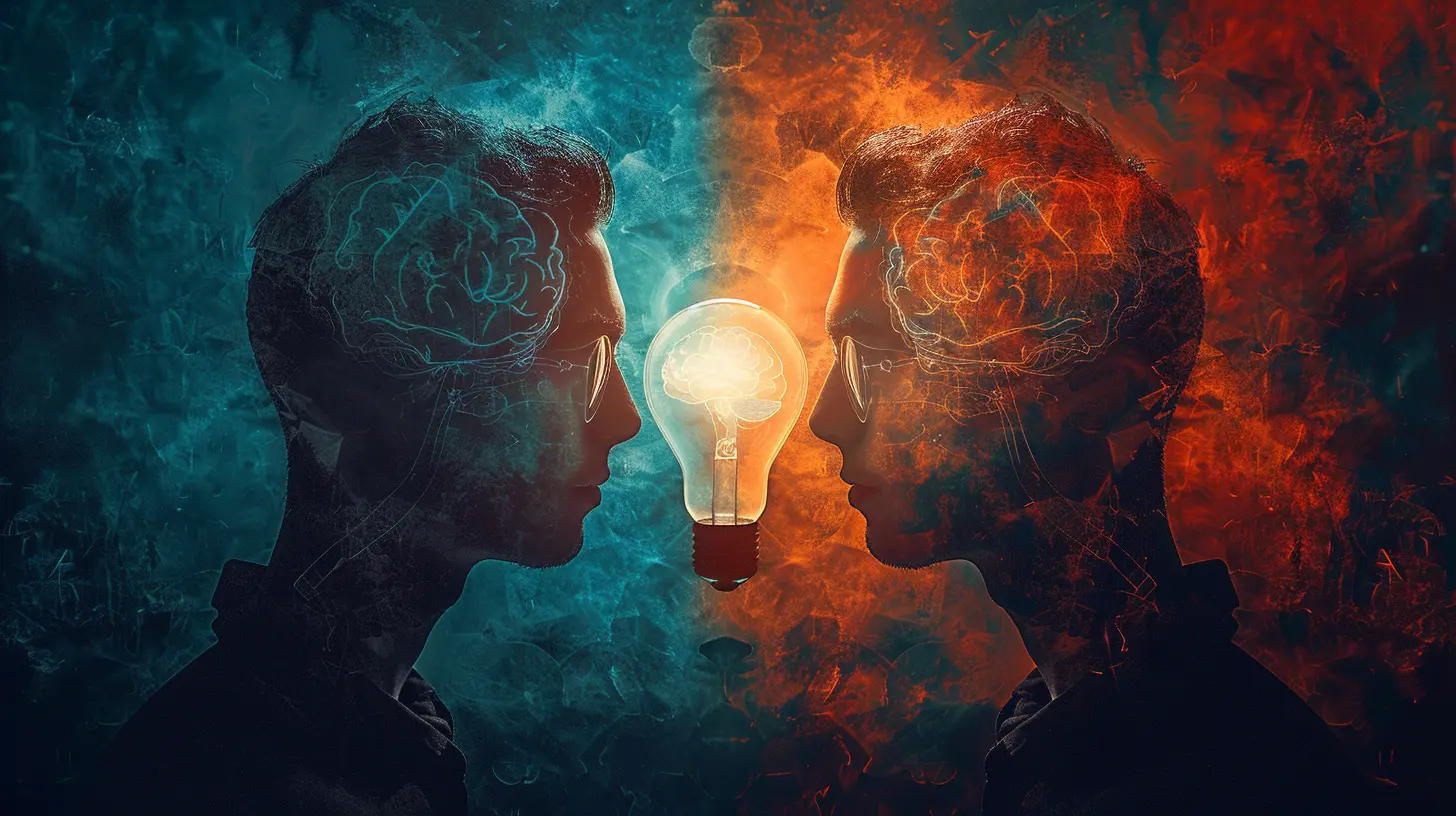
How Dopamine Connects With Decision Making
So what’s the link between dopamine and your choices? Well, every time we face a decision—big or small—our brain runs a cost-benefit analysis. Should I go for what feels good now, or should I think long-term? That tug-of-war? Yeah, dopamine is in the thick of it.Let me break it down.
1. Anticipation of Reward
Imagine you’re eyeing a chocolate cake. Even before you take a bite, your brain starts lighting up. That’s dopamine being released as part of the anticipation circuit.Your brain says, “Ooh, this looks good. Let’s get a hit of happy.” This anticipatory release encourages you to go for the cake, even if you’re technically on a diet. It’s not the cake itself that releases the dopamine—it’s your brain imagining the reward.
Crazy, right?
2. Evaluating Risks and Rewards
Every decision you make involves a bit of gambling. Dopamine helps you weigh the potential reward against the potential risk.Let’s say you’re considering investing in a new business. The potential to succeed (dopamine surge!) might outweigh the fear of failure. Why? Because your reward system is tipping the scale.
Too much dopamine can make you overly optimistic, even reckless (hello, impulsive online shopping!). Too little? You might overthink every detail and struggle to act at all.
3. Learning from Experience
Remember that time you touched a hot stove as a kid? Bet you never did that again. Dopamine played a role there, too—it helped reinforce the memory of that painful outcome.Your brain constantly updates itself based on outcomes. When something goes well, dopamine strengthens the “pathways” that led to success. It’s like a mental version of leaving breadcrumbs on your best life choices.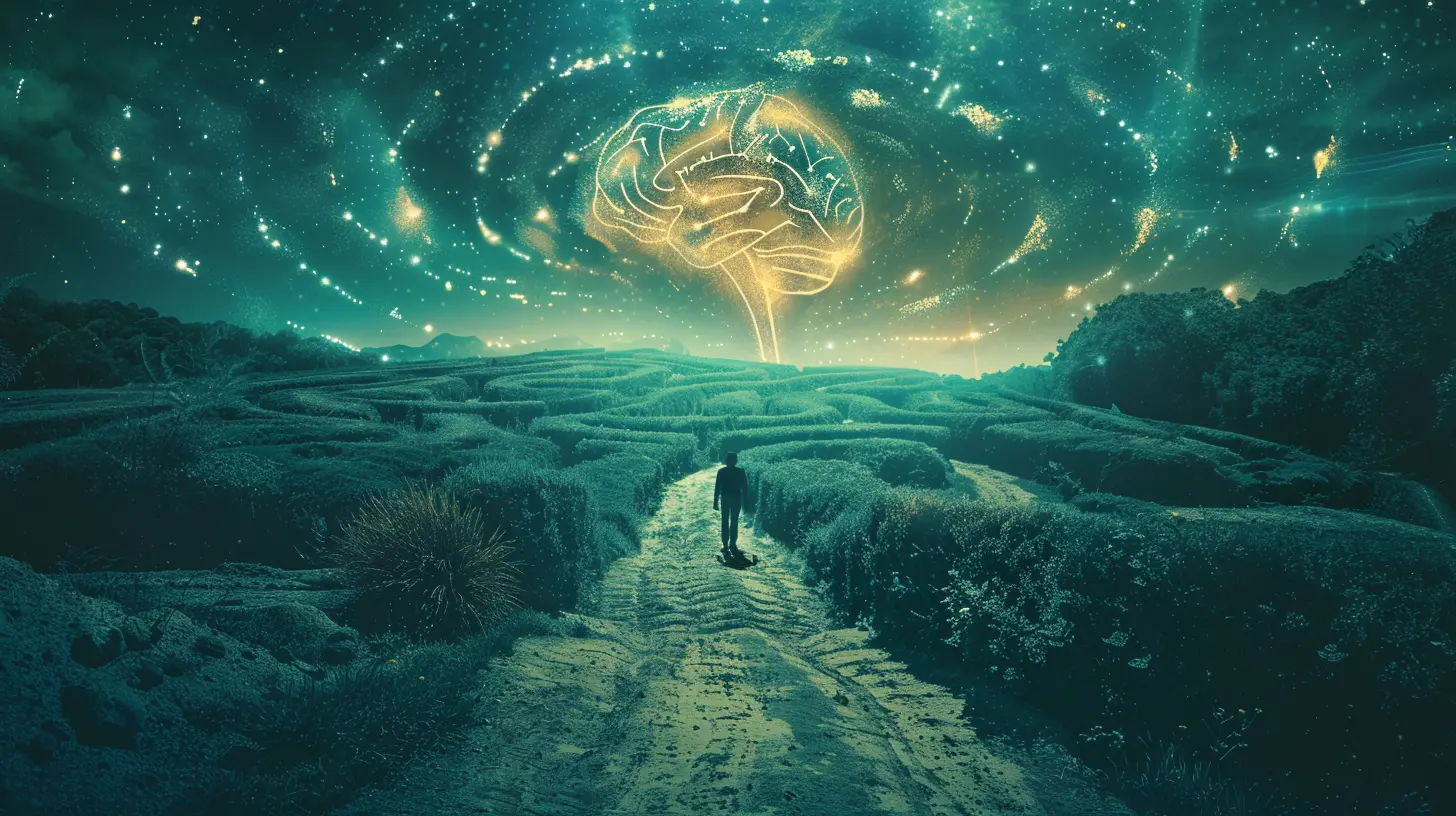
The Science-y Side (But Let’s Keep It Simple)
Still with me? Cool. Let’s get a tiny bit technical—but not too much.The brain’s dopamine system is mostly controlled by two main pathways:
1. The Mesolimbic Pathway
This one’s kinda like your brain’s hype train. It's involved in pleasure, reinforcement, and motivation. When you achieve something rewarding—say, finishing a puzzle or crushing a job interview—this circuit gives you a pat on the back.2. The Mesocortical Pathway
This route deals more with cognitive control. It helps in processing long-term planning and weighing consequences. This is the part that kicks in when you’re trying to resist binge-watching Netflix the night before a big exam.Together, these two pathways create a push and pull that shapes your decisions.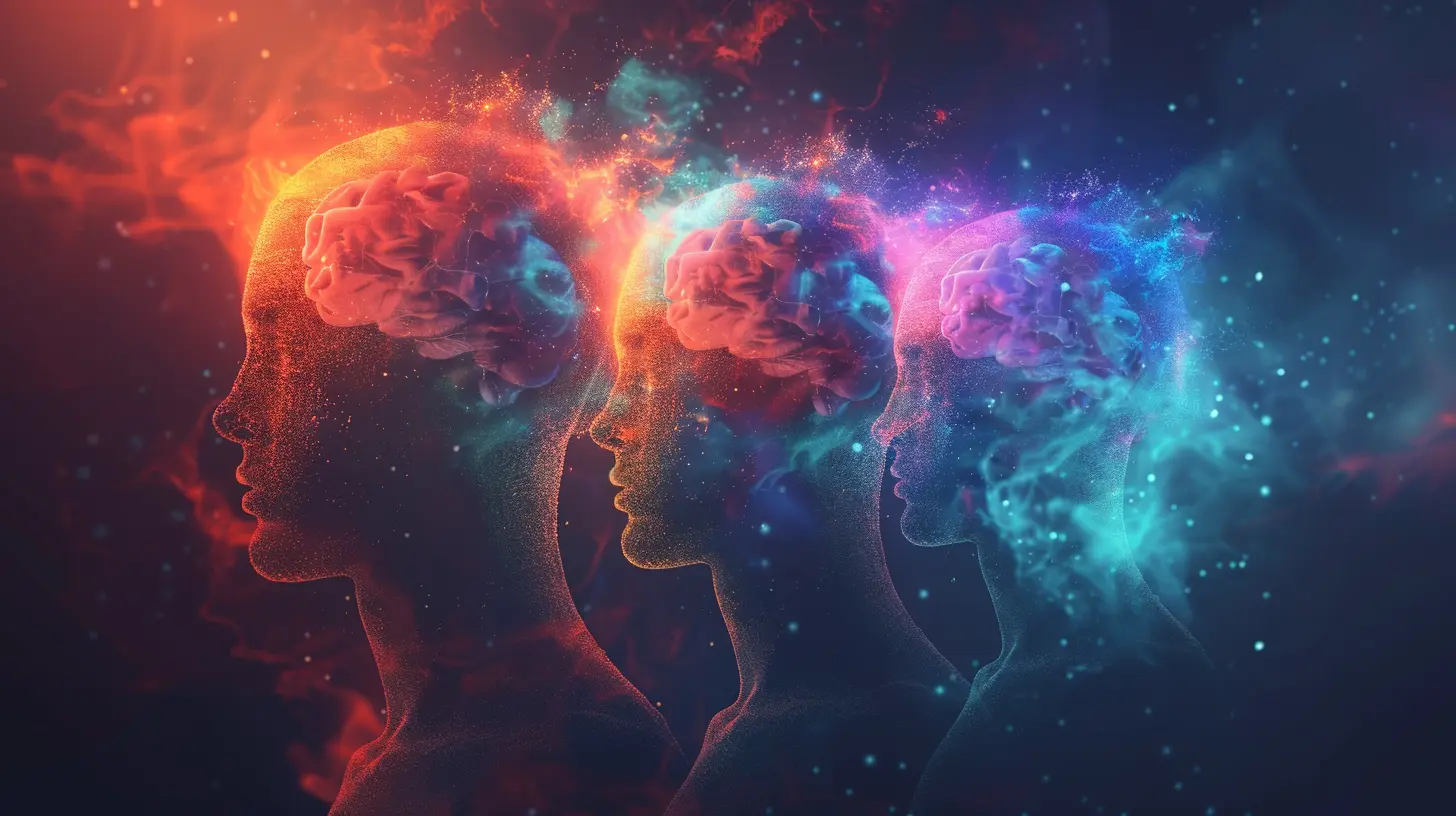
Dopamine and Impulsivity: A Double-Edged Sword
Here’s where things get tricky. Dopamine isn’t just about smart decisions—it’s also responsible for impulsive choices. Ever wonder why you splurge on shoes you didn’t need? Or why you text your ex at 2 AM? (Oof.)That’s dopamine hijacking your logic.
When dopamine levels spike—usually from excitement or stress—it can cloud judgment. It whispers: “Do it. It'll feel amazing.” The part of your brain meant for reasoning (hello, prefrontal cortex) might not stand a chance.
This explains risk-taking tendencies in teenagers, gamblers, and even people with certain mental health conditions. Their dopamine systems are off-balance, so they chase rewards without fully considering the cost.
How Mental Health Conditions Affect Dopamine and Decision Making
Dopamine imbalance isn’t just a personal quirk; it’s tied to various mental health challenges. Let’s take a look at a few:Depression
People experiencing depression often have lower dopamine activity. That’s why things that used to excite them—like hobbies or social events—suddenly seem “meh.” With less dopamine, motivation tanks. So does decision-making. Even choosing what to eat becomes a chore.ADHD
In ADHD, dopamine doesn’t always work the way it should. The reward system might crave constant stimulation, leading to impulsive decisions. That’s why people with ADHD often struggle with delayed gratification or planning ahead.Schizophrenia
This condition is often linked to too much dopamine activity in some brain areas. This overload can lead to distorted thinking, delusions, or poor decision-making because the brain is misjudging what’s important or rewarding.Can You “Hack” Your Dopamine for Better Decisions?
Great question. While we can't control our dopamine like flipping a switch, we can definitely influence it.Here’s how:
1. Get Enough Sleep
No surprise here—poor sleep messes with dopamine receptors. You know how fuzzy your brain feels after pulling an all-nighter? That’s your decision-making taking a hit.2. Exercise Regularly
Working out increases dopamine naturally. Even a walk around the block can help you feel clearer and more motivated. Bonus: moving your body helps you hit pause on stress.3. Set Small Goals
Every time you complete a task—no matter how tiny—you trigger a mini dopamine release. It’s like a mental high-five. This can build momentum for making bigger, smarter decisions later.4. Avoid Dopamine “Overload”
Too much stimulation—like endless scrolling or junk food binges—can flood your brain with dopamine, making real-life rewards feel...meh. Try to balance quick hits with deeper, sustainable rewards.Real Talk: We’re All Just Trying to Choose Wisely
Here’s the thing: decision-making isn’t about being perfect. It’s about understanding what’s going on behind the curtain. Science shows us that dopamine plays a massive backstage role in nearly everything we choose—from the mundane to the life-changing.So the next time you're torn between two options, remember: it’s not just willpower or logic at play. Your brain chemistry is nudging you, for better or worse.
And with just a little awareness, you can work with your dopamine—not against it—to make decisions that align with your real goals.
Because life? It’s one decision after another. And with a little brain-savvy, you’ve totally got this.
Final Thoughts
Dopamine is more than just a “pleasure chemical”—it’s a complex, powerful force that shapes how we think, feel, and decide. From daily habits to life-altering choices, its fingerprints are everywhere.Understanding its role in decision-making doesn't just make you smarter—it makes you more compassionate, especially toward yourself. After all, we're all just a bundle of neurons trying to do our best.
So go easy on yourself. Whether it’s pizza or salad, one impulse buy or a thoughtful pause, know that your brain is learning and adjusting every step of the way.
all images in this post were generated using AI tools
Category:
Decision MakingAuthor:

Matilda Whitley
Discussion
rate this article
1 comments
Josie Watson
Ah yes, dopamine-the magic brain juice that turns our choices into a wild rollercoaster ride. Who needs sound reasoning when you can just chase that sweet hit of pleasure at every turn... genius!
June 2, 2026 at 4:29 AM