The Role of Cultural Awareness in Effective Counseling
1 February 2026
In today's interconnected world, counseling is not a one-size-fits-all approach. Our backgrounds, traditions, and beliefs influence the way we think, feel, and behave. That’s why cultural awareness plays a crucial role in effective counseling. It’s not just about knowing different cultures exist; it’s about understanding them, respecting them, and using that knowledge to create a safe and supportive space for clients.
So, why does cultural awareness matter in counseling? And how can therapists develop this skill to enhance their practice? Let’s dive in. 
What Is Cultural Awareness in Counseling?
Cultural awareness in counseling refers to a therapist’s ability to recognize, understand, and respect a client’s cultural background. This includes their:- Ethnicity
- Race
- Language
- Religion
- Gender identity
- Sexual orientation
- Socioeconomic status
Each of these factors shapes a person’s experience and worldview. When therapists fail to consider cultural influences, they risk misinterpreting a client’s emotions, challenges, or needs. On the other hand, when they acknowledge and embrace cultural diversity, they can build stronger relationships and offer more effective support. 
Why Cultural Awareness Is Essential in Counseling?
You might be wondering, “Why is cultural awareness such a big deal in therapy?” Great question! Let’s break it down into the key reasons why it makes all the difference.1. Builds Trust and Strengthens the Therapeutic Relationship
Imagine walking into a therapy session and feeling judged or misunderstood. Would you open up? Probably not. Clients need to feel seen, heard, and respected—regardless of their background. When counselors take the time to learn about their clients’ cultures, they foster trust and create a safe space where clients can express their thoughts without fear.2. Reduces Miscommunication and Misunderstandings
Culture influences communication styles, body language, and expressions of emotion. What’s considered polite in one culture might be seen as rude in another. A culturally aware counselor understands these differences and adapts their approach accordingly, ensuring that their words and actions align with the client’s cultural norms.For example, in some cultures, direct eye contact is a sign of respect, while in others, it can be seen as confrontational. A therapist who is culturally aware will recognize this and adjust their behavior to make the client feel comfortable.
3. Enhances the Effectiveness of Therapy
When cultural influences are ignored, therapy can feel irrelevant or disconnected from a client’s reality. But when counselors incorporate a client’s cultural values into their treatment plan, therapy becomes more relatable and impactful.Let’s say a therapist is working with a Muslim client who struggles with anxiety. Instead of suggesting traditional meditation, which may not align with their faith, the therapist could incorporate mindfulness practices rooted in Islamic traditions, such as dhikr (remembrance of God). This culturally sensitive approach makes therapy more meaningful for the client.
4. Prevents Stereotyping and Bias
Whether we like it or not, everyone has unconscious biases. These biases can creep into therapy and negatively impact the client-counselor relationship. Cultural awareness helps therapists challenge their own biases, ensuring they treat each client as an individual rather than making assumptions based on stereotypes.For example, assuming that all Asian clients prioritize academic success or that all Hispanic families are highly religious is both unfair and inaccurate. Every person is unique, and cultural awareness helps therapists recognize and honor that individuality. 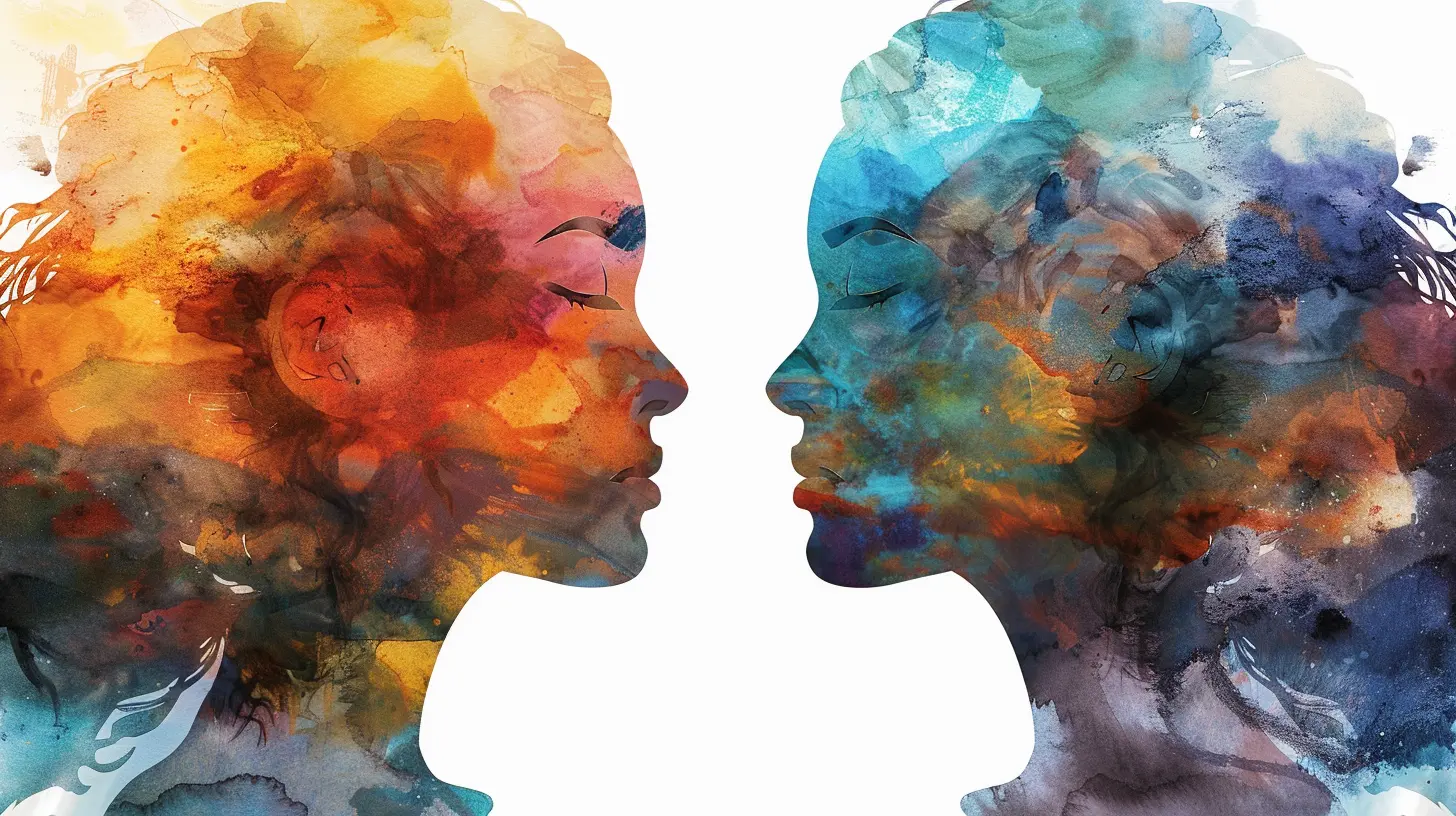
Challenges of Cultural Awareness in Counseling
While cultural awareness is essential, it doesn’t come without challenges. Here are some common hurdles counselors face—and how to overcome them.1. Lack of Cultural Knowledge
No one can know everything about every culture. However, that’s no excuse for ignorance. Therapists must actively educate themselves about different cultural backgrounds through books, workshops, and conversations with diverse individuals.2. Language Barriers
Language differences can create misunderstandings and make therapy difficult. If a therapist doesn’t speak a client’s language fluently, they can:- Use professional interpreters
- Learn basic words and phrases relevant to the client’s culture
- Speak in clear, simple language to avoid miscommunication
The goal is to bridge the gap and ensure the client feels understood.
3. Personal Biases and Prejudices
Let’s be real—no one is completely free of biases. The key is recognizing them and actively working to overcome them. Counselors should continuously reflect on their biases and challenge any assumptions they may unconsciously hold.One effective strategy is cultural humility, which emphasizes lifelong learning and self-reflection. Instead of claiming to be fully culturally competent, therapists should remain open to growth and change, understanding that learning about culture is an ongoing journey. 
How Counselors Can Improve Cultural Awareness
Becoming culturally aware isn’t something that happens overnight, but there are several steps therapists can take to improve:1. Engage in Diversity Training
Attending workshops and training sessions on multicultural counseling helps therapists develop the skills and knowledge needed to work with diverse populations.2. Practice Active Listening
Really listening—not just hearing—is key. Therapists should ask open-ended questions and encourage clients to share their cultural perspectives and experiences.3. Avoid Assumptions
Every individual is unique. Instead of assuming a client’s beliefs or values based on their background, therapists should ask questions and let the client define their own identity.4. Reflect on Personal Biases
Taking time for self-reflection helps counselors become more aware of their own cultural perspectives and potential biases.5. Adapt Treatment Approaches
Therapists should modify their counseling techniques based on the client’s cultural and personal needs. This might mean using different therapeutic models, incorporating spiritual or religious elements, or considering culturally specific coping mechanisms.The Future of Culturally Aware Counseling
As the world becomes more diverse, the need for culturally informed counseling will only grow. Future trends in the field may include:- AI-powered translation tools to eliminate language barriers
- More multicultural training programs in psychology curriculums
- Increased representation of diverse therapists in mental health fields
Ultimately, cultural awareness in counseling isn’t just beneficial—it’s necessary. It shapes the way therapists connect with clients, improves therapy outcomes, and ensures that every individual receives the care they deserve.
So, whether you’re a seasoned therapist or just starting out, always remember: understanding culture isn’t a checkbox—it’s a lifelong journey of learning, empathy, and growth.
all images in this post were generated using AI tools
Category:
Psychological CounselingAuthor:

Matilda Whitley
Discussion
rate this article
2 comments
Journey McClary
Cultural awareness is the cornerstone of effective counseling—it empowers connection, fosters understanding, and transforms lives through empathy and respect.
February 20, 2026 at 5:48 AM
Matilda Whitley
Thank you for highlighting the importance of cultural awareness in counseling! It truly enhances connections and deepens understanding, making a significant impact on clients' lives.
Julia Baxter
Imagine a counseling session where the therapist’s cultural knowledge is like a magical key! It unlocks hidden doors of understanding, transforming awkward silence into rich conversations. Let’s sprinkle some cultural awareness dust and watch empathy bloom in the garden of healing!
February 1, 2026 at 4:00 PM
Matilda Whitley
I love that imagery! Cultural knowledge truly does open doors and fosters deeper connections in counseling. Thanks for sharing your thoughts!