The Role of Childhood in Developing Adult Phobias
9 July 2026
Ever wonder why some people can’t even look at a spider without breaking into a cold sweat while others can hold one like it’s no big deal? Or why certain individuals avoid elevators like the plague even when they’re perfectly safe? Well, the answer might lie in something much deeper than a mere dislike or preference—it might trace back to childhood.
Yes, childhood experiences can play a pivotal role in shaping adult fears and phobias. In fact, psychologists believe that many of the phobias we grapple with as adults often have roots in our early years. Sounds pretty intense, right? Let’s dive deep into this fascinating link between childhood experiences and adult phobias.
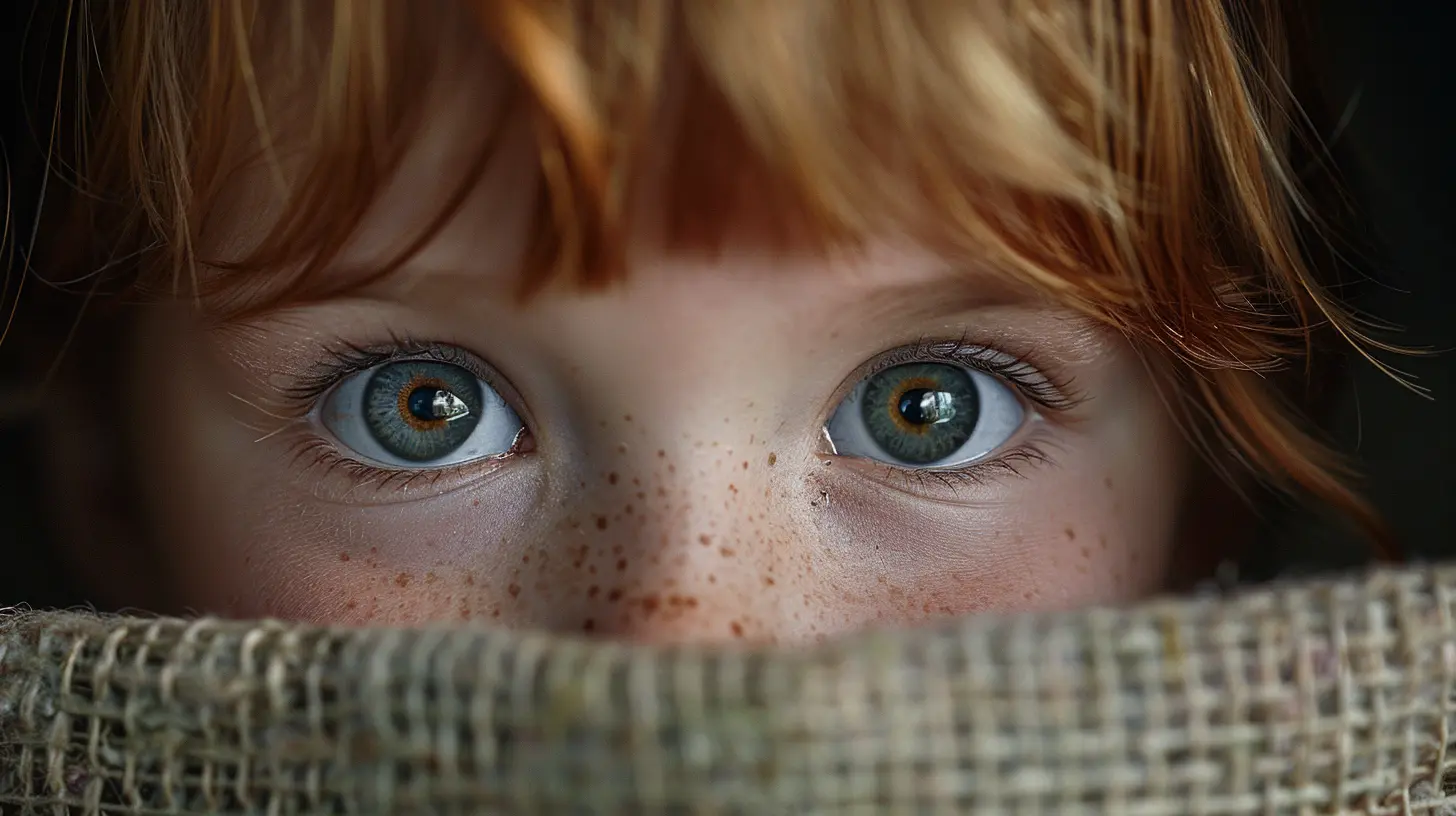
What Exactly Is a Phobia?
Before we dive into the “why,” let’s get clear on the “what.” A phobia isn’t just a basic fear. It’s not the same as being a little uneasy about public speaking or getting mildly nervous before flying. Phobias are intense, often irrational, fears of specific objects, situations, or activities. These fears can be so overpowering that they interfere with daily life.Imagine being so terrified of dogs that you avoid going outside altogether. Or being so afraid of heights that you can’t even step onto a balcony, let alone think about going to a rooftop bar with friends. That’s the kind of fear we’re talking about when we talk about phobias.
Phobias generally fall into three categories:
1. Specific phobias: Fear of a specific object or situation (like spiders, heights, or flying).
2. Social phobia (or social anxiety disorder): Fear of social situations where one might be judged or embarrassed.
3. Agoraphobia: Fear of being in situations where escape might be difficult (like crowded places, open spaces, or even leaving home).
Now that we know what phobias are, let’s explore how childhood experiences can trigger these intense fears later on in life.
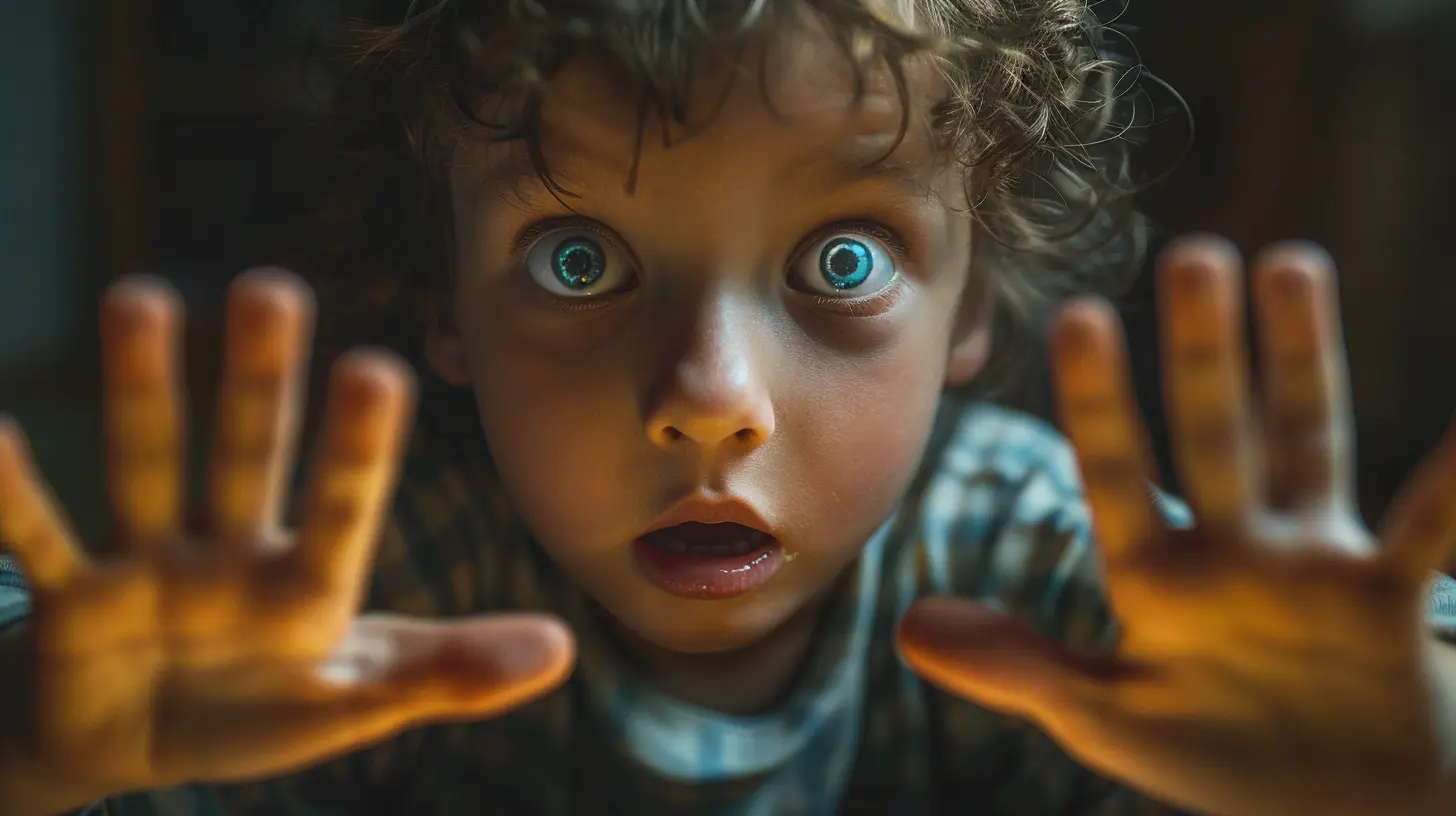
How Childhood Experiences Shape Adult Phobias
1. Traumatic Events in Childhood
Have you ever heard the saying, "What happens in childhood doesn’t stay in childhood"? That couldn’t be truer when it comes to phobias. Traumatic experiences during childhood can leave lasting impressions on our psyche, sometimes manifesting as intense fears in adulthood.For example, imagine a child who was bitten by a dog at a young age. The pain, the shock, and the fear that accompanied the event may get etched into their mind. As they grow older, even the sight of a friendly dog might trigger that same intense fear, creating a lifelong phobia.
It’s not just about animals, though. A child who had a terrifying experience with heights—maybe they fell off a tree or a playground slide—might develop a fear of heights (acrophobia) as an adult. The brain, in an attempt to protect itself, builds these associations between the traumatic event and the object or situation, creating a lasting fear.
2. Learned Behavior from Parents and Caregivers
Children are little sponges, absorbing everything around them. And guess who they look to for cues on how to react to the world? That’s right—parents and caregivers. If a parent has a phobia, it’s entirely possible that a child may pick up on those fears, even if they haven’t had a traumatic experience themselves.For instance, if a parent visibly freaks out every time they see a spider, the child might start associating spiders with danger, even without personally encountering one in any threatening situation. Over time, this learned behavior can solidify into a phobia.
This phenomenon is called vicarious conditioning—the process of learning through observing others. It’s like emotional osmosis. If mom or dad is terrified of something, it sends a signal to the child that they should be, too.
3. Childhood Anxiety and Sensitivity
Some children are naturally more anxious or sensitive than others. It’s not necessarily about any one specific event, but rather a predisposition to anxiety in general. These children might be more likely to develop phobias as they grow older.Think about a child who’s always been a little more on edge—maybe they’re shy, easily startled, or tend to worry a lot. This heightened anxiety can make them more vulnerable to developing specific fears later in life, especially if they experience something even mildly unsettling.
For example, a child who’s always been anxious might develop a fear of public speaking after one embarrassing experience in front of the class. Or they might avoid swimming altogether after swallowing water just once. Their overactive anxiety response makes them more prone to developing phobias.
4. Lack of Exposure or Overprotection
Believe it or not, overprotection can sometimes lead to phobias. When parents shield their children from certain experiences, they may inadvertently make those experiences seem more dangerous than they really are.For example, if a child is never exposed to dogs because a parent is overly cautious, they might grow up with a fear of dogs simply because they’ve never had the chance to see that most dogs are, in fact, friendly. The unknown can be a breeding ground for fear.
Similarly, a child who is never encouraged to try new things—like riding a bike, climbing a tree, or going to a crowded amusement park—might develop phobias as an adult because they’ve never had the opportunity to build confidence and resilience in those situations.
5. Negative Reinforcement and Phobic Responses
Sometimes, phobias can develop when a child experiences negative reinforcement. Let’s break that down: Imagine a child who’s afraid of the dark. Every time they cry at night, their parents let them sleep with the lights on. While this might seem comforting at the moment, it’s actually reinforcing the idea that the dark is something to be afraid of. Over time, this can strengthen the fear, making it more likely to persist into adulthood.In this case, the child learns that avoiding the dark brings comfort, and the brain starts associating avoidance with safety. As a result, the phobia grows stronger.
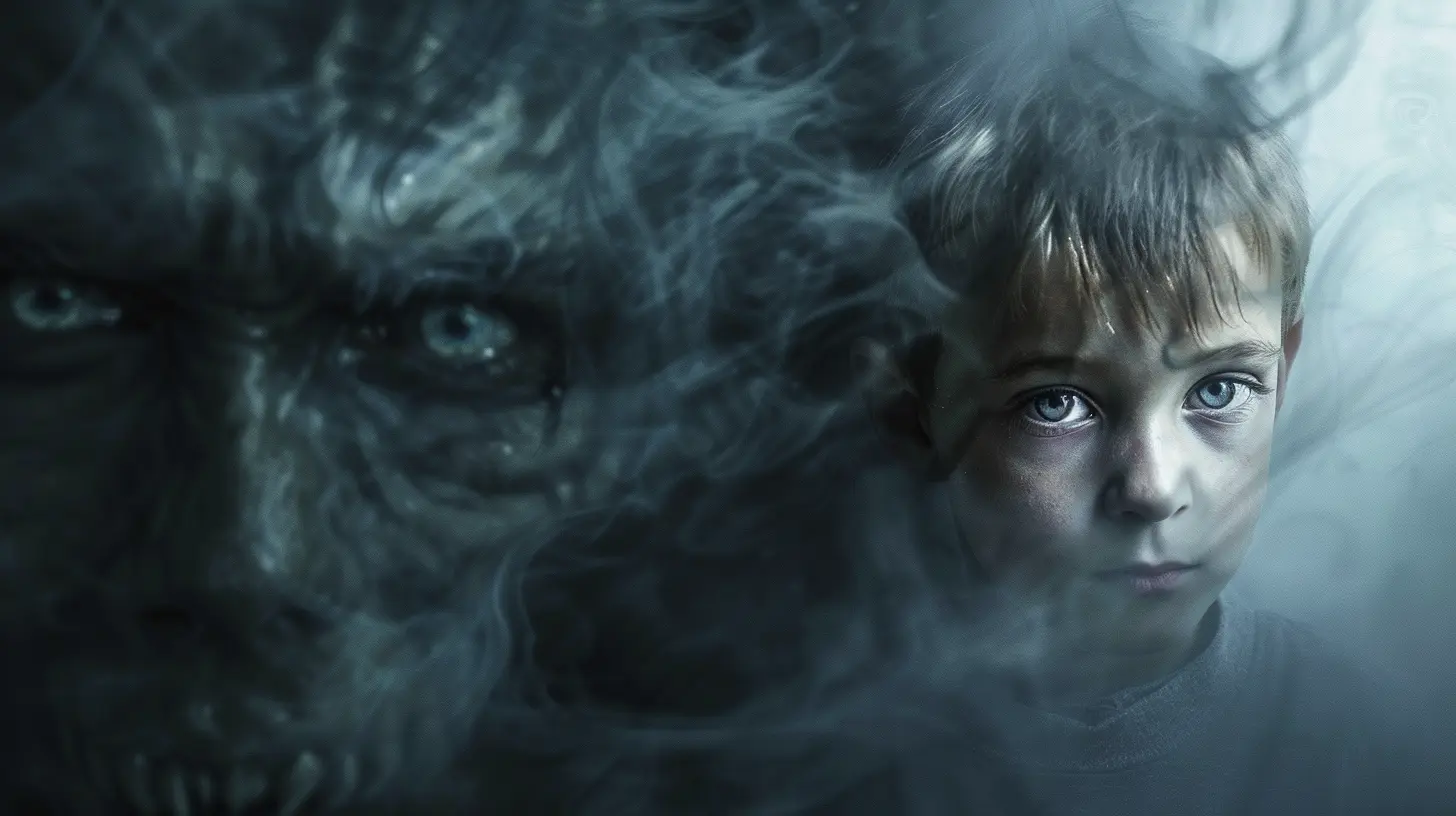
The Science Behind Childhood and Phobias
Now, let’s get a bit scientific but keep it simple. The brain is a complex machine, constantly processing information and making associations. When a child has an intense or traumatic experience, the amygdala, the part of the brain responsible for processing emotions like fear, goes into overdrive. It stores the memory of that event and links it to the object or situation that caused the fear.As the child grows older, the brain might continue to trigger a fear response whenever they encounter something similar, even if the original danger no longer exists. In essence, the brain is trying to protect the person, but it’s overreacting in a way that leads to a phobia.
Also, the prefrontal cortex, the part of the brain responsible for rational thinking, doesn’t fully develop until later in life. So, when a child has a traumatic experience, their brain might not be able to process it logically, making it easier for the fear to take root.
Breaking the Cycle: Can Phobias Be Overcome?
The good news is that phobias aren't set in stone. While they may start in childhood, they don’t have to last forever. There are several ways to overcome phobias, even those with deep childhood roots.1. Cognitive Behavioral Therapy (CBT)
CBT is one of the most effective treatments for phobias. It helps people understand their fears and slowly confront them in a controlled and safe environment. Over time, the brain learns that the object or situation isn’t as dangerous as it once thought.For example, someone with a fear of flying might start by simply looking at pictures of airplanes, then progress to visiting an airport, and eventually taking short flights. This gradual exposure helps rewire the brain’s fear response.
2. Desensitization and Exposure Therapy
Desensitization is a form of therapy that involves gradually exposing someone to their fear in small, manageable doses. Over time, this exposure can reduce the intensity of the phobic response.For instance, a person with a fear of dogs might start by looking at pictures of dogs, then move on to being in the same room as a dog, and eventually petting one. The exposure helps the brain learn that the feared object isn’t actually dangerous.
3. Mindfulness and Relaxation Techniques
Sometimes, managing phobias is about keeping the body and mind calm. Mindfulness techniques, such as deep breathing and meditation, can help individuals stay grounded when they encounter their fear. Over time, this can help reduce the intensity of phobic responses.Conclusion
While phobias can feel overwhelming, especially when they’ve been with us since childhood, they don’t have to control our lives. Understanding the root cause—whether it’s a traumatic event, learned behavior, or a natural predisposition—can provide valuable insight into overcoming these fears. The role of childhood in developing adult phobias is significant, but with the right tools and support, we can break free from these fears and live fuller, more fearless lives.all images in this post were generated using AI tools
Category:
PhobiasAuthor:

Matilda Whitley