The Role of Avoidance in Maintaining Phobias
20 August 2026
Let’s be real: fear is a natural part of being human. It’s hardwired into our brains to protect us from danger. But what happens when fear takes the wheel and refuses to take the backseat? Welcome to the gripping world of phobias—those intense, irrational fears that make your heart race and your palms sweat at the mere thought of the “threat.” Whether it's spiders, flying, public speaking, or clowns (yes, clowns)—these fears can feel all-consuming.
But here's the twist: it’s not just the fear itself that keeps these phobias alive. It’s something sneakier, something quieter. It’s avoidance.
Yep, avoidance is the secret sidekick phobia never wants you to spot. In this article, we’re going to peel back the curtain and shine a light on the powerful—and often underestimated—role avoidance plays in maintaining phobias.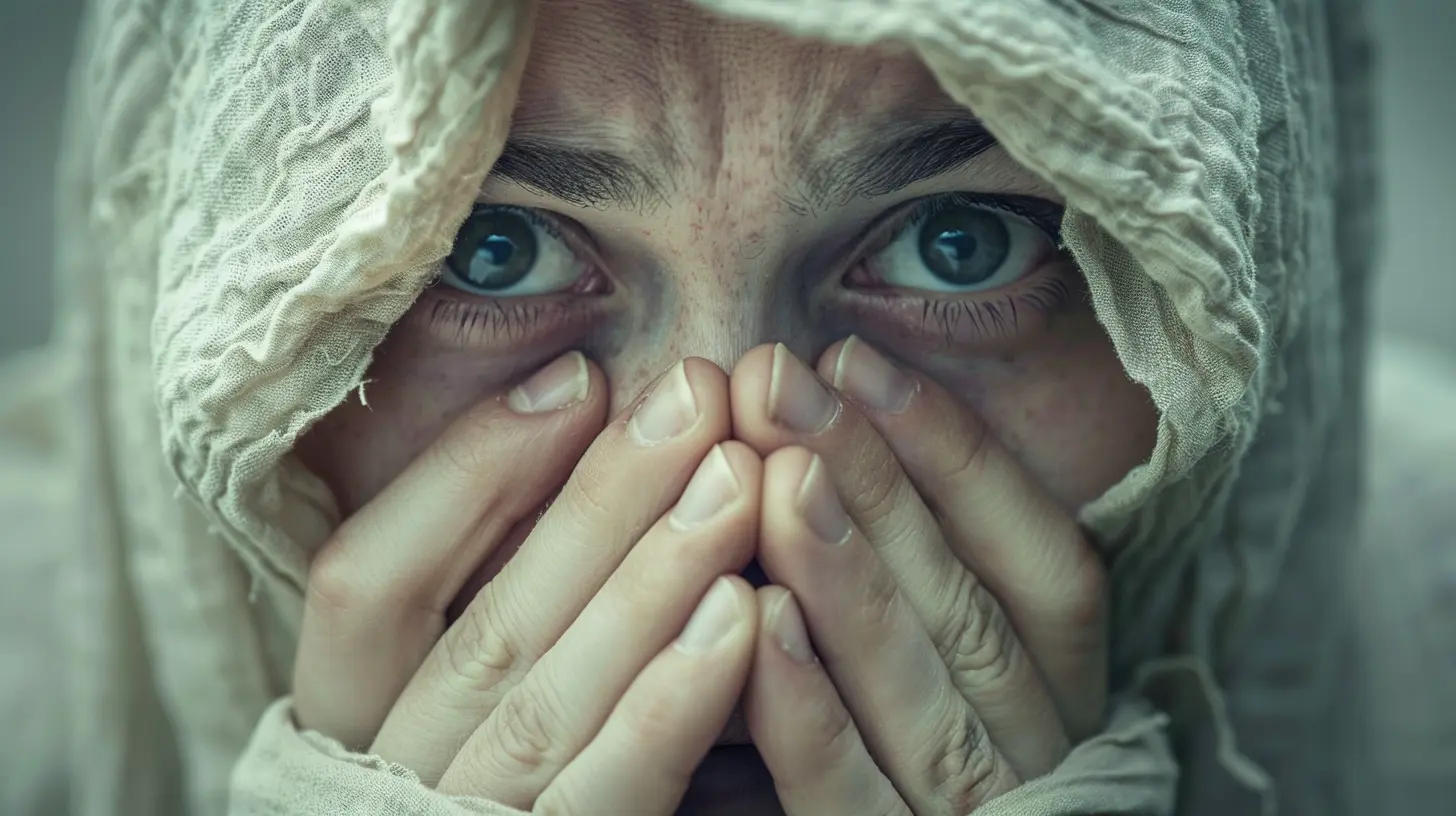
What is Avoidance, Really?
Avoidance is exactly what it sounds like. It's that instinctive urge to sidestep the thing that scares us. Don’t want to feel the fear? Easy. Just don’t go near the object of it.Terrified of flying? You drive thousands of miles rather than step on a plane. Dread speaking in public? You always find a way out of that work presentation. This seems like a smart solution in the moment, doesn't it?
But here’s the kicker: avoiding the fear only gives it more power. It’s like feeding a monster in the basement. You don’t see it, but it keeps growing.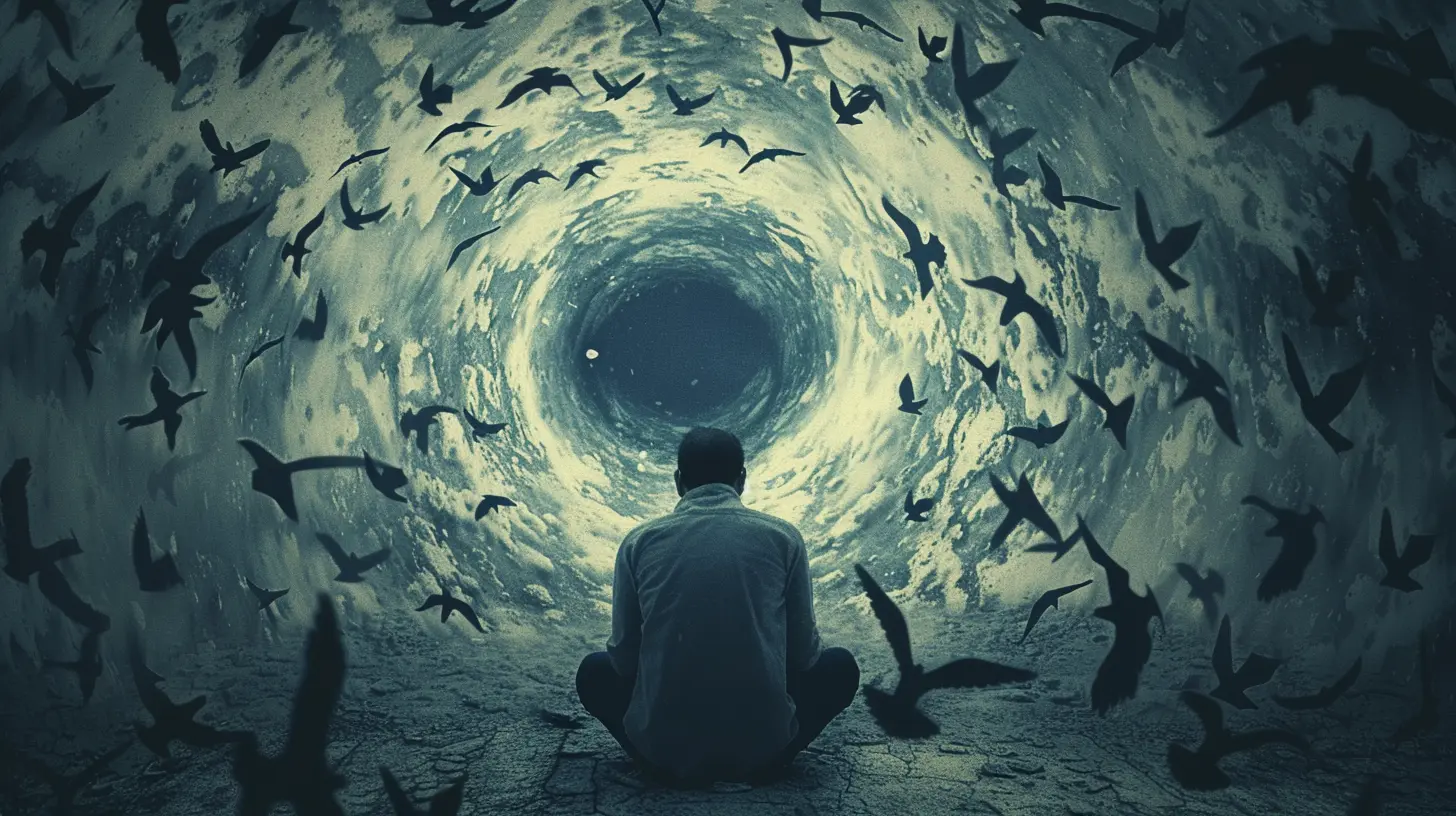
The Vicious Cycle of Fear and Avoidance
Imagine fear as a flame. Avoidance is like pouring gasoline on it. Every time you dodge the fearful thing, you're telling your brain, “Good call, this really is dangerous. Great job staying alive.”Your mind, trying to be helpful, reinforces the fear.
This is how the vicious cycle begins:
1. You encounter a fear trigger (a spider, a crowd, a flight).
2. You feel intense fear or panic.
3. You avoid the source of fear.
4. Relief floods in. You feel safe again.
5. Your brain thinks: “Aha! Avoidance works. Let's do that again!”
6. Fear intensifies next time… and so the cycle spins faster.
Avoidance isn't neutral—it actively strengthens the phobia by preventing you from gathering evidence that the feared thing isn’t as dangerous as it seems.
How Avoidance Hijacks Your Brain
Let’s talk brain science, real quick—promise, I’ll keep it chill.Your brain is a survival machine. It learns through experiences. When you avoid something you're afraid of, your brain never gets the chance to “re-learn” that the thing might not actually be harmful.
Instead of updating its fear files, it just deepens the old ones.
🚫 No exposure = No new learning.
It’s like trying to conquer stage fright without ever stepping on a stage. It's not going to happen. The only thing your brain learns is that “stages are to be avoided at all costs.”
Avoidance blocks growth. It keeps your brain locked in a loop of false alarms, like a car alarm that goes off every time the wind blows.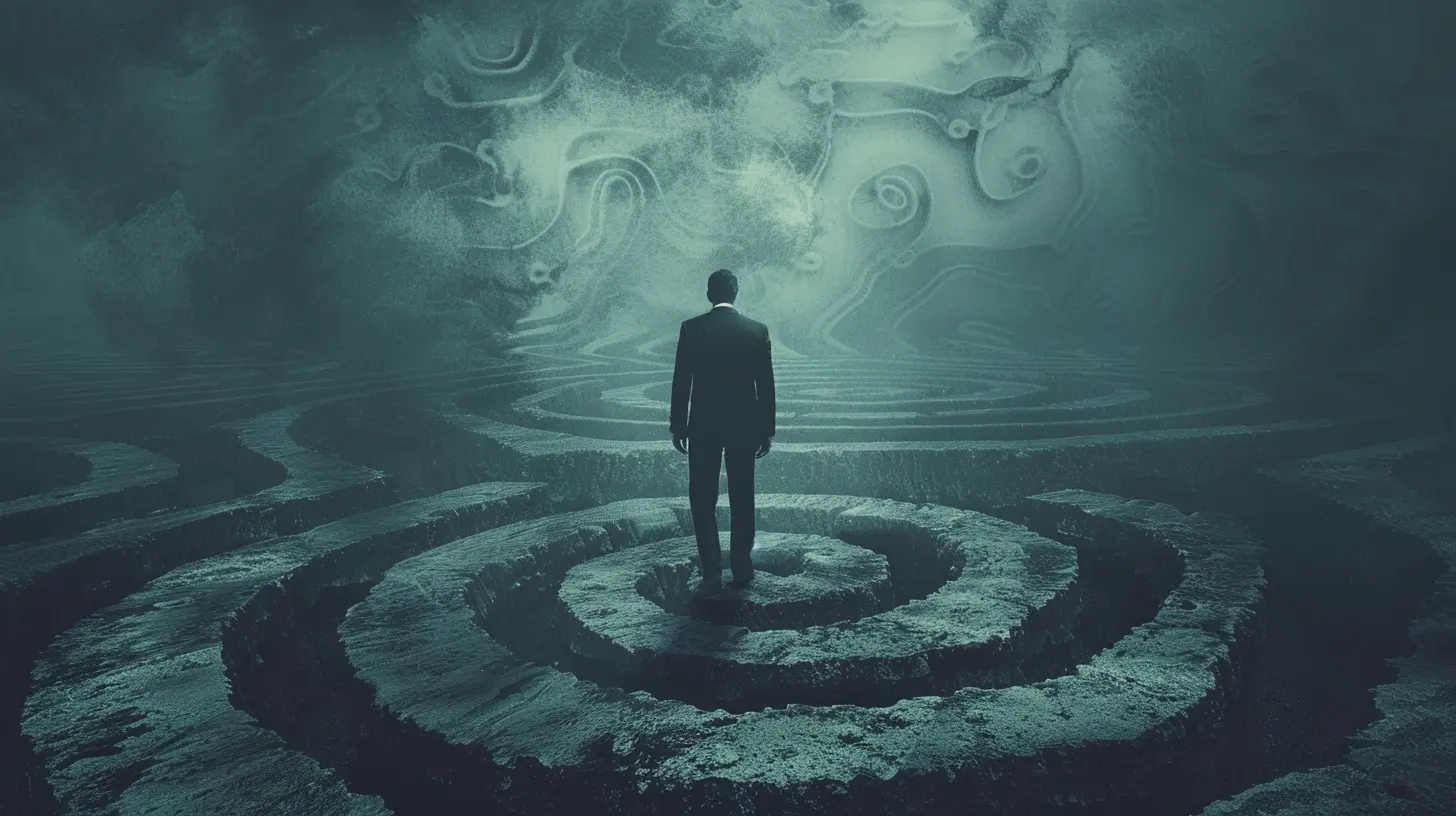
Short-Term Relief, Long-Term Struggles
Here's the cruel irony: avoidance does bring relief... in the short term.Skipping that wedding because you have to fly? You feel better instantly.
But fast-forward months, even years down the road, and the fear has grown roots deep in your psyche. It's no longer just about flying—now it’s about being away from home, then it's about feeling trapped, and before you know it, your world is shrinking.
Avoidance starts small. Then it snowballs.
You're not just missing out on flights—you’re missing out on life.
The Emotional Toll of Avoidance
Avoidance can feel like safety, but it carries a heavy emotional price tag.Every avoided experience weighs on your self-esteem. You begin to think: “Why can’t I do this? What’s wrong with me?”
The fear gets bigger, and so does the shame. You might even start hiding your fear from others because let’s face it—phobias aren’t always easy to explain. It's not just irrationality you're battling—it's isolation.
It feels like you’re building walls to protect yourself… but those same walls start to feel like a prison.
And here’s the heart-breaking part? This all comes from trying not to feel afraid.
Are We All Avoiders?
Truth bomb: We all avoid. It's human nature. No shame in that.If you've ever procrastinated on something uncomfortable, you’ve done the avoidance dance.
But when avoidance becomes chronic, especially in the case of phobias, it’s no longer just a coping mechanism—it becomes a barrier to healing.
So yes, we all wear the avoidance cape from time to time. But phobias? They turn that cape into a straitjacket.
Exposure — The Antidote to Avoidance
So, if avoidance is the fuel, what’s the fire extinguisher?Enter exposure.
It’s the process of gently, gradually, and repeatedly facing your fear. Not all at once—because that’s terrifying—but in baby steps.
And no, exposure isn’t about forcing yourself into panic. It’s about teaching your brain that discomfort isn’t danger.
With time and consistency, your fear starts to shrink. You reclaim power. Your brain starts to learn: “Hey, maybe this isn’t so bad after all.”
Think of it like taking a wild horse and slowly earning its trust.
It won’t happen overnight, but every step toward your fear is a step toward freedom.
Real Talk: Exposure Isn’t Easy
Let’s not sugarcoat this—facing your fear is scary. That’s the whole point. But it’s also liberating.Think of exposure therapy as emotional weightlifting. It's tough, and sometimes you'll want to quit. But over time, your mental muscles grow stronger.
You learn you can handle more than you think. The fear doesn’t disappear overnight, but your relationship with it changes.
Instead of being a helpless passenger, you become the driver.
Avoidance in Action: Common Phobia Scenarios
Let’s run through a few real-world examples.Fear of Public Speaking
Avoidance: Turning down jobs with presentation duties, skipping meetings, or calling in sick whenever you're scheduled to speak.Result: The fear grows, and your career growth takes a hit.
Fear of Dogs
Avoidance: Crossing the street when you see one, avoiding parks, declining invitations.Result: You’re constantly scanning the environment, living on edge.
Fear of Heights
Avoidance: Never going on balconies, skipping amazing hikes, refusing to take elevator rides in tall buildings.Result: The world gets smaller, and you miss out on awe-inspiring experiences.
In all these cases, avoidance feels like protection. In reality, it's a thief, quietly robbing you of joy, connection, adventure, and growth.
Breaking Free from Avoidance: Baby Steps Matter
So, how do you start breaking the grip of avoidance?Here are a few friendly, people-tested tips:
- List your triggers – Write down what you avoid. Awareness is the first step.
- Rank them by intensity – Some fears are milder than others. Start at the bottom of the fear hierarchy.
- Take tiny steps – If you fear dogs, start by looking at pictures. Then maybe watch a video. Eventually, observe one from a distance. Work your way up.
- Track your progress – Journaling can help. Celebrate every little victory.
- Bring a support buddy – Facing fears is tough. A friend’s encouragement can be a game-changer.
- Consider therapy – Therapists trained in CBT (cognitive-behavioral therapy) and exposure therapy are superheroes in disguise.
Remember, it’s not about becoming fearless. It’s about no longer letting fear make decisions for you.
The Light at the End of the Tunnel
When you stop avoiding, something magical happens.You start living again. You laugh in places you used to feel panic. You make memories instead of excuses. Life opens up like a flower turning toward the sun.
The path may be uncomfortable at times, sure. But discomfort? That’s the price of growth.
Avoidance wants to keep you small. But you? You were never meant to be small.
Final Thoughts
Avoidance is the quiet villain in the story of phobias. It pretends to protect, but it only prolongs the fear. It builds walls when you’re craving bridges.Understanding this role doesn’t mean you become fearless overnight—but it does put the steering wheel back in your hands.
Start with kindness. Move at your pace. Trust that with each step towards the thing you fear, you’re reclaiming a part of yourself.
You’ve got more courage than you think. And fear? It's just a feeling—one that doesn't get to run your life unless you let it.
Time to turn toward what scares you—and walk forward, one brave step at a time.
all images in this post were generated using AI tools
Category:
PhobiasAuthor:

Matilda Whitley