The Neuroscience of Subconscious Learning in 2027
18 April 2026
Remember that feeling when you’re driving a familiar route, and you suddenly realize you’ve arrived with zero memory of the last ten minutes? Or when you effortlessly catch a falling object before you’ve even consciously registered it’s slipping? That’s not you zoning out—that’s your subconscious mind, the silent workhorse of your brain, running the show. For decades, this hidden layer of cognition was a fascinating mystery, a black box we knew was powerful but couldn’t truly map. But fast forward to 2027, and the landscape has shifted dramatically. The neuroscience of subconscious learning isn’t just a niche topic for academic journals anymore; it’s a frontier we’re actively colonizing, and the implications are nothing short of revolutionary for how we understand ourselves.
So, let’s pull back the curtain. What’s happening in our labs and tech companies right now that’s set to redefine everything by 2027? Buckle up, because we’re about to dive into the quiet, humming engine room of your mind.

From Shadow to Spotlight: Demystifying the Subconscious
First, a quick reframe. Forget the Freudian idea of a dark cellar filled with repressed desires. The modern neuroscience view of the subconscious is more like a massively parallel, ultra-efficient background processing unit. It’s the part of your brain handling the millions of bits of sensory data, procedural memories, and implicit patterns that your conscious mind—the CEO in the corner office—would be overwhelmed by.Think of it this way: Your conscious mind is the narrow beam of a flashlight, focused and deliberate. Your subconscious is the entire room bathed in moonlight—less focused, but taking in everything at once. Learning, we used to believe, happened only under the flashlight. Now, we know the moonlight is a teacher, too, and a profoundly potent one.
The 2027 Toolkit: How We’re Peering Into the Silent Mind
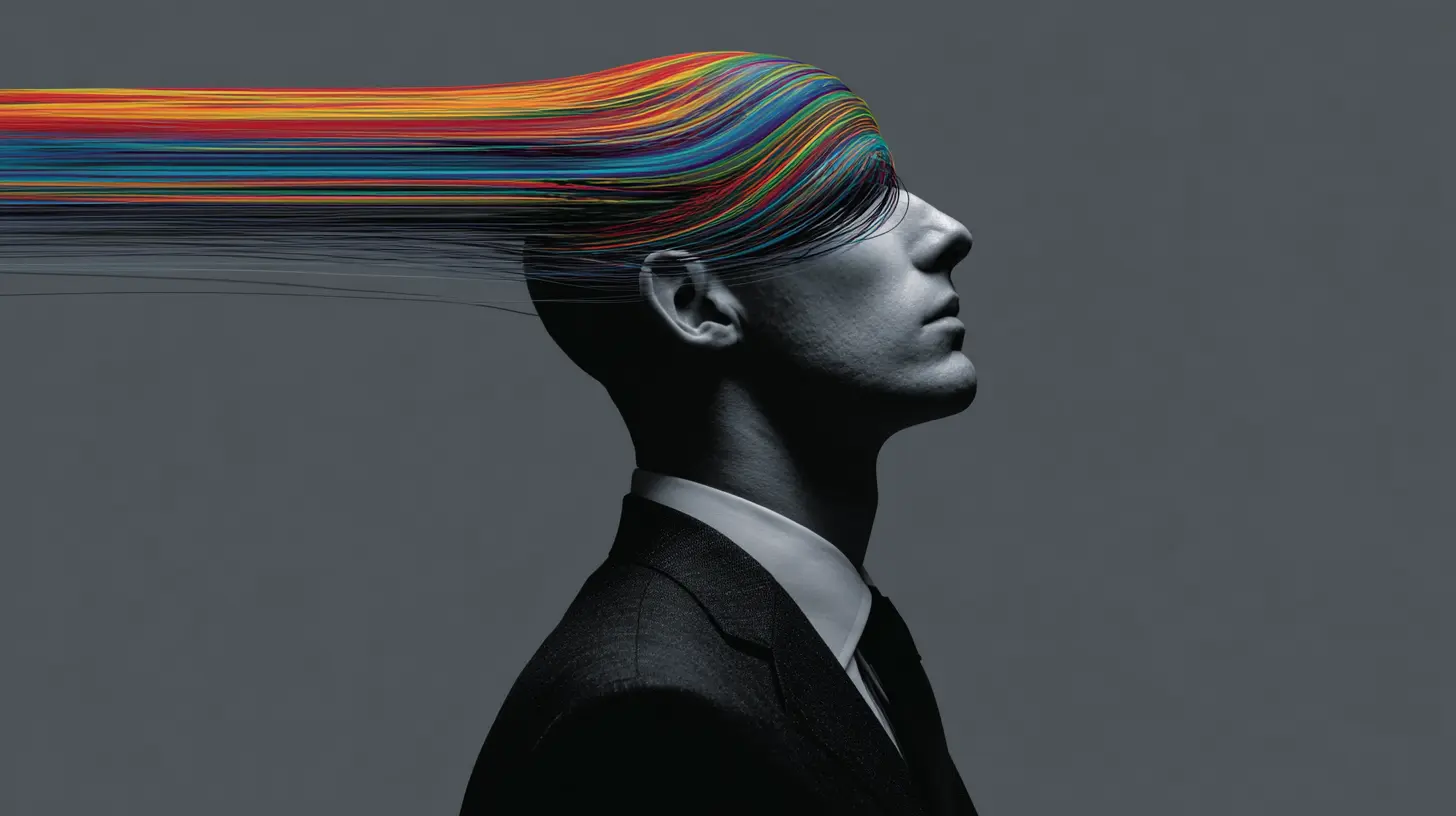
The breakthroughs leading us to 2027 aren’t about a single "Eureka!" moment. They’re about a convergence of technologies that let us observe the brain’s silent language.High-Definition Neuroimaging: We’ve moved far beyond blurry fMRI blobs. By 2027, technologies like 7-Tesla and ultra-high-field fMRI, combined with hyperscanning (watching multiple brains interact), allow us to see the intricate dance of subconscious learning in near-real-time. We can watch as a pattern is silently encoded in the basal ganglia or the cerebellum—regions central to habit formation and procedural memory—long before the prefrontal cortex (the seat of conscious thought) even gets the memo.
Closed-Loop Brain-Computer Interfaces (BCIs): This is where it gets sci-fi real. Non-invasive BCIs (think advanced EEG headbands, not neuralinks) can now detect specific neural signatures of subconscious pattern recognition—a faint "aha" signal in the brain that you aren’t even aware of. The system can then provide subtle, perfectly timed feedback, reinforcing that learning loop entirely beneath the level of conscious awareness. It’s like having a coach who can see the microscopic twitches of your neurons and whisper corrections directly to your nervous system.
Big Data & AI Pattern Recognition: Here’s the external piece of the puzzle. Machine learning algorithms can now analyze our behavior, eye movements, and physiological responses (heart rate variability, subtle micro-expressions) and infer what our subconscious is learning. They can identify the exact moment a skill transitions from clumsy, conscious effort to smooth, automatic execution. This external mirror gives us a data-driven window into our own hidden cognitive processes.
The Silent Classroom: Subconscious Learning in Daily Life (2027 Edition)
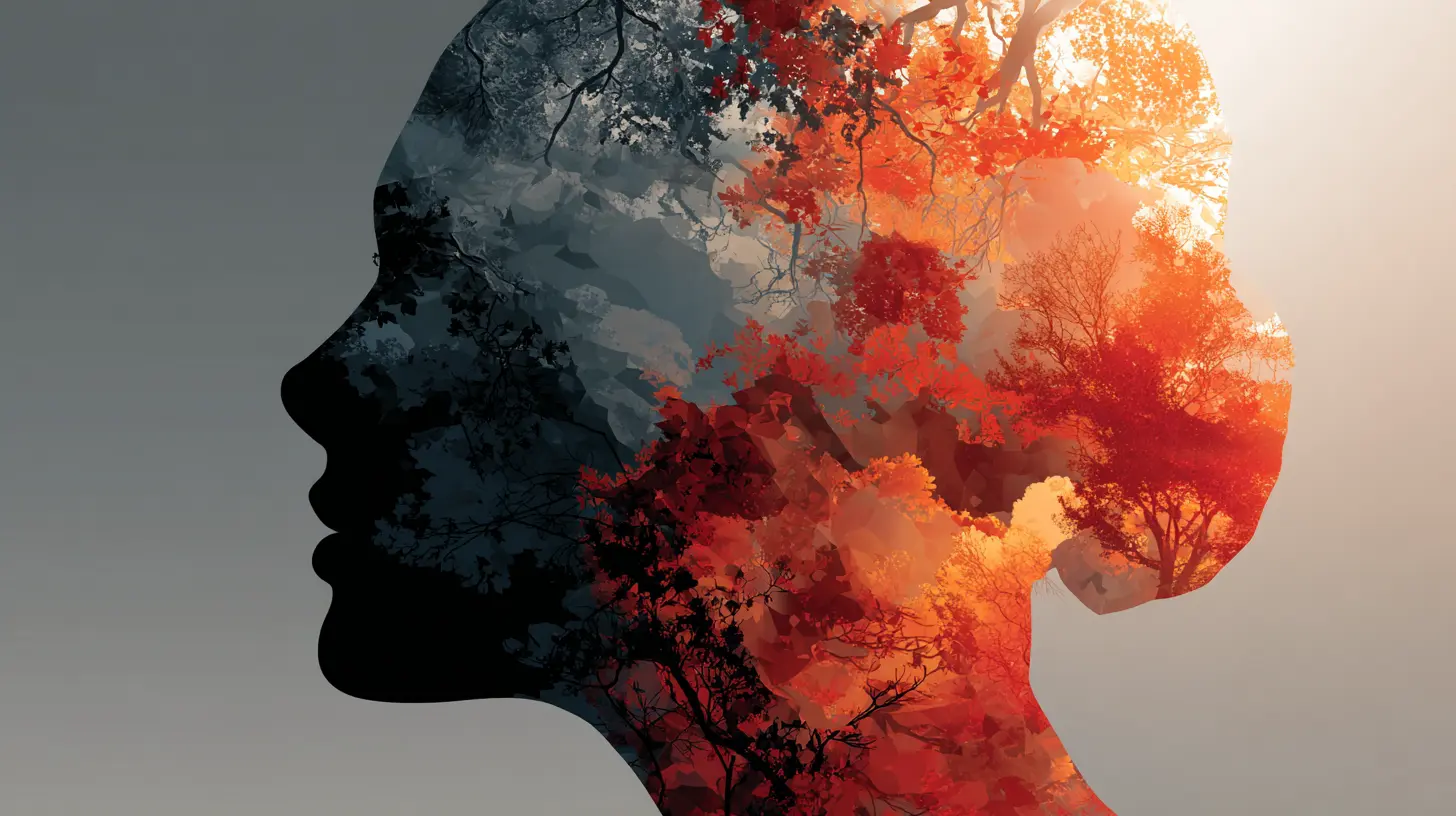
Okay, so the tech is cool. But what does this feel like in 2027? How does this new understanding tangibly change your life?1. Skill Acquisition on Autopilot: Imagine learning a new language or a complex piece of music. Instead of grueling, conscious memorization, your 2027 learning app uses targeted subliminal priming and environmental enrichment. While you sleep, gentle auditory cues reinforce vocabulary. As you go about your day, visual patterns related to grammar structures are woven into your digital wallpaper. You’re not "studying" in the traditional sense; you’re immersing your subconscious in a curated linguistic bath, and one day, you just find yourself thinking in new grammatical structures. The skill baked itself into your neural circuitry.
2. Healing & Therapy Reimagined: For conditions like PTSD, anxiety, or phobias, conscious talk therapy can sometimes hit a wall. The 2027 approach uses subconscious memory reconsolidation. Through VR environments and neurofeedback, therapists can help the brain access and subtly rewrite fear-based implicit memories without triggering a full-blown conscious anxiety attack. It’s like defragging the hard drive of trauma while the main computer (your conscious mind) is peacefully occupied elsewhere.
3. The "Intuition" Explosion: Ever have a gut feeling about a decision? That’s often your subconscious presenting a summary of vast, processed data. By 2027, we’re better at trusting and training this. Through biofeedback, we learn to recognize the somatic markers—that slight tension or relaxation in the body—that signal our subconscious’s verdict. Decision-making becomes less about endless pros-and-cons lists and more about accessing this deep, aggregated wisdom.
The Ethical Tightrope: Power Comes With Responsibility
Now, let’s hit pause. This power to influence the subconscious directly is a double-edged sword, and 2027’s biggest conversations are ethical ones.If we can implant learning subliminally, what’s to stop neuromarketing from evolving into a form of neural persuasion that bypasses our rational defenses entirely? How do we protect cognitive liberty—the right to self-determination over one’s own brain processes? The regulations and public discourse in 2027 are racing to catch up with the technology. The core question becomes: Just because we can speak directly to the subconscious, should we? And who gets to decide the message?
This isn't about fear-mongering; it's about mindful navigation. The tools themselves are neutral. Their impact depends entirely on the intention behind them—towards healing and growth, or towards manipulation and control.
Your Brain in 2027: A Partnership of Conscious and Subconscious
So, what’s the ultimate takeaway for you, right here, right now, as we speed toward this future?The biggest shift is in perspective. By 2027, we stop seeing our subconscious as a wild, untamable beast or a dusty attic. We start seeing it as a partner. The goal of the new neuroscience isn’t to make everything subconscious, rendering us automatons. It’s to create a seamless, fluent partnership between our conscious goals and our subconscious capabilities.
You’ll set a conscious intention: "I want to be a more patient person." And then, instead of just white-knuckling your way through frustration, you might use a tool that helps your subconscious recognize the early physiological signs of impatience and automatically trigger a calming neural pathway. The conscious mind sets the destination; the subconscious, now understood and trainable, becomes the expert navigator for the journey.
This is the promise of 2027: a move from being passive passengers in our own minds to becoming skilled collaborators with our deepest neural architectures. We’re learning the language of our own silent superpower. And as that conversation opens up, the potential for human growth, resilience, and creativity expands in ways we are only beginning to dream of. The future of learning isn’t just about absorbing more information; it’s about finally listening to, and partnering with, the wisest, quietest part of ourselves that’s been learning all along.
all images in this post were generated using AI tools
Category:
The Subconscious MindAuthor:

Matilda Whitley
Discussion
rate this article
2 comments
Solenne McIlroy
In 2027, my brain will finally learn how to remember where I left my keys!
May 12, 2026 at 3:40 PM
Matilda Whitley
That's the hope! Our brains have such incredible potential for improvement and adaptation. Here's to mastering those everyday challenges!
Cypher Webster
This article provides a fascinating glimpse into the evolving understanding of subconscious learning. By integrating neuroscience with educational practices, it opens up new avenues for effective learning strategies. However, we should also consider individual differences in learning styles and experiences.
April 18, 2026 at 4:13 AM
Matilda Whitley
I appreciate your insights. Balancing neuroscience with individual learning differences is crucial for developing effective strategies. Thank you for highlighting that.