The Link Between Psychosomatic Disorders and Gut Health
13 May 2026
Let’s be real—when your mind is a mess, your body often feels it too, doesn’t it? You get that nervous stomach before a job interview, feel nauseous after a stressful event, or maybe just can’t shake off that fatigue no matter how much sleep you get. That’s not just in your head, and it's not just about stress. There's a deep, fascinating connection between our mental health and our digestive system that science is only recently starting to unpack. Welcome to the unexpected crossroads of psychosomatic disorders and gut health.
What Are Psychosomatic Disorders, Anyway?
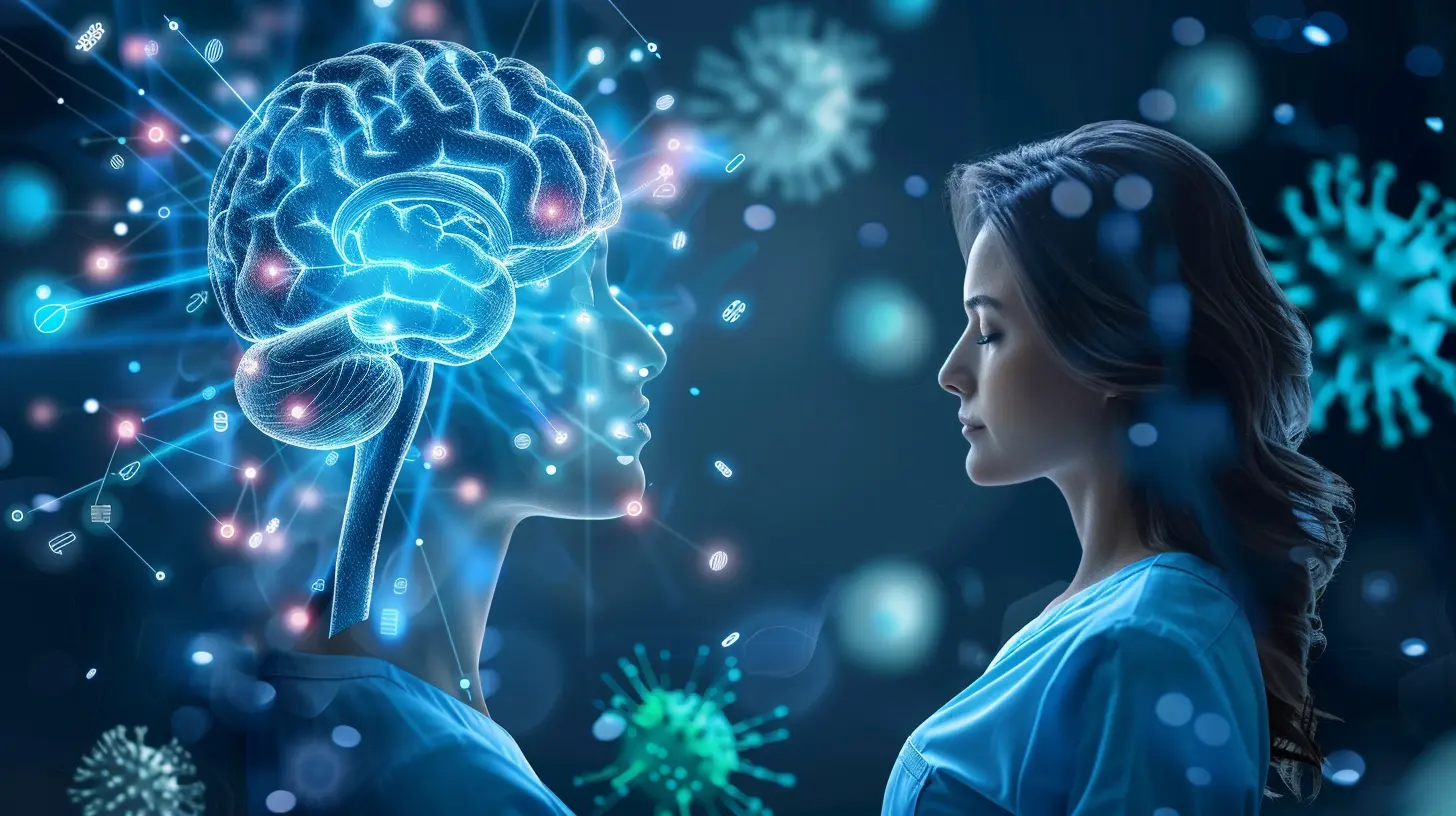
Alright, first things first—what do we mean by "psychosomatic"? The word itself sounds pretty clinical. But let’s break it down."Psychosomatic" comes from two words: "psyche" (mind) and "soma" (body). So, psychosomatic disorders are physical illnesses or symptoms that are caused, aggravated, or prolonged by mental factors like stress, anxiety, or depression.
Sounds kinda wild, right? But think about it: ever had a tension headache after a crazy day? Or stomach cramps with no clear medical explanation, right when life gets overwhelming? You’re not imagining things. The mind and body aren’t separate units—they're teammates constantly communicating.
Psychosomatic symptoms are very real and can be just as debilitating as physical conditions with clear biological causes. They often include:
- Chronic pain (especially back, neck, joints)
- Fatigue and weakness
- Digestive issues like IBS (Irritable Bowel Syndrome)
- Headaches and migraines
- Heart palpitations or chest tightness
Now, here’s where things get even more interesting—enter the gut.
Your Gut: More Than Just a Digestive Machine
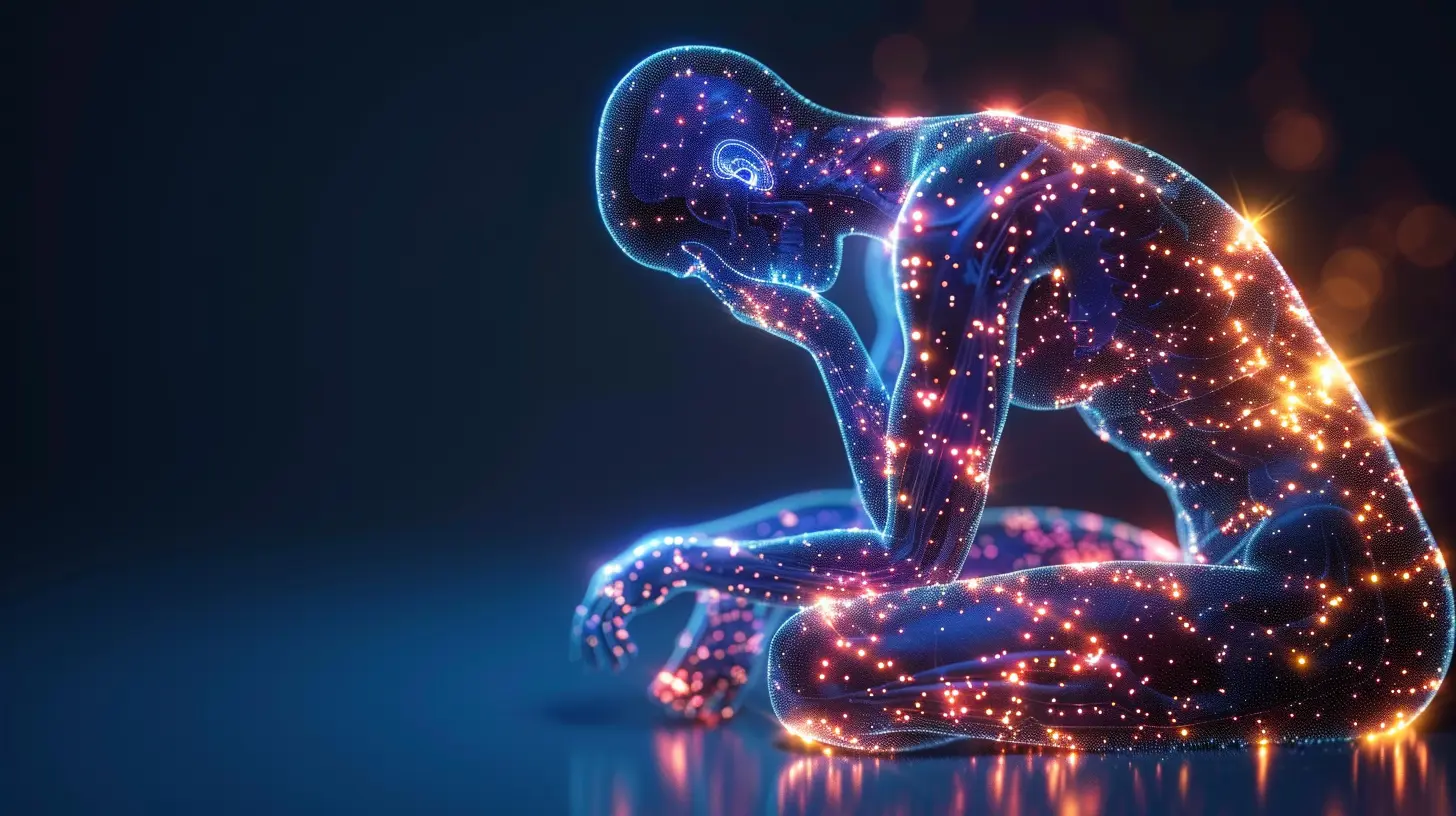
We often treat our gut like a food processor—just throw stuff in, and it does its job. But the gut is way more than that.Your gastrointestinal tract is an incredibly complex system, home to a vast community of bacteria (known as the gut microbiome) and tightly linked to your brain through what scientists call the gut-brain axis. This two-way communication system allows your gut and brain to send messages back and forth constantly.
Ever heard of "gut feelings"? That’s not poetic nonsense—it’s biology.
The Gut-Brain Axis: Your Internal Messaging App
Think of the gut-brain axis like WhatsApp for your insides. Messages zip back and forth through hormones, neurotransmitters (like serotonin and dopamine), and the vagus nerve—a superhighway linking your digestive tract directly to your brainstem.It’s how your brain knows when your belly’s full. But it’s also how your gut can tell your brain things aren’t quite right, and vice versa.
In fact, about 90% of serotonin—your body’s "feel-good" chemical—is produced in the gut, not the brain. Mind blown, right?
So when your gut is out of whack—due to stress, antibiotics, a poor diet, or illness—it can seriously affect your mood, mental clarity, and emotional stability.
How Gut Health Influences Psychosomatic Disorders
Let’s dive into the juicy part of this whole story: how your gut health and psychosomatic disorders are intertwined.1. Stress Changes Your Gut (And Fast)
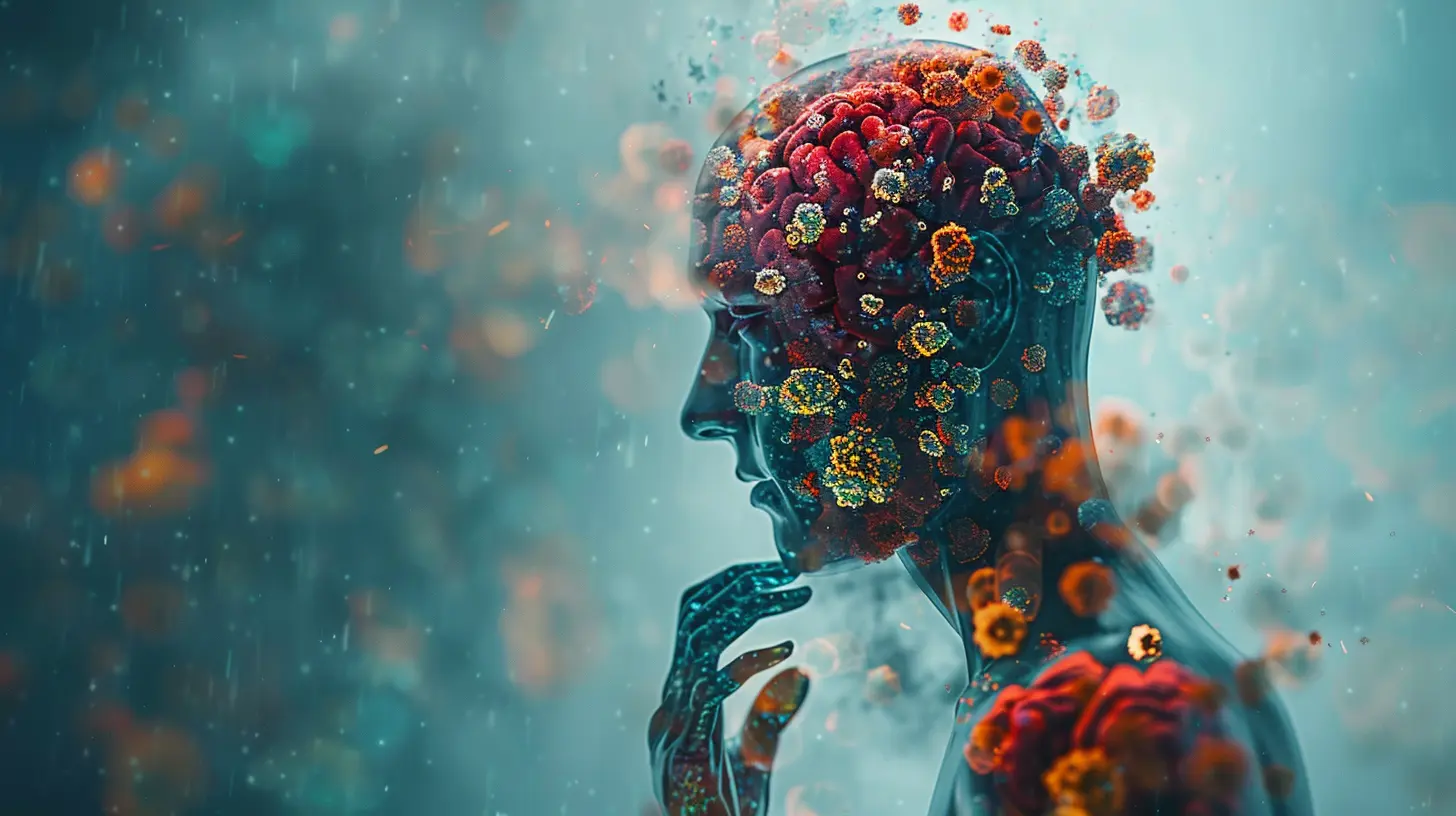
You know that awful stomach drop when you're anxious? Or the way your appetite disappears when you're overwhelmed? That’s not just mind games—it’s your nervous system flooding your gut with stress hormones like cortisol and adrenaline.Chronic stress can thin the lining of your gut, mess with digestion, and encourage the growth of bad bacteria. Over time, this imbalance (called dysbiosis) contributes to inflammation—not just in your belly, but throughout your whole body. And inflammation is a sneaky accomplice in many mental illnesses, including depression and anxiety.
So it’s a vicious circle: stress messes with your gut, which feeds back into your mental health, which then worsens the physical symptoms… and around we go.
2. Gut Inflammation Feeds Into Emotional Pain
Let me paint you a picture. Imagine you’ve got a leaky pipe in your basement (your gut). Water starts seeping into the floors (your bloodstream), and before long, your living room (your brain) gets some damage, too.That’s similar to what happens when your gut gets inflamed or develops what's known as "leaky gut." Harmful substances sneak into your bloodstream, triggering your immune system and inflammation all over your body—including your brain.
Inflammation in the brain messes with neurotransmitters, which can lead to symptoms like brain fog, irritability, and even depression. This is where psychosomatic symptoms really take hold in a person's experience.
3. Gut Bacteria and Mood Disorders
Now let’s talk bugs. Not the gross kind, but the tiny bacteria living in your gut.These microbes aren’t just digesting your food. They’re basically tiny factory workers producing neurotransmitters and immune signals that affect how you feel. When your gut flora is balanced, you’re more likely to feel emotionally stable. But when the bad bugs take over? Anxiety, depression, and a whole host of psychosomatic symptoms can flare up.
Some studies have even shown that people with IBS—a classic psychosomatic disorder—often have totally different gut bacteria than healthy individuals.
Isn’t it wild to think your mood could partly depend on what's happening in your intestines?
Real Talk: What Symptoms Might You Experience?
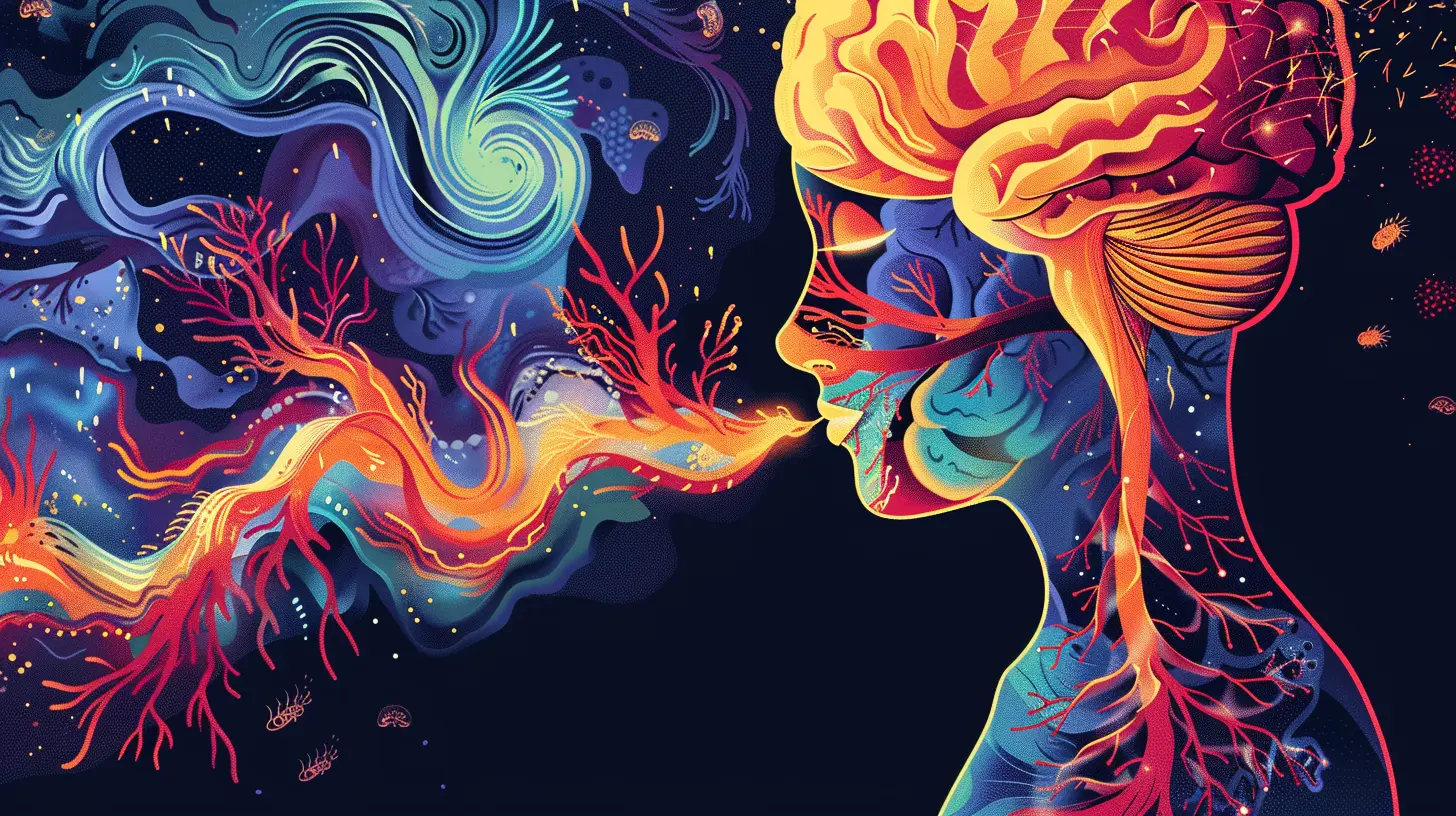
Here’s where things get practical. How exactly do psychosomatic disorders driven by gut health show up in your daily life?You might experience:
- Nausea or stomach pain with no clear cause
- Anxiety or panic attacks that seem random
- Chronic fatigue even if you sleep well
- Joint or muscle pain with no injury
- Changes in appetite or weight
- Brain fog and concentration issues
- Mood swings or depression that don’t respond to traditional therapy
Doctors often run tests and find—nothing. Which can be frustrating, right? But if no one looks at your gut, they're missing a huge piece of the puzzle.
Healing the Gut to Soothe the Mind (and Body)
The good news? The gut is incredibly resilient. With the right care, you can nurture your gut and potentially ease psychosomatic symptoms in the process.Here’s what can help:
1. Probiotics and Prebiotics
These little guys are your gut’s best friends. Probiotics introduce beneficial bacteria, while prebiotics feed them. Think of it like hosting a house party and then making sure everyone’s fed.- Probiotic foods: yogurt, kefir, sauerkraut, kimchi, kombucha
- Prebiotic foods: garlic, onions, bananas, oats, asparagus
Supplements can help too, but food sources are often more beneficial and easier for your system to handle.
2. Eat a Rainbow (Seriously)
A diverse, fiber-rich diet feeds a diverse microbiome. That means more colors on your plate—berries, leafy greens, sweet potatoes, legumes. Think of your gut bacteria like picky diners: each one has its favorite dish.3. Ditch the Processed Junk
Sugar, processed foods, and artificial additives are like throwing gasoline on the inflammation fire. They promote bad bacteria and can weaken your intestinal lining.4. Manage Stress (Seriously, Don’t Skip This)
Even with the best diet, if your stress levels are through the roof, your gut will struggle.Try:
- Mindfulness or meditation
- Gentle exercise like yoga or walking
- Journaling to release mental clutter
- Spending time in nature
- Deep-breathing exercises
Your nervous system and your gut will thank you.
5. Sleep Like It’s Your Job
Your gut follows your circadian rhythm—aka your internal body clock. Poor sleep doesn’t just make you cranky; it messes with your digestion and microbial balance too.Aim for 7–9 hours per night, and keep a regular sleep schedule even on weekends.
When to Seek Help
Look, healing your gut can help a ton. But psychosomatic disorders can be complex and emotionally heavy. Don’t try to DIY your way through crippling symptoms alone.If you’re experiencing ongoing physical symptoms that are affecting your quality of life—especially if they’re paired with anxiety, depression, or trauma—reach out to a doctor, therapist, or integrative health practitioner. A team approach often works best.
Functional medicine doctors can test your gut health, and therapists can help untangle the emotional side. There’s no shame in asking for help—ever.
Final Thoughts: It’s All Connected
We often forget that our mind and body are part of the same system—one ecosystem, not separate machines. Psychosomatic disorders aren't "all in your head," and your gut isn't just about digestion. They're part of a fascinating, delicate cycle where every piece affects the other.So the next time you’re feeling emotionally off, don’t just think about your brain. Think about your belly, too. Tuning into your gut might just be the missing piece you’ve been looking for.
And honestly? That’s pretty empowering.
all images in this post were generated using AI tools
Category:
Psychosomatic DisordersAuthor:

Matilda Whitley
Discussion
rate this article
1 comments
Runeveil McClain
Gut feelings really do matter! It's wild how our stomachs can influence our moods. Let's keep our guts happy to boost our mental well-being... who knew digestion could be so powerful?
May 18, 2026 at 4:03 AM
Matilda Whitley
Absolutely! Our gut is like a second brain, and taking care of it can really enhance our mood and overall mental health. It's fascinating how these connections work.