The Interplay of Psychosomatic Disorders and the Immune System
28 November 2025
Have you ever experienced a tension headache before a big presentation? Or fallen ill just when life felt overwhelmingly stressful? That’s not just coincidence. It’s your mind and body having a deep (and sometimes messy) conversation. Welcome to the fascinating world where psychology meets immunology — a complex but captivating relationship between psychosomatic disorders and the immune system.
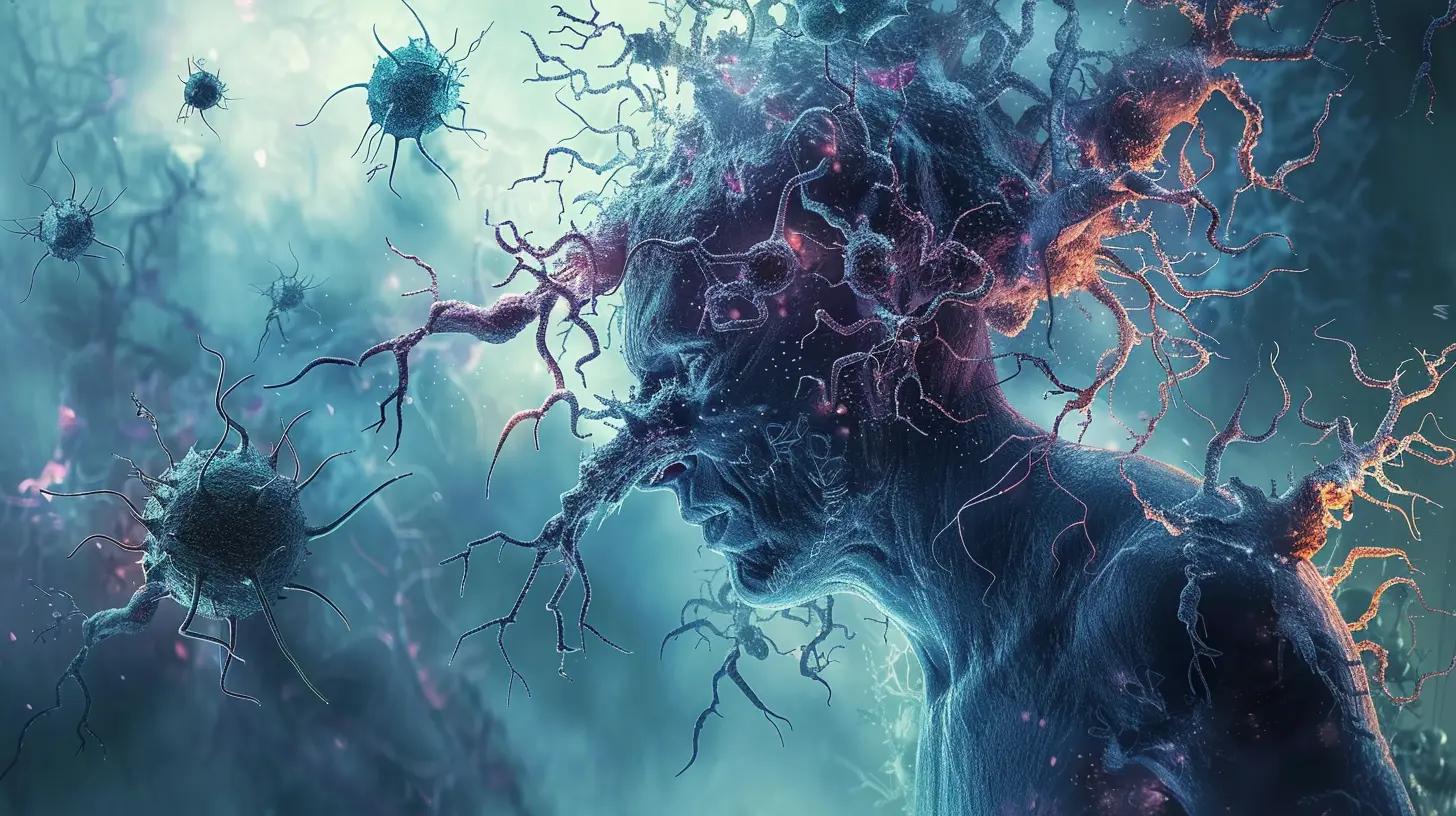
What Are Psychosomatic Disorders?
Let’s start simple. The word psychosomatic might sound like a medical tongue-twister, but it really breaks down to “psyche” (mind) and “soma” (body). Psychosomatic disorders are physical diseases or symptoms that are either caused or made worse by mental factors like stress, anxiety, or depression.But here's the catch — the symptoms are real. This isn’t “all in your head.” Your body responds to what your brain is thinking and feeling. So, if you’re in constant emotional turmoil, your body might start sounding the alarm — in the form of pain, fatigue, or even chronic illness.
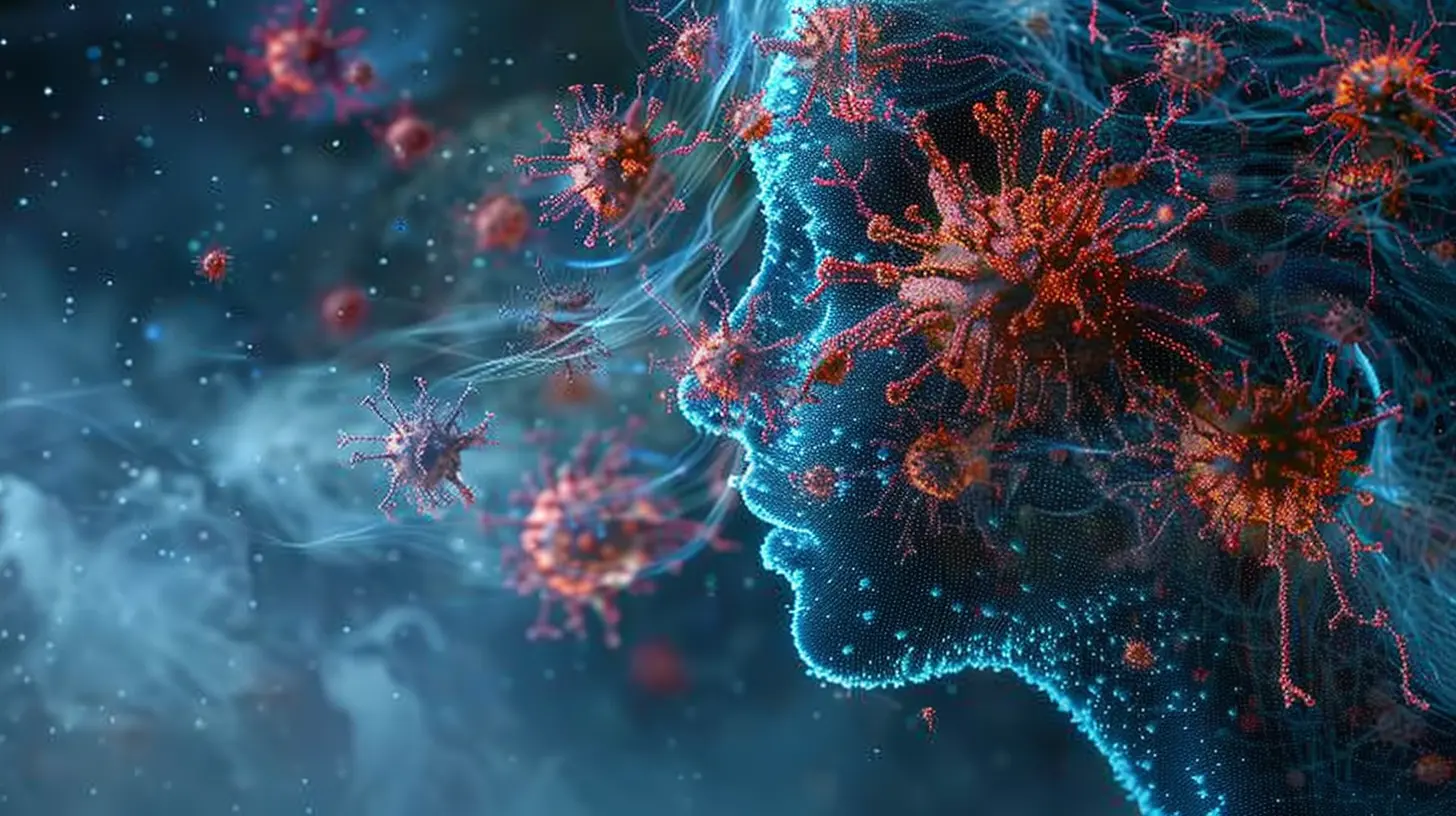
Understanding the Immune System’s Role
Now, what does your immune system have to do with this? Quite a bit, actually.Think of your immune system as your body’s own personal security detail. It’s always on alert, patrolling for threats like viruses, bacteria, and other invaders. But just like a security guard under chronic stress might miss a few important cues, your immune system, when overworked by stress, can start to malfunction.
Here’s How It Works:
When you're under stress — emotional or psychological — your brain tells your body to release stress hormones like cortisol and adrenaline. Initially, these hormones help you cope. But when stress becomes chronic, your body stays in that “high alert” mode. Over time, that suppresses immune function, makes inflammation go haywire, and can actually lead to physical symptoms or illnesses.It’s like trying to sprint a marathon. Your system was built for short bursts of stress — not the long haul.
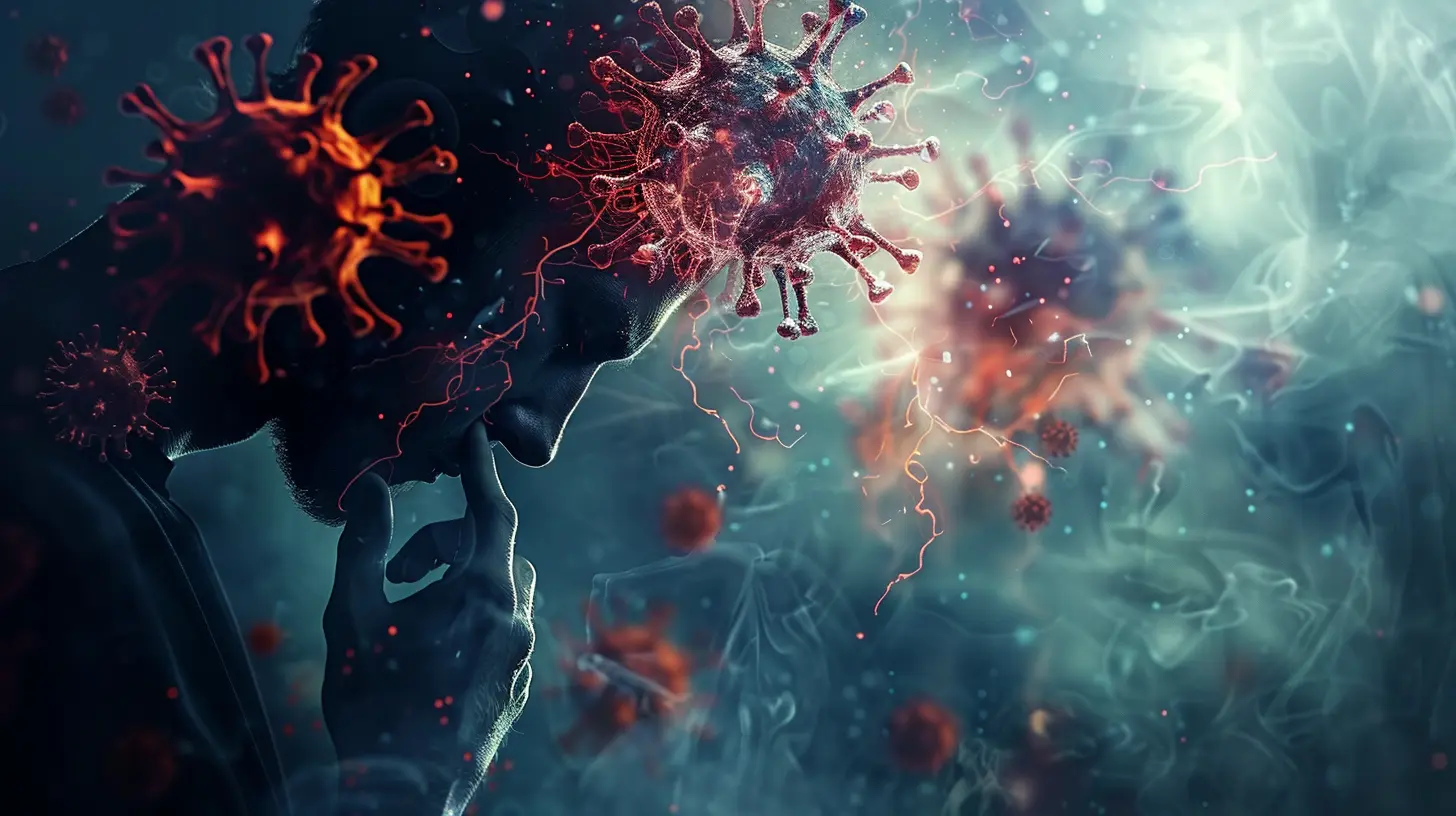
The Brain-Body Connection Is Real
Science has come a long way, and today we know that mental and physical health are intertwined. The brain constantly communicates with the body through a network of neurons, hormones, and chemical messengers.When emotions become intense or prolonged, they can trigger physical responses — from a racing heart to digestive issues. Over time, this constant “talk” between your brain and body can wear down your defenses, making you more vulnerable to illness.
Ever heard someone say, “I was literally sick with worry”? Well, they may have been more accurate than they realized.
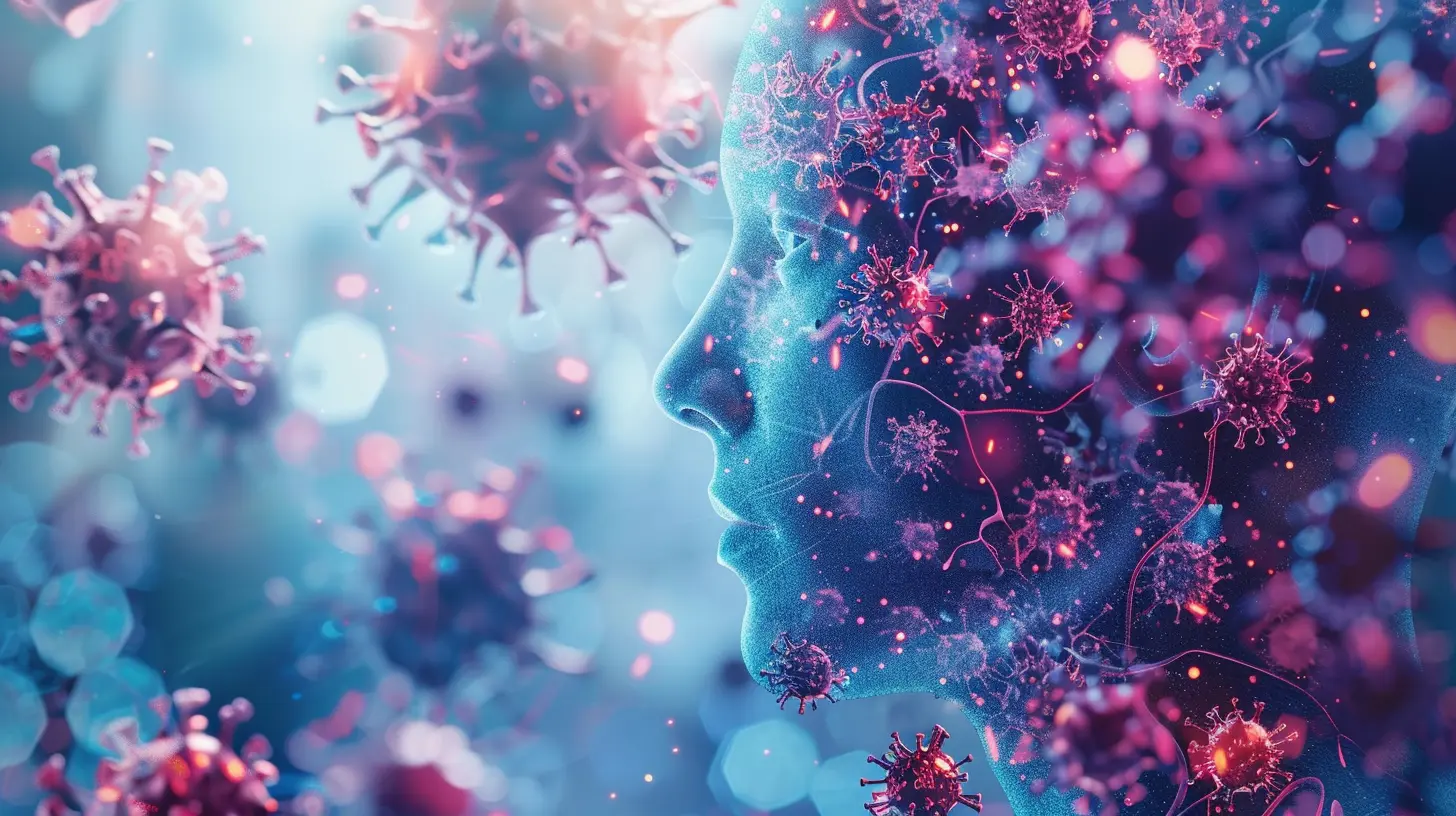
Examples of Psychosomatic Disorders with Immune Involvement
Let’s look at some common psychosomatic conditions and how the immune system tags along for the ride:1. Irritable Bowel Syndrome (IBS)
IBS is often linked with anxiety and stress. People with IBS frequently report worse symptoms during periods of emotional upheaval. Research shows a connection between gut health, stress, and immune function — a trio often called the “gut-brain-immune axis.”2. Chronic Fatigue Syndrome (CFS)
This condition, often misunderstood and misdiagnosed, is believed to have both psychosomatic and immune elements. Many sufferers report the onset of symptoms after a period of extreme stress or following a viral infection. Here, the immune system may be stuck in overdrive, contributing to symptoms like exhaustion, pain, and brain fog.3. Autoimmune Conditions
Conditions like lupus, rheumatoid arthritis, and multiple sclerosis are primarily immune-driven. And while they aren’t caused by mental stress, we know that stress can trigger flare-ups or worsen symptoms. It’s another reminder that our mental environment has the power to affect physical disease.4. Psoriasis
This skin condition, which involves an overactive immune response, often worsens with stress. Emotional stress can intensify inflammation, leading to more breakouts. Some people even report flare-ups after traumatic events.The Science Behind It: Psychoneuroimmunology
Yep, there’s an actual field dedicated to this — psychoneuroimmunology (PNI). That’s a mouthful, right?PNI explores how your thoughts and emotions (psycho), influence your nervous system (neuro), and immune system (immunology). It’s basically where psychology, neurology, and biology sit at the same lunch table.
Studies in this field show that chronic stress doesn’t just mess with your mood; it tweaks your immune system’s behavior too. It can decrease white blood cell count, increase pro-inflammatory cytokines, and even slow down your body’s ability to heal.
Stress and Inflammation: A Vicious Cycle
Inflammation is your body’s natural defense mechanism — the biological equivalent of firefighters rushing to a blaze. But imagine if those firefighters kept showing up long after the fire was out. That’s what chronic inflammation looks like.And stress? It’s like someone pulling the fire alarm over and over again. It keeps your immune system in a constant state of emergency — exhausting your defenses and setting the stage for illness.
Many psychosomatic disorders are associated with low-grade chronic inflammation. It’s not enough to knock you off your feet immediately, but over time, it does damage.
Emotional Health Is Physical Health
Here’s the good news: you’re not powerless in this. In fact, small changes in how you think and feel can have a big impact on your body.Let’s not separate mental and physical health like they’re two different worlds. When you work on one, you’re also supporting the other.
Practicing good emotional hygiene might include:
- Mindfulness and Meditation: These practices lower cortisol, calm the nervous system, and bring balance to immune responses.- Therapy: Cognitive-behavioral therapy (CBT) has shown real promise in reducing symptoms of psychosomatic disorders.
- Regular Exercise: Not only does it improve your mood but also strengthens your immune function.
- Sleep and Nutrition: They may sound basic, but they’re non-negotiables. Your body heals while you rest, and your immune cells literally feed on good nutrition.
Why This Matters More Than Ever
In our fast-paced, always-on society, stress has become the norm. But here’s your reminder to slow down and tune into your mental well-being.Ignoring mental health doesn’t just hurt emotionally — your immune system pays the price too. Understanding the interplay between psychosomatic disorders and the immune system empowers you to take control of your health in a more holistic, personalized way.
When to Seek Help
If you’re experiencing unexplained physical symptoms — like fatigue, stomach pain, or frequent infections — and you suspect stress might be playing a role, don’t brush it off. Talk to your healthcare provider. There’s no shame in saying, “I think my body is reacting to my emotions.”It’s smart. It’s self-aware. And it might just be the key to healing.
Final Thoughts
Thinking of your body and mind as separate is old-school. We’re now in an era where science and personal experience both confirm: your thoughts, emotions, and stress levels deeply influence your body’s health.The interplay of psychosomatic disorders and the immune system isn’t just some abstract concept. It’s happening inside you every day. The more you listen, nurture, and care for your mental well-being, the stronger and more resilient your body becomes.
Your immune system is listening to your feelings — what are you telling it today?
all images in this post were generated using AI tools
Category:
Psychosomatic DisordersAuthor:

Matilda Whitley
Discussion
rate this article
1 comments
Spencer Pruitt
This article beautifully highlights the connection between our mind and body. Understanding psychosomatic disorders can empower us to embrace holistic wellness. By nurturing our mental health, we can bolster our immune system, leading to a healthier, more vibrant life. Together, let's prioritize our mental and physical well-being for a brighter future!
November 29, 2025 at 3:51 PM
Matilda Whitley
Thank you for your insightful comment! I completely agree that nurturing our mental health is essential for overall well-being and can significantly impact our physical health.