The Importance of Support Systems When Battling Phobias
23 July 2026
Phobias can be downright paralyzing. Whether it's an irrational fear of heights, social situations, or even something seemingly harmless like butterflies, the grip of a phobia is often intense and overwhelming. But here's the good news—you don’t have to face it alone.
Having a strong support system can make all the difference when it comes to overcoming fears. The encouragement, understanding, and motivation provided by loved ones can help turn what feels like an impossible mountain into a manageable hill. In this article, we’ll dive deep into why support systems are crucial when battling phobias and how you can build one that works for you.

Understanding Phobias: More Than Just "Being Scared"
Before we go any further, let's be clear—phobias aren’t just about being a little nervous or uneasy. They are intense, irrational fears that can trigger severe anxiety, panic attacks, and avoidance behaviors.Phobias can stem from a variety of factors, including:
- Past traumatic experiences – A bad experience can leave a lasting impact, making the brain associate certain situations with danger.
- Genetics and upbringing – Sometimes, phobias run in families, whether learned or inherited.
- Brain function and chemistry – Some people are naturally more prone to anxiety, making them more susceptible to developing phobias.
Regardless of the cause, one thing remains true—phobias can feel incredibly isolating. And this is where a strong support system steps in.
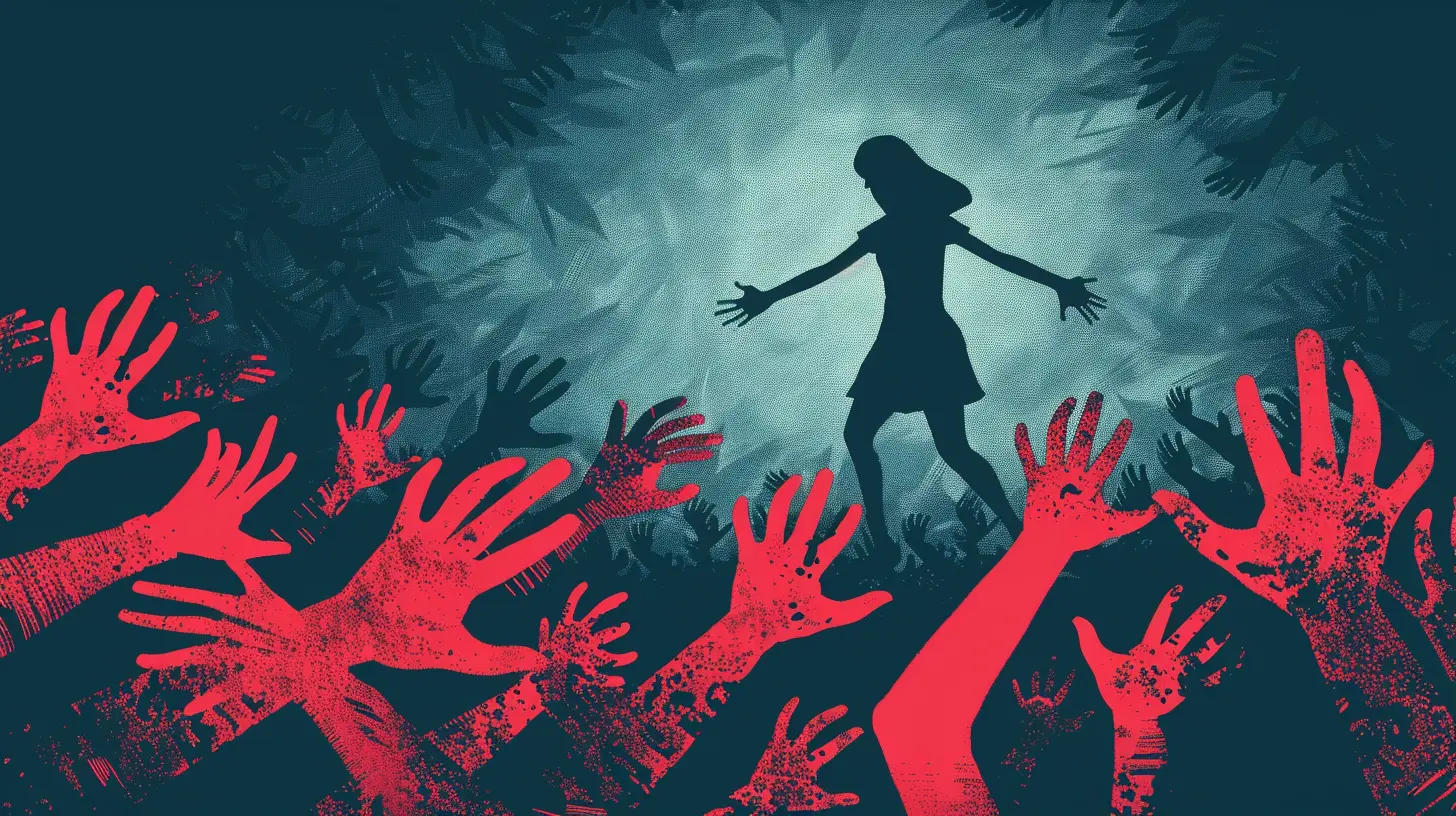
How a Support System Helps in Battling Phobias
1. Emotional Encouragement: Someone Who Gets It
Phobias can make you feel weak or even ashamed. You might think, "Why can't I just get over this?" But having supportive friends, family, or even a therapist assures you that you're not alone.Your loved ones can remind you that your fear doesn’t define you. They can provide a judgment-free environment where you feel safe talking about your struggles rather than bottling them up. And trust me, knowing someone has your back makes a world of difference.
2. Practical Support: A Hand to Hold
Facing your fears requires action, and it’s often easier when someone is there to support you through it. Imagine you have a fear of flying. Booking a flight alone might feel unthinkable, but having a trusted friend or family member travel with you makes the challenge feel more bearable.From accompanying you to therapy sessions to simply being there when you try exposure techniques, a support system provides the motivation you sometimes struggle to find on your own.
3. Encouragement to Seek Professional Help
Sometimes, phobias require professional intervention, like therapy or medication. However, taking that first step can be terrifying. A support system can gently encourage you to seek help and even help find reputable specialists for you.Many people with phobias hesitate to reach out for professional help due to embarrassment or fear of judgment. With the encouragement of loved ones, that barrier becomes a little easier to break.
4. Accountability: A Push in the Right Direction
Let’s be honest—battling a phobia is hard work. You might commit to facing your fears one day and completely back out the next. That’s where your support system comes in.Think of them as your personal cheerleaders, reminding you why you started and holding you accountable to your progress. Whether it's a text message checking in on your exposure exercises or a phone call before a big challenge, their support can keep you on track.
5. Shifting Perspective: The Power of Outside Insight
Fear has a way of distorting reality. Your brain might tell you that speaking in public is a life-threatening situation, but an outside perspective can help reframe things. Having someone rational to talk to can help you challenge those irrational fears and see them from a different angle.Sometimes, just hearing, “You’ve got this!” from a loved one can be the exact boost you need.

Building Your Own Support System
Now that we know how crucial support systems are, the next step is creating one. A support system doesn’t just happen overnight—it takes effort to build and nurture the right relationships.1. Identify Your Safe People
Not everyone is going to understand your struggles, and that’s okay. Focus on surrounding yourself with individuals who:- Listen without judgment
- Offer encouragement rather than criticism
- Understand (or at least try to) what you’re going through
This could be family members, close friends, support groups, or even an online community where others share similar experiences.
2. Communicate Your Needs Clearly
Your friends and family aren’t mind-readers. If you need specific help—like someone to accompany you to a therapy session or just to check in once in a while—let them know. The clearer you are about your needs, the more effective your support system can be.3. Seek Professional Guidance
A therapist or counselor can be an invaluable part of your support system. Cognitive Behavioral Therapy (CBT), exposure therapy, and other techniques have been proven to help manage phobias. Having a professional in your corner ensures you're taking evidence-based steps towards overcoming your fears.4. Engage in Support Groups
Sometimes, the best support comes from people who have walked in your shoes. Support groups, both online and offline, provide a space where you can share experiences, exchange coping strategies, and feel understood.5. Reciprocate Support
Relationships are a two-way street. While you're leaning on others for support, be sure to offer encouragement and kindness in return. A strong support system isn’t just about receiving help—it’s about building mutual trust and care.
The Role of Self-Support in Overcoming Phobias
While external support is crucial, self-support is just as important. Learning how to manage your own mindset and emotions plays a huge role in conquering fears.- Practice self-compassion – Be kind to yourself. Overcoming phobias takes time, and setbacks are normal.
- Develop healthy coping mechanisms – Meditation, deep breathing, and mindfulness can help manage anxiety when facing your fears.
- Celebrate small wins – Didn’t completely panic when confronted with your fear? That’s progress! Recognizing every small victory keeps you motivated.
Support from loved ones is powerful, but it’s equally vital to become your own biggest cheerleader.
Final Thoughts
Phobias can be isolating, frustrating, and even life-limiting, but no one has to fight them alone. A strong support system—whether made up of family, friends, professionals, or support groups—can be the key to overcoming even the deepest fears.If you're struggling with a phobia, reach out. Let someone in. The road to healing is much easier when you don’t have to walk it alone.
all images in this post were generated using AI tools
Category:
PhobiasAuthor:

Matilda Whitley