The Fundamental Attribution Error: Misjudging Situations and Personalities
1 January 2026
Have you ever met someone who came across as rude, only to find out later they were just having a really bad day? Or maybe you caught yourself thinking someone was lazy, but later found out they were going through something tough behind the scenes?
Yeah—been there, done that. Welcome to the tricky world of the Fundamental Attribution Error.
This psychological phenomenon slips into our daily lives more often than we’d like to admit. It quietly warps the way we perceive others, nudging us into assumptions, judgments, and misunderstandings. It’s like using a blurry lens to judge the world around us, and yet most of the time, we don’t even know it’s there.
So, what exactly is this mental blind spot, and how is it shaping your every interaction without your permission?
Let’s dig in. And fair warning—once you see it, you can’t unsee it.
What is the Fundamental Attribution Error?
Let’s start simple.The Fundamental Attribution Error (FAE) is a term from social psychology. It’s the tendency we all have to overestimate someone's personality or character and underestimate the influence of the situation they’re in when explaining their behavior.
In other words, if someone cuts us off in traffic, we might instantly think, “What a jerk!” instead of wondering, “Hmm, maybe they’re late to pick up their sick kid from school.”
The real kicker? We rarely do this when it comes to ourselves. When we mess up, we usually have a perfectly reasonable explanation—right?
We’re tired. We had a long day. We didn’t sleep well. The situation made us act that way.
But when it's someone else? Suddenly, it's all about their character.
Sound familiar?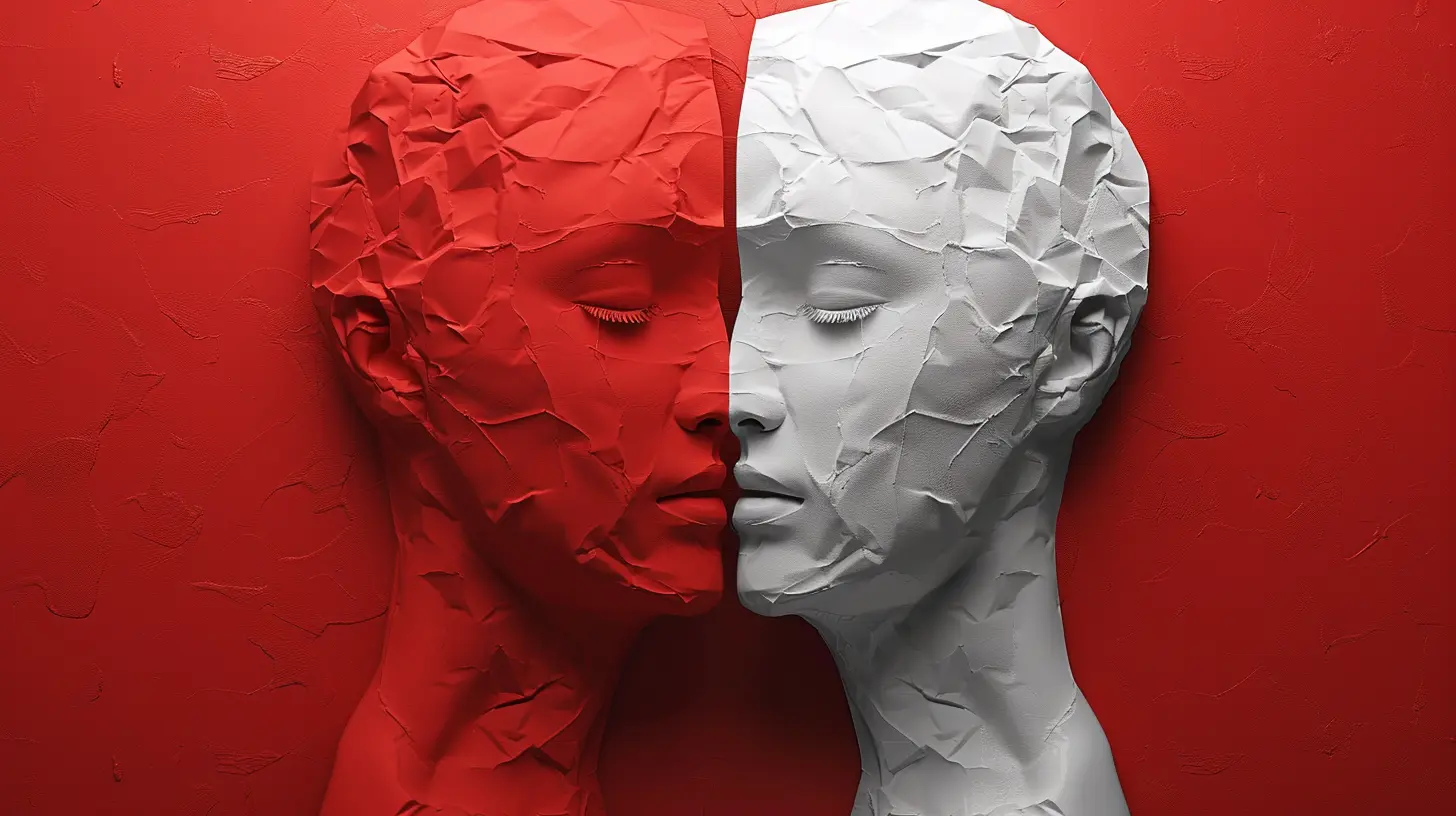
A Quick Example: The Coffee Shop Incident
Imagine this.You're in line at your favorite coffee shop. The person in front of you is snappy with the barista. They roll their eyes and sigh loudly because their drink is taking too long.
Your first thought? “Ugh, what a rude person.”
But what you don’t see is that they just got news their dog needs emergency surgery and they’re running late for their second job.
You analyzed their character—rude, impatient—without considering what might be going on in their life. That’s the Fundamental Attribution Error in action.
You made a snap judgment. We all do. Every day.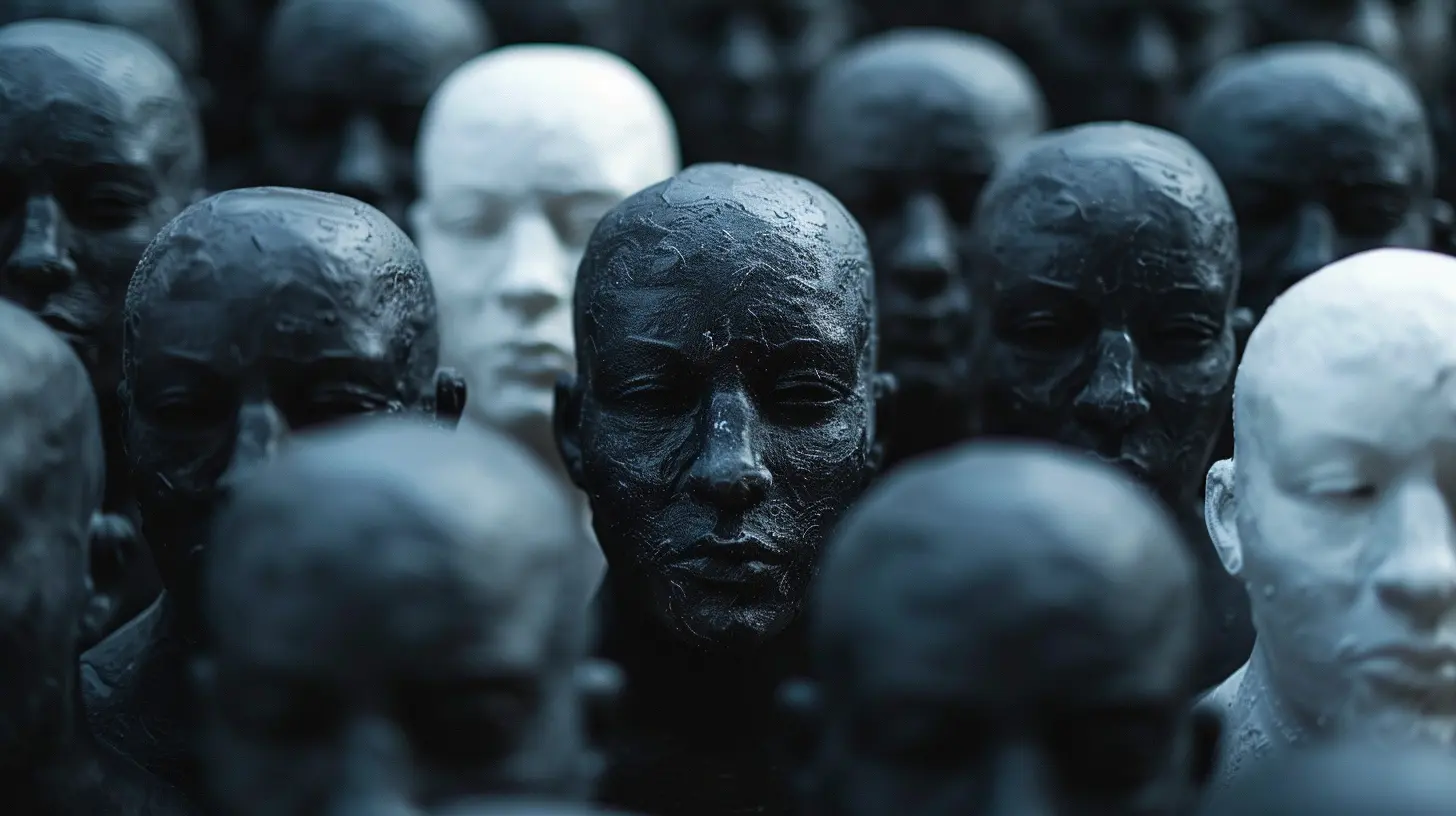
Where Did This Idea Come From?
The term was coined by Lee Ross in 1977, and it shook the psychology world. He built on earlier findings from Fritz Heider, who believed that people naturally try to explain others’ actions—either by blaming internal traits (their personality) or external factors (their situation).But Ross took it a step further and said: “Hey, we have a bias here. We lean too hard on personality explanations and don’t give the situation enough credit.”
And guess what? Decades of research later, the theory still holds up.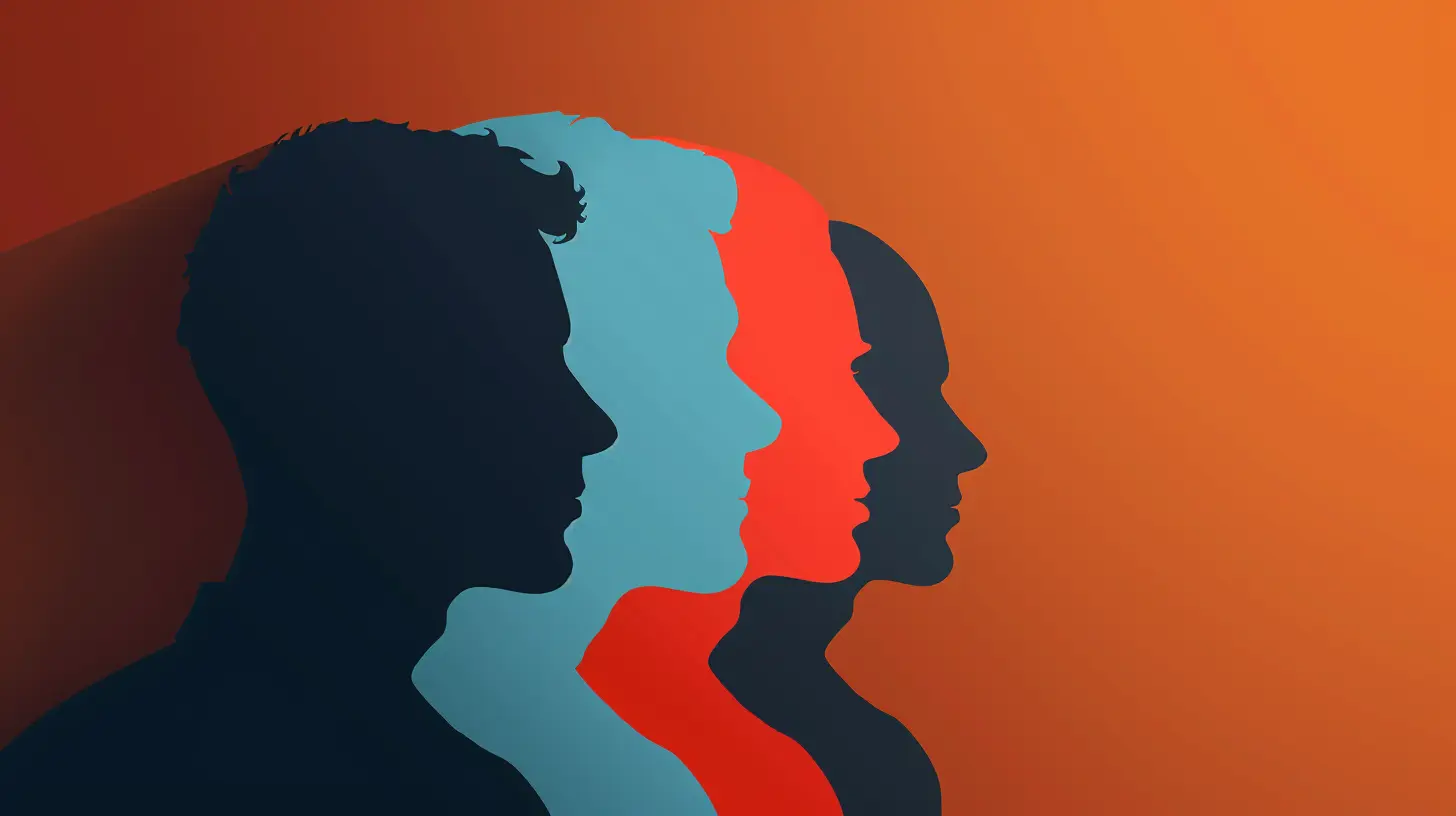
Why Do We Make the Fundamental Attribution Error?
Great question.There are a few reasons our brains like this shortcut:
1. Information Gap
We just don’t know what someone else is going through. We don’t see the stress, pressure, or pain behind their actions. But we do see what they're doing—and that makes it easy to judge.2. Ego Protection
Let’s be real: no one likes to think they could act poorly. So when we mess up, we blame the situation. But when others mess up? Well, they must just be that kind of person. It protects our self-image.3. Mental Shortcuts (Heuristics)
Our brains are lazy. Not in a bad way—just efficient. Judging someone’s personality takes less brainpower than considering all the possibilities. So we grab the fastest, easiest explanation. It's like your brain saying, "That guy's just rude, moving on."4. Cultural Influence
In Western cultures especially, we’re big on individualism. "You are responsible for your actions," right? So we’re more likely to look at personal traits than environmental ones. In collectivist cultures, like many in Asia, the situation plays a stronger role in how behavior is understood.When the Error Becomes a Problem
Most of the time, we don’t even notice we’re doing it.But here’s where it gets dangerous.
Relationships Suffer
If you're always assuming people are intentionally being difficult, you're gonna have a hard time being patient. Or empathetic. Or, you know, kind.It Fuels Stereotypes
We start making generalizations like, “People from that group are lazy,” or “Those kinds of people are always angry.” All based on surface-level behavior, not real understanding. That’s how biases breed.It Affects Workplaces
Managers might call an employee “unmotivated” without recognizing burnout, lack of support, or unclear expectations. Goodbye morale, hello turnover.Justice Gets Twisted
Judges, jurors, police officers—everyone makes these mental slips. Imagine how dangerous that can be when real decisions with real consequences are on the line.Let’s Flip the Mirror: The Actor-Observer Bias
Ready for an ironic twist?There’s a close cousin to the Fundamental Attribution Error called the Actor-Observer Bias. It’s basically this: when we are the actor, we blame the situation. When we are the observer, we blame the person.
So if we show up late, we say, “There was traffic.” But if someone else shows up late? “They’re irresponsible.”
Wild, right?
It’s like we’re starring in our own movie, and everyone else is just a side character with really shallow backstories.
Can We Overcome the Fundamental Attribution Error?
Short answer? Yeah. But it takes some effort.This bias is automatic, but not unchangeable. The first step is spotting it. And now that you know what it looks like, you’re already ahead of most people.
Here’s How to Combat It:
1. Ask Yourself "What Else Could Be True?"
Before jumping to conclusions, pause and ask: “What might be going on that I can't see?” It opens a mental door that judgment usually tries to slam shut.2. Walk a Mile in Their Shoes
Try to imagine what their day might have been like. You don’t need the full story. Just enough to build empathy.3. Catch Those Snap Judgments
You’ll know you’re doing it when you hear yourself saying things like “They’re just that kind of person.” When you hear that voice—pause.4. Use the “Flip Test”
Would you blame the situation if you were acting the same way? If yes, then maybe give them the same benefit of the doubt.5. Embrace Curiosity, Not Certainty
It’s okay not to know why someone did what they did. Let go of the need to explain everything through labels. “They’re rude”… or maybe they’re human.The Hidden Power of Giving Grace
Here’s a truth bomb: life becomes easier when we stop taking things so personally.When we let go of the belief that every bad interaction is about us or about someone being a bad person, we free ourselves. We create space—for compassion, kindness, and better relationships.
And honestly, we all mess up. We all have our moments. Wouldn’t you want someone to understand what you were going through rather than writing you off?
Let’s do the same for others.
Everyday Scenarios Where FAE Pops Up
Let’s test your new awareness. Recognize any of these?- Someone doesn’t reply to your text → “They’re ignoring me.”
- Your coworker looks annoyed → “She’s always in a bad mood.”
- The driver next to you honks → “He’s an aggressive jerk.”
- A teenager is scrolling on their phone → “Kids these days are so disrespectful.”
And we rarely stop to think...
- Maybe they’re overwhelmed with messages.
- Maybe she got bad news.
- Maybe he’s late for work.
- Maybe that kid is texting their mom to say they’re safe.
See the pattern?
A Final Thought (or Three)
The truth is, human beings are complex. Their actions are tangled up in emotions, stress, timing, and a hundred invisible threads we’ll never see.So maybe the next time someone snaps at us, we can take a breath instead of biting back. Maybe judgment can give way to curiosity. Maybe we can remember that we, too, are sometimes the rude customer, the distracted driver, the person having a moment.
And wouldn't it be nice to believe that people are trying their best—even when it doesn't look like it?
Because often... they actually are.
all images in this post were generated using AI tools
Category:
Psychological BiasAuthor:

Matilda Whitley
Discussion
rate this article
2 comments
Hattie Gibson
In shadows cast by judgment's glare, We see not souls, but masks they wear. To understand is to see the whole, Beyond the surface, find the soul.
February 5, 2026 at 3:17 AM
Matilda Whitley
Thank you for beautifully capturing the essence of understanding beyond appearances. It aligns perfectly with the need to look deeper in addressing the fundamental attribution error.
Lulu Howard
Oops, I’ve done this too!
January 6, 2026 at 4:37 AM
Matilda Whitley
It's a common experience! We all fall into that trap sometimes. Thanks for sharing!