The False Memory Bias: How Our Minds Create Memories That Never Happened
28 March 2026
Ever been 100% sure that something happened, only to find out—awkwardly—that it didn’t? Maybe you “remember” a conversation your friend swears never took place. Or you’re convinced your childhood dog was a golden retriever, but family photos show a scruffy-looking beagle. What gives?
Welcome to the twisty world of false memory bias. It’s not just a brain glitch—it's a weird psychological phenomenon that affects almost everyone at some point. You might be shocked to learn that your brain, your trusty life narrator, sometimes makes things up. Yep, even the memories you feel most confident about can be fake news.
In this article, we're diving into how our brilliant-but-flawed minds invent memories that never actually happened, why our brains do this, and what it means for things like courtrooms, relationships, and even your sense of self.
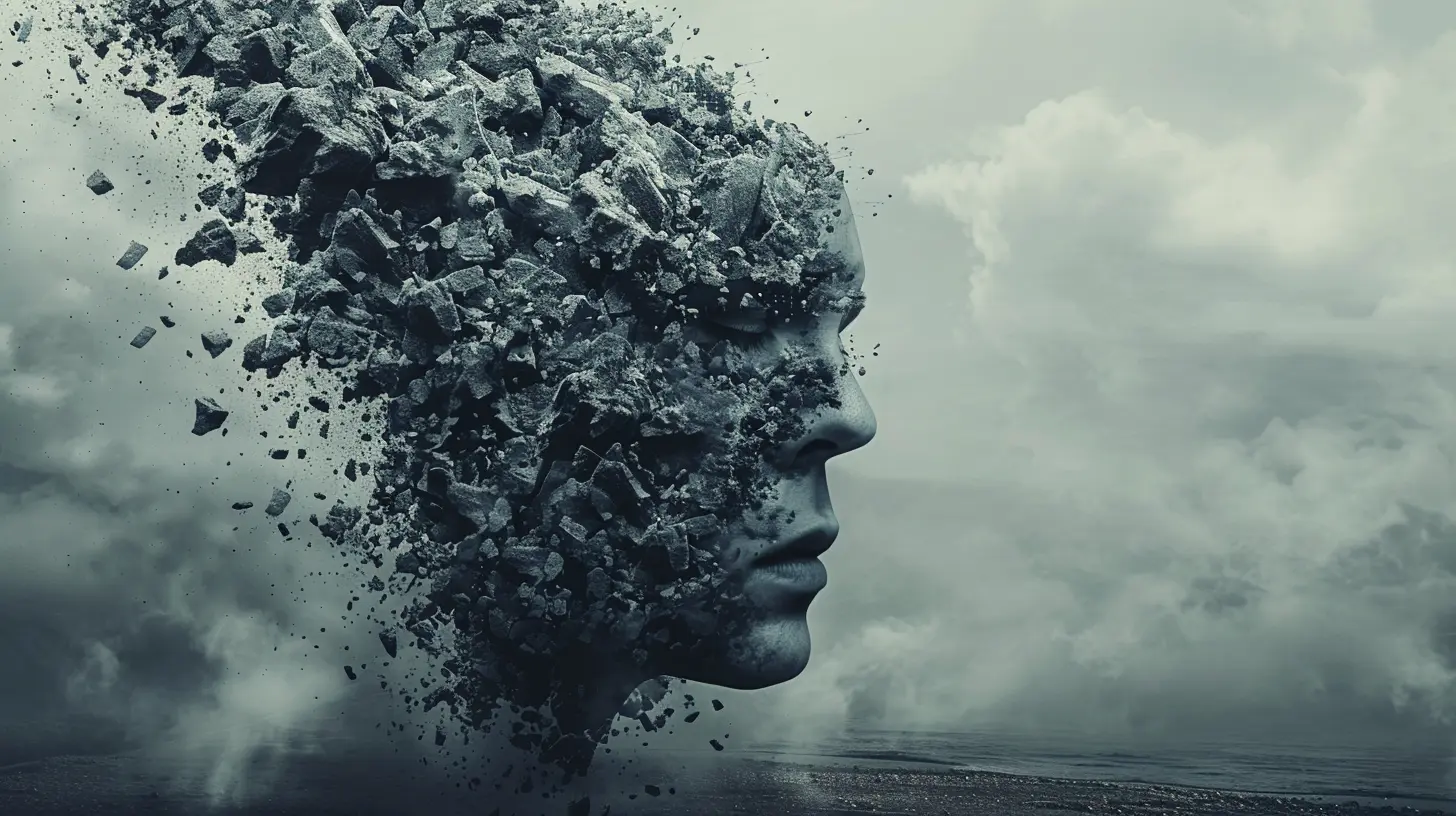
🧠 What is False Memory Bias?
Alright, let’s clear something up first—false memory bias isn’t just forgetting something. It’s when your brain creates a vivid, confident memory of something that never took place. It feels just as real as your last birthday, but it’s completely made up.False memory bias is basically your brain being a brilliant storyteller...and a terrible fact-checker.
It happens when your mind fills in the blanks or tweaks the narrative based on emotions, expectations, or even stuff you've seen in movies or heard from others. Over time, those little mental edits harden into “memories.” And then? We believe them like gospel.
Famous Example: The Mandela Effect
Ever think Nelson Mandela died in the 1980s? You’re not alone. Tons of people “remember” seeing news reports or even attending memorials. But nope—he passed away in 2013. This mass false memory is known as the Mandela Effect, and it’s one of the most talked-about examples of how collective memory can go rogue.
🧬 Why Does Our Brain Create False Memories?
Good question. Your brain isn't trying to mess with you on purpose. It's just... doing its best with what it’s got.Here’s the deal: memory isn’t like a video recording. It’s more like a heavily edited movie—written, directed, and produced by a tired brain that’s constantly juggling info.
1. Memory is Reconstructive, Not Reproductive
We don’t press “rewind” on memories; we rebuild them every time we recall them. That opens the door for errors and assumptions to sneak in. Think of it like playing telephone with yourself. Each retelling can slightly change the story, and eventually, fiction feels like fact.2. Schemas Influence What We “Remember”
We all have mental frameworks—called schemas—that help us make sense of the world quickly. If something lines up with our expectations, we might “remember” it even if it never happened.Example? If you go to a doctor’s office, you expect to see a stethoscope. Later, you might swear you saw one in the room even if it wasn’t there. Your brain fills it in automatically.
3. Misinformation is a Memory Killer
Have you ever been told about an event so many times that you’re sure you were there—even though you weren’t? That’s how misinformation seeps in and mutates memory. Your mind takes outside inputs (like stories, photos, or leading questions), and blends them into your own memory bank.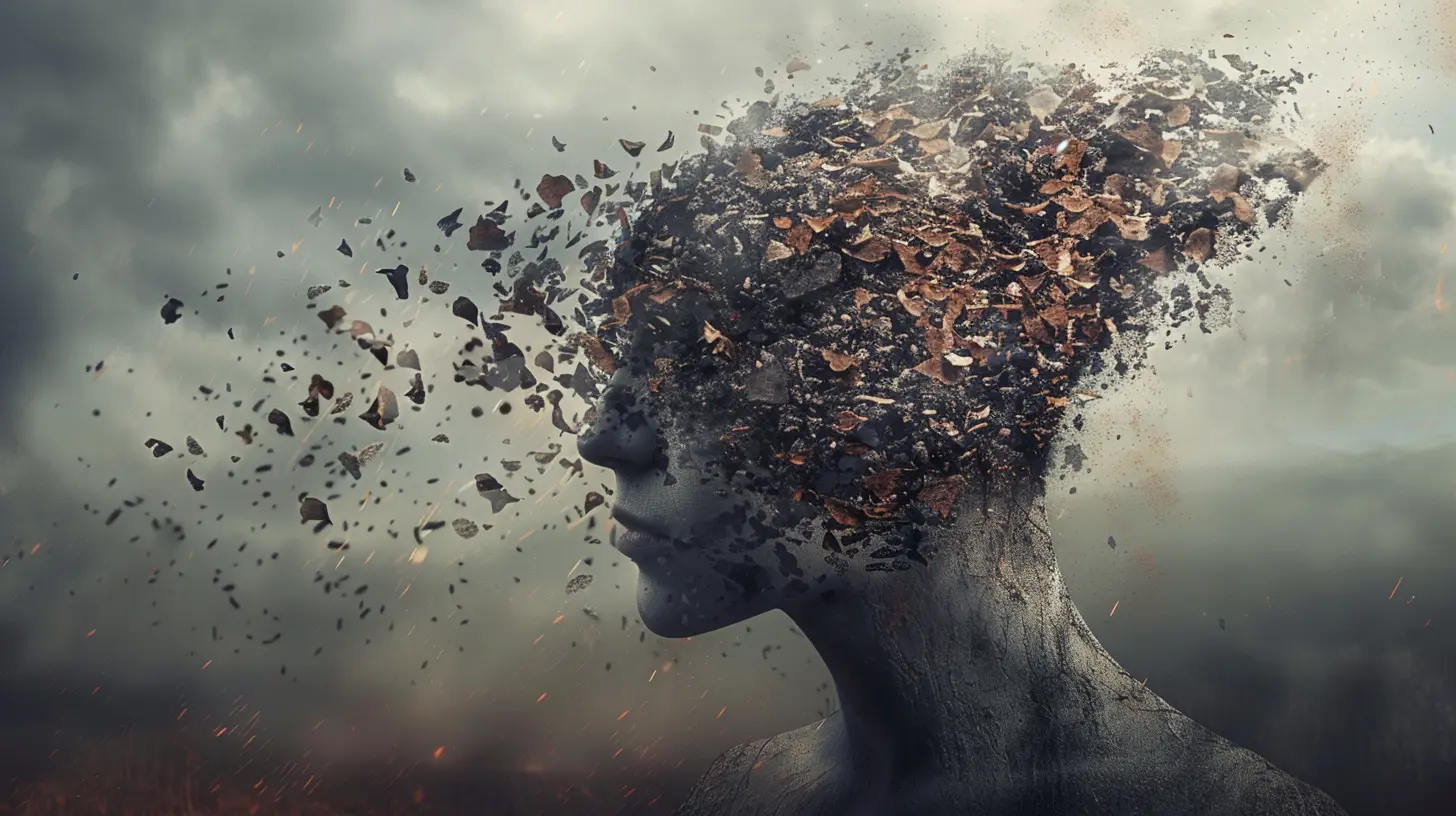
🎭 Real-Life Impacts of False Memory Bias
Sure, false memories can be funny. But they can also be seriously dangerous. Let’s talk about where this bias really hits hard.1. In the Courtroom
Eyewitness testimony can make or break a case. But guess what? Eyewitnesses aren't always reliable. A study showed that people can "remember" seeing a suspect commit a crime just because they were shown a doctored photo. Innocent people have literally gone to prison over faulty memories.2. In Therapy
False memories can unfortunately pop up during therapy, especially if suggestive techniques are used. In the 1990s, there were serious controversies involving “recovered memories” of abuse that were later proven to be false. It left deep scars for everyone involved.3. In Relationships
Ever argued with someone because you “remember” them saying something they insist they didn’t? False memories can fuel misunderstandings and even end relationships. It becomes a battle of “my memory vs. yours”—and no one wins.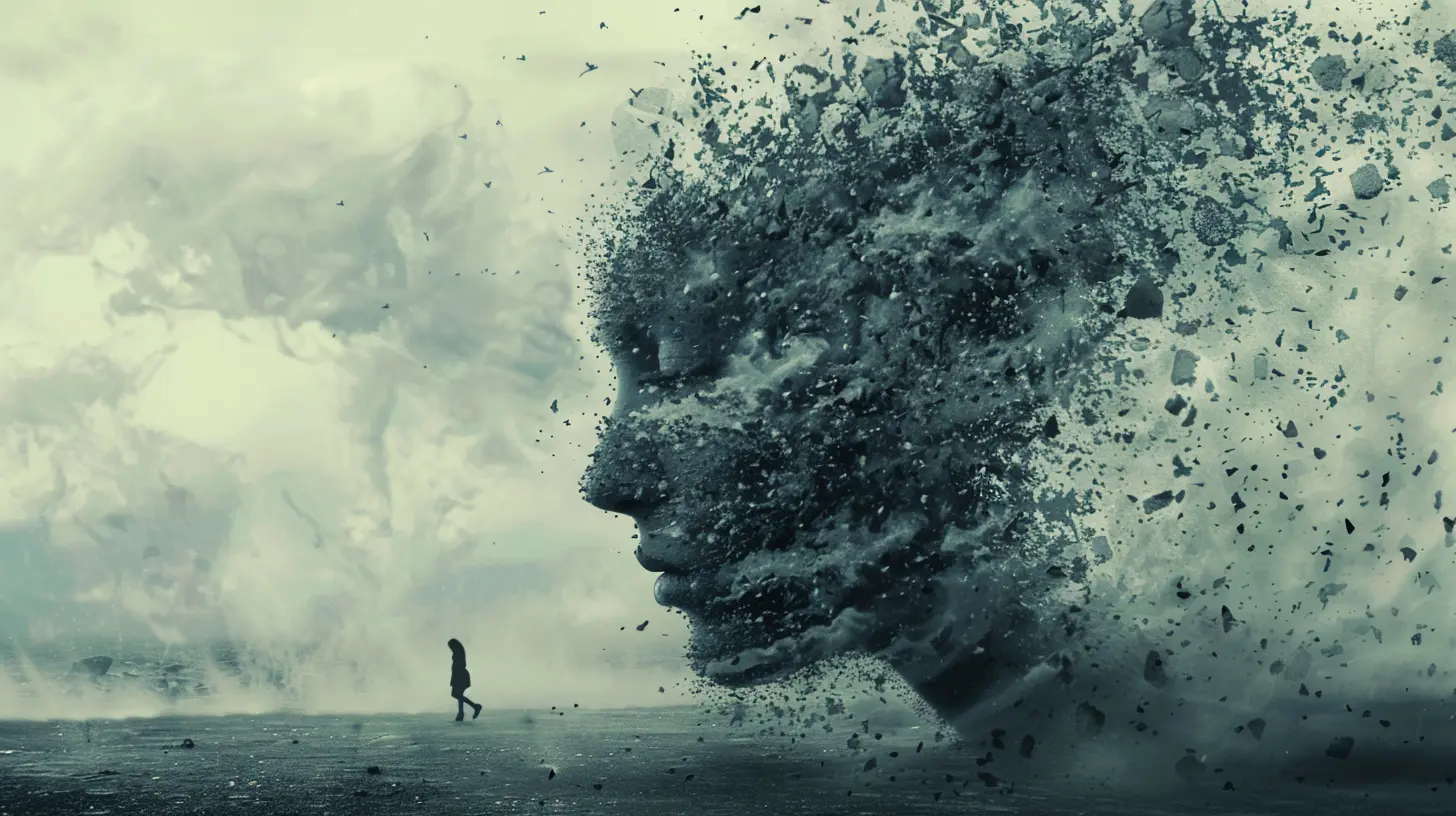
🧪 The Science Behind It
Let’s geek out for a second. What’s actually going on in the brain when we create a false memory?Hippocampus: The Memory HQ
The hippocampus is responsible for forming new memories. But it doesn't work alone—it chats with other regions like the prefrontal cortex (decision-making) and the amygdala (emotions). When these systems get their wires crossed, you can end up with emotionally charged, but completely inaccurate, memories.Brain Imaging Studies
Fancy machines like fMRIs show that when people recall false memories, their brains light up similarly to when they recall real ones. That’s wild, right? Your brain literally “sees” a false memory the same way it sees a true one.😱 Why Some False Memories Feel So Real
This is where things get really trippy.Confidence ≠ Accuracy
Just because you feel certain doesn’t mean you’re right. In fact, many false memories are remembered with more confidence than real ones. The more emotionally intense a memory feels, the more real it seems—even if it's totally bogus.Repetition Builds Belief
Say something enough times and you can start to believe it. That’s why advertisers repeat slogans, politicians repeat messages, and—yup—you might convince yourself something happened simply by thinking about it too often.
🧠 Can We Prevent False Memories?
Bad news: You can’t 100% prevent them. But good news? You can reduce your chances of falling for them.1. Be Skeptical of Your Certainty
Next time you find yourself absolutely sure of a memory, pause. Ask yourself: Did I experience this directly, or did I hear about it later? Could I be filling in gaps?2. Document Things
Write stuff down. Snap a photo. Keeping a journal might not just help you remember events—it could keep you from “misremembering” them later.3. Watch Out for Suggestion
Be mindful when other people describe events. Questions like “Are you sure you didn’t see him there?” seem harmless but can implant doubt and alter your memory.4. Understand How Media Warps Reality
Photoshopped images, deepfakes, dramatizations — they all mess with our memory. Just because you “saw it online” doesn’t mean it really happened.🧩 Are False Memories Always Bad?
Not really. Sometimes they’re neutral—or even helpful.Example? You might not remember how awkward your first date was… and that’s maybe for the best. Selective memory can protect self-esteem, soften trauma, and even help us form stronger relationships by smoothing out rough edges.
In other words, your brain’s little white lies might be keeping your mental health intact. Tricky, but comforting, right?
💬 Final Thoughts: Memory Isn't a Mirror—It's a Mosaic
Here’s the takeaway: our memories aren’t perfect. They’re not stored like files in a hard drive, waiting to be retrieved. They’re messy, layered, emotional, and easily influenced. False memory bias proves that what we remember isn’t always what was—and that’s both a warning and a wonder.But don’t freak out. Instead, embrace the mystery. Be open to being wrong. And maybe—just maybe—cut your loved one some slack the next time they “misremember” that thing you’re so sure happened.
Because chances are… you might be the one making it up.
all images in this post were generated using AI tools
Category:
Psychological BiasAuthor:

Matilda Whitley
Discussion
rate this article
2 comments
Porter Cole
In the labyrinth of thought, our minds weave tales, Echoes of moments that never set sail. The false memory blooms, a fragile disguise, A tapestry spun from the threads of our lies. In shadows of recall, truth fades like the night, As we dance with the whispers of imagined light.
April 3, 2026 at 4:46 AM
Matilda Whitley
Thank you for your poetic reflection! It beautifully captures the essence of how our minds can craft intricate narratives, blending reality with fantasy and highlighting the complexities of false memory bias.
Mateo McKenzie
Understanding false memories is crucial; they shape our perceptions and decisions more than we realize.
March 31, 2026 at 4:53 AM
Matilda Whitley
You're right; false memories significantly influence our beliefs and choices, often without us even noticing. It's a fascinating and important area of study.