The Cultural Context of Phobias: Do We All Fear the Same Things?
10 April 2026
When it comes to fear, we may like to think it's universal. After all, who doesn’t feel that chill run down their spine when something creepy crawls by or when darkness falls? But what if fear isn’t the same everywhere? What if what someone in Tokyo finds terrifying is just a Tuesday afternoon for someone in New York? Welcome to the fascinating world of the cultural context of phobias — where fear isn’t just a biological response but a reflection of where, and how, we live.
Let’s dive into what phobias are, how they form, and most importantly, how culture shapes what we fear. Because no, we definitely don’t all fear the same things—and that’s what makes this topic so mind-blowingly intriguing.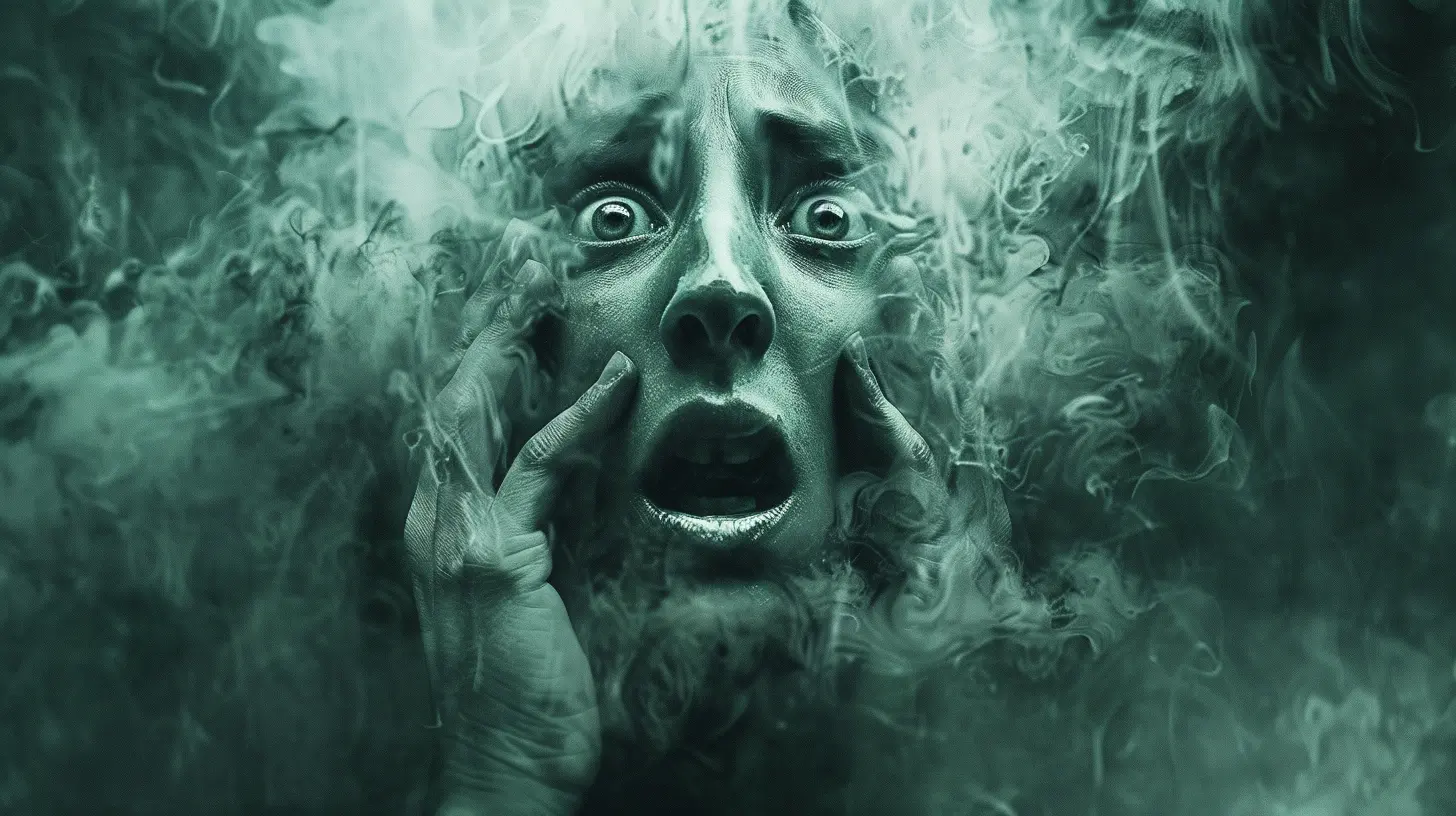
What Exactly Is a Phobia?
Let’s get the basics out of the way first. A phobia isn't just a fear—it's an intense, irrational fear triggered by a specific object, situation, or activity. We’re talking heart-racing, avoid-it-at-all-costs, “nope, not doing it” kind of fear.There are three main types of phobias:
- Specific phobias: Fear tied to a particular item or situation (e.g., spiders, heights, flying).
- Social phobia (a.k.a. social anxiety): Fear of social judgment or embarrassment.
- Agoraphobia: Fear of being in situations where escape could be hard or help unavailable.
Pretty standard stuff, right? But here’s where it gets juicy—where these phobias come from and how they differ from one culture to another.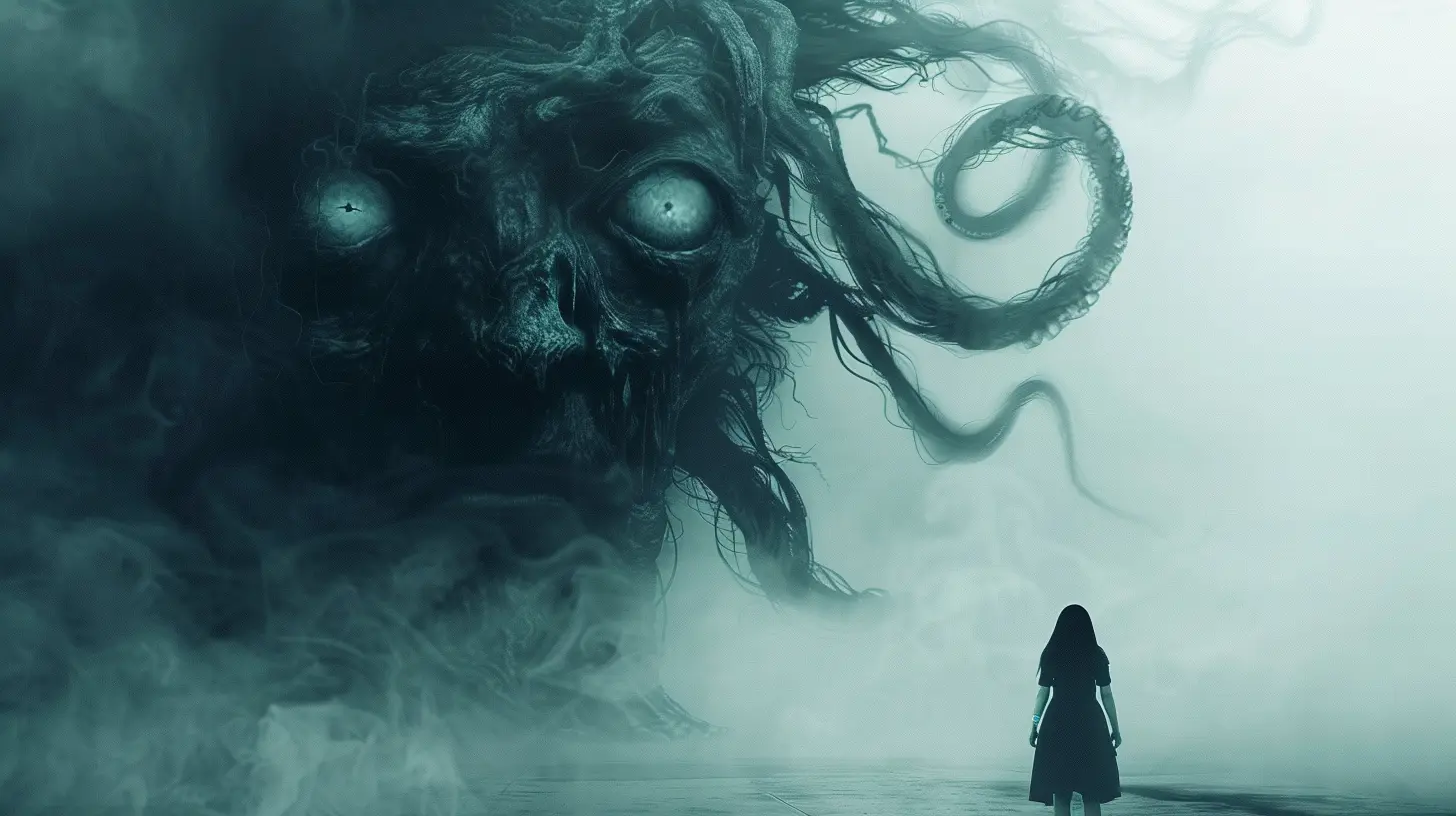
The Biology of Fear: What We’re Hardwired to Avoid
Before diving into cultural differences, let’s acknowledge the stuff we’re all born with. Evolution gave us some basic fears as survival tools. Think about it—being wary of heights kept our ancestors from walking off cliffs. Fear of snakes or spiders? These critters were dangerous back in the day, so staying clear kept us alive.These are what psychologists call “biologically prepared” fears. They're easier to develop and harder to unlearn. But even here, culture can play a role in magnifying or minimizing them.
So while fear has biological roots, it’s not just about our DNA. It’s also deeply social—and that’s where things get really interesting.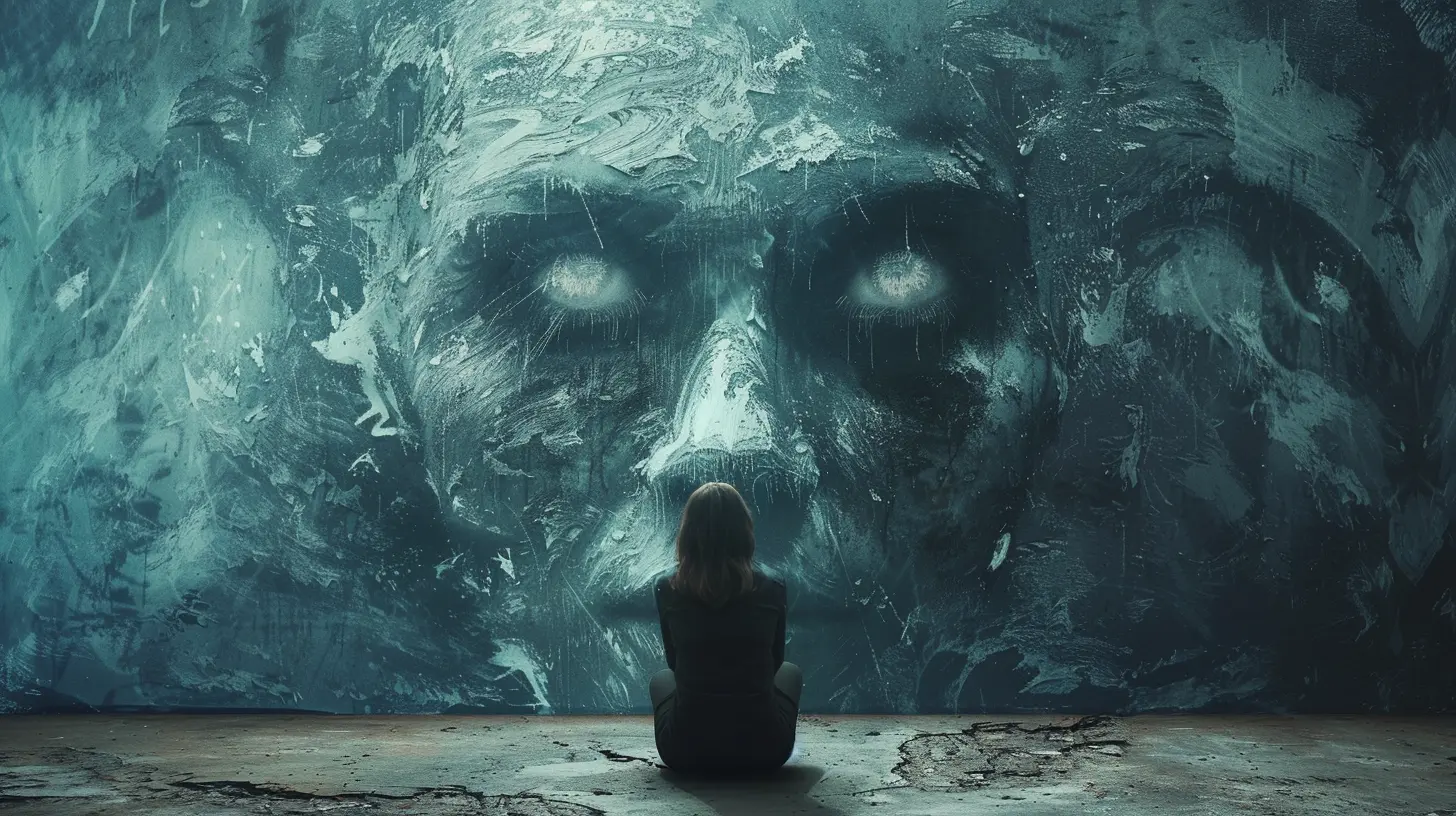
Culture Shapes What We Fear
Here’s the deal: Fear isn’t created in a vacuum. Our environment, upbringing, beliefs, and exposure all play major roles. Culture acts like a lens, coloring what we see as threatening. Let's break it down.1. Different Cultures, Different Monsters
Ever heard of the Japanese fear of numbers—like the number 4 (tetraphobia)? It’s because the word for “four” sounds a lot like the word for “death.” In Western cultures, it’s the number 13 that’s taboo. Same concept, different details.In some African cultures, there’s a deep-rooted fear of witchcraft and curses. In the U.S., you’re more likely to hear someone admit to a fear of clowns (thanks, Hollywood). In South Korea, some people genuinely fear sleeping in a closed room with a fan on—fan death is believed to be real.
It’s not that one culture is more irrational than another. It’s just that our fears reflect what our societies teach us to be wary of.
2. The Role of Religion and Spiritual Beliefs
Spirituality plays a massive part in shaping fear. In Hindu cultures, for instance, fear of karma or spiritual impurity can manifest as phobias around cleanliness or ritual adherence. Meanwhile, in more secular Western cultures, these types of phobias are less common and may even be diagnosed differently (like OCD instead of a spiritual fear).Let’s be real—what you grow up believing deeply influences your emotional responses. Fear included.
3. Media and Pop Culture: Fear’s Best Friends
Want to know what scares people? Check out their horror movies.Americans? Slashers, haunted houses, and serial killers. Japanese horror? Think long-haired ghosts and psychological dread.
Media not only reflects fear—it amplifies it. And once something becomes a cultural icon of fear, it’s easier for people to internalize that fear. That’s one reason some phobias are more common in certain places.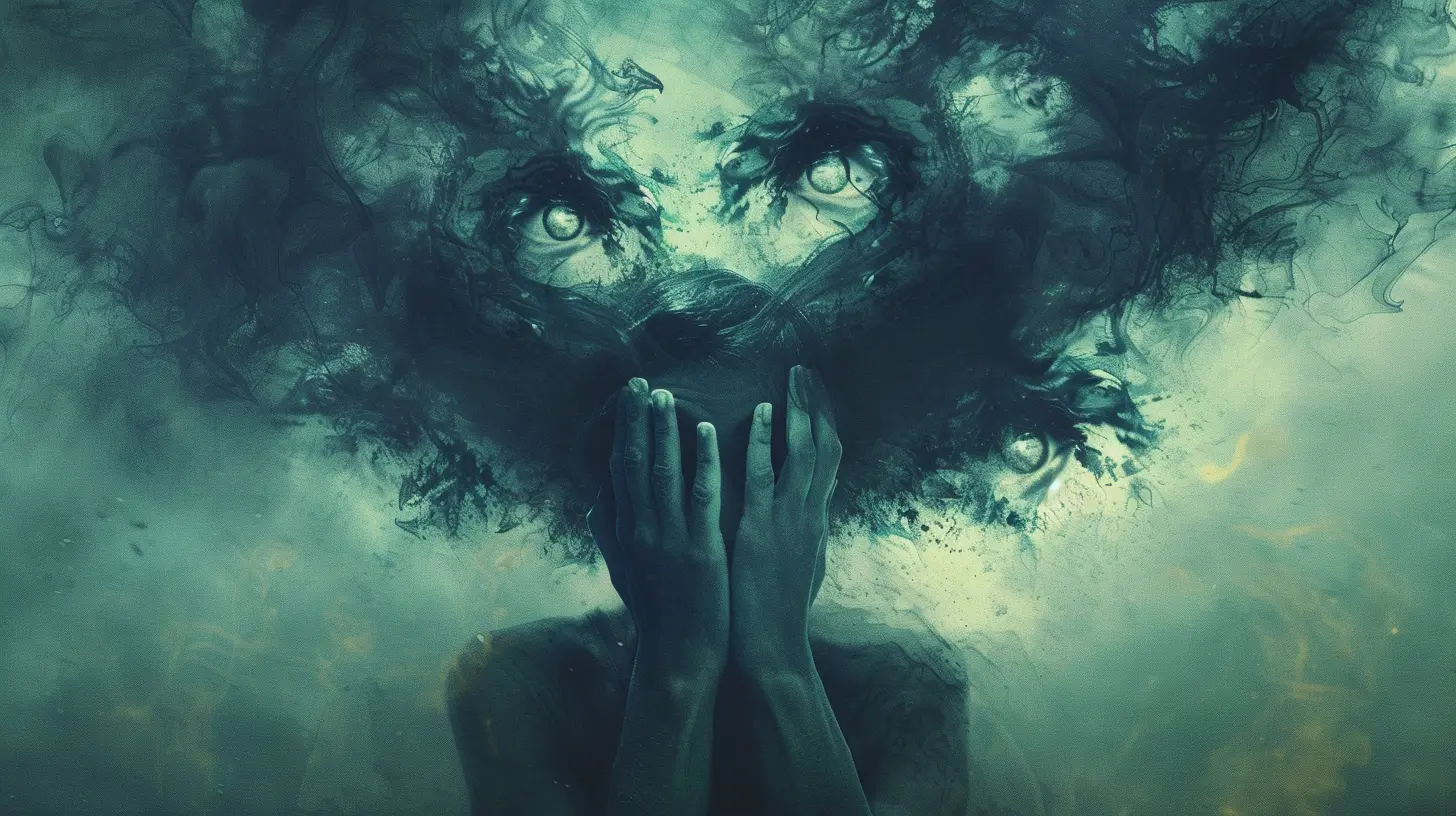
Are Some Phobias Universal?
Short answer: Kind of.There are some fears that pop up just about everywhere. Fear of death, injury, or abandonment seems to be pretty standard across the board. But even how these fears are expressed can vary.
Take death, for example. In cultures where death is seen as part of a natural cycle, it might not be feared in the same paralyzing way as in cultures that either avoid death-related discussions or frame it as punishment.
So yes, the core fears might be shared—but the way they bloom into phobias can be dramatically different depending on cultural fertilization.
Case Studies: Phobias With Cultural Flavors
Let’s talk specifics because theory is fun, but examples hit harder.Koro - Southeast Asia
Ever heard of a condition where men fear their genitals are retracting into their body and they’ll die? Yep, that’s Koro. It’s been reported mostly in parts of Southeast Asia. While extremely rare elsewhere, it’s a well-documented cultural-bound syndrome there.Why? Cultural beliefs and myths feed into this fear, causing mass panic in some communities.
Ataque de Nervios - Latin America
This is an intense episode of anxiety often triggered by stress or trauma, common among individuals in Latin American cultures. While it shares symptoms with Western panic attacks, the way it’s expressed and understood is very culture-specific.Hikikomori - Japan
Not exactly a phobia, but definitely fear-related. Hikikomori are individuals who withdraw from society—sometimes for years. This phenomenon is deeply tied to Japanese cultural dynamics around pressure, shame, and social performance.What do these examples show us? Cultural context isn’t just a footnote in the psychology of fear—it’s front and center.
How Culture Impacts Treatment and Diagnosis
Now here’s something that often flies under the radar. Culturally-influenced fears don’t just stop at symptoms—they stretch all the way to diagnosis and treatment.Misdiagnosis Across Cultures
A behavior seen as irrational in one society might be considered “normal” or at least acceptable in another. If professionals don't consider cultural background, they might label something as a disorder when it's actually a culturally sanctioned reaction.Treatment Preferences
Let’s not forget—how people prefer to deal with phobias also differs. In Western cultures, Cognitive-Behavioral Therapy (CBT) is the go-to. But in cultures with strong religious or spiritual roots, people may turn to ritual, prayer, or traditional healers.Understanding this can literally be the difference between healing and being misunderstood.
Traveling Fears: What Happens When Cultures Collide
Ever moved to a different country and found out people think your fear is... well, strange? That’s cultural clash in action.Imagine someone from a rural community with a strong fear of spiritual curses suddenly living in a hyper-secular city. The fear doesn’t go away, but now it’s less understood. The opposite can happen too—new surroundings might create new fears.
Migration, globalization, social media—these all mix cultural narratives, sometimes making fear more complex than ever.
Breaking the Fear Barrier Together
So where does all this leave us?Understanding phobias through a cultural lens helps us not only get a clearer picture of human psychology but also opens the door to empathy. It reminds us that fear isn’t always rational, logical, or even our own—it can be inherited from the world around us.
Whether we’re scared of spirits, spiders, or social judgment, the first step toward growth is understanding where those fears come from. And guess what? That journey starts with curiosity—just like you’re showing right now.
Wrapping It Up: No, We Don’t All Fear the Same Things
The short answer to our big question—“Do we all fear the same things?”—is a resounding no. Fear is shaped by biology, yes, but it’s molded and refined by the culture we swim in.So next time someone tells you they’re terrified of a number, a mirror, or even a fan (yes, still thinking about that one), pause before you laugh. Culture is powerful, and fear is its echo. The more we understand it, the less scary it all becomes.
all images in this post were generated using AI tools
Category:
PhobiasAuthor:
Matilda Whitley
Discussion
rate this article
2 comments
Sarina Franklin
This article raises fascinating questions about the intersection of culture and fear. Are our phobias universally felt, or do societal influences shape what we dread? I’d love to explore more!
April 21, 2026 at 2:31 PM
Matilda Whitley
I appreciate your insights! It's definitely intriguing how culture shapes our fears. I'd love to dive deeper into this discussion with you.
Reece McGrady
Phobias reflect cultural nuances; fears are not universal but shaped by unique experiences and societal norms.
April 21, 2026 at 4:01 AM