Risk vs. Reward: Balancing Logic and Emotion in Choices
8 July 2026
Ever stood at a crossroads, mentally juggling the pros and cons, your heart whispering one thing while your head screams another? Yeah, we've all been there. Whether it's deciding to take that new job, invest your savings, or even ask someone out—underneath it all, you're trying to weigh risk versus reward. But here's the kicker: most of the time, you’re not just crunching numbers. You’re feeling your way through it too.
So how do we find that sweet spot between being rational and following our gut? Let’s dive deep into the psychology of decision-making and find out.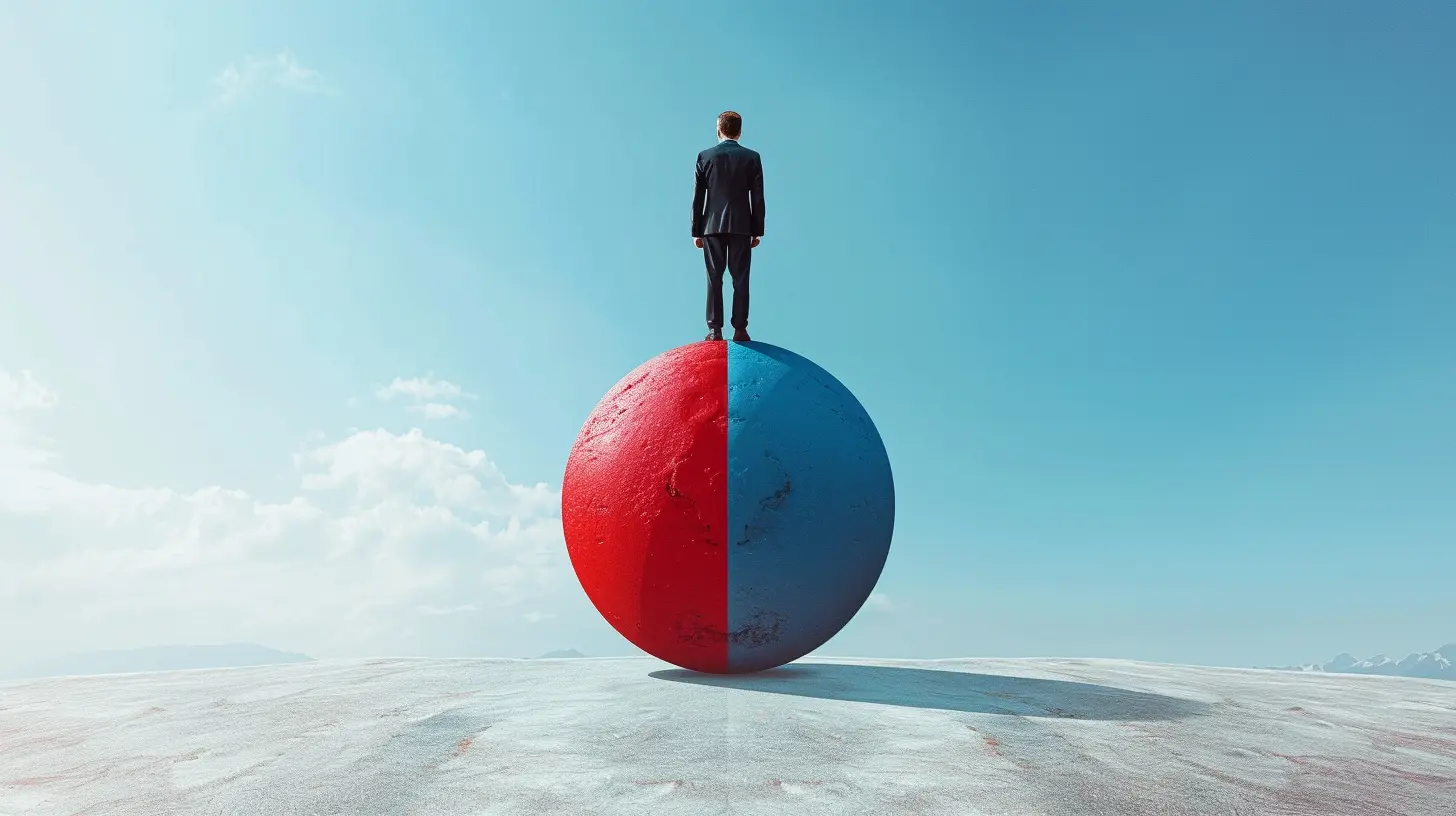
What Is Risk vs. Reward Anyway?
At its core, risk vs. reward is a mental equation. You’re looking at how much you stand to gain against what you might lose. Sounds logical, right? But add a pinch of human emotion, a sprinkle of past experiences, and maybe a dash of peer pressure—and suddenly, that simple math gets messy.Think of it as a seesaw. On one side, you've got potential gains—money, success, happiness. On the other, possible losses—fear, embarrassment, wasted time. The trick is balancing that seesaw without letting either emotion or logic throw it off.
The Role of Logic in Decision Making
Let’s start with the left brain—good ol’ logic and reasoning.Logic is Your Inner Calculator
Our logical side likes facts, data, probabilities. It's the voice that says, “Statistically, this is the smart thing to do.” It pulls out spreadsheets, risk assessments, and worst-case scenarios. When you're thinking purely logically, you're evaluating the situation with minimal emotional interference.For example, let’s say you’re considering investing in a new business. Logic will lead you to research the market, analyze past trends, consult experts, and maybe run a cost-benefit analysis. It’s calculated, cautious, and thorough.
The Downside? It Can Paralyze You
Overthinking is a real thing. When you become too focused on logic, you fall into “analysis paralysis.” You might have all the info in the world and still not move forward because there's always one more detail, one more “what-if.” Logic alone can keep you safe… but stuck.
The Role of Emotion in Decision Making
Now let’s switch gears and talk about the heart—your emotional compass.Emotion is Your Inner Guide
Emotions are fast and instinctive. They're that gut feeling you can't quite explain. Sometimes, they act way before logic gets a chance to speak. This is where intuition, dreams, and desires live.Let’s go back to that business investment example. Emotion might drive that decision because you believe in the purpose, you feel passionate about the idea, or you’re inspired by the founder's story. There's a sense of “this feels right.”
The Risk? Emotions Can Be Impulsive
While emotion can motivate, it can also mislead. Ever made a snap decision that felt right but ended up being a disaster? Emotions are colored by past trauma, current mood, or even how much you slept last night. When you let emotions take the wheel, you might end up driving off a cliff.
Nature vs. Nurture: Why We Decide The Way We Do
Not everyone approaches risk the same way. Some people are thrill-seekers; others avoid risk like the plague. Why is that?Personality Traits Play a Big Role
Risk tolerance is partly wired into us. Some people are naturally more adventurous, thanks to higher levels of dopamine, the brain's reward chemical. Others are cautious, wired for security and routine.So Does Past Experience
If you took a big risk once and it paid off, your brain remembers that hit of success. But if you got burned, your emotional memory says, “Let’s not do that again.” Our decisions are shaped not just by who we are, but where we’ve been.The Tug-of-War: Logic vs. Emotion in Real Life
Let’s get real for a moment. Life doesn't come with a user manual. You're not always going to have clear-cut answers. Let's walk through a few everyday scenarios and see how logic and emotion battle it out.Career Moves
Say you’re offered a new job in another city. Higher pay, better title—but far from family and friends.- Logic says: “Better salary, strong company, long-term growth. Do it.”
- Emotion says: “What about your support system? You’ll be alone!”
The best decision? Probably a mix. Maybe you take the job but negotiate some remote days or plan frequent visits home.
Relationships
Your partner wants to move in, but you’re unsure.- Logic says: “It’s smart to share bills, and you’ve been together long enough.”
- Emotion says: “I’m scared of losing my independence.”
Here, logic might overlook emotional needs, and emotion might ignore practical benefits. Again, the middle ground is often golden.
Financial Decisions
Considering crypto? Stocks? Starting a side hustle?- Logic: “Let’s look at historical returns, volatility, and risk profiles.”
- Emotion: “Everyone’s doing it! I don’t wanna miss out!”
That fear of missing out (FOMO)? Yep, that’s emotion. A balanced choice might involve investing a small, manageable amount while still doing your homework.
The Science of How We Decide: Dual-Process Theory
Let’s get a bit nerdy (just for a second). Psychologists talk about the "dual-process theory" to explain how we make decisions. It breaks down like this:- System 1: Fast, emotional, instinctive. This is your gut.
- System 2: Slow, deliberate, logical. This is your brain.
Most of our everyday decisions start with System 1. It jumps in with a quick judgment. System 2 steps in later (if we're lucky) to fact-check and review. Ideally, these two systems work together like a duet. Problems arise when one drowns out the other.
Tips for Balancing Risk and Reward Like a Pro
So, how do you actually make better decisions by balancing logic and emotion? Here are a few down-to-earth strategies:1. Pause Before You Leap
Even if your gut screams yes or no, take a breather. Give your logical brain a chance to chime in. Sleep on it. Talk it through with someone neutral.2. Use a Decision Matrix
Yep, sounds fancy, but it's simple. List the pros and cons. Assign weights or values to each factor based on importance. This helps pull emotion into a structured format.3. Set a “Regret Threshold”
Ask yourself: “If this goes south, can I live with the decision?” Sometimes, that question clarifies everything.4. Visualize Outcomes
Imagine the best and worst-case scenarios in detail. If you can emotionally handle both, you’re probably making a well-rounded choice.5. Don’t Ignore Your Intuition
It's not just woo-woo nonsense. Intuition is often your brain processing tons of information subconsciously. If something feels off, there might be a reason.6. Learn From Past Decisions
Keep a decision journal. Seriously. Write down big choices, your reasoning, and the outcome. Over time, patterns emerge, and you’ll learn your own decision-making blind spots.At The End of The Day: There’s No “Perfect” Decision
We all want certainty. We all want guarantees before we leap. But life isn’t a math test with right or wrong answers. Sometimes, the reward is worth the risk. Other times, playing it safe is the smart move. What matters is not avoiding risk but understanding it—and making peace with whatever you choose.The magic happens where logic and emotion shake hands. That middle ground? That’s where your best decisions live.
Final Thoughts
Balancing logic and emotion in risk-taking isn’t about choosing one over the other. It's about inviting both to the table. Your brain brings clarity; your heart brings purpose. And when they work together, you don’t just make a decision—you make the right one for you.So, next time you're facing a big choice, ask yourself: What does my head say? What does my heart say? Blend those answers, and you’ll find your way forward.
all images in this post were generated using AI tools
Category:
Decision MakingAuthor:

Matilda Whitley