Phobias in Pop Culture: How Movies and Media Shape Our Fears
24 February 2026
Let’s get real — fear is juicy. It’s suspenseful, it’s primal, and it sells like crazy. That’s why movies, TV, and other media have been cashing in on our phobias for decades. But here’s the hot tea: it’s not just about entertaining us. Pop culture has a sneaky way of not just reflecting what we’re afraid of — it actually shapes our fears too. Yeah, that’s right. That fear of clowns you never had until you watched Stephen King's It? Blame Pennywise, baby.
So buckle up, because we’re diving into the dramatic (and sometimes hilarious) world of phobias in pop culture — how they’re portrayed, how they mess with our minds, and why we love being scared even when we’re crying into our popcorn.
🎬 Lights, Camera, Panic: Where the Fear Begins
Let’s talk about the stars of the fear fandom — phobias. Now, these aren’t just your average “I don't like spiders” vibes. We’re talking full-blown, heart-thumping, sweat-dripping fear. And Hollywood? Oh, it’s obsessed with them.But here's the kicker: fear isn’t just sprinkled into scripts for spice. Pop culture uses phobias like seasoning — heavy-handed and everywhere. Think: a hero with a fear of heights (acrophobia), a villain who plays on the fear of the dark (nyctophobia), or that moment when a character is buried alive (claustrophobia, anyone?). You’ve seen it. You’ve felt it.
The more we see these fears played out, the more our brains start associating danger with the things we once thought were just... meh. Thanks, movies!
👻 Fear Sells: Why We Keep Coming Back for More
Here's a sassy truth: fear is a business — and business is booming.Why? Because fear is one of the most powerful human emotions. When we’re scared, we’re engaged. We’re alert. Our hearts are racing, our adrenaline is spiking, and we’re hanging onto every frame. Filmmakers know this. That’s why horror is one of the most consistent box-office hits, year after year.
And let’s not forget the twisted pleasure of facing fears from the safety of the couch. Haunted houses? Spiders the size of Buicks? Creepy dolls? It’s terrifying, sure, but it’s also thrilling. We scream, we laugh, we hide behind a pillow—then we hit “play” again.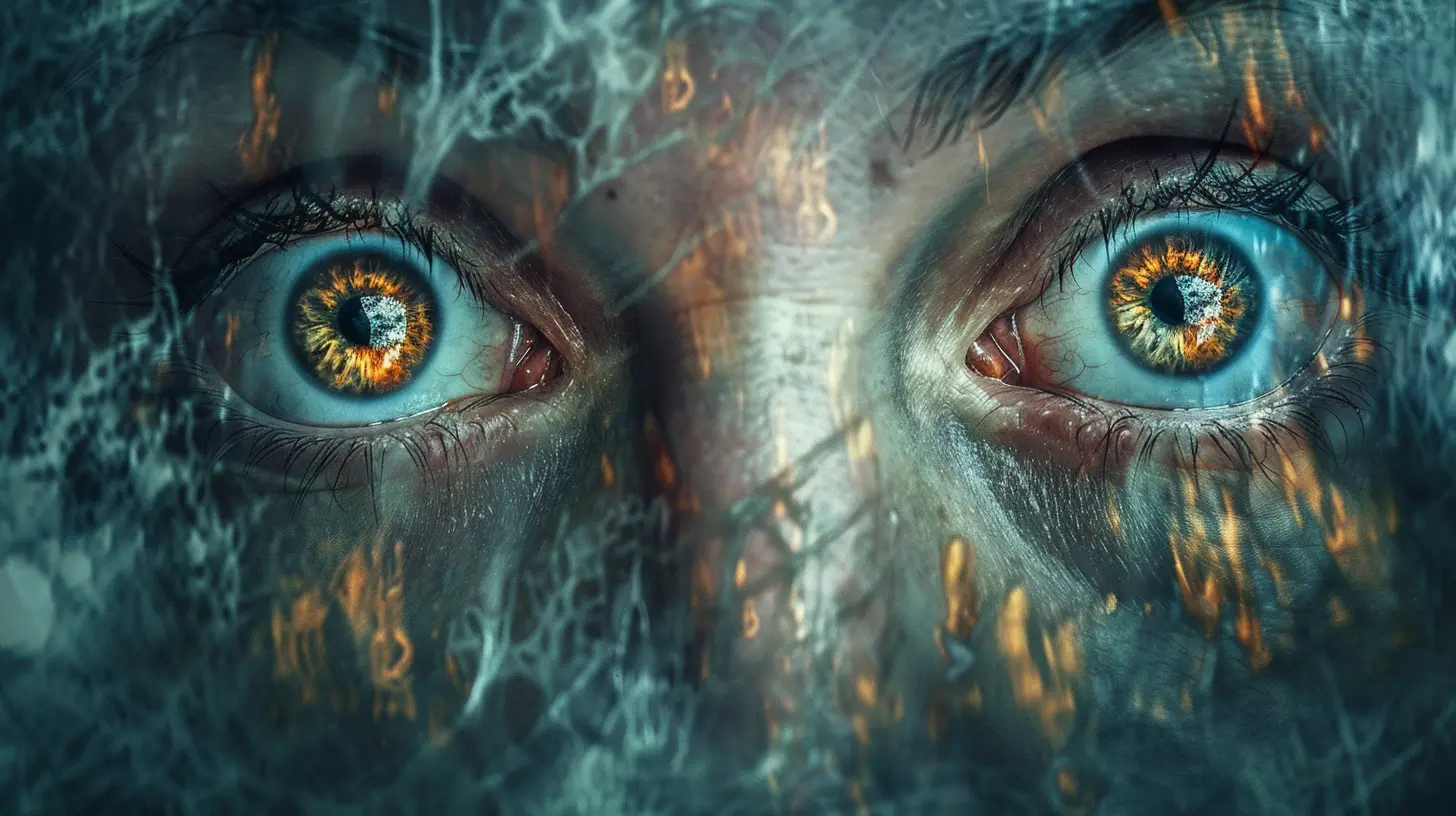
🕷️ Phobias on the Big Screen: The Usual Suspects
Let’s spill the popcorn and dive into some of the most commonly used phobias in pop culture — and how media thrives on them.1. Arachnophobia (Fear of Spiders)
Oh baby, let’s start with the eight-legged freaks. Spiders have been crawling through our nightmares thanks to classics like Arachnophobia and Harry Potter (Aragog, I’m looking at you). Even if you’ve never had an issue with spiders before, one jump scare and bam — instant phobia.2. Claustrophobia (Fear of Small Spaces)
Cue the moment a character gets stuck in an elevator or buried in a coffin. Think Buried (starring Ryan Reynolds, no less) or The Descent. The walls close in, the air is getting thin, and wow — suddenly we’re afraid of our own closets.3. Nyctophobia (Fear of the Dark)
Darkness is a filmmaker's best friend. What’s lurking out there? Who knows! That’s the whole point. From Lights Out to The Babadook, darkness is used to crank up suspense and anxiety. And we eat it up.4. Coulrophobia (Fear of Clowns)
Look, clowns were already creepy. But then It introduced Pennywise — and there was no going back. Now even children’s birthday parties feel sinister. Thanks, Stephen King.5. Thanatophobia (Fear of Death)
If you’ve watched Final Destination and didn’t sleep for a week thinking every mundane object could kill you, congratulations — pop culture got you. Death is the ultimate fear, and movies know exactly how to sensationalize it.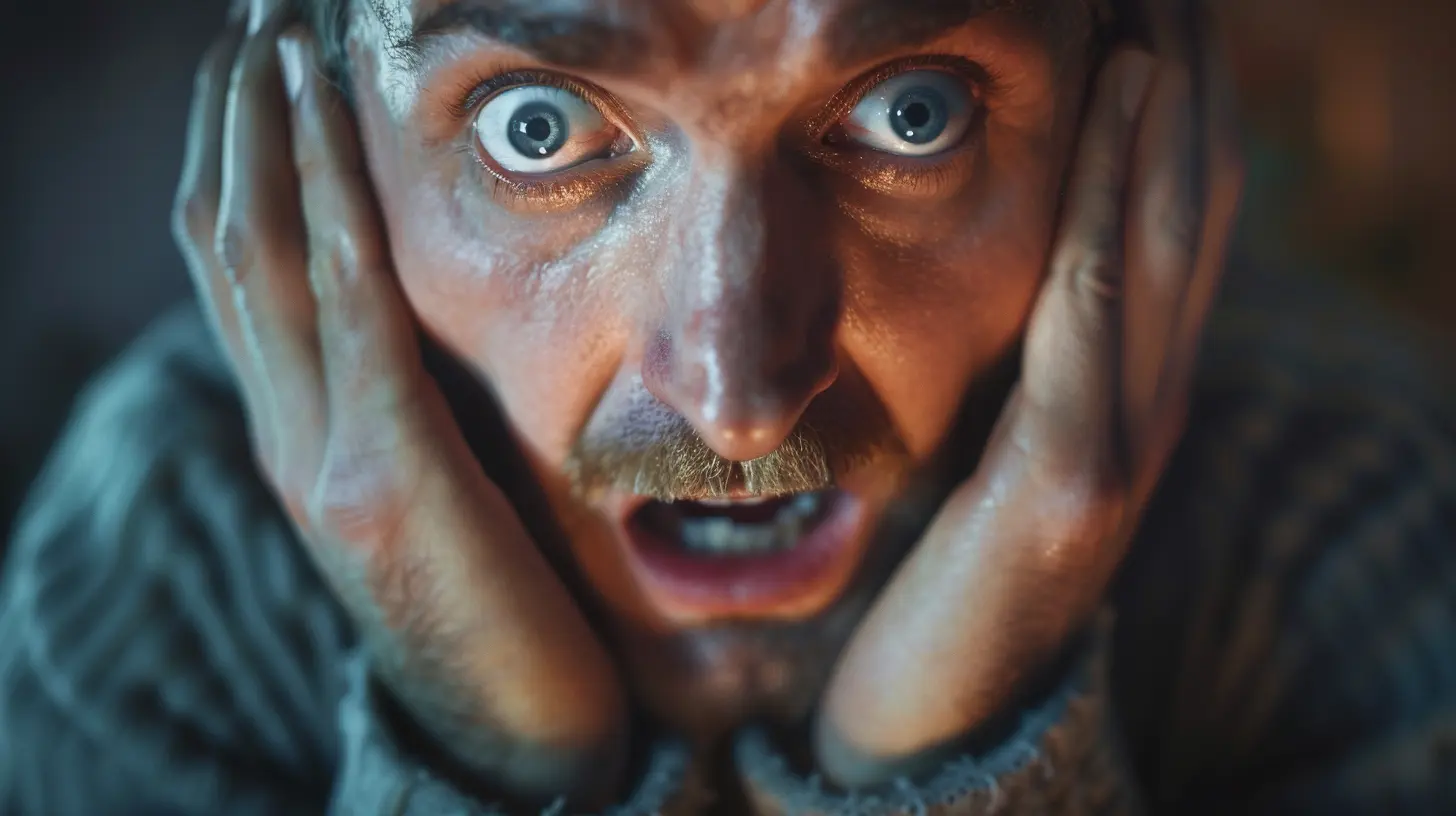
🎭 The Psychology Behind the Scenes
So, what’s actually happening inside our brains when media manipulates our fears?Here’s the tea: our brains are wired to detect threats (hello, evolution), but they’re not the best at distinguishing real danger from fiction. So when Jason Voorhees jumps out of the lake, your brain doesn’t go, “Oh this is just a movie.” Nope — your amygdala lights up like a Christmas tree.
Over time, repeated exposure to these fear-inducing images can condition our brains. It’s called classical conditioning — like Pavlov’s dogs, only instead of drooling at a bell, we flinch every time we see a vent with fog coming out of it (thanks, Alien).
💼 Fear as Fashion: Pop Culture Makes Phobias... Cool?
Let’s not lie — being scared became trendy at some point. Horror movies are now aesthetic. Halloween is a whole lifestyle. True crime podcasts? Basically mainstream breakfast audio.Even phobias have their own hashtag moments. Like #trypophobia — the fear of clustered holes. Ever seen those lotus seed pod memes? Straight nightmare fuel. And they go viral every time.
Pop culture has a weird way of making fear fashionable. It’s edgy. It’s dark. It’s “relatable.” But in doing that, it also normalizes and amplifies phobias. We see others freak out online, and suddenly we’re freaked out too. It’s like fear FOMO.
📺 True Crime, Real Fears: When Media Mirrors Reality
Let’s talk about the rise of true crime and psychological thrillers. These forms of media don’t just highlight fictional fears — they amplify real ones.We binge-watch shows about serial killers and stalkers, and even though we know it’s “just a show,” the seed gets planted. Walking alone at night? Now you’re hyper-aware. Hearing a bump in the middle of the night? Cue internal scream.
Media has blurred the line between reality and fiction. And sometimes, it’s not even about the phobia itself — it’s about the fear of fear. Meta, right?
⛔ When Fear Becomes Harmful
Okay, so we’ve laughed, we’ve cringed, and we’ve spilled our soda during jump scares. But in all seriousness — pop culture can take it too far.Sometimes media portrays phobias in a way that’s exaggerated, mocking, or just plain insensitive. That can be damaging for people who actually suffer from these conditions. (And yes, phobias are legit mental health disorders.)
Using phobias as plot devices or punchlines may entertain us, but it can also trivialize what some people deal with every single day. A little empathy, folks — fear is real for some.
💡 The Double-Edged Sword: Not All Doom and Gloom
Now here’s the plot twist you didn’t see coming — media doesn’t just create and hype fears. Sometimes, it helps people face them.That’s right — exposure therapy, anyone?
For some folks, watching horror movies or shows that feature their phobia can actually desensitize them over time. It's like dipping your toe into ice water until you stop screaming. It’s also a chance to feel in control of the fear. Because unlike real life, you can pause a movie. You can walk away. And heck, you can even laugh at it.
Movies like Inside Out and BoJack Horseman also do a phenomenal job of portraying mental health complexities, helping shift the narrative toward understanding rather than stigma.
🧠 So, Are We Doomed to Be Afraid?
Here's the million-dollar question: Do movies and media make us more anxious humans?The answer’s not black and white. We’re not helpless victims — but we’re certainly not immune, either.
Media acts like a mirror, showing us our collective anxieties. Sometimes it exaggerates them. Sometimes it soothes them. The key is awareness. Recognizing how fear is used in storytelling can help us separate the real from the reel.
So next time you’re watching a movie and suddenly feel like jumping into your friend's lap, ask yourself: "Am I really scared, or did pop culture just pull another Jedi mind trick on me?"
👏 Final Thoughts: Fear is a Feature, Not a Flaw
Phobias in pop culture aren’t going anywhere. They’re part of our storytelling DNA — dramatic, emotional, and strangely captivating. Media can twist our fears, play on them, and sometimes even help us understand them.Our job? Keep our critical thinking caps on. Enjoy the thrill. Laugh at the absurd. Cry at the real. And above all, give yourself permission to be freaked out once in a while. You’re human — not a horror-proof robot.
So whether you’re afraid of clowns, tight spaces, or just the Wi-Fi going out mid-Netflix binge — don’t worry. Pop culture’s got a fear for everyone.
all images in this post were generated using AI tools
Category:
PhobiasAuthor:
Matilda Whitley
Discussion
rate this article
2 comments
Wade Frye
Insightful! Pop culture profoundly influences our fears.
March 14, 2026 at 5:46 AM
Matilda Whitley
Thank you! It's fascinating how pop culture can amplify our fears and shape our perceptions in unexpected ways.
Gianna McCullough
Insightful connections explored here!
February 25, 2026 at 4:56 AM
Matilda Whitley
Thank you! I'm glad you found the connections insightful!