Phobias and Sleep: How Nightmares and Insomnia Intertwine
5 April 2026
Ah, sleep. That magical time when your brain decides to replay your most embarrassing moments on loop, remind you of overdue bills, and—if you're lucky—throw in a creepy shadow monster just for fun. But what happens when fear itself hijacks your sleep schedule and turns your night into an anxiety-ridden horror show? Welcome to the messy, tangled world of phobias and sleep, where nightmares and insomnia are in a toxic, co-dependent relationship.
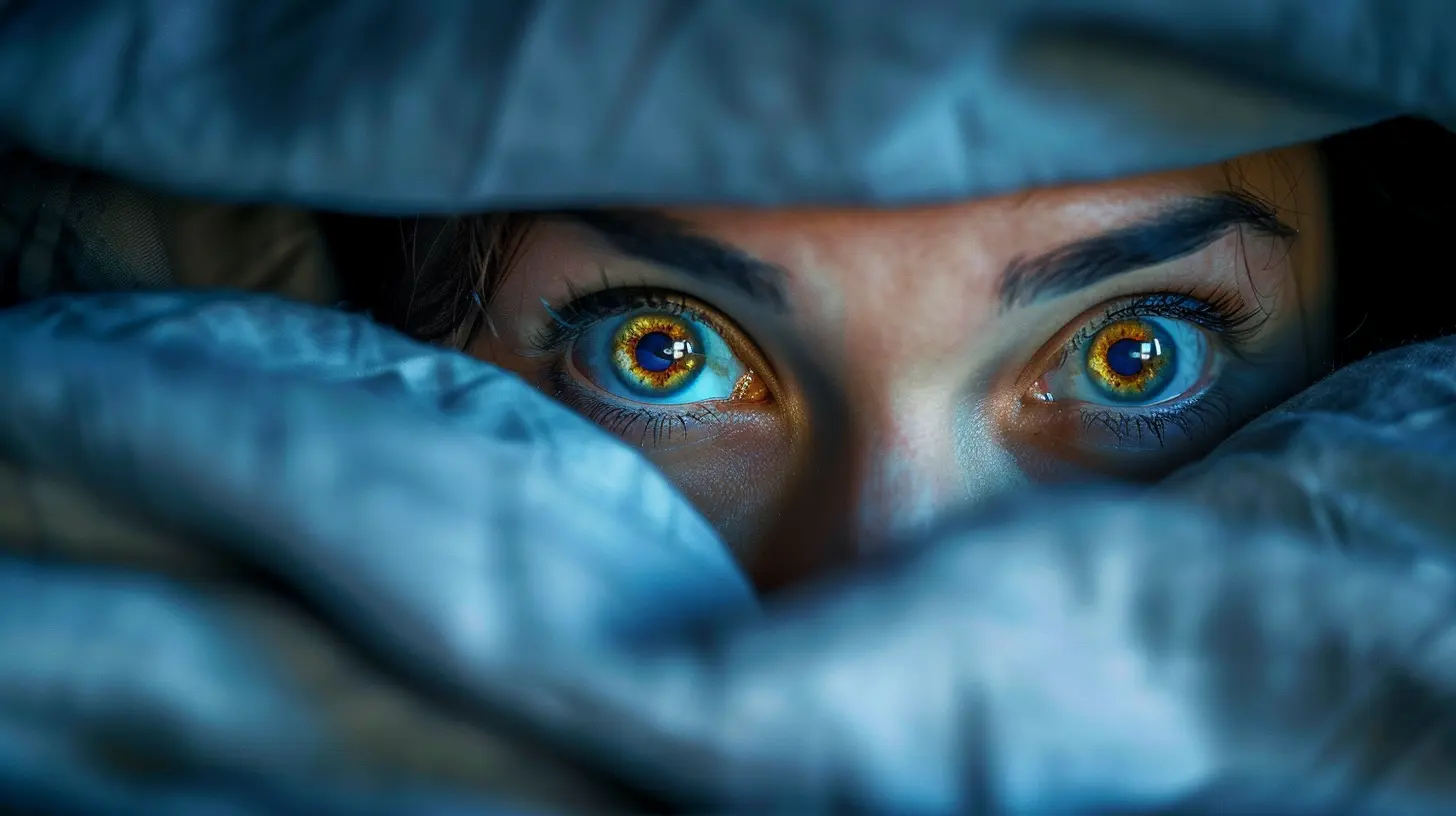
The Messy Relationship Between Fear and Sleep
You’d think after a long, exhausting day, your brain would graciously let you rest. But no—sometimes it decides to run a full-blown horror movie marathon instead. For some people, phobias sneak into their subconscious and transform bedtime into a battleground. Fear doesn’t just clock out when the lights go off. If anything, it gets bolder.Think about it: Whether you're terrified of spiders, drowning, or accidentally hitting "Reply All" on an email, your brain has a knack for bringing those fears to life when you're most vulnerable. And when these fears translate into nightmares or full-blown insomnia, you can wave goodbye to that peaceful night’s rest.
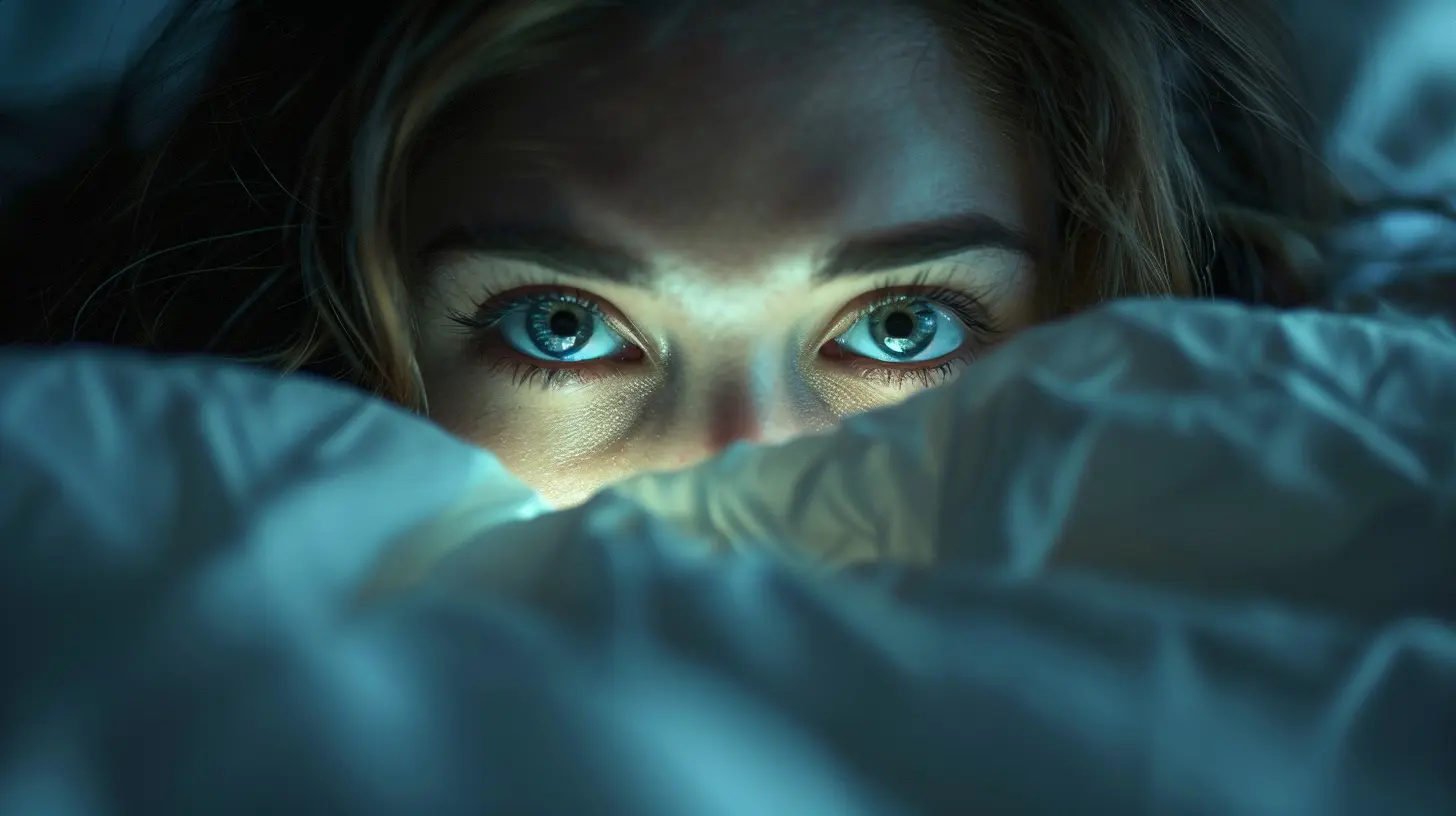
Phobias That Love Wreaking Havoc on Your Sleep
Not all phobias are content with simply ruining your day—they want your nights, too. Some of the biggest culprits include:1. Somniphobia: Fear of Sleep
Oh, the irony! The very thing that’s supposed to replenish you can become your worst nightmare. People with somniphobia fear the loss of control that comes with sleep or, worse, associate it with nightmares or past trauma. Imagine desperately needing rest but being afraid to close your eyes—talk about cruel and unusual punishment.2. Nyctophobia: Fear of the Dark
Nyctophobia isn’t just for kids. Plenty of adults still avoid turning off the lights because, clearly, that’s when the monsters in the closet clock in for their shift. A fear of the dark can keep you on high alert, making deep sleep nearly impossible. And if you do drift off, you may just wake up mid-nightmare, convinced that something is lurking in the shadows.3. Claustrophobia: Fear of Confinement
Your bed should be a cozy retreat, not a prison. But if you suffer from claustrophobia, even the idea of being wrapped up in blankets or sleeping in a small room can trigger anxiety. Tossing, turning, and waking up in a panic? Yeah, restful sleep doesn’t stand a chance.4. Oneirophobia: Fear of Dreams
Yes, this is a real thing. Some people are terrified of dreaming because they associate it with past traumas or disturbing images that haunt them long after they wake up. It’s like being forced to watch a dreadful TV show every night with no ability to change the channel.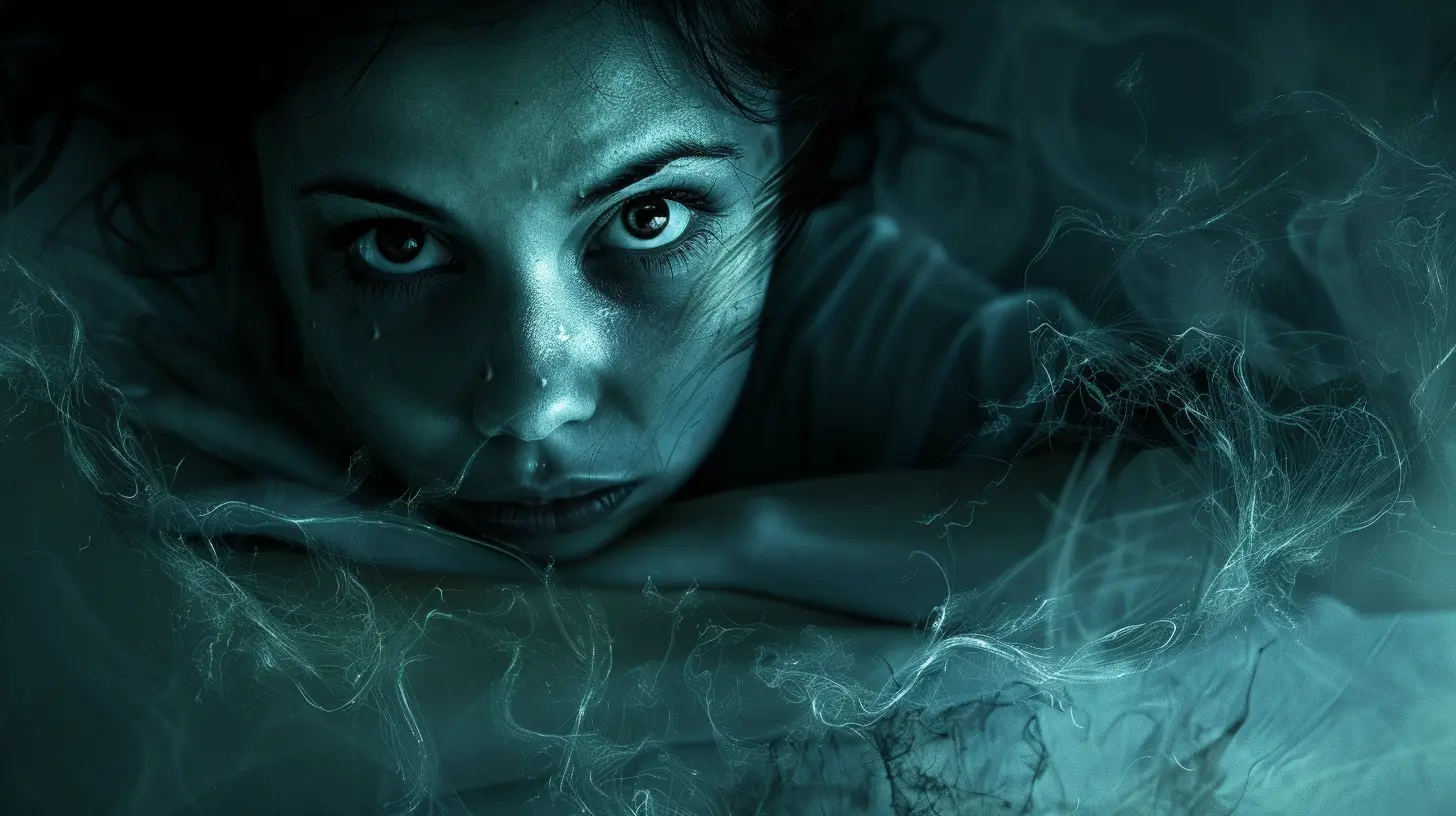
How Nightmares and Phobias Work Together to Ruin Sleep
Nightmares aren’t just bad dreams—they’re fear’s way of crashing your brain’s party and making a mess of things. They hijack your REM sleep, jolt you awake in a cold sweat, and leave you too rattled to drift back off. And guess what? If you already have a phobia, nightmares love using it as source material.Ever had a fear of drowning? Boom—suddenly you’re gasping for air in a dream. Afraid of spiders? Here comes a giant, eight-legged nightmare monster creeping up your bed. Your subconscious isn’t just creative—it’s cruel.
Once nightmares become frequent, your brain starts associating sleep with fear. The result? Insomnia. You avoid sleep to dodge the nightmares, but sleep deprivation makes anxiety worse, which leads to more nightmares. It’s a vicious cycle, and honestly, your brain deserves an award for the worst sleep sabotage possible.
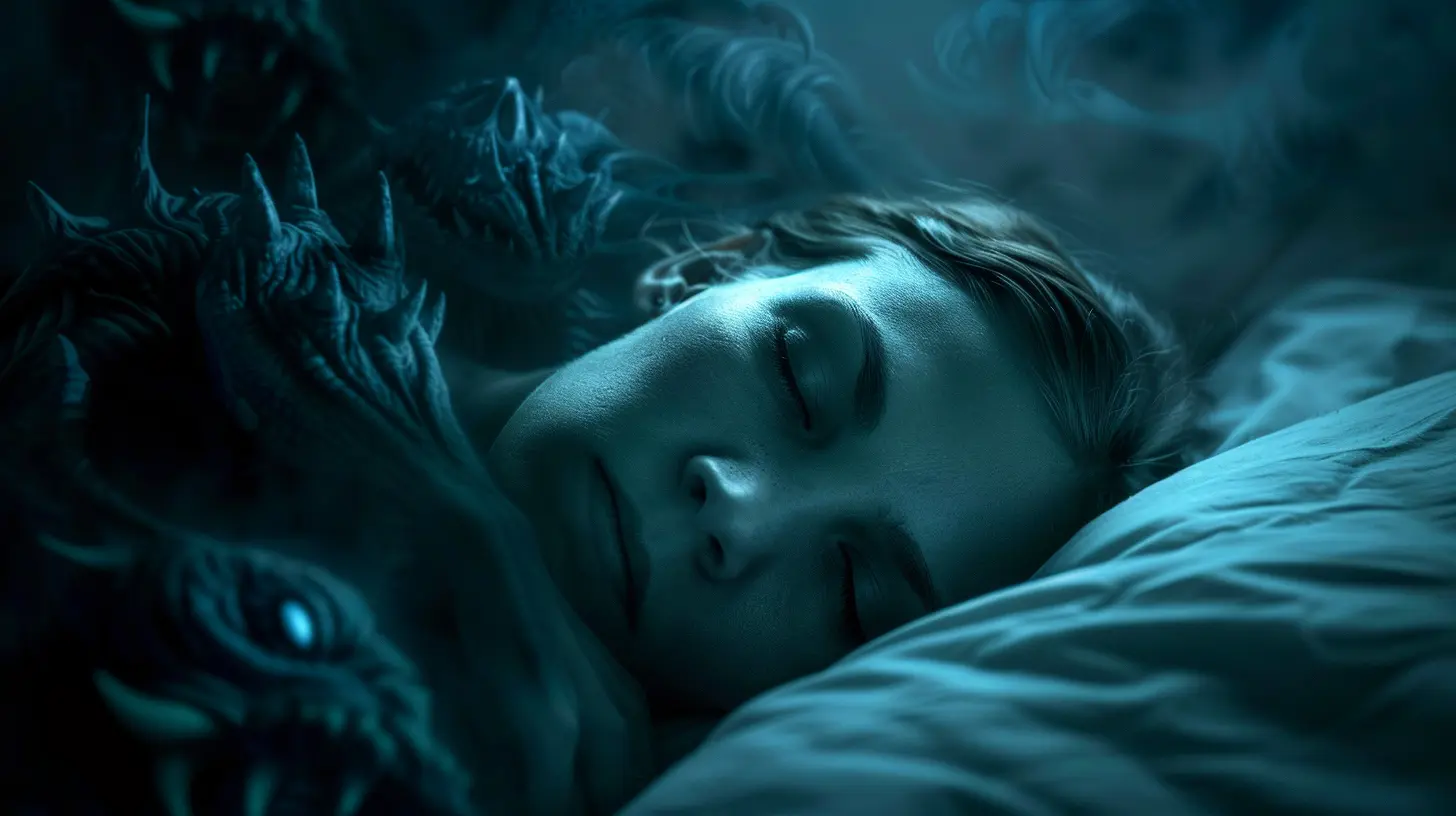
Insomnia: The Gift That Keeps on Giving
If nightmares weren’t bad enough, let’s talk about insomnia. It’s like that one toxic friend who overstays their welcome and refuses to let you rest. When phobias and nightmares strike, they crank insomnia into overdrive. Why? Because your brain stubbornly decides you need to stay alert to “protect” yourself.But what is insomnia if not your brain playing an illogical game of self-destruction? By avoiding sleep, you’re only making yourself more exhausted, which leads to:
- Increased anxiety – Because nothing says “let’s relax” like spiraling thoughts at 3 AM.
- More nightmares – Sleep deprivation makes REM sleep go haywire, making nightmares even more intense.
- Health issues – Say hello to weakened immunity, brain fog, and the joy of feeling like a zombie 24/7.
Breaking the Cycle: Winning the War Against Phobia-Induced Sleep Disruptions
If you’ve made it this far without dozing off from exhaustion, congratulations! Now let’s talk solutions. How do you stop phobias and sleep issues from tag-teaming your well-being?1. Face the Fear (Gradually, Please)
No one’s asking you to dive headfirst into your worst nightmare, but small, controlled exposure to your fears can help. Therapy techniques like exposure therapy and cognitive behavioral therapy (CBT) are fantastic ways to trick your brain into realizing that sleep (and dreams) aren’t a death sentence.2. Create a Comforting Sleep Routine
If your bedtime routine consists of scrolling through creepy Reddit threads, maybe it’s time to make some changes. Try:- Dimming the lights an hour before bed
- Engaging in deep breathing or meditation
- Keeping a comfort object nearby (yes, even adults can have security blankets)
3. Keep Dream Journals (Even the Terrifying Ones)
Journaling your nightmares might seem counterintuitive, but writing them down can help you process and reclaim control over them. Plus, you never know—maybe you’ll get a decent horror movie script out of it.4. Avoid Stimulants Before Bed
Caffeine and sugar before bedtime? Might as well send nightmares a formal invitation. Try a calming tea instead—chamomile won’t stop the monsters in the closet, but at least it won’t fuel the chaos.5. Seek Professional Help If Needed
If your phobias and sleep struggles are running the show, it might be time to call in the experts. Sleep therapists, psychologists, and even hypnotherapists can help untangle the mess your brain has created.
Final Thoughts
Phobias and sleep issues go together like peanut butter and jelly—if the jelly gave you terrifying nightmares and the peanut butter kept you awake all night. But the good news? You can break free from the nightmare-insomnia cycle. By addressing the root fears, retraining your brain, and adopting better sleep habits, you can finally reclaim the peaceful nights you deserve.Now go forth and conquer your sleep demons—preferably after a calming cup of tea and some deep breathing.
all images in this post were generated using AI tools
Category:
PhobiasAuthor:

Matilda Whitley
Discussion
rate this article
2 comments
Zarev Kelly
Great insights on the connection between phobias, nightmares, and insomnia—thank you!
April 14, 2026 at 3:30 AM
Matilda Whitley
Thanks for your kind words! I'm glad you found the connections insightful.
Karson McMillen
Great article! It's fascinating how our fears can manifest in our sleep patterns, affecting both dreams and rest. Understanding the connection between phobias and sleep can really help us tackle those restless nights. Can't wait to explore more on this topic!
April 11, 2026 at 4:43 PM
Matilda Whitley
Thank you! I'm glad you found it fascinating. Understanding this connection is key to improving our sleep. Stay tuned for more insights!