Navigating Relationship Challenges Through Counseling
13 April 2026
Let’s be honest—relationships can be messy. They’re beautiful, fulfilling, and magical, but they can also be confusing, painful, and downright frustrating at times. Whether you're in a new relationship or have been with your partner for decades, hitting bumps in the road is inevitable. And when those bumps turn into roadblocks? That’s when counseling can make all the difference.
In this article, we’re going to dive deep into how counseling helps navigate relationship challenges, why therapy isn’t just for couples on the brink of breaking up, and what you can actually expect from the process. Think of it as your roadmap to healthier connections, better communication, and a stronger emotional bond.
Why Do Relationships Get Complicated?
Here’s the thing—no two people are exactly alike. We all bring our own baggage, expectations, communication styles, and life experiences into our relationships. Add in stress, work, finances, parenting, or past trauma, and it's no surprise that tension can rise.Over time, these issues can pile up. Misunderstandings turn into arguments. Resentment quietly builds. Instead of feeling like teammates, you start feeling like competitors. Sound familiar?
The truth is, healthy relationships don’t happen by accident. They require consistent effort, vulnerability, and the willingness to grow—both individually and together.
What Is Relationship Counseling, Really?
Let’s clear up a common myth: couples counseling isn’t just for relationships on the edge of collapse. It’s not some last-ditch attempt to fix something that’s already broken beyond repair. Actually, it's more like preventative maintenance for your emotional connection.Think of counseling like taking your relationship to the gym. It’s a safe space where both of you can stretch, grow, and strengthen your bond with the help of a trained therapist. They’re not there to judge or pick sides. Instead, they guide the conversation, helping you both uncover patterns, improve communication, and understand each other on a deeper level.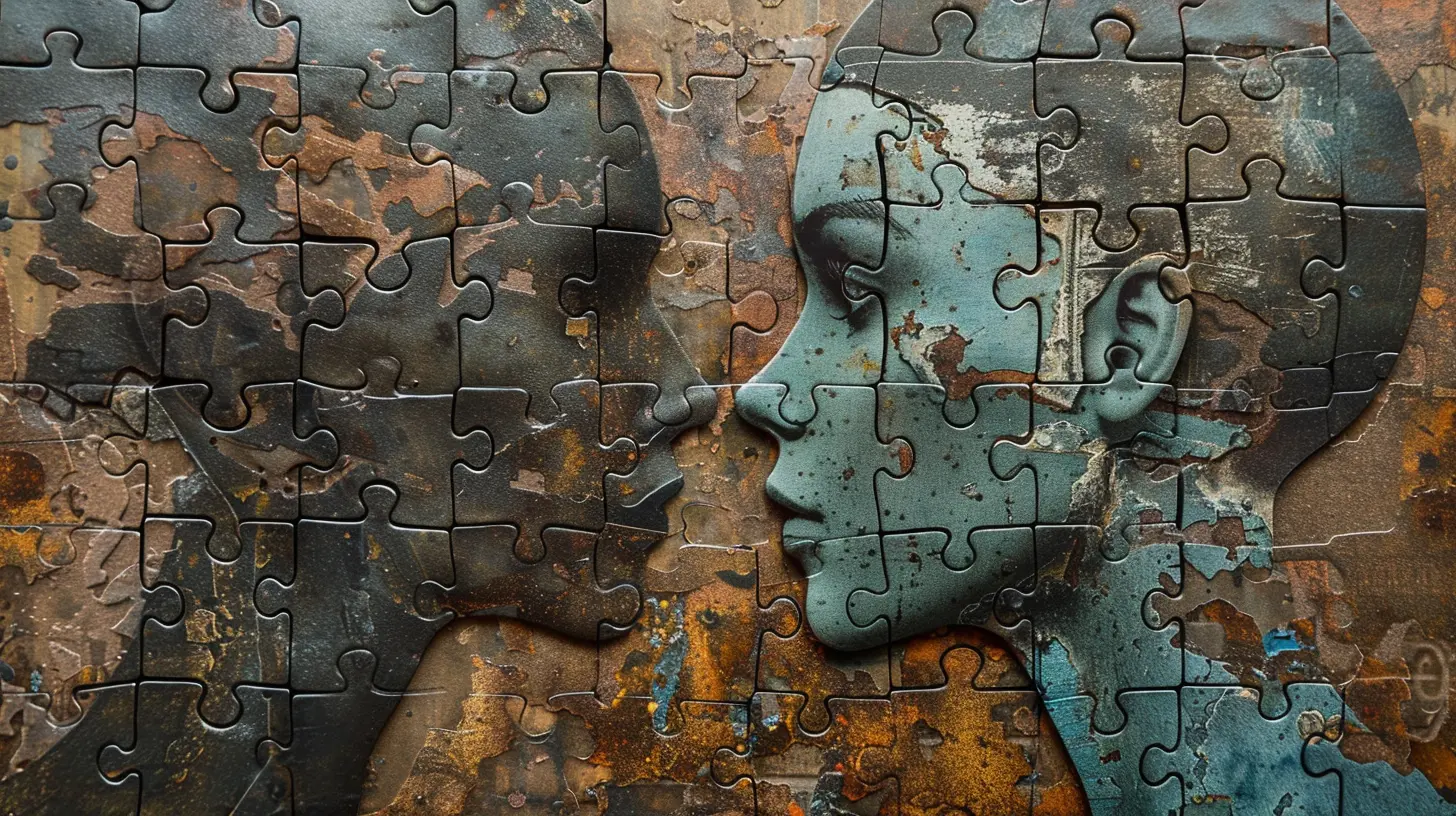
Common Relationship Challenges That Counseling Can Help With
Relationship hurdles come in all shapes and sizes. Some might seem minor—a miscommunication here, a disagreement there. Others are more serious and require more attention. Here are some of the most common challenges counseling can help address:1. Communication Breakdowns
This one tops the list—and for good reason. Poor communication can slowly erode trust and connection. Ever feel like your words just aren’t landing? Or like you're speaking two different languages? Counseling helps decode those mixed signals and teaches you both how to speak and listen more effectively.2. Trust Issues
Trust is the foundation of any relationship. When it cracks—whether due to past infidelity, secrets, or inconsistencies—it can feel nearly impossible to rebuild. But with the right support, healing is possible.3. Intimacy Struggles
Physical or emotional intimacy can fade for many reasons. Stress, trauma, life transitions, and even parenting roles can put a wedge between partners. Therapy helps reopen those intimate lines of connection in a thoughtful, respectful way.4. Different Life Goals
Maybe one of you wants kids, and the other doesn’t. Maybe one dreams of traveling the world while the other craves stability. These aren’t light topics—and they can put serious strain on a relationship. Counseling gives you space to unpack these desires and maybe, just maybe, find common ground.5. Financial Stress
Money is one of the top triggers for relationship conflict. Whether it's spending habits, debt, or clashing priorities, financial disagreements can turn toxic. A counselor can help both of you navigate these topics without letting resentment or blame take over.6. Parenting Conflicts
Raising kids together often exposes deeper differences—especially when it comes to discipline, education, or family values. Therapy helps couples align their parenting approach and support each other as a team.
How Relationship Counseling Actually Works
You might be wondering—what really happens in a counseling session? Is it just hours of venting and crying on a couch?Not quite.
The First Step: Assessment
Most counselors start with an assessment to get a snapshot of your relationship. This might include a joint session, some individual ones, and even questionnaires. The goal is to understand your history, your communication style, and where exactly the pain points are.Setting Goals Together
Once the issues are out in the open, your therapist will help you both set clear, realistic goals. These can range from "argue less frequently" to "rebuild emotional intimacy" or even "decide whether to stay together."The Work Begins
Now comes the real work—digging into the patterns that are keeping you stuck. This is where you’ll explore your triggers, practice new ways of expressing yourself, and learn to truly hear your partner. It’s not always comfortable, but it is incredibly rewarding.And no, you won’t have to spill your deepest secrets every week. A good therapist meets you where you are and respects your boundaries.
Benefits of Counseling for Couples
Let’s talk about the upside. Relationship counseling isn’t just damage control—it’s an investment in your future together. Here’s what many couples take away from the experience:Improved Communication
You’ll learn how to talk with each other instead of at each other. That alone can change everything.A Deeper Emotional Connection
Rediscover what brought you together in the first place. Many couples report feeling closer after just a few sessions.Conflict Resolution Skills
Arguments are inevitable. Counseling teaches you how to fight fair, stay on topic, and avoid going for the low blows.Greater Self-Awareness
Sometimes, the work isn’t just about your partner—it’s about understanding your own patterns and emotional reactions.Renewed Commitment
Counseling can reignite your sense of teamwork and boost long-term relationship satisfaction.Does It Always Work?
Let’s keep it real: not every couple leaves counseling with a fairytale ending. Sometimes, the healthiest outcome is an amicable split. But even then, therapy can help you part ways with clarity, mutual respect, and less emotional baggage.And often, the tools you gain in counseling stick with you for life—benefiting future relationships, too.
When Should You Seek Counseling?
There’s no perfect time, but waiting until things are at a boiling point makes everything harder. Here are a few signs it might be time to reach out for help:- You’re having the same argument over and over again.
- You feel more like roommates than romantic partners.
- You avoid difficult conversations out of fear.
- There's been a breach of trust.
- You’re considering separation or divorce.
- You just want to strengthen your bond and grow together.
Honestly, even if you're just feeling "off" in your relationship, that’s reason enough to talk to a therapist. Early intervention is key.
Choosing the Right Therapist
Finding a good fit is everything. Here are a few tips:- Look for licensed professionals with experience in couples therapy.
- Ask about their approach—some use emotionally focused therapy (EFT), while others might lean on cognitive behavioral techniques (CBT).
- Check your comfort level. You both should feel safe, understood, and respected.
- Be prepared to commit. Therapy isn’t a one-and-done deal. It takes time and consistency.
And yes, online therapy is also a great option if you're juggling a busy schedule or struggling to find a local counselor.
Addressing the Stigma Around Counseling
Let’s debunk this once and for all: going to therapy doesn’t mean your relationship is failing. If anything, it shows strength, courage, and a genuine desire to grow together.Too many couples wait until their relationship is hanging by a thread before seeking help—and by then, it’s often harder to repair. Let’s change the narrative. Therapy isn’t a “last resort.” It’s self-care. It’s proactive. And it’s completely normal.
Final Thoughts: You’re Not Alone
Relationships will always have their ups and downs. It's part of the deal when you choose to build a life with someone. But you don’t have to navigate it all by yourself.Counseling offers more than just a solution—it offers hope, healing, and the tools to build something even stronger than before. Whether you’re facing small hurdles or major crossroads, reaching out for support might be the best decision you ever make—not just for your relationship, but for your own personal growth, too.
So, if you’ve been feeling stuck, misunderstood, or disconnected, know this: change is possible. And counseling can absolutely point you in the right direction.
all images in this post were generated using AI tools
Category:
Psychological CounselingAuthor:

Matilda Whitley
Discussion
rate this article
2 comments
Olympia Hudson
Absolutely loved this article! It beautifully highlights how counseling can transform relationships. Embracing challenges together really strengthens bonds. Here’s to healthier, happier connections! 🌟❤️
April 27, 2026 at 2:22 AM
Matilda Whitley
Thank you for your kind words! I'm glad the article resonated with you. Here's to stronger connections!
Nolan Nguyen
Counseling offers a safe space to explore relationship challenges, fostering understanding and growth. Embracing vulnerability can lead to deeper connections and more effective communication, paving the way for healthier dynamics.
April 17, 2026 at 4:55 PM