Nature as a Coping Mechanism: The Healing Power of the Outdoors
21 March 2026
Have you ever felt completely overwhelmed and just wanted to run away? Don't worry, we all have. But instead of running to your couch with a tub of ice cream (which, let’s be honest, is a temporary fix), have you ever tried running to, well… nature?
Yep, the great outdoors isn’t just for hikers, campers, and people who own suspiciously expensive water bottles. It’s for all of us. And believe it or not, spending time in nature can actually work wonders for your mental health. So, let’s dive into how and why nature is the ultimate coping mechanism—no therapy couch required. 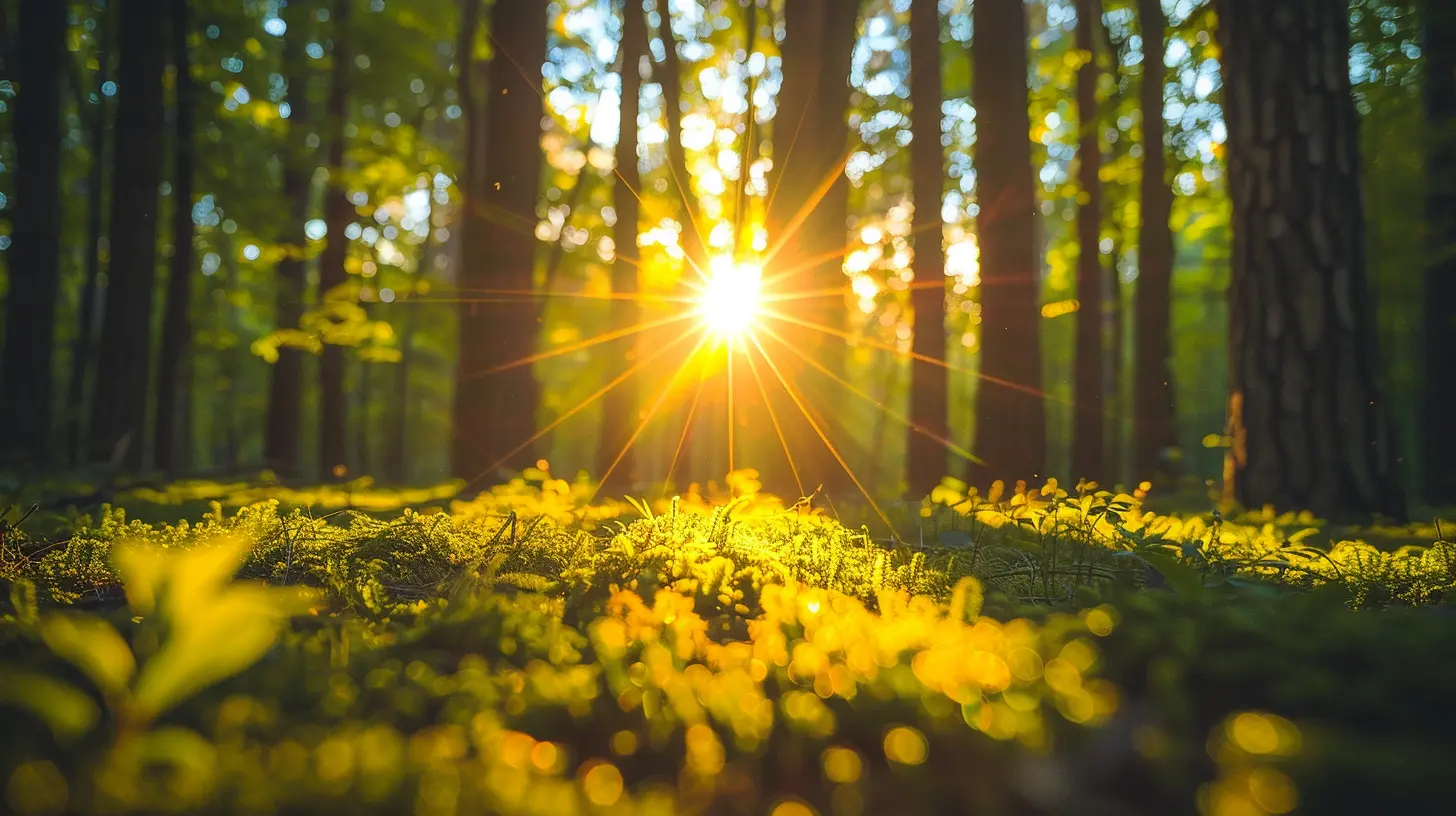
Why Nature? Because Four Walls Can Only Do So Much
If your idea of taking a break is scrolling endlessly on your phone, congratulations—you’re human. But there’s a reason why staring at memes all day leaves you feeling more drained than refreshed. Our brains weren’t designed to be cooped up inside, absorbing infinite TikToks. They were made for movement, fresh air, and, dare I say it—sunlight.Nature provides a reset button for our frazzled minds. Imagine your brain is a constantly overheating laptop (thanks, stress). Well, stepping outside is like pressing “cool down mode.” Science backs this up—time in nature reduces cortisol (the stress hormone), lowers blood pressure, and even boosts your mood.
So, instead of refreshing your inbox for the 57th time today, why not step out and refresh yourself instead? 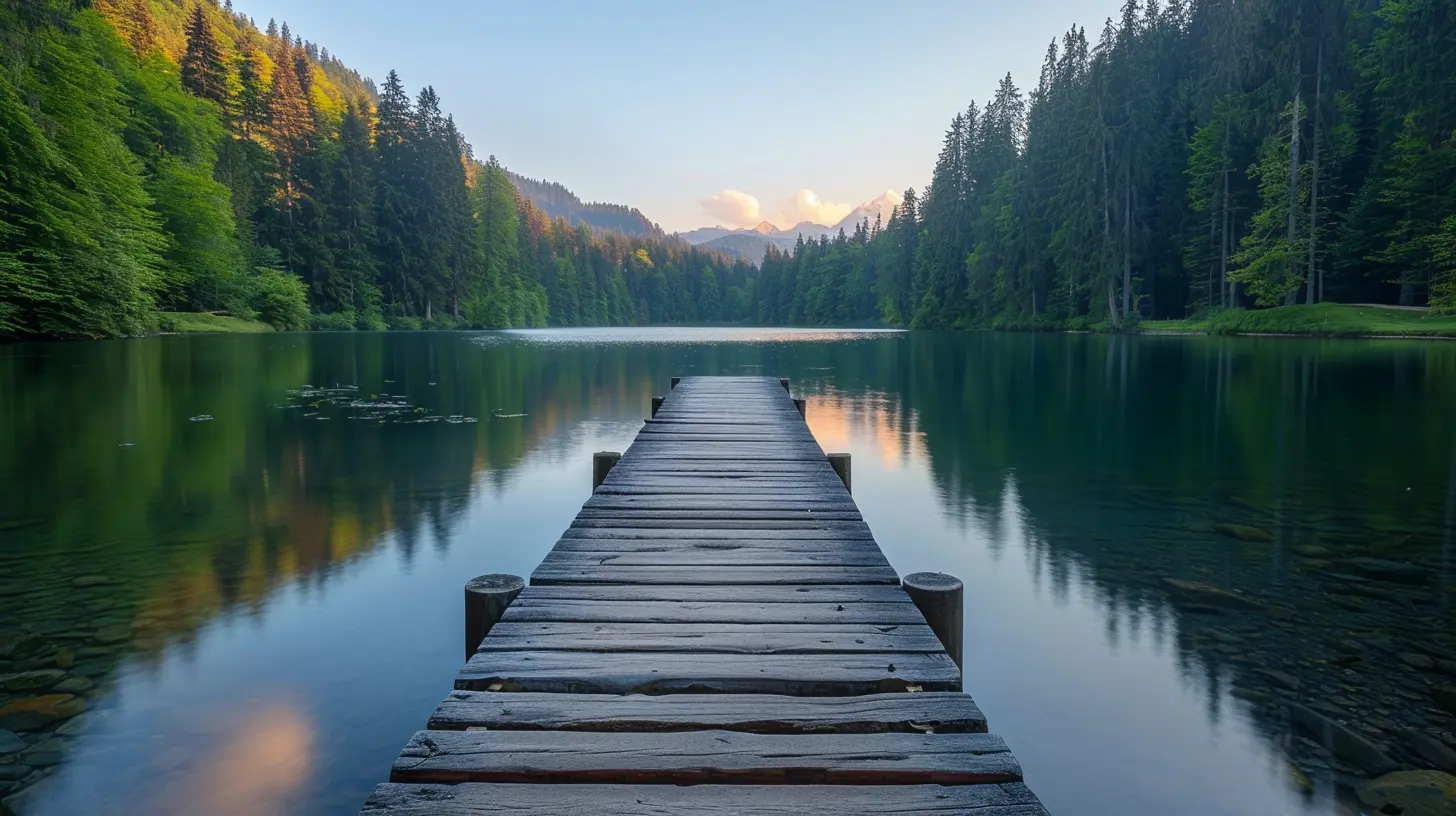
The Science Behind Nature’s Magic (It’s Not Just Hippie Talk)
If you think people who swear by nature sound a little too… enthusiastic, I get it. But science is on their side!🌿 Nature Reduces Stress
Remember that time you felt like throwing your laptop out the window? Next time, try walking out the door instead. Studies have shown that just 20 minutes in nature can significantly lower stress levels. Your boss might still be annoying, but suddenly, you won’t feel the urge to quit life and move to a deserted island.🌞 Sunlight = The Best Therapist
Sunlight boosts serotonin, also known as the “happy hormone.” That’s why people tend to feel down during winter months (hello, seasonal depression). A little daily sunshine can be just as effective as antidepressants for some people. Plus, it’s free—unlike therapy.💨 Fresh Air vs. Stuffy Offices
Do you ever step outside and suddenly realize how terrible the air inside your office actually is? That’s because fresh air increases oxygen levels, which helps improve brain function and mood. So yes, there’s a reason why that after-lunch slump hits harder when you haven't stepped outside since breakfast.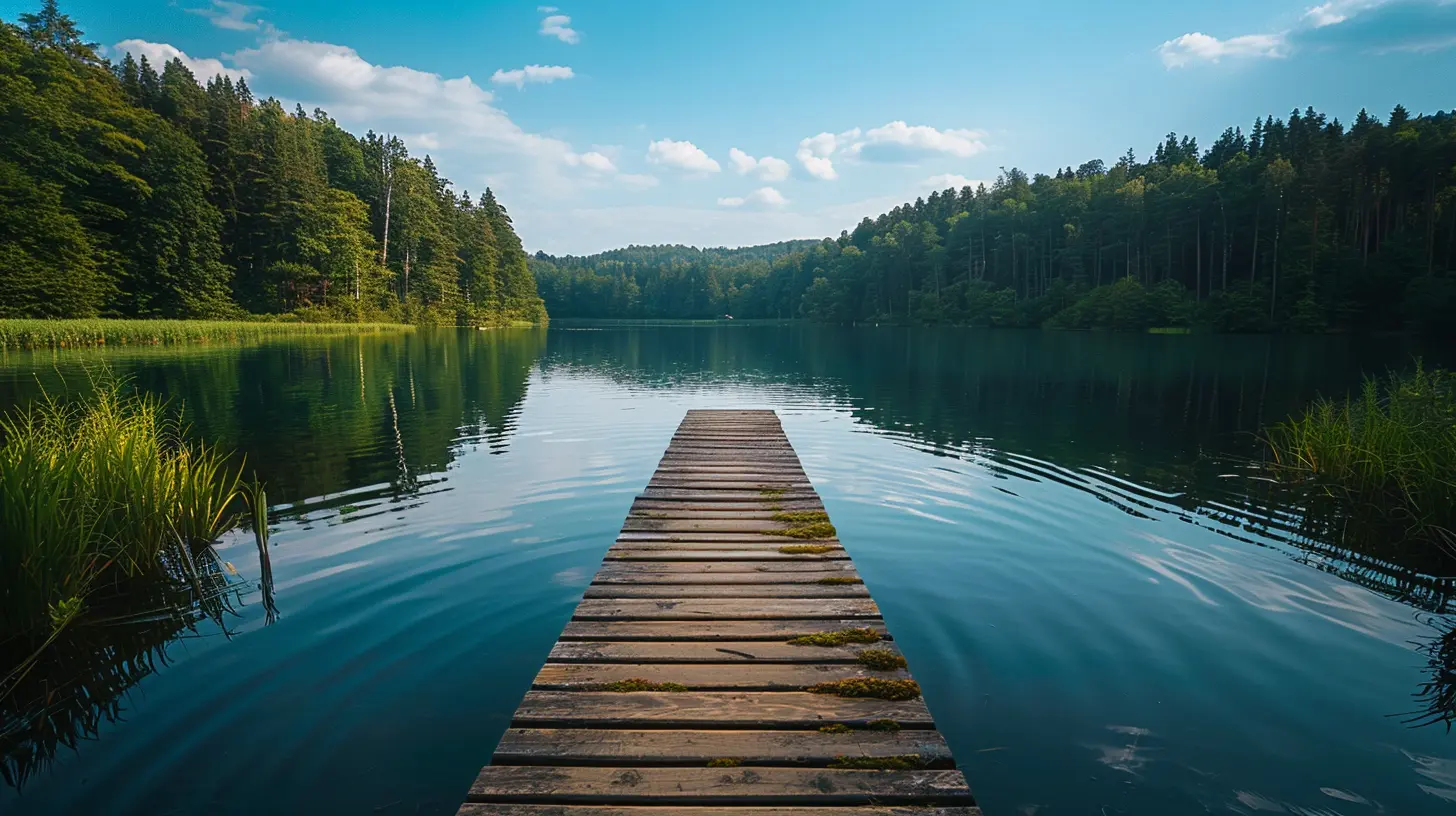
Nature as a Natural Anxiety Remedy
If anxiety had a physical form, it would be that overly dramatic customer in line who demands to "speak to a manager." But here’s the good news: nature has a way of quieting that inner Karen.🌊 Water Therapy: Because Watching Waves Is Basically Hypnosis
Ever notice how watching the ocean instantly makes you feel calmer? That’s because water has a unique, meditative effect on the brain. Whether it’s a lake, river, or even a fancy fountain in a park—being near water helps reduce anxiety and increase relaxation.🌳 Trees: The Silent Therapists
Trees don’t judge. They don’t talk back. They just exist, offering shade, oxygen, and a quiet place to think. Simply being around trees has been proven to lower heart rate and blood pressure. No co-pay required.🎶 Nature’s Soundtrack > Your Stress Playlist
Birds chirping, wind rustling through leaves, waves crashing—these sounds have been scientifically proven to lower stress levels. And unlike your Spotify subscription, nature’s playlist is totally free (and won’t randomly blast ads at you).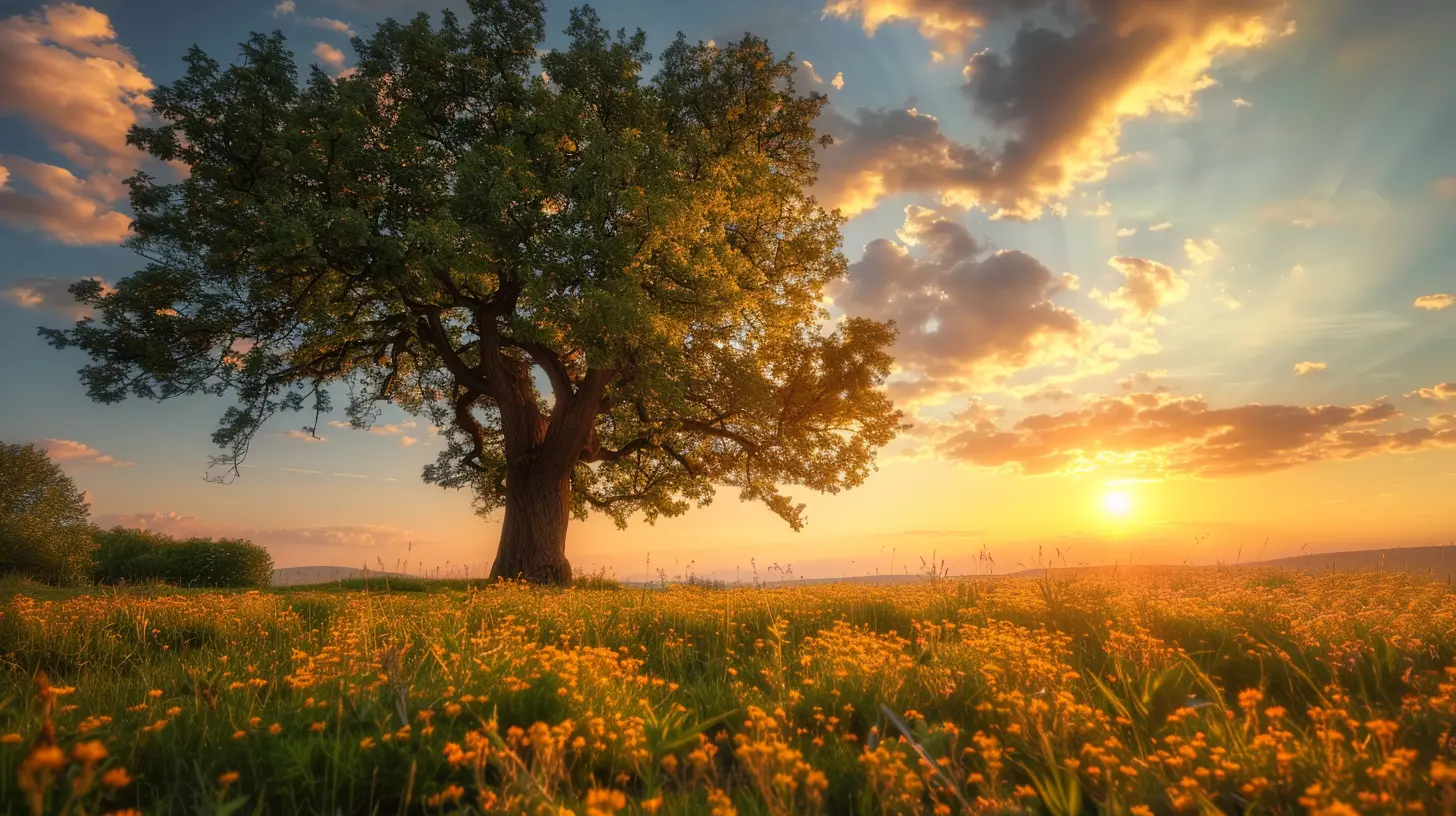
How to Incorporate Nature into Your Life (Without Moving to a Cabin in the Woods)
Okay, so maybe ditching society for a life of tree-hugging isn’t exactly practical (though tempting). The good news? You don’t have to. Small doses of nature can still do wonders for your mental health. Here’s how:🌱 Take a Green Break
Instead of doom-scrolling between meetings, step outside for a few minutes. Even a short walk around the block can make a difference.🌺 Bring the Outside In
If you’re trapped indoors most of the time (hello, 9-to-5 life), bring some nature to you. Houseplants, flowers, or even a small desk fountain can create a calming, natural vibe in your space.🚶 Walk More, Drive Less
If you're able to, swap a car ride for a walk or bike ride. Not only will you get some fresh air, but you might actually notice things around you for once, instead of just dodging traffic.🏕️ Weekend Nature Dates
No, you don’t need to become a hardcore camper. But why not swap one brunch outing for a picnic at the park? Or trade a Saturday spent on the couch for a short hike with a friend? Your mental health will thank you.The Outdoors Won’t Answer Your Emails (And That’s a Good Thing)
One of the best things about nature? It doesn’t ask anything of you. No notifications, no deadlines, no awkward Zoom calls. Just you, your thoughts, and the world around you.So, the next time life feels too heavy, take a step outside. Breathe. Look at the sky. Touch some grass (literally). Because sometimes, the best coping mechanism isn’t in a bottle, a phone, or a self-help book. It’s in the simple, quiet presence of nature.
And hey, worst-case scenario? At least you’ll get some fresh air and a decent Instagram photo.
all images in this post were generated using AI tools
Category:
Coping MechanismsAuthor:

Matilda Whitley
Discussion
rate this article
2 comments
Jack Monroe
Nature truly nurtures our souls; it's a gentle reminder that healing and solace can be found outside.
March 26, 2026 at 3:17 AM
Matilda Whitley
Thank you! I completely agree—nature offers us both comfort and healing, serving as a powerful reminder of the peace found in our surroundings.
Vienna Good
This article beautifully captures the profound connection between nature and our mental well-being. Embracing the outdoors truly offers solace and healing in a hectic world. Thank you for sharing this insight!
March 21, 2026 at 4:38 PM
Matilda Whitley
Thank you for your thoughtful comment! I'm glad the article resonated with you and highlighted nature's healing power.