Mere Exposure Effect: Why Familiarity Breeds Fondness
11 July 2026
Have you ever found yourself humming a song you didn’t like the first time you heard it? Or felt oddly drawn to a person you've seen around often but never really talked to? That’s not just your imagination—it’s psychology at play. Welcome to the fascinating world of the Mere Exposure Effect, where the magic of repetition shapes how we feel.
In this article, we’re diving into the psychology behind why simply being exposed to something repeatedly can make us like it more. Sounds simple, right? But the implications run deep—from who we date to the brands we trust. Ready to explore why familiarity breeds fondness?
What Exactly Is the Mere Exposure Effect?
Let’s start with the basics.The Mere Exposure Effect is a psychological phenomenon where people tend to develop a preference for things merely because they are familiar with them. The term was first coined by social psychologist Robert Zajonc in the 1960s.
So, how does it work? The logic is pretty straightforward: the more you're exposed to something, the more comfortable and safe it feels. Our brains are wired to favor what's known over what's unfamiliar. It’s a survival tactic, really—think about our ancestors needing to distinguish safe berries from mysterious (possibly poisonous) ones.
Now think about how many ads you've seen with the same jingle—or how often you choose the same coffee shop. Coincidence? Not quite.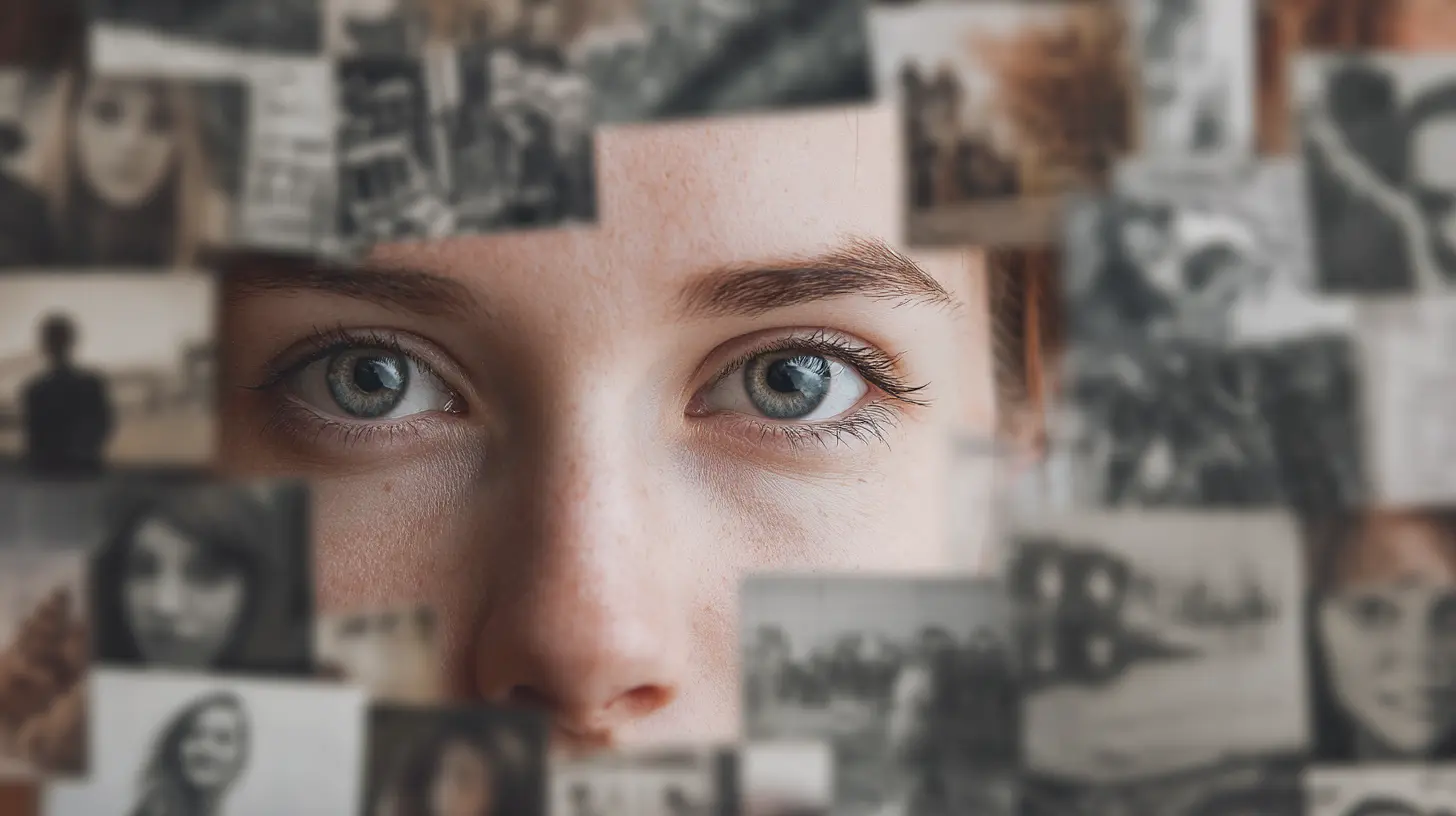
The Science Behind It
Alright, let’s geek out for a second—but in a fun way.When you see, hear, or experience something repeatedly, your brain starts processing it more fluently. Scientists call this "perceptual fluency." Because it takes less mental effort to recognize something familiar, your brain rewards you with a little hit of positive emotion. It's like your brain is saying, “Oh hey, I know this! Must be good.”
Over time, this association grows stronger. The more you're exposed to that song, face, or logo, the more your subconscious gives it a mental thumbs-up.
Even cooler? This happens even if you don’t consciously notice the exposure. Yep, our subconscious is doing a lot of work behind the scenes.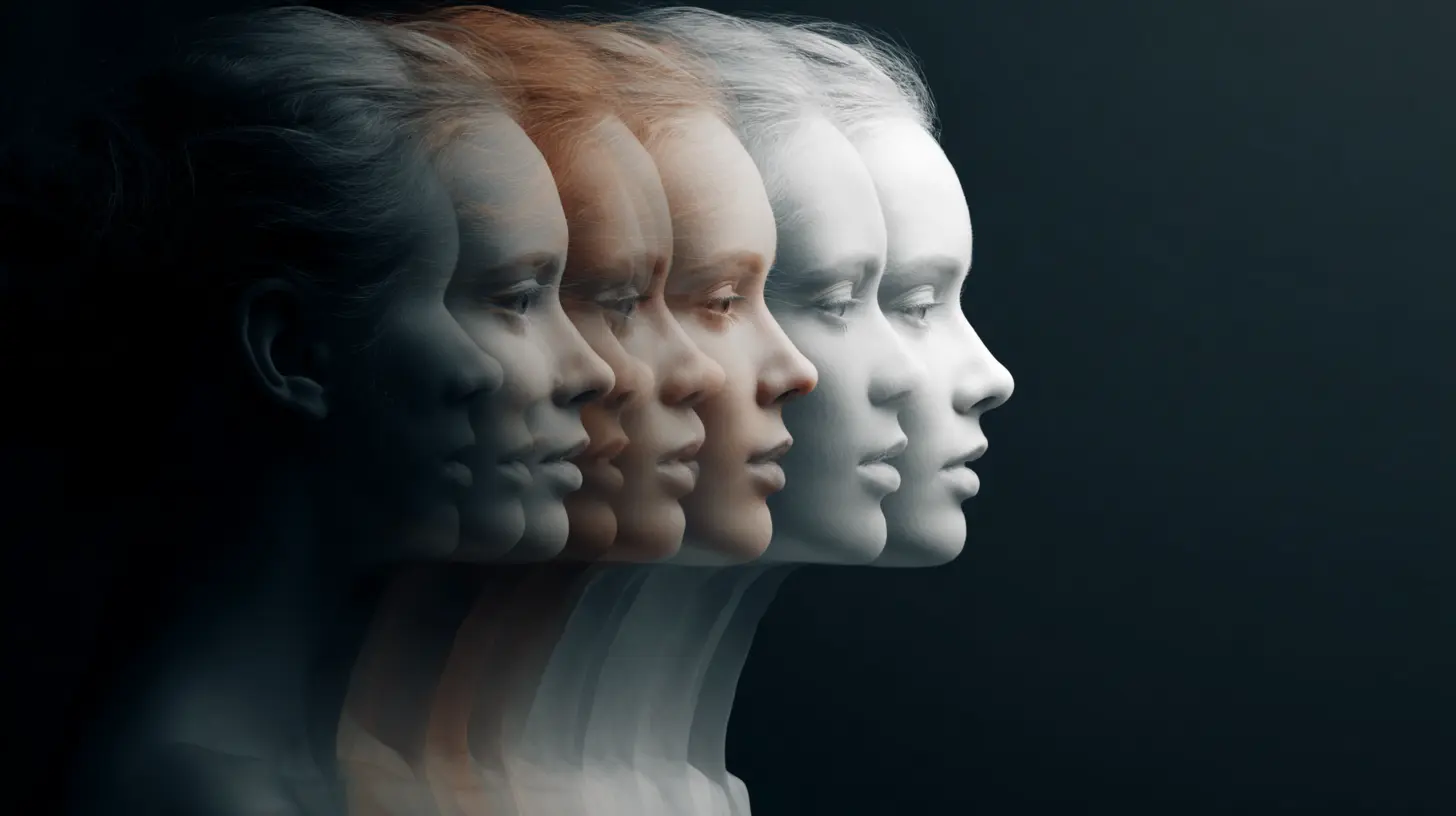
Real-Life Examples You Didn’t Know Were Mere Exposure at Work
Let’s bring this concept down to Earth with some real, everyday examples. You've definitely experienced the Mere Exposure Effect more times than you can count.1. That Catchy Pop Song
Ever heard a song on the radio and thought, “Eh, not my jam,” but after hearing it 10 more times, you’re suddenly singing along in the car? That’s no accident. Radio stations, advertisers, and record labels know that repeated exposure builds familiarity—and eventually, fondness.2. The Evolving Crush
You might have met someone at work or school and didn’t feel any spark at first. But over time, seeing them daily or chatting here and there creates a sense of comfort. That comfort can grow into attraction. Again—familiarity in action.3. Political Campaigns
Ever noticed how political candidates plaster their names everywhere—signs, social media ads, stickers? It’s not just to inform you; it’s to make their name feel familiar. And as research shows, familiarity can translate into likability, and even votes.4. Brand Loyalty
Walk into any grocery store and you’re bombarded by hundreds of products. Yet, more often than not, you’ll reach for the brand you’ve seen before—even if it’s not the cheapest. That’s the Mere Exposure Effect playing matchmaker between you and your favorite cereal.
Why Does Our Brain Like Familiarity?
Believe it or not, our brains are kind of lazy. Okay, maybe "efficient" is a kinder word.We’re constantly bombarded with thousands of stimuli every day—sights, sounds, smells, and more. To handle all that input, the brain naturally leans toward what's easy to process. Familiar things are easier to process, and therefore, they make us feel more at ease.
It’s all about reducing uncertainty. Unfamiliarity can be a source of anxiety or threat in the brain. Familiarity feels safe, and safety feels good.
Let’s face it, your brain’s main job is to keep you alive, not be adventurous. Repeating exposure is like your brain's way of saying, “Hey, this hasn’t killed us yet—must be okay!”
Mere Exposure vs. Love at First Sight
Here’s a fun question: Is love at first sight real, or is it fake news?Well, while instant chemistry can be a thing, long-term attraction usually builds over time. That's because relationships tend to grow stronger with repeated interaction. Whether it’s a friendship or romantic connection, familiarity gives your brain a green light to start building trust.
So, while love at first sight sounds dreamy, love at fifth or tenth sight might actually be more brain-approved.
When Does Mere Exposure Not Work?
Okay, let’s not get too carried away. Just because something is familiar doesn’t automatically mean we’ll love it.Repeated exposure can backfire in certain cases:
- If the first impression is really bad: If your first interaction with something is negative, repeated exposure might just reinforce your dislike.
- If it's overdone: Think about that ad you’ve seen a million times—it was catchy at first, now it’s just annoying. That’s called "overexposure."
- If you're aware you're being manipulated: If people sense a company or person is trying too hard to be liked through forced exposure, it can trigger skepticism.
So yes, familiarity breeds fondness—but it isn’t a one-size-fits-all situation.
How The Mere Exposure Effect Influences Our Daily Decisions
Want a little peek into how much the Mere Exposure Effect is guiding your life? Let’s break down a few ways it quietly influences your choices every single day.1. Shopping Habits
From the clothes you wear to the shampoo you buy, chances are you're sticking to brands you've seen over and over. Retail companies strategically place familiar brands at eye level—because they know your brain is more likely to trust them.2. Social Media Algorithms
Ever notice how your feed is full of people you’ve already interacted with or accounts you've viewed? Social platforms want to keep you engaged, and what better way than to show you more of what you’re familiar with?3. Hiring Bias
This one’s tricky. Sometimes, hiring managers favor candidates who are "like them" or share similar backgrounds—not necessarily the best candidate, but the most familiar one. Awareness of this bias is crucial to keep decision-making fair.Harnessing the Mere Exposure Effect in Your Own Life
Now that you're aware of this sneaky little psychological trick, how can you use it to your benefit?1. Build Relationships
Want to deepen a friendship or romantic connection? Simple, consistent interaction goes a long way. No need for grand gestures—just be around. Send a check-in text. Show up often.2. Boost Your Creativity
If you're trying to come up with new ideas, repeatedly exposing yourself to certain themes or styles can help you feel more comfortable experimenting with them. Familiarity breeds creativity too!3. Improve Your Public Speaking
Scared of giving a presentation? Practice in front of the mirror or a small audience. The more times you expose yourself to the act of speaking, the less anxiety you’ll feel.4. Market Yourself or Your Brand
If you're building a brand or business, consistency is your best friend. Show up regularly on your audience’s radar—email newsletters, blog posts, social media. Familiarity builds trust.Mere Exposure Effect in Relationships: More Than Just Face Time
One of the most powerful places this effect plays out is in human relationships. Whether it's making new friends or falling in love, repeated exposure helps form bonds that stick.Think about college dorms, workplaces, or even neighborhoods. You'll almost always find that people are more likely to grow close to others they see frequently. That’s not just convenience—it’s psychology in action.
It’s also why long-distance relationships can be tough. Without consistent exposure, maintaining a sense of closeness becomes harder. But hey, that’s where video calls and texting help bridge the gap.
So if you're looking to build deeper connections, showing up regularly is half the battle.
Criticisms and Limitations
While the Mere Exposure Effect is powerful, it’s not without its criticisms.Some researchers argue that it oversimplifies human behavior. We’re complex beings influenced by mood, past experiences, and context. You can’t just play a jingle a hundred times and automatically make someone love your product (though many have tried).
Also, cultural and personal preferences play a role. Some cultures value novelty more than familiarity, and for some people, seeing something too often can actually create aversion.
So yes, familiarity is influential—but it’s not everything.
Final Thoughts
The Mere Exposure Effect is like your brain’s subtle nudge, whispering “this feels safe” whenever you come across something familiar. It’s one of those underrated psychological phenomena that quietly shape our behaviors, relationships, and choices every single day.From marketing campaigns to our social lives, this concept explains why we gravitate toward what we know. But like most things in psychology, it’s not a silver bullet. It works best in moderation and requires a touch of authenticity.
So the next time you find yourself loving something you didn't initially like—or feel oddly comforted by a brand or song—just remember: it might just be your brain doing what it does best—finding comfort in the known.
all images in this post were generated using AI tools
Category:
Psychological BiasAuthor:

Matilda Whitley