How to Build Emotional Resilience Through Creative Expression
11 June 2026
Emotional resilience is a bit like a muscle — the more you work on it, the stronger it becomes. But instead of lifting weights or doing squats, building emotional resilience is more about how we handle stress, adversity, and life’s ups and downs. And guess what? One of the most effective ways to strengthen your emotional resilience is through creative expression. Whether you’re painting, writing poetry, dancing, or even doodling inside a notebook, creative outlets can play a huge role in helping us cope with and bounce back from challenging emotions.
But why is creativity such a powerful tool for emotional resilience? And how can you harness it to build stronger emotional muscles? Let’s dive into the world of emotional resilience and creative expression — exploring how these two concepts intertwine and how they can be your secret weapon in navigating life’s rollercoaster.

What is Emotional Resilience?
Before we get into the creative side of things, let’s first talk about what emotional resilience really means. In short, emotional resilience is the ability to adapt and recover from stress, adversity, trauma, or any emotional setback. It’s not about avoiding or suppressing difficult emotions but rather facing them head-on and finding a way to bounce back.Think of it like a tree in a storm. The wind might bend and sway the branches, but the tree's roots keep it grounded. Emotional resilience is like those roots. It doesn’t mean you won’t experience hard times, but it does mean you can weather the storm and come out stronger on the other side.
Some people are naturally more resilient, while others might struggle with it — and that’s totally okay. The good news is that emotional resilience isn’t something you’re born with or without; it’s something you can develop and strengthen over time. And one of the most effective ways to do so is through creative expression.
The Link Between Creative Expression and Emotional Resilience
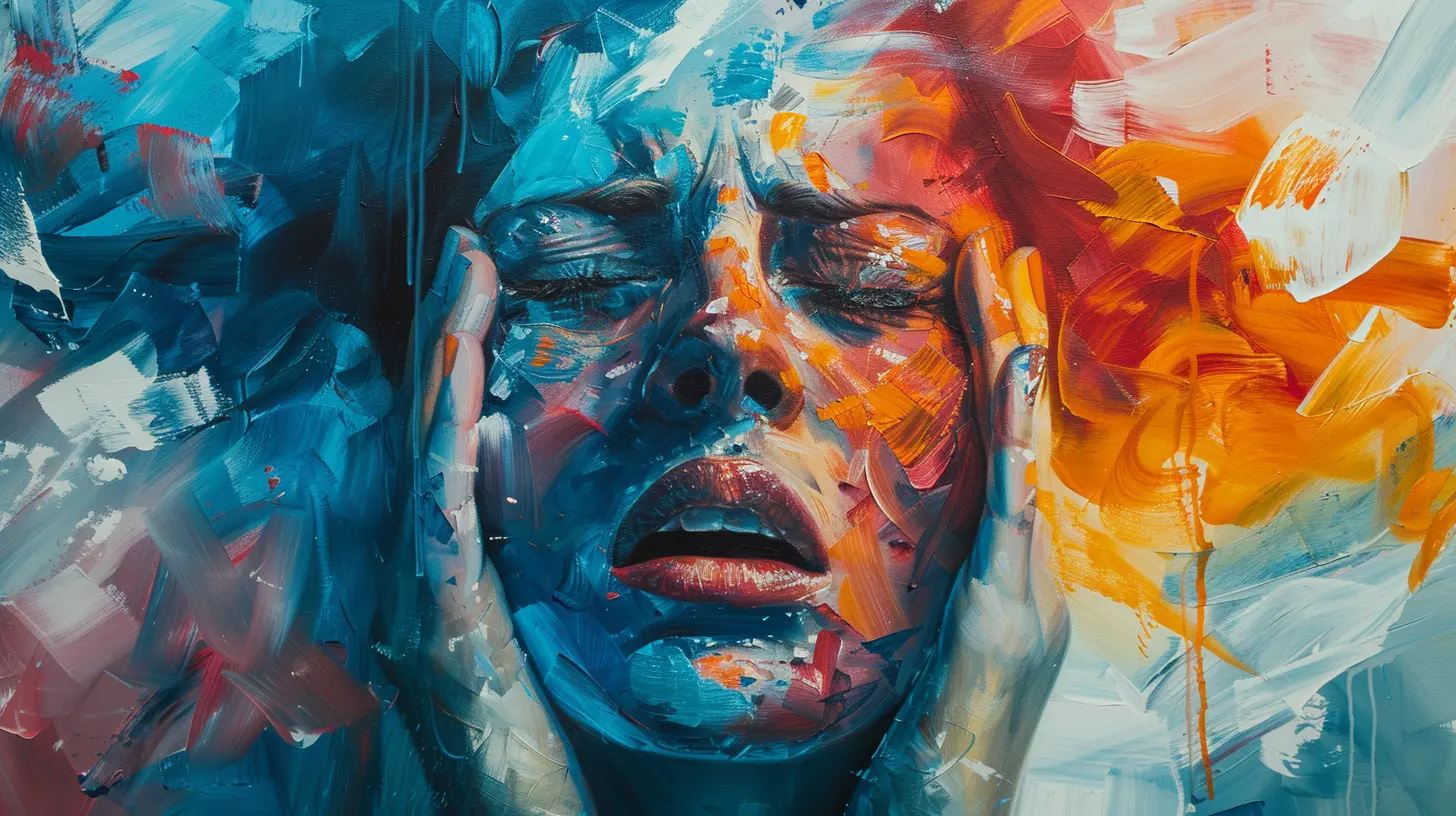
You might be wondering, "How can painting a picture or writing in a journal help me become more emotionally resilient?" Good question! The connection between creativity and emotional resilience lies in how creative activities allow us to process and express our emotions in a healthy way.Let’s break it down into a few key reasons why creative expression can build emotional resilience:
1. Creative Expression is a Safe Outlet for Emotions
Life can be overwhelming sometimes, and it’s easy to feel weighed down by emotions like frustration, sadness, or anxiety. When we bottle up these feelings, they tend to fester and grow, making things worse. Creative expression, however, gives us a safe and constructive outlet to release these emotions.For example, journaling can help you process a tough day by allowing you to put your thoughts and feelings into words. Similarly, painting or drawing can help you express emotions you might not even fully understand yet. Rather than letting emotions run wild inside your head, creative activities allow you to release them in a way that feels productive and cathartic.
2. Creativity Helps You Make Sense of Your Experiences
Have you ever noticed how writing things down or talking to someone can help you gain clarity? Creative expression works in a similar way. It allows you to reflect on your experiences and make sense of them in a way that might not be possible if you were just sitting with your thoughts.For instance, writing a poem about a painful experience might help you process the event from a different perspective. Similarly, creating art inspired by your emotions can help you better understand how you feel and why you feel that way. By externalizing your emotions through creativity, you can gain insight into your inner world — and that insight is key to building emotional resilience.
3. Creativity Encourages Problem-Solving and Flexibility
Creative activities often require us to think outside the box, adapt, and find solutions to challenges. Whether you’re trying to figure out how to finish a painting or working on a piece of writing, creativity teaches you to be flexible and resourceful.These problem-solving skills are directly transferable to real-life situations. When you face challenges or setbacks in life, having the ability to approach them with a creative mindset can help you find solutions that you might not have considered otherwise. Resilient people are often great problem-solvers because they’re flexible in their thinking — and creativity nurtures exactly that kind of flexibility.
4. Creating Something Gives You a Sense of Accomplishment
Let’s be honest, there’s something incredibly satisfying about finishing a project — whether it’s a painting, a poem, a knitted scarf, or a DIY project. That sense of accomplishment can boost your self-esteem and give you a sense of control, both of which are essential for emotional resilience.When you’re feeling down or overwhelmed, creating something from scratch can remind you that you have the power to make things happen. It’s a way to shift your focus from what’s going wrong to what you’re capable of achieving. That sense of empowerment can help you bounce back from difficult situations with renewed confidence.
5. Creativity Can Be a Form of Mindfulness
Have you ever experienced that "flow" state while working on a creative project? It’s that feeling where you’re so absorbed in the activity that time seems to fly by. This state of flow is closely tied to mindfulness — the practice of being fully present in the moment.When you’re deeply engaged in a creative activity, your mind isn’t racing with worries about the future or regrets about the past. Instead, you’re focused on the present moment, which can be incredibly calming and grounding. Regularly engaging in creative activities can help you cultivate a mindful mindset, which in turn strengthens your emotional resilience by reducing stress and promoting emotional balance.

Different Forms of Creative Expression That Build Emotional Resilience
So, how exactly can you start incorporating creative expression into your life to build emotional resilience? The good news is that there’s no one-size-fits-all approach. Creativity comes in many shapes and forms, and the key is finding what resonates with you. Here are some ideas to get you started:1. Journaling
Journaling is one of the simplest yet most powerful forms of creative expression. It allows you to release your thoughts and emotions onto paper, helping you make sense of them and gain clarity. You don’t need to be a “writer” to journal; just start by writing down whatever comes to mind.2. Painting or Drawing
Visual art is a fantastic way to express emotions that might be difficult to put into words. You don’t need to be Picasso to benefit from painting or drawing. It’s about the process, not the final product. Grab some paints, pencils, or crayons and see where your emotions take you.3. Creative Writing
If you enjoy writing, try diving into creative writing. Whether it’s poetry, short stories, or even personal essays, writing can help you process emotions and experiences in a meaningful way. It’s like having a conversation with yourself on paper.4. Music and Dance
Music and dance are incredibly expressive forms of creativity. Whether you’re playing an instrument, singing, or dancing, these activities can help release pent-up emotions and boost your mood. Plus, moving your body through dance can be a great way to shake off stress.5. Crafting or DIY Projects
Sometimes, working with your hands can be a therapeutic way to release stress and channel your emotions into something productive. Try knitting, sewing, woodworking, or any DIY project that sparks your interest. The act of creating something tangible can give you a sense of accomplishment and control.6. Photography
Photography is another visual art form that allows you to capture and express emotions. Whether you’re taking pictures of nature, people, or abstract scenes, photography can help you see the world — and your emotions — from a new perspective.
How to Get Started with Creative Expression
If you’re new to creative expression, you might feel a bit intimidated at first. But remember, there’s no right or wrong way to be creative. The goal isn’t to create a masterpiece; it’s to express yourself and process your emotions in a healthy way.Here are a few tips to help you get started:
- Start small: Don’t overwhelm yourself by trying to tackle a huge project. Start with something simple, like doodling for 10 minutes or writing a few lines in a journal.
- Let go of perfection: This isn’t about creating something perfect. It’s about the process of expressing yourself. Don’t worry about how it looks or sounds; just focus on how it makes you feel.
- Set aside time: Make creative expression a regular part of your routine. Even 10-15 minutes a day can make a big difference in your emotional well-being.
- Experiment: Try different forms of creative expression to see what resonates with you. You might discover a new passion or hobby along the way.
Final Thoughts: Creativity as a Resilience-Building Tool
In a world that can often feel overwhelming, finding ways to build emotional resilience is crucial. Creative expression offers a unique and powerful way to process emotions, reduce stress, and develop the flexibility and problem-solving skills that are key to emotional resilience.Whether it's through journaling, painting, dancing, or any other form of creative expression, taking time to engage with your inner world can help you weather life's storms with greater strength and clarity. So, why not pick up a paintbrush, start writing, or turn up the music and dance your heart out? Your emotional resilience will thank you.
all images in this post were generated using AI tools
Category:
Emotional ResilienceAuthor:

Matilda Whitley
Discussion
rate this article
1 comments
Finley Hensley
Creative expression truly boosts resilience... love this insight!
June 15, 2026 at 2:43 AM