How the Brain Communicates Physical Distress Through Psychosomatic Symptoms
30 November 2025
Ever get a stomachache before a big presentation? Or feel your chest tighten when stress piles on? You're not imagining things—your brain might be sounding the alarm through your body. It's wild how our thoughts and emotions can stir physical reactions, right? That’s the magic (and sometimes the curse) of psychosomatic symptoms.
In this article, we’re going to peel back the layers of this fascinating mind-body connection. By the time you’re done reading, you’ll have a deeper understanding of how your brain waves the flag of physical distress when things aren't quite right emotionally or mentally.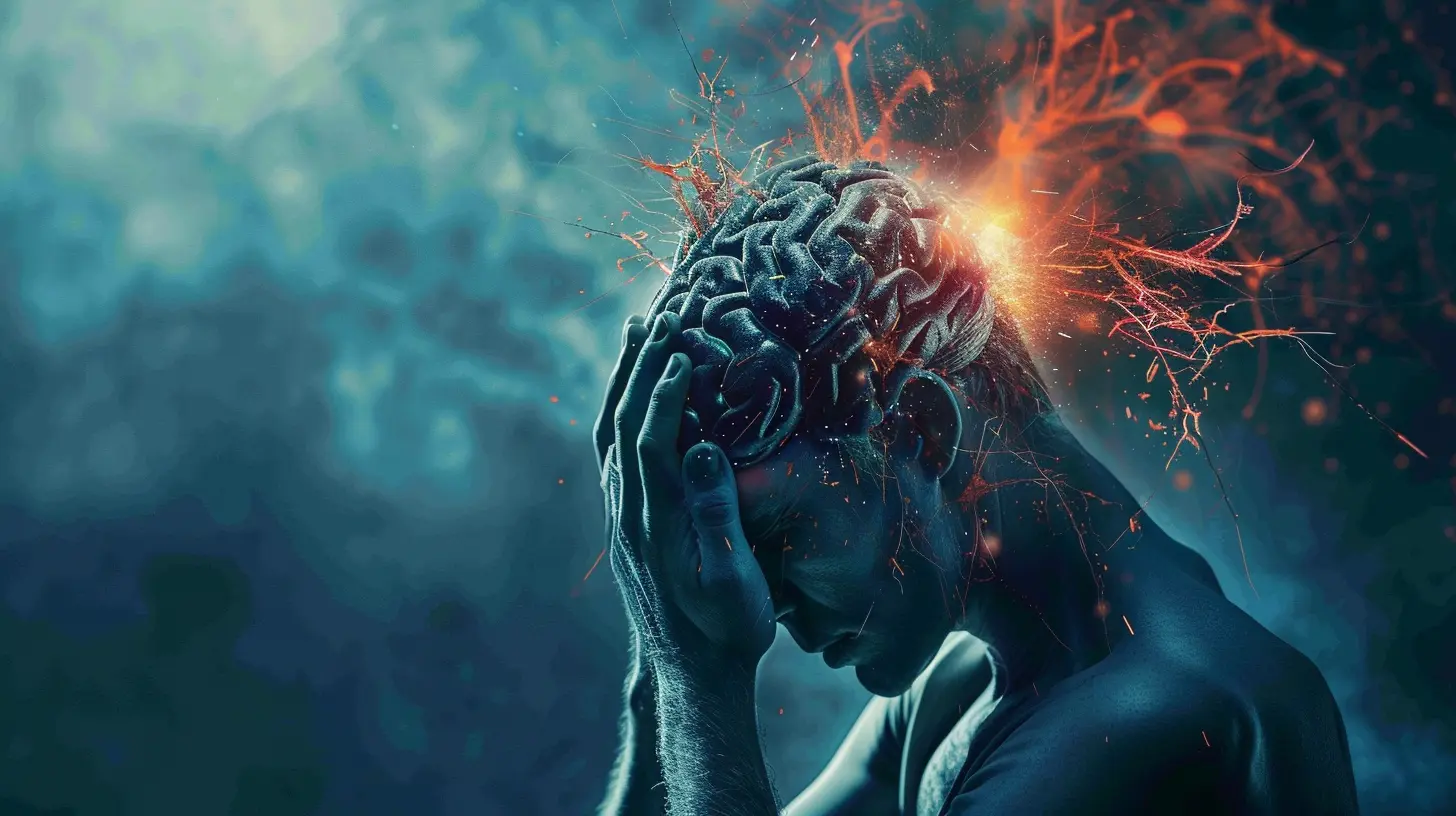
What Are Psychosomatic Symptoms Anyway?
Let’s clear the air on a common misconception: psychosomatic symptoms are real. Yep, they're not "just in your head." These symptoms start in the brain, but they very much show up in the body.At its core, psychosomatic illness refers to physical symptoms that are caused or made worse by mental factors like stress, anxiety, or depression. It’s like your brain is a frantic parent trying to get your attention—and the only way it knows how is to give you, say, a headache or back pain.
Some common psychosomatic symptoms include:
- Persistent fatigue
- Muscle tension
- Migraines
- Chest pain
- Stomach issues
- Skin problems
Not fun, huh?
The Mind-Body Connection: More Powerful Than You Think
Our brain and our body are in constant communication. They’re basically BFFs attached via the nervous system highway. Think of it like a two-way radio: the brain sends signals to the body, and the body sends feedback to the brain.When emotions like fear, anger, or anxiety bubble up, the brain sends out distress signals—often via the autonomic nervous system (which controls things like heart rate, digestion, and breathing). If these signals keep firing over time, they can create real, noticeable physical symptoms.
Fight or Flight: Your Brain’s Emergency Mode
Imagine you’re walking through the woods and suddenly see a bear. (Okay, a little dramatic, but stay with me.) Your brain reacts in milliseconds—heart races, muscles tense, breathing quickens. That’s the classic fight or flight response, thanks to your amygdala, which processes fear.Now, let’s say you’re not in the woods, but in a stressful job or a toxic relationship. Still, your brain reacts as if there’s a bear in the room—sending out the same physiological signals, except now, the stress doesn’t go away. Your body stays on high alert. That’s when things start to spiral, and psychosomatic symptoms creep in.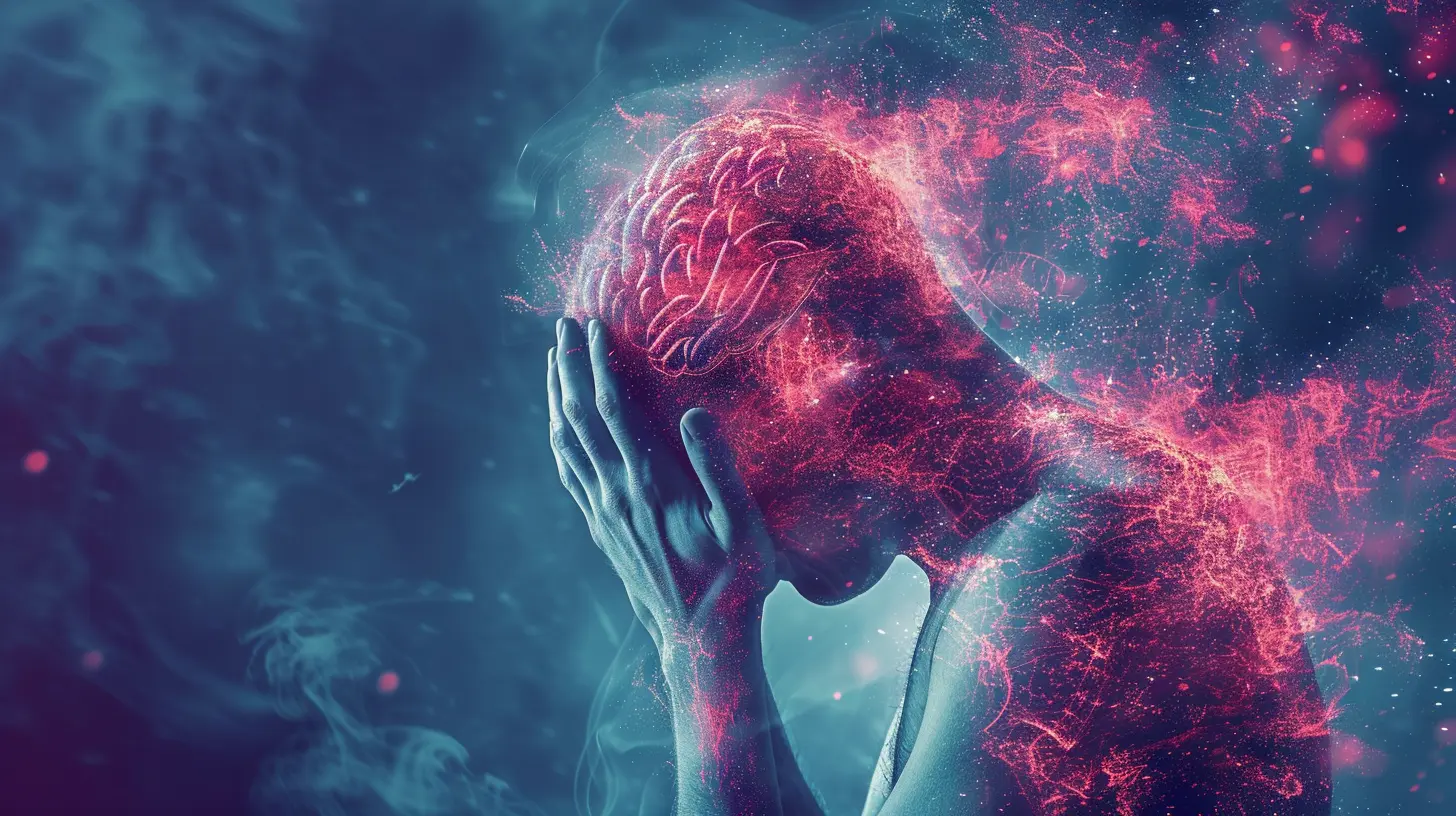
How Emotional Stress Morphs into Physical Pain
You might be wondering, “Why does my brain turn mental tension into body aches?” Great question!Here’s how that process typically works:
1. Emotional Trigger: Something stressful or emotionally charged happens—an argument, financial worry, or burnout at work.
2. Cognitive Processing: Your brain interprets this event as a threat, even if it’s not life-threatening.
3. Chemical Response: Stress hormones (like cortisol and adrenaline) flood your system.
4. Physical Manifestation: Over time, if the stress continues, muscles tighten, digestion slows, and pain starts showing up in different parts of the body.
Long-term exposure to this stress-response system can wear you down. It’s like pressing on a car's gas pedal without ever letting up—you’re bound to wear out the engine.
Common Psychosomatic Conditions
To make this a little more down-to-earth, let’s take a look at a few real-life examples where psychosomatic symptoms pop up:1. Tension Headaches
Ever get a pounding headache after a tense conversation or a stressful meeting? That’s your body reacting to emotional overload. The muscles around your head and neck tense up, and before you know it—bam, headache central.2. Irritable Bowel Syndrome (IBS)
Gut feelings aren’t just poetic—they’re scientific. Your gut has its own nervous system (the enteric nervous system), and it’s super sensitive to emotional stress. That’s why anxiety often equals stomach cramps, bloating, or diarrhea.3. Chronic Fatigue Syndrome
This one’s tricky. It feels like you’re constantly tired, even after resting. Emotional burnout or prolonged stress can hijack your energy levels completely. Not surprising when your brain is running an endless game of emotional whack-a-mole.4. Back Pain
Carrying emotional baggage? Your back might be doing exactly that—carrying the weight. It’s common for people under chronic emotional strain to develop back or neck pain, especially if they sit or sleep tensely.Why Some People Experience It More Than Others
So, does everyone experience psychosomatic symptoms in the same way? Nope. Our personal history, personality, and even how we were raised play a huge role.Factors that Increase Susceptibility:
- High levels of chronic stress- A tendency to suppress emotions
- A history of trauma or abuse
- Lack of emotional support
- Perfectionist or high-achieving personality types
People who have trouble expressing emotions often internalize them. And when emotions don’t get an exit—they find their way out through physical symptoms.
How to Tell If Your Symptoms Are Psychosomatic
Let’s be real: not all physical symptoms are psychosomatic. So how do you tell the difference?Here are a few red flags that might suggest a psychological root:
- Symptoms appear or worsen during stressful periods
- Multiple tests come back “normal,” yet you still feel unwell
- Physical symptoms don’t make sense medically
- You tend to feel better when distracted or relaxed
Of course, it’s crucial to rule out any medical conditions first. But if everything checks out and you’re still struggling, your mind might be the missing piece of the puzzle.
Healing the Mind to Heal the Body
Now for the good news—this isn’t a life sentence. You can take steps to break the cycle and retrain your brain to handle stress in a healthier way.1. Mindfulness & Meditation
Simple, but powerful. Mindfulness teaches your brain to stay present and calm. Over time, it changes your brain’s wiring—literally. It's like giving your amygdala a spa day.2. Therapy
Cognitive Behavioral Therapy (CBT) is especially helpful for tackling psychosomatic symptoms. It helps you identify thought patterns that trigger your stress response and teaches healthier ways to cope.3. Regular Physical Activity
Exercise is a natural way to reduce stress hormones and boost mood-enhancing chemicals like serotonin. Plus, moving the body can help release stored tension.4. Journaling & Emotional Expression
Writing down your thoughts can be incredibly therapeutic. It allows your emotions to exit stage left—instead of clinging on and wreaking havoc on your body.5. Healthy Social Connections
Never underestimate the power of talking things out. Venting to a trusted friend or hugging it out can actually activate calming chemicals in the brain like oxytocin.The Takeaway
Our brains are brilliant, but they can also be dramatic little tyrants. When we’re emotionally overwhelmed, the brain doesn’t always whisper—sometimes it yells through our bodies.Psychosomatic symptoms aren't fake or “all in your head.” They're your brain's funky, complicated way of waving a big red flag that something deeper is going on.
If this sounds like your story, don’t panic. Start small. Pay attention. Feel your feelings. Speak your truth. Reconnect with your body.
Your brain might be screaming, but it’s not trying to sabotage you. It just wants you to listen.
all images in this post were generated using AI tools
Category:
Psychosomatic DisordersAuthor:

Matilda Whitley
Discussion
rate this article
1 comments
Rosanna Jennings
Mind-body connection reveals profound healing potential.
December 5, 2025 at 4:39 AM
Matilda Whitley
Absolutely! The mind-body connection is key to understanding how emotional states can influence physical health, highlighting the importance of holistic approaches in healing.