How Leaders Can Use Behavioral Psychology to Drive Team Success
28 July 2026
Ever wonder why some teams just click while others constantly clash? Or why some leaders seem to effortlessly inspire while others struggle to get a motivated nod? Well, there’s a secret sauce—and it’s called behavioral psychology. Yup, the same science that explains why you binge chips while promising “just one more” can help leaders fuel productivity, build trust, and cultivate rockstar teams.
In this article, we’re diving into the fascinating world where leadership meets behavioral psychology. If you're a leader (or aspiring to be one), you're going to want to bookmark this.
What Is Behavioral Psychology Anyway?
Before we dive into the juicy stuff, let’s do a quick flyover. Behavioral psychology, also known as behaviorism, is all about understanding how people behave and why they do what they do. It explores how conditioning, environment, and reinforcement shape actions. Think Pavlov’s dog ringing the bell and salivating—it’s that kind of vibe, but applied to office dynamics instead of dog treats.As a leader, using behavioral psychology means you're not just barking orders (pun totally intended). You're tapping into what really makes your team tick—motivations, habits, fears, and all the quirky stuff in between.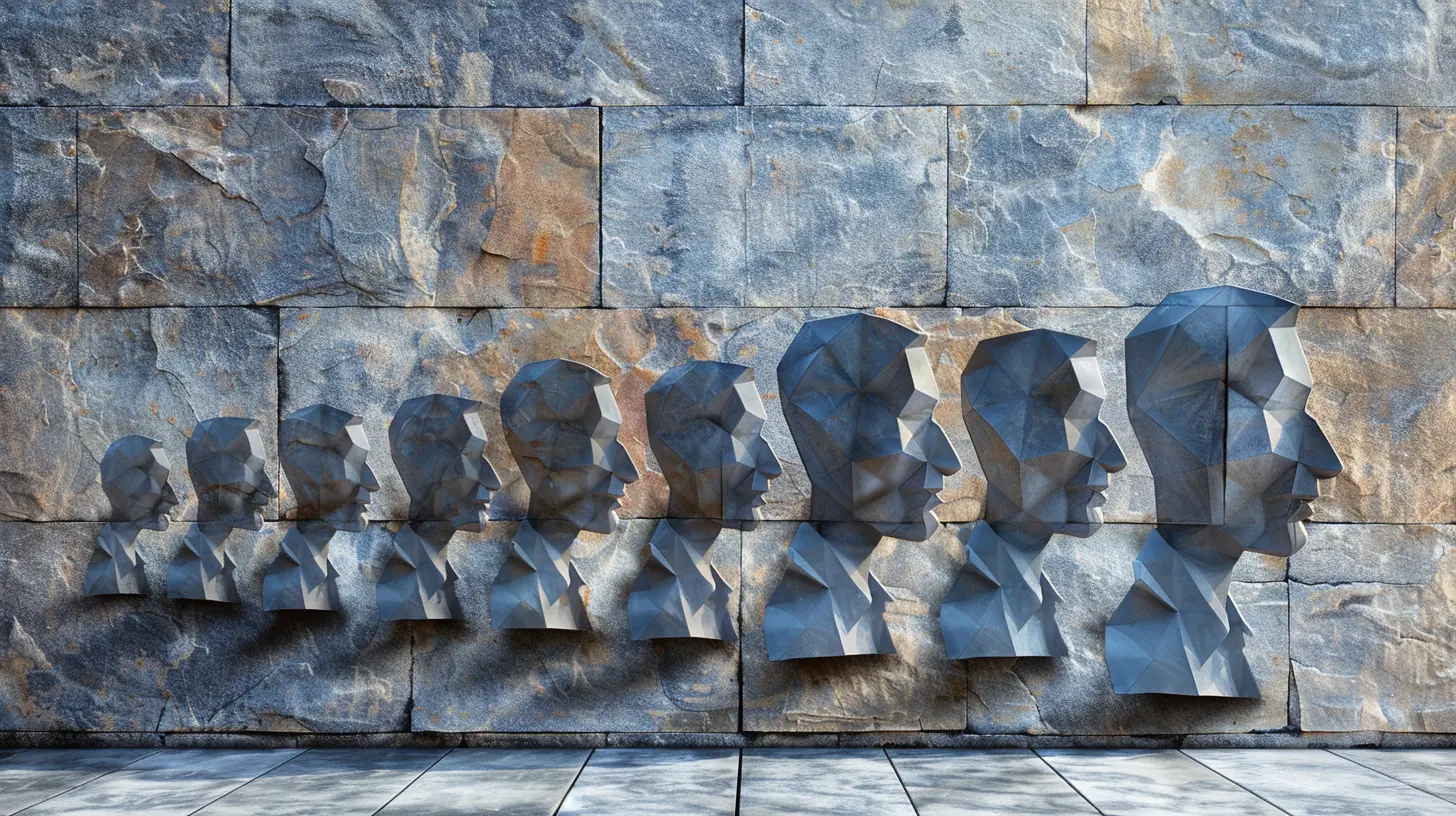
Why Leaders Should Care About Behavioral Psychology
So, why should you—the fearless team captain—care about this sciencey stuff? Because it works. Leveraging behavioral psychology can help you:- Motivate your team without becoming a micromanager
- Create a culture of cooperation and innovation
- Improve communication and reduce misunderstandings
- Nudge performance upward without burning people out
It's not about manipulation—it's about mindful leadership. You’re understanding your team better so you can lead them better. Cool, right?
The Psychology of Motivation: No More Carrots and Sticks
Let’s start with motivation—the holy grail of leadership. Traditional models say reward good behavior (carrot) and punish bad behavior (stick). But behavioral psychology suggests people aren’t that simple. Shocker.Intrinsic vs. Extrinsic Motivation
There are two main types of motivation:- Extrinsic: Doing something for a reward (money, promotion, snack drawer access).
- Intrinsic: Doing something because it feels good or meaningful.
Now, here's the kicker: Studies show intrinsic motivation tends to stick around longer. So instead of dangling a bonus, try giving ownership. Instead of threatening consequences, foster purpose.
Let your team feel the "why" behind the work. Tie their efforts to larger goals. Suddenly, projects aren’t just deadlines—they’re missions.
Reinforcement: Training the Brain (and the Team)
Behavioral psychology thrives on reinforcement. When people get positive feedback after a good action, their brain goes, “Oh, I like this. Let’s do it again.”Positive Reinforcement in the Workplace
Want your team to do more of something awesome? Say thank you. Celebrate wins. Shout them out in meetings. These small acknowledgments light up the same dopamine pathways as eating chocolate—minus the calories.Consistent positive reinforcement leads to habit formation. Before you know it, your team is knocking goals out of the park and cheering each other on while doing it.
Negative Reinforcement vs. Punishment
Let’s clear this up real quick—negative reinforcement is not the same as punishment. Negative reinforcement removes something unpleasant to boost behavior. For example, removing restrictive rules once trust is earned encourages responsible decision-making.So, instead of playing the “bad cop,” you’re saying, “Show me consistency, and I’ll give you more freedom.” It empowers your team while still promoting accountability.
Hack Team Dynamics Using Social Proof
Ever picked a restaurant just because it had a long line? That’s social proof at work. It’s a psychological nudge that says, “If others are doing it, it must be good.”In a team setting, social proof can work in your favor—or not.
Modeling Behavior
If you, as the leader, show up early, admit mistakes, and treat others with respect, your team will likely follow suit. Why? Because what you do speaks louder than your emails.Highlight star behaviors during meetings. Celebrate collaboration, curiosity, and creativity—not just results. It sets a tone. Before you know it, those behaviors become the norm.
Cognitive Biases: Your Brain's Tricksters
Our brains are sneaky. They’re full of built-in shortcuts called cognitive biases. Leaders who understand these quirks can communicate more clearly and make better decisions.Confirmation Bias
We tend to seek out info that supports what we already believe. Leaders fall into this trap all the time. The fix? Encourage diverse opinions and play devil’s advocate. Create a safe space for respectful disagreement.The Halo Effect
You know that feeling when you like one thing about someone, and suddenly they can do no wrong? That’s the halo effect. Be aware of it when giving feedback or evaluating performance. Balanced feedback fosters growth.Building Habits That Stick
Habits are behaviors on autopilot. According to behavioral psychology, habits form through a loop:1. Cue – Something triggers the behavior.
2. Routine – The behavior itself.
3. Reward – The benefit or feeling after the behavior.
Use Habit Loops for Team Routines
Let’s say you want daily stand-ups to be more effective. Set a clear cue (same time, same place), keep the routine short and sharp, and provide a reward—even if it’s just a moment of praise or shared laughter.Make the loop rewarding, and it’ll become second nature.
Emotional Intelligence Meets Behaviorism
Leaders with high emotional intelligence (EI) are already halfway into behavioral psychology without even knowing it. Recognizing emotions, empathizing, and responding appropriately? All rooted in behavior science.Use EI to:
- Read non-verbal cues
- Know when to push and when to pause
- De-escalate conflict with compassion
Empathy isn’t soft; it’s strategic.
Nudging, Not Shoving
“Nudges” are small design changes that influence behavior without taking away freedom. Think of them like tiny course-corrections that steer your team toward better decisions.How to Nudge Your Team
- Want more idea-sharing? Start meetings with a quick round of wins or learnings.- Need better time management? Use visual project boards to create transparency.
- Want more peer support? Pair up team members for accountability check-ins.
These aren’t mandates—they’re subtle tweaks that make the desired behavior easier or more appealing.
Creating A Feedback-Rich Culture
Feedback is the GPS of behavior change. But it can also feel like a root canal if done wrong.Make Feedback Regular and Non-Threatening
Behavioral psychology tells us that feedback works best when it’s:- Specific – “Great job on the presentation” is fine, but “Your visuals made complex data super digestible” is better.
- Timely – Catch the behavior while it’s fresh.
- Balanced – Mix positive notes with growth opportunities.
Normalize feedback by making it part of everyday conversation, not just annual reviews. If praise and suggestions are both routine, people stop fearing them and start using them.
The Power of Environment (Hint: It’s Not Just the Office Plants)
Environment shapes behavior more than we think. Even tiny changes can drive big results.Design a Behavior-Smart Workspace
- Open layouts for collaboration- Quiet zones for focus
- Visual reminders of team goals
Whether your team is in-office, remote, or hybrid, curate the environment to support the behaviors you want to see. Yes, even Slack channels count.
The Snowball Effect of Small Wins
Behavioral psychology proves that small wins build momentum. Each success gives your team a little hit of achievement juice (a.k.a. dopamine) that fuels the next effort.So don’t wait for huge milestones to pop the confetti. Celebrate the little stuff. Completed tasks. Helpful gestures. Every step matters.
It’s like riding a bike downhill—once the wheels get spinning, it’s easier to keep going.
Final Thoughts: Be the Behavior Architect
You don’t need a PhD to harness behavioral psychology. Just a pinch of curiosity, a splash of empathy, and a willingness to observe.Think of yourself as a behavior architect. You’re designing systems, nudges, and culture that turn your team into a thriving, purpose-driven powerhouse.
And guess what? When your team wins, so do you.
Action Steps to Take Right Now
1. Start recognizing positive behaviors out loud—daily.2. Review if your team’s motivation is more intrinsic or extrinsic.
3. Build one new habit loop—start small.
4. Identify one bias that might be affecting your leadership style.
5. Create a simple nudge to encourage better communication.
There’s no need to overhaul everything. Just start with one behavior, one insight. The ripple effect will surprise you.
all images in this post were generated using AI tools
Category:
Psychology Of LeadershipAuthor:

Matilda Whitley