Hindsight Bias: The ‘I Knew It All Along’ Phenomenon
25 July 2026
Ever caught yourself saying, “I knew that would happen”? Maybe after a sports game, a job interview, or even a friend’s breakup, you found yourself thinking you totally saw the outcome coming — even though, let’s be honest, you probably didn’t. That’s not just you being smug or trying to look smart. What you’re experiencing is something psychologists call hindsight bias — commonly dubbed the “I knew it all along” effect.
This little mind trick is more common than you think and, believe it or not, it can mess with our judgment more than we realize. So, let’s unpack this cognitive quirk, shall we?
What Is Hindsight Bias?
Hindsight bias is a psychological phenomenon where, after an event has occurred, we perceive it as having been more predictable than it actually was. In other words, once we know the outcome of something, we think we could’ve guessed it all along — even though we couldn’t have.Think of it like watching a movie with a twist ending. Once you know the twist, it suddenly feels like all the signs were there. “Of course he was the killer! I should’ve seen it coming!” But during the movie? You were just as clueless as everyone else munching popcorn beside you.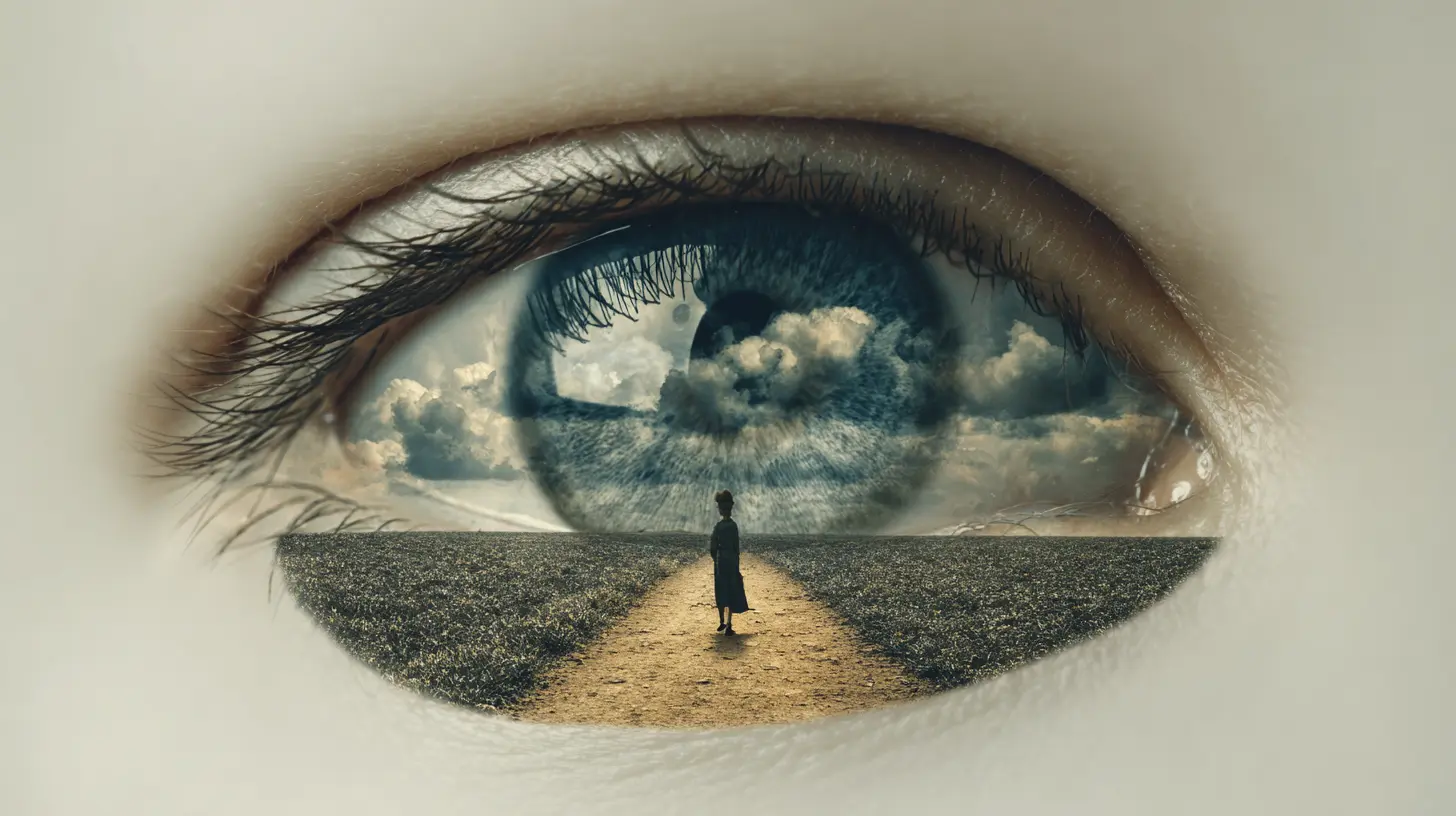
Where You’ve Probably Seen Hindsight Bias in Action
Let’s take a moment to look at where hindsight bias likes to sneak into everyday life. You’ll be surprised how often it shows up:1. Sports
You’re watching the Super Bowl, and the underdog team pulls off a last-minute win. Suddenly, your buddy goes, “I knew they were gonna win the whole time.” Really? Funny how quiet they were halfway through the third quarter when the team was down by 14 points.2. Relationships
Ever had a friend go through a messy breakup? After the fact, everyone seems to say, “I had a feeling they weren’t going to last.” Convenient, right? Nobody said anything when they were posting vacation selfies together.3. Investing & Economics
The stock market takes a nosedive, and financial analysts start claiming the signs were obvious: “The writing was on the wall!” Yet, beforehand, no one made a peep. Investors make decisions in real time, based on uncertain info. But after the dust settles, everything starts to look like it was obvious.4. History
When we study history, it can sometimes feel like everything was bound to happen just the way it did. Wars, elections, economic crashes — all seem inevitable in hindsight. Except, they weren’t.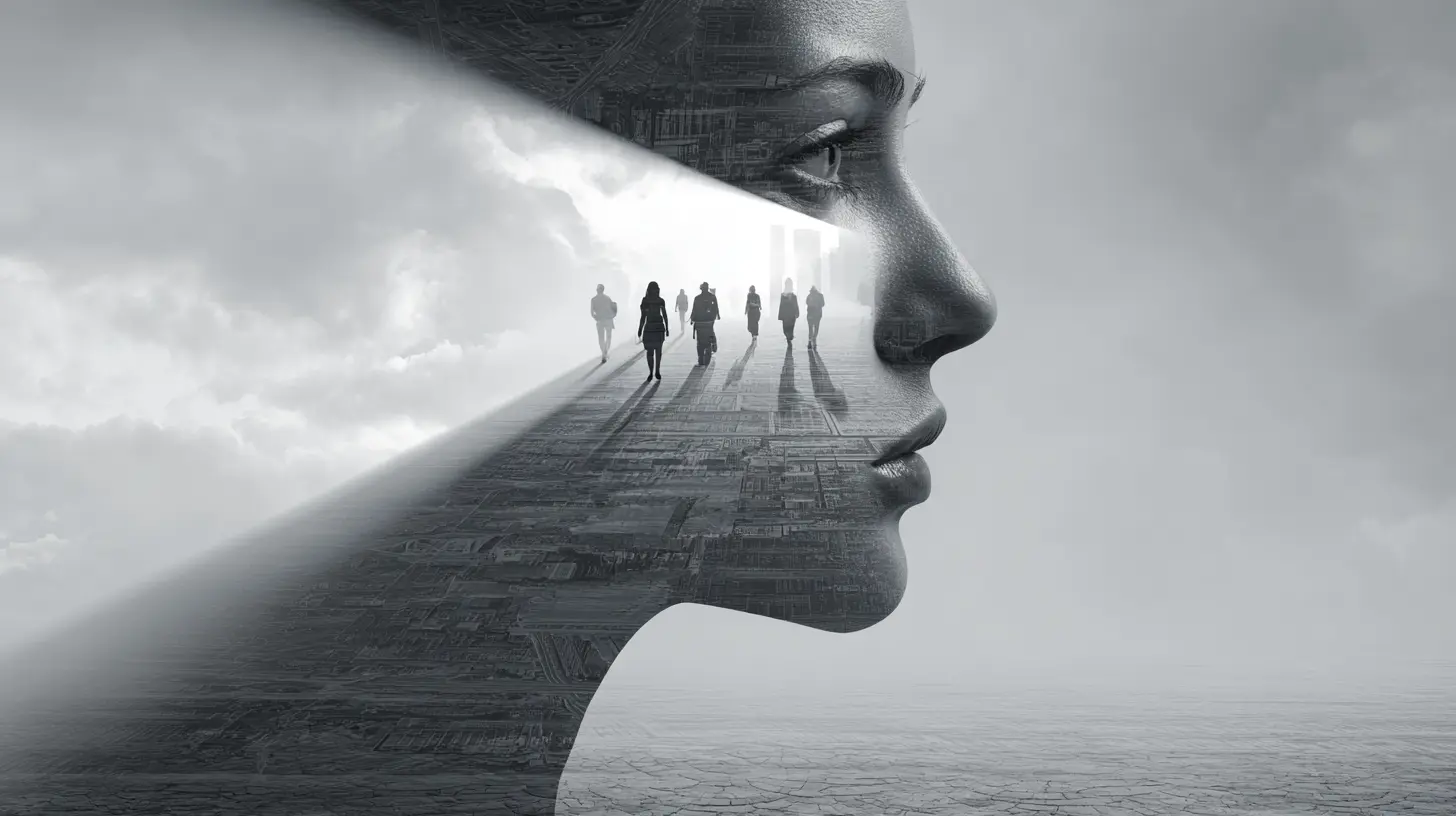
So, Why Do We Fall for This Trick?
Great question. It's not because we're trying to be dishonest or overconfident — it's just how our brains are wired. A few psychological factors are at play here:1. Memory Reconstruction
We don’t store memories like files in a cabinet. Instead, our brains rebuild memories every time we recall them. This makes our memories super malleable and easy to reshape based on what we know now — like the outcome of an event.2. The Need for Certainty
Humans hate uncertainty. It makes us uncomfortable. So when something unpredictable happens, our minds try to impose order and meaning in the aftermath. Hindsight bias gives us that sense of control and understanding.3. Ego Protection
Let’s be real — nobody likes being wrong. When we say we "knew it all along," it helps us feel a little smarter, more in control, and less vulnerable to mistakes. It’s like our ego patting itself on the back.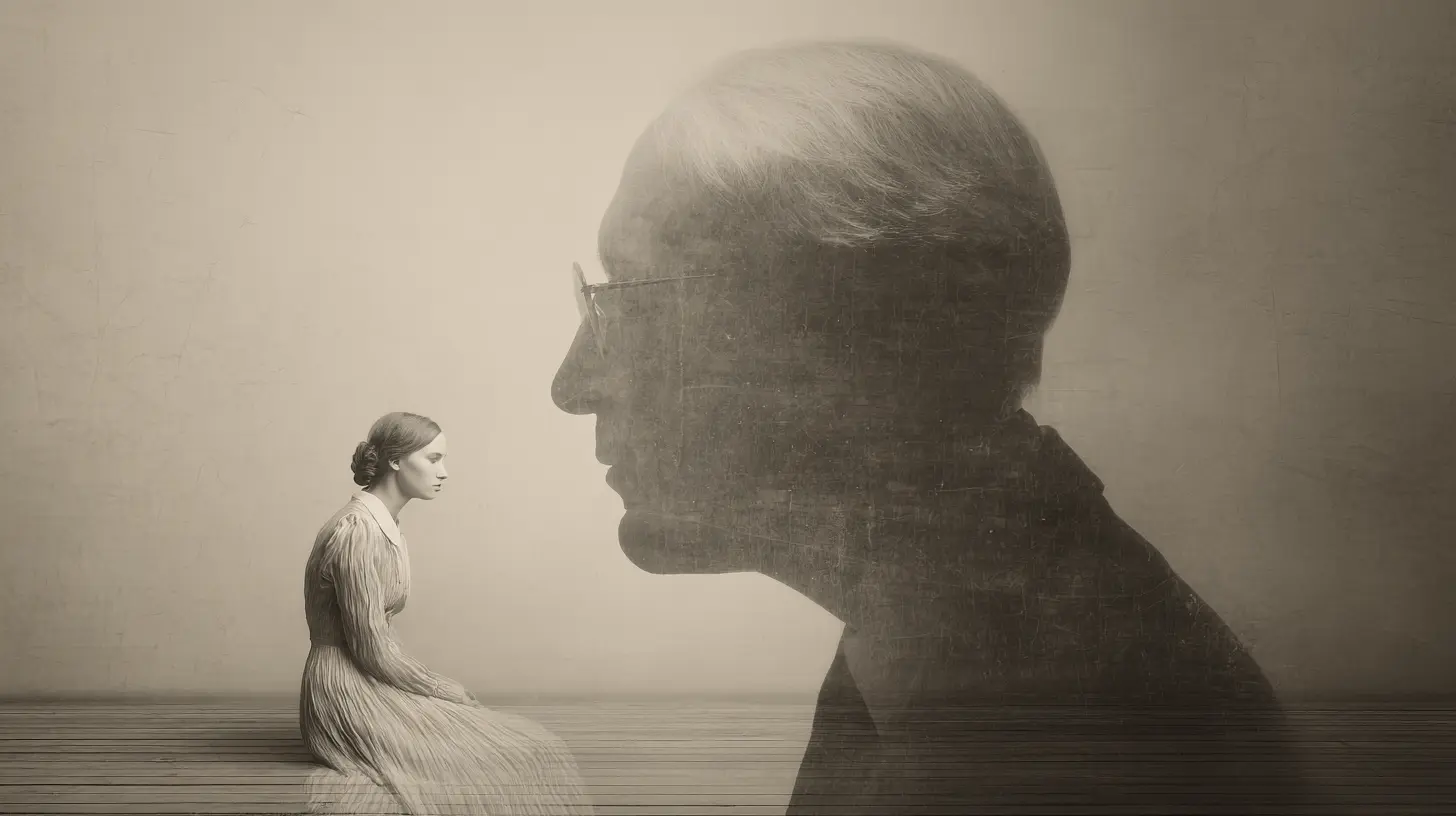
How Hindsight Bias Affects Decision-Making
Here's the kicker: hindsight bias isn't just an intellectual curiosity. It has real consequences — particularly when it comes to how we judge ourselves (and others) and the choices we make.1. It Distorts Learning
When you think you already knew something, you’re less likely to reflect on the decision-making process that led to a mistake. This blocks learning because instead of analyzing what went wrong, you brush it off with “I knew it.”2. It Fuels Overconfidence
Hindsight bias can make you overly confident in your predictive powers. That’s dangerous, particularly in fields like medicine, finance, or law where decision-making affects lives.3. It Leads to Unfair Judgments
Imagine you're on a jury. After hearing all the evidence and knowing how everything ended, it's easy to say someone “should have seen it coming.” But that judgment ignores how uncertain the situation really was at the time.Hindsight Bias vs. Other Cognitive Biases
You might be wondering, “Is hindsight bias the same as confirmation bias?” Not quite. While they’re cousins in the big family of cognitive biases, they have their own quirks.- Hindsight Bias is about distorting our memory of how predictable something seemed after it happened.
- Confirmation Bias is all about seeking out information that confirms what we already believe.
They often work together, reinforcing flawed thinking without us even realizing it. Ain’t that a sneaky tag team?
Can You Outsmart Hindsight Bias?
Here’s the million-dollar question: Is it possible to catch yourself in the act and stop hindsight bias in its tracks? Well, yes and no.Our brains are always looking for shortcuts, especially when it comes to understanding the past. But with awareness and a bit of mental discipline, you can definitely reduce its effects.
1. Keep a Decision Journal
It’s exactly what it sounds like. Write down major decisions you make, what you considered, and what you expected to happen. Go back to this later, and compare your predictions with actual outcomes. It’s a powerful way to keep yourself honest and learn from both your wins and your misses.2. Ask, “What Else Could Have Happened?”
When you reflect on an event, challenge yourself to think of alternate outcomes. This widens your perspective and weakens the illusion that there was only one inevitable path.3. Be Aware of the “Knew-It-All-Along” Feeling
Sometimes just knowing that this bias exists is enough to catch it. The next time you’re tempted to say, “Of course that happened,” pause and ask yourself — “Did I really see it coming?”Why the ‘I Knew It All Along’ Phenomenon Matters in Psychology
Psychology isn’t just about diagnosing disorders or helping people cope with stress. It’s about understanding how and why we think the way we do. Hindsight bias can influence everything from personal growth to public policy.In Therapy
Therapists often help clients look back on past decisions. If hindsight bias kicks in, people might beat themselves up for “not knowing better,” which fuels guilt and anxiety. Recognizing the bias can open the door to self-compassion.In Research
Psychological studies rely on clear analysis of human behavior — not illusions. If researchers aren't careful, hindsight bias can skew how they interpret results, especially in studies about decision-making.In Policy Making
Leaders and lawmakers use information from past events to make future policies. If they fall prey to hindsight bias, they might oversimplify the causes of complex issues and make misguided decisions.Hindsight Bias in the Digital Age
Let’s be honest: social media has made hindsight bias more visible — and more annoying. Ever seen someone tweet, “I called that months ago,” about a major event? It’s like a breeding ground for Monday-morning quarterbacks.Why? Because we’re constantly exposed to a flood of outcomes — celebrity scandals, market crashes, viral trends — and the temptation to say “I saw that coming” is stronger than ever.
But here’s the catch. With digital footprints, it’s easier to check who really predicted what. So next time you're tempted to post “I knew that would happen,” make sure you actually did. Or better yet — just enjoy the plot twist.
Quick Recap: What We’ve Learned
- Hindsight bias is the tendency to believe we knew something would happen after it already happened.- It pops up everywhere — in sports, relationships, finance, history, and beyond.
- The brain does it to protect our ego, reduce uncertainty, and give us a sense of control.
- It messes with learning, boosts overconfidence, and can lead to unfair judgment.
- While we can’t eliminate it entirely, we can reduce its grip through awareness and reflection.
Final Thoughts
Next time you catch yourself saying “I knew it,” pause for a second and consider this: Did you really? Or is your brain just doing what it loves to do — rewriting the past to fit the present?Understanding hindsight bias doesn’t just help you think more clearly — it helps you grow. You become more forgiving of your past self, more open-minded in the present, and a whole lot wiser moving forward.
Because the truth is, none of us really know what’s coming. And that’s okay.
all images in this post were generated using AI tools
Category:
Psychological BiasAuthor:

Matilda Whitley