Healing the Body by Healing the Mind: Psychosomatic Treatments
20 June 2026
Have you ever noticed how stress can give you a headache, or how anxiety can make your stomach churn? It’s no coincidence. The mind and body are deeply connected, and when one is out of balance, it can affect the other. This connection is at the heart of psychosomatic treatments, which aim to heal physical symptoms by addressing mental stressors. But what exactly are psychosomatic treatments, and how can they help you live a healthier, more balanced life?
In this article, we’ll explore how healing the mind can lead to healing the body, dig into the science behind psychosomatic disorders, and uncover the methods that can help us achieve both mental and physical well-being.

What Are Psychosomatic Disorders?
Before diving into treatments, let’s first get clear on what we mean by “psychosomatic.” The term comes from two Greek words: "psyche," meaning mind, and "soma," meaning body. So, a psychosomatic disorder involves both the mind and the body. It’s not just a mental issue; it's how mental or emotional stress can manifest as physical symptoms.The Mind-Body Connection
We all know the drill: You’re under pressure at work, and suddenly your back starts aching or a migraine creeps up. These are classic signs of the mind-body connection in action. Our thoughts, emotions, and mental states can directly influence our physical health.But this isn’t just anecdotal evidence or wishful thinking. Research shows that long-term stress and negative emotions can lead to chronic conditions like hypertension, heart disease, and even autoimmune disorders. The flip side is also true: by addressing emotional and mental health, you can alleviate (or even prevent) these physical symptoms. That’s where psychosomatic treatments come in.

Common Psychosomatic Symptoms
So, how do you know if what you're experiencing might be psychosomatic? First off, it’s important to understand that you’re not imagining your symptoms. Psychosomatic doesn’t mean “fake” or “all in your head.” The pain, discomfort, or illness you feel is very real. The difference is that the root cause of these symptoms may be emotional or psychological rather than purely physical.Here are some common symptoms that can be linked to psychosomatic causes:
- Chronic pain (back, neck, or joint pain)
- Headaches or migraines
- Digestive issues, such as irritable bowel syndrome (IBS)
- Skin issues like eczema or psoriasis
- Fatigue or insomnia
- Heart palpitations or chest pain
- Frequent colds or infections (weakened immune system)
- Shortness of breath or hyperventilation
If you’ve been to a doctor and they can’t find a specific physical cause for these issues, it’s possible that your mind is playing a role in creating or amplifying your symptoms.
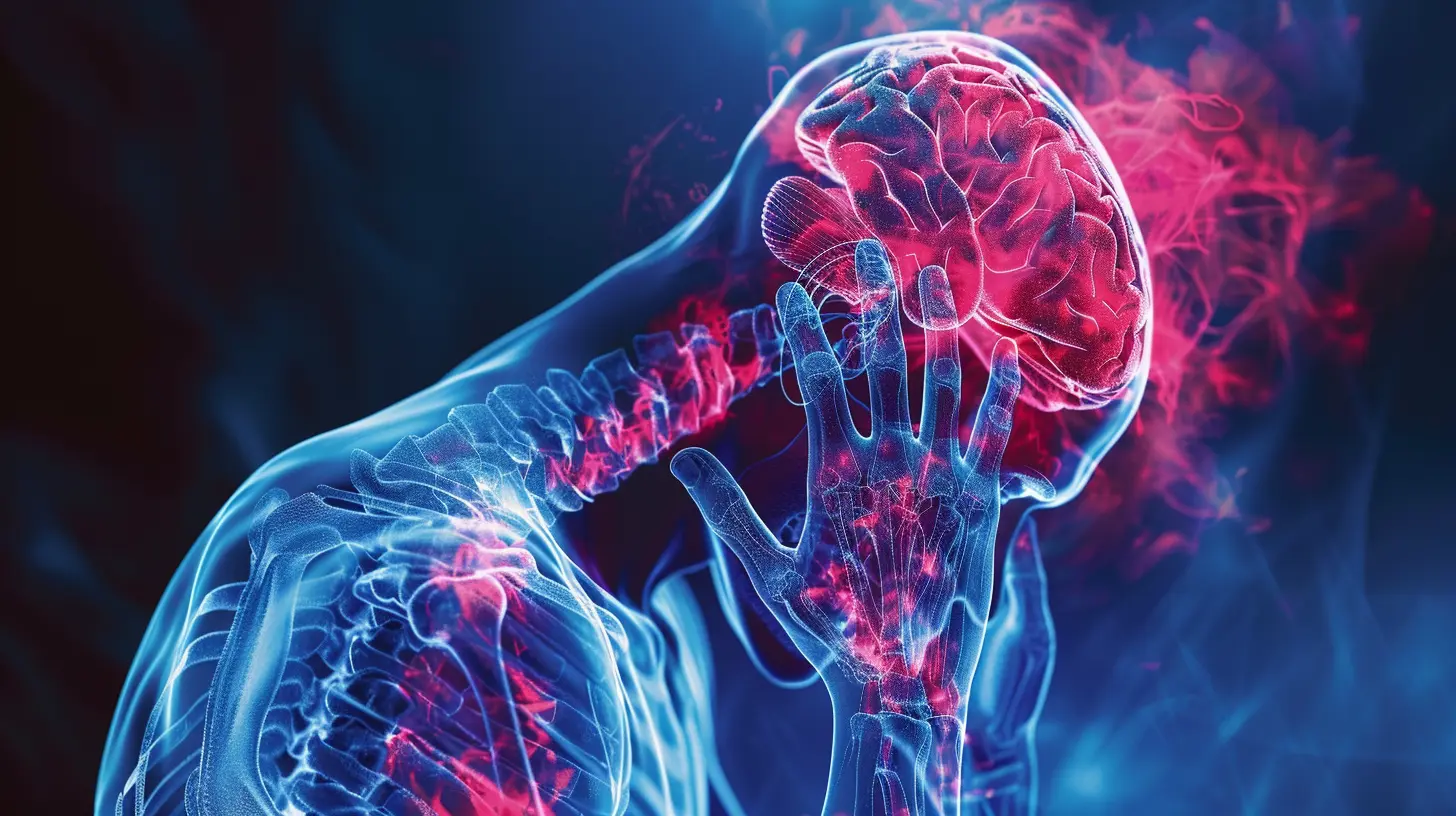
How Psychosomatic Treatments Work
The goal of psychosomatic treatments is simple: treat the mind to heal the body. But how does that actually work? It starts with identifying the emotional or mental stressors that are contributing to your physical symptoms. Once those are identified, various techniques can be used to help you manage or alleviate these stressors, which can then reduce or resolve the physical symptoms.Here are some of the most common psychosomatic treatments:
1. Cognitive Behavioral Therapy (CBT)
CBT is one of the most widely used forms of therapy to treat psychosomatic disorders. It’s based on the idea that our thoughts, feelings, and behaviors are interconnected. By changing negative thought patterns, CBT can help you manage stress, anxiety, and depression, which can in turn reduce physical symptoms.For instance, if you’re someone who often feels anxious and, as a result, experiences chronic stomach pain, CBT might help you recognize how your anxious thoughts are contributing to your physical discomfort. From there, you can work on reframing those thoughts and using relaxation techniques to ease both your mind and your stomach.
2. Mindfulness and Meditation
Mindfulness and meditation practices are powerful tools for calming the nervous system and reducing the physical effects of stress. When we’re stressed, our bodies go into “fight or flight” mode, which increases heart rate, blood pressure, and muscle tension—all of which can lead to physical pain or discomfort over time.Meditation helps to reverse this process by activating the body’s relaxation response. Through mindful breathing and focused attention, you can train your mind to let go of stress, which can have a direct positive impact on your physical health.
3. Biofeedback
Biofeedback is a technique that teaches you how to control bodily processes that are usually involuntary, like your heart rate or muscle tension. Using sensors and monitoring devices, you can learn how to recognize when your body is going into “stress mode” and take steps to reverse it.For example, if you tend to get tension headaches, biofeedback might help you recognize the early signs of muscle tension in your neck and shoulders. Once you’re aware of it, you can use relaxation techniques to release that tension before it turns into a full-blown headache.
4. Hypnotherapy
Hypnotherapy is another tool used in psychosomatic treatments. In this therapy, a trained practitioner will guide you into a state of deep relaxation, where you become more open to suggestions. This can be particularly effective for addressing deep-rooted emotional issues that may be contributing to physical symptoms.For instance, if you’ve been experiencing chronic pain related to past trauma, hypnotherapy can help you process and release those emotions, which may then reduce the pain.
5. Somatic Experiencing
Somatic Experiencing is a type of therapy that focuses on the physical sensations in the body. It’s based on the idea that trauma and stress are stored in the body, and by releasing these stored emotions, you can heal both mentally and physically.In a somatic experiencing session, a therapist might guide you to focus on specific areas of tension or discomfort in your body. By slowly and mindfully exploring these sensations, you can begin to release the pent-up stress or trauma that's been contributing to your symptoms.

The Science Behind Psychosomatic Treatments
So, why do these treatments work? The answer lies in the nervous system.When we experience stress, our bodies release stress hormones like cortisol and adrenaline, which prepare us for “fight or flight.” In small doses, this response is helpful—it helps us react to dangerous situations. But when stress becomes chronic, it can wreak havoc on our bodies, leading to inflammation, weakened immunity, and an increased risk of chronic illnesses.
Psychosomatic treatments work by calming the nervous system and reducing the body’s stress response. Techniques like CBT, mindfulness, and biofeedback help retrain the brain and body to respond to stress in healthier ways, which can reduce or eliminate physical symptoms.
Neuroplasticity: The Brain's Ability to Change
One of the key concepts behind psychosomatic treatments is neuroplasticity, which refers to the brain’s ability to change and adapt over time. Just like you can train your muscles to become stronger through exercise, you can train your brain to become more resilient to stress through mental practices like mindfulness and CBT.By creating new, healthier thought patterns and emotional responses, you can literally rewire your brain to be less reactive to stress. And because the mind and body are so closely connected, these changes in your brain can have a profound effect on your physical health.
How to Get Started with Psychosomatic Healing
If you’re dealing with unexplained physical symptoms and suspect that stress or emotional issues might be involved, it’s worth exploring psychosomatic treatments. Here are a few steps to get started:1. Talk to a Professional
The first step is to talk to a healthcare provider or therapist who specializes in psychosomatic disorders. They can help you determine whether your symptoms might have a psychosomatic component and guide you toward the best treatment options.2. Practice Mindfulness Daily
Even if you’re not ready to jump into therapy, you can start incorporating mindfulness practices into your daily routine. This could be as simple as taking five minutes each morning to focus on your breathing or practicing a body scan to check in with your physical sensations.3. Keep a Symptom Journal
Sometimes it's hard to see the connection between your mental state and your physical symptoms. Keeping a journal where you track your thoughts, emotions, and symptoms can help you identify patterns and triggers. You might notice, for example, that your headaches flare up when you’re feeling overwhelmed at work or that your stomach issues get worse when you’re stressed about a relationship.4. Don’t Ignore Your Emotions
We often try to push our emotions aside, but unprocessed emotions can take a toll on our physical health. Whether it’s through therapy or self-reflection, make time to process your feelings, especially if you’ve been through a stressful or traumatic event.
Conclusion: Healing the Mind to Heal the Body
In a world that often focuses on treating physical symptoms with medications or surgeries, it’s easy to overlook the role that the mind plays in our overall health. But the truth is, healing the mind can lead to profound changes in the body. Psychosomatic treatments offer a holistic approach to health, one that recognizes that true healing comes from addressing both the mental and physical aspects of well-being.If you’ve been struggling with unexplained physical symptoms, it might be time to look inward. By healing your mind, you might just find the key to healing your body.
all images in this post were generated using AI tools
Category:
Psychosomatic DisordersAuthor:

Matilda Whitley
Discussion
rate this article
1 comments
Zeal Dorsey
This article highlights the crucial link between mental and physical health. Understanding psychosomatic treatments can empower individuals to address underlying emotional issues, paving the way for comprehensive healing and improved overall well-being.
June 22, 2026 at 4:29 PM