Emotional Intelligence in Leadership: Creating a Thriving Team
27 December 2025
In today's fast-paced business world, effective leadership is more than just making decisions and managing tasks. It’s about creating an environment where people can thrive — and that requires something often overlooked: emotional intelligence (EI). Leaders who leverage emotional intelligence are better equipped to build strong teams, foster trust, and inspire their employees to reach their full potential. But what exactly is emotional intelligence, and how does it play a vital role in leadership?
Let’s dive into the world of emotional intelligence and explore how it shapes great leadership and builds thriving teams.

What is Emotional Intelligence?
Emotional intelligence (EI), also known as emotional quotient (EQ), is the ability to recognize, understand, manage, and influence emotions — both in yourself and in others. Unlike IQ, which measures cognitive abilities, EQ focuses on how well you handle the emotional side of life. You can think of it as a bridge between head and heart, logic and emotion.Daniel Goleman, a renowned psychologist, popularized the concept of emotional intelligence in the 1990s. He broke it down into five key components:
1. Self-awareness – Recognizing your own emotions and how they affect your thoughts and behavior.
2. Self-regulation – Managing your emotions in a healthy way, staying in control, and adapting to change.
3. Motivation – Being driven to achieve goals because of your internal passion, rather than external rewards.
4. Empathy – Understanding and sharing the feelings of others, and responding to their emotional needs.
5. Social skills – Building and maintaining relationships, managing conflict, and communicating effectively.
In leadership, these components are essential. A leader with high emotional intelligence can inspire, motivate, and connect with their team on a deeper level. They’re not just managing tasks — they’re managing people, and people come with emotions.

Why Emotional Intelligence is Crucial in Leadership
You’ve probably encountered leaders who were brilliant on paper but struggled to inspire or connect with their team. Maybe they were highly skilled technically, but they lacked the ability to navigate interpersonal challenges. These leaders often fall short because they’re missing one critical ingredient: emotional intelligence.So, why is emotional intelligence so crucial in leadership?
1. It Builds Trust and Strong Relationships
One of the most significant benefits of emotional intelligence is the ability to build trust. Trust is the cornerstone of any successful team. Without it, communication breaks down, people feel isolated, and productivity plummets.Leaders with emotional intelligence are more approachable and understanding. They’re not cold and detached — they genuinely care about their team members' well-being. This makes employees more likely to open up, share ideas, and collaborate freely. When people feel heard and understood, they’re more likely to be loyal and committed to the team’s success.
2. It Enhances Communication
Communication is at the heart of leadership, and emotional intelligence takes it to the next level. A leader with high EQ knows how to communicate persuasively and empathetically. They don’t just talk — they listen. They pick up on non-verbal cues, pay attention to body language, and are mindful of their tone and words.For example, let’s say you’re giving feedback to an employee. A leader with low emotional intelligence might come across as harsh or overly critical, leaving the employee feeling demoralized. However, a leader with high emotional intelligence would balance constructive criticism with encouragement, making the employee feel valued and motivated to improve.
3. It Reduces Conflict
Where there are people, there’s bound to be conflict. It’s an inevitable part of working in teams. However, how leaders handle conflict can make all the difference.Leaders with emotional intelligence are skilled at managing and resolving conflicts. They don’t let emotions spiral out of control or ignore problems. Instead, they approach conflicts with empathy, understanding both sides of the issue and finding a solution that works for everyone. This not only resolves the conflict but also strengthens the team’s bond.
4. It Boosts Team Morale and Engagement
Let’s face it — no one wants to work under a leader who’s emotionally distant or unpredictable. It creates a tense atmosphere where employees are constantly walking on eggshells. On the flip side, working under a leader with high emotional intelligence is like having a coach who’s always in your corner, cheering you on.Emotionally intelligent leaders are more likely to recognize their team’s achievements, provide support when needed, and create a positive work environment. This leads to higher morale, better engagement, and increased job satisfaction. When employees feel happy and appreciated, they’re more likely to go above and beyond in their work.

How to Develop Emotional Intelligence as a Leader
The good news? Emotional intelligence isn’t something you’re either born with or not. It’s a skill that can be developed over time. Here are some strategies to help you strengthen your emotional intelligence and become a more effective leader:1. Practice Self-Awareness
Self-awareness is the foundation of emotional intelligence. It’s about knowing yourself — your strengths, weaknesses, triggers, and blind spots. Take time to reflect on your emotions and how they influence your actions. Are you quick to anger when things go wrong? Do you get defensive when receiving feedback? Becoming aware of these tendencies is the first step to managing them.Journaling can be a helpful tool in this process. Write down your emotions throughout the day and reflect on what triggered them. Over time, you’ll start to notice patterns and gain deeper insights into yourself.
2. Learn to Manage Stress
Leadership can be stressful. There's no way around it. However, how you handle stress can either make or break your effectiveness as a leader. Leaders with high emotional intelligence know how to manage stress in healthy ways, whether it's through mindfulness, exercise, or simply taking a break.When you’re calm and collected, you’re better equipped to make rational decisions and lead your team through challenges. On the flip side, if you're constantly stressed and reactive, it can create a negative ripple effect throughout your team.
3. Improve Your Empathy Skills
Empathy is about understanding and sharing the feelings of others. It’s not just about saying, “I know how you feel.” It’s about putting yourself in someone else’s shoes and seeing the world from their perspective.One way to enhance your empathy is by actively listening. Don’t just hear what your team members are saying — really listen. Ask open-ended questions, show genuine interest, and try to understand their emotions. Over time, this will help you build stronger connections with your team.
4. Work on Your Social Skills
Being emotionally intelligent isn’t just about understanding emotions — it’s also about using that understanding to build relationships. Leaders with strong social skills are able to influence, motivate, and inspire others.One way to improve your social skills is by being more intentional in your interactions. Pay attention to how you communicate — both verbally and non-verbally. Are you making eye contact? Are you open and approachable? How do you handle difficult conversations? By honing your social skills, you’ll be able to create a more cohesive and collaborative team environment.
5. Seek Feedback and Learn from It
No one is perfect, and emotional intelligence is a lifelong learning process. One of the best ways to improve is by seeking feedback from your team. Ask them how they feel about your leadership style — do they feel supported? Do they think you communicate effectively?Take this feedback to heart and use it as an opportunity to grow. Remember, even emotionally intelligent leaders make mistakes. What sets them apart is their willingness to learn and improve.
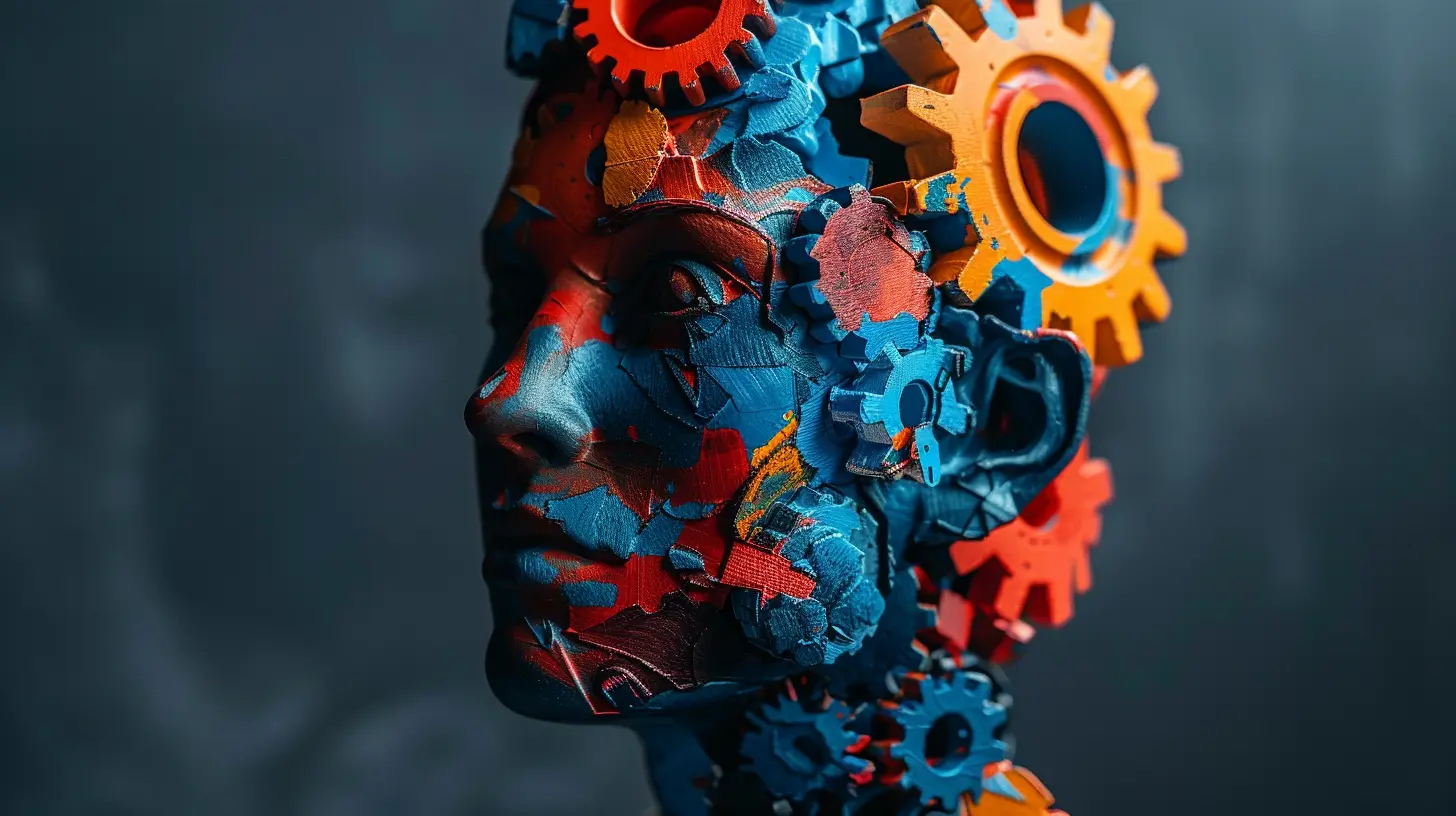
The Ripple Effect of Emotionally Intelligent Leadership
When leaders embrace emotional intelligence, it creates a ripple effect throughout the entire organization. Teams become more resilient, conflicts are resolved more quickly, and overall productivity increases. Employees feel valued, understood, and motivated to contribute their best work.Think of emotional intelligence as the glue that holds a team together. Without it, even the most talented group of individuals can fall apart. But with it, teams can thrive, innovate, and reach new heights.
In a world where technical skills and IQ are often prioritized, emotional intelligence is the X-factor that sets extraordinary leaders apart from the rest. It’s not just about being smart — it’s about being emotionally smart. And when you lead with emotional intelligence, you’re not just managing people — you’re empowering them to be their best selves.
So, the next time you’re faced with a leadership challenge, ask yourself: How can I tap into my emotional intelligence to guide my team through this? You might be surprised at the results.
Conclusion
Incorporating emotional intelligence into your leadership approach is a game-changer. It’s not just a soft skill — it’s a critical component of effective leadership. By developing self-awareness, managing emotions, fostering empathy, and building strong relationships, you’ll create a thriving team and a positive work environment.Remember, emotional intelligence isn’t something that happens overnight. It requires practice, patience, and a willingness to grow. But as you develop your emotional intelligence, you’ll see the difference it makes in your leadership and the success of your team.
all images in this post were generated using AI tools
Category:
Emotional IntelligenceAuthor:

Matilda Whitley
Discussion
rate this article
2 comments
Octavia Alvarez
Emotional intelligence in leadership? So, basically, it’s like being the office therapist but with less couch time and more 'let’s talk about our feelings over coffee' moments. Sign me up!
January 30, 2026 at 4:25 AM
Matilda Whitley
Absolutely! Emotional intelligence in leadership is all about fostering open communication and understanding within the team—just like those coffee chats! It's key to building a supportive work environment.
Maddison Lamb
Absolutely loved this article! Who knew emotional intelligence could be the secret sauce for thriving teams? It’s like adding sprinkles to a cake—makes everything better! Here’s to leaders who lead with heart and create an environment where everyone can shine! 🌟
January 9, 2026 at 3:17 AM
Matilda Whitley
Thank you so much! I’m thrilled you enjoyed the article and see the value of emotional intelligence in leadership. Here’s to leaders who empower their teams! 🌟