Cognitive Biases: How They Impact Everyday Choices
4 March 2026
Have you ever bought something on a whim just because it was on sale, and later realized you didn’t even need it? Or maybe you stuck to your original opinion during a group discussion, even when others made valid points? Yeah, we’ve all been there. What’s really going on behind the scenes in these moments are subtle mental shortcuts called cognitive biases—and they mess with our decisions more often than we think.
These sneaky little glitches in our brains aren’t necessarily bad; they’re often just evolved mechanisms meant to help us process information quickly. But that doesn't mean they always lead us in the right direction. Let’s unpack what cognitive biases are, why they exist, and how they shape a lot more of our daily life than we might expect.
What Exactly Are Cognitive Biases?
To put it simply, cognitive biases are systematic patterns of deviation from rationality in judgment. In plain English: they’re mental shortcuts that your brain takes, usually without your permission, to make decision-making faster and easier.But here's the catch—they're not always logical. They often lead us to draw inaccurate conclusions or make poor choices. Think of your brain as using a "fast pass" through the maze of information around you; it gets you to the end quicker, but not always the right way.
Why Do Our Brains Use Biases?
Imagine trying to make a 100% rational decision every time you chose what to eat, wear, say, or do. You’d never leave the house! Our brains are built for efficiency. So, instead of analyzing every option with cold, hard logic, we rely on "rules of thumb" or heuristics.Most of the time, this system works fine. But heuristics are like those auto-correct features on your phone—they're helpful until they’re not. Sometimes they just make things worse.
The Most Common Cognitive Biases (And How They Trick Us)
Let’s take a closer look at some of the most common cognitive biases. You’ll probably recognize a few of these from your own life:1. Confirmation Bias
This one’s the biggest troublemaker. Confirmation bias is when we seek out or interpret information in a way that confirms our existing beliefs. Ever gotten into an online argument, Googled proof that you’re right, and ignored everything that said you’re wrong? That’s confirmation bias in action.🔍 Why it matters: It affects how we consume news, interpret research, and engage with people who have different opinions. It can reinforce stereotypes and stunt personal growth.
2. Anchoring Bias
Let’s say you’re shopping for a new TV. The first one you see is $2,000. The next one is $1,200—and suddenly, it seems like a bargain even though it might still be overpriced. That’s anchoring bias: our tendency to rely too heavily on the first piece of information we receive.🔍 Why it matters: It impacts our financial decisions big time—from negotiating salaries to deciding on investments.
3. Availability Heuristic
This bias makes you think something is more common or likely just because it’s easier to recall. For instance, people often think plane crashes are more frequent than they are because they’re covered heavily in the media. Meanwhile, car accidents (which are far more common) don’t get the same spotlight.🔍 Why it matters: It can lead to unnecessary fears and poor risk assessments.
4. The Dunning-Kruger Effect
This one’s a doozy. It’s when people with low ability at a task overestimate their competence. Ever met someone who’s really confident about something they obviously know little about? Yep. Dunning-Kruger.🔍 Why it matters: It affects workplace dynamics, personal relationships, and even who we trust to lead us.
5. Loss Aversion
We feel more pain from losing $20 than joy from gaining the same amount. That’s loss aversion. Our aversion to loss is so strong, it can lead us to make irrational choices just to avoid a perceived loss—even when the odds aren't in our favor.🔍 Why it matters: It keeps us from taking smart risks or making necessary changes.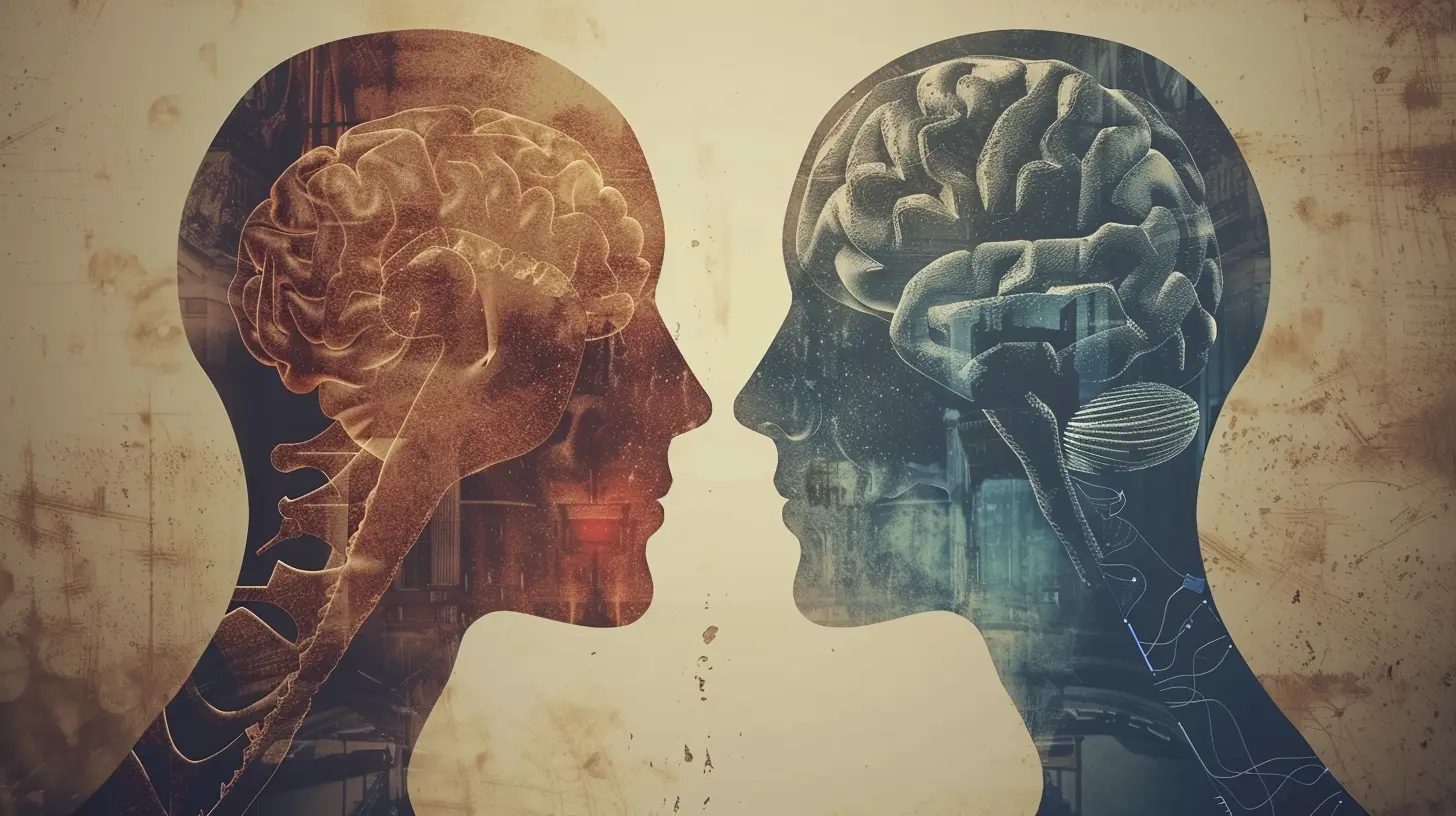
Real-Life Scenarios: Cognitive Biases at Work
You might think, “Okay, I get it. But does this really affect my daily life that much?” Oh, absolutely. Let’s put these biases into real-world scenarios.Choosing What to Eat
Ever walk into a restaurant and order the same thing every time? You’re probably falling prey to the status quo bias—the preference to keep things the way they are, even if there might be something better out there.Making Career Decisions
Suppose you're stuck in a job you hate but afraid to leave. That might be sunk cost fallacy—continuing something just because you've already invested time and energy, not because it's actually working out.Shopping and Spending
Ever bought something just because it had a red “SALE” tag? That’s anchoring bias and framing effect teaming up on you. The price seems lower compared to the ‘original,’ but that doesn’t mean it's a good deal.Relationships
Let’s say you admire someone and ignore obvious red flags because you’re focused on their good qualities. That’s halo effect—our tendency to let one positive trait overshadow negative ones.Can We Overcome Cognitive Biases?
While it’s nearly impossible to eliminate these biases completely (we're human, after all), we can learn to recognize them. Just like you’d train a muscle, you can train your brain to question its knee-jerk reactions.Step 1: Slow Down
Pause before making a decision. Ask yourself—am I reacting emotionally or rationally? This is especially useful in high-pressure situations.Step 2: Seek Diverse Opinions
If you’re only listening to people who agree with you, you’re feeding confirmation bias. Talk to people with different perspectives, even if it’s uncomfortable.Step 3: Question Your Assumptions
Where did your belief come from? Is it based on facts or just repetition? Sometimes just asking the question breaks the cycle.Step 4: Practice Mindfulness
Staying present helps reduce automatic thinking. Mindfulness can create that tiny gap between stimulus and response where critical thinking lives.Why Becoming Bias-Aware Matters More Than Ever
In today’s fast-paced, information-overloaded world, our biases are being exploited like never before. Social media platforms, marketing campaigns, political strategies—they all tap into these mental shortcuts to influence our behaviors.Being aware of your biases isn’t just good for you—it’s essential for making thoughtful decisions in a noisy world. Whether you’re voting, parenting, budgeting, or just trying to live a balanced life, understanding how your brain can trick you is a game changer.
Wrapping It Up
Cognitive biases are like the hidden filters through which we experience the world. They shape how we think, feel, and act—often without us realizing it. But here's the good news: awareness is the first step in managing them. Once you start spotting these sneaky brain patterns in your daily life, you'll be amazed at how often they show up.Start small. Next time you make a choice—big or small—ask yourself: “Am I thinking logically, or is a bias steering this decision?” That one question alone can open the door to sharper thinking and smarter living.
So, are cognitive biases running your life? Or are you ready to take back the wheel?
all images in this post were generated using AI tools
Category:
Decision MakingAuthor:

Matilda Whitley
Discussion
rate this article
2 comments
Daphne Romero
This article effectively highlights how cognitive biases shape our decisions daily, reminding us to be more aware of our thought patterns.
March 15, 2026 at 3:18 PM
Matilda Whitley
Thank you! I'm glad you found the article insightful. Awareness of cognitive biases is crucial for making better decisions.
Zethryn McInnes
This article effectively highlights the pervasive influence of cognitive biases on decision-making. By illustrating real-life examples, it underscores the importance of awareness in mitigating these biases for improved choices.
March 6, 2026 at 6:03 AM
Matilda Whitley
Thank you for your insightful comment! I'm glad the article resonated with you and effectively showcased the importance of recognizing cognitive biases in our decision-making.