Cognitive Behavioral Therapy vs. Medication: Which Is Right for You?
10 March 2026
Ever found yourself asking, “Should I try therapy, or just take meds?” You’re not alone. This is one of the most common questions people wrestle with when dealing with anxiety, depression, or other mental health challenges.
It’s not a simple answer, either. Cognitive Behavioral Therapy (CBT) and psychiatric medications both have their perks—and their limits. The good news? You’ve got options. And better yet, you don’t have to choose blindly. So let’s peel back the layers and figure out what might work best for you.

What Is Cognitive Behavioral Therapy (CBT), Anyway?
Alright, let’s start with CBT. Think of it like a mental fitness program designed to help you rewire your thoughts.CBT is a structured, goal-oriented form of talk therapy that focuses on the relationship between your thoughts, feelings, and behaviors. The idea is simple: if you can change the way you think, you can change how you feel and act. Easier said than done, right? But with the help of a skilled therapist, it’s absolutely doable.
The cool part? CBT isn’t just a pep talk. It’s grounded in science and loaded with practical tools. You’ll learn how to:
- Challenge negative thoughts (those annoying, irrational ones that tell you you’re not good enough)
- Break unhelpful behavior patterns
- Face your fears gradually
- Build coping strategies for stress, anxiety, or depression
It’s like cognitive weightlifting—tough at first, but the more you do it, the stronger your mental muscles get.
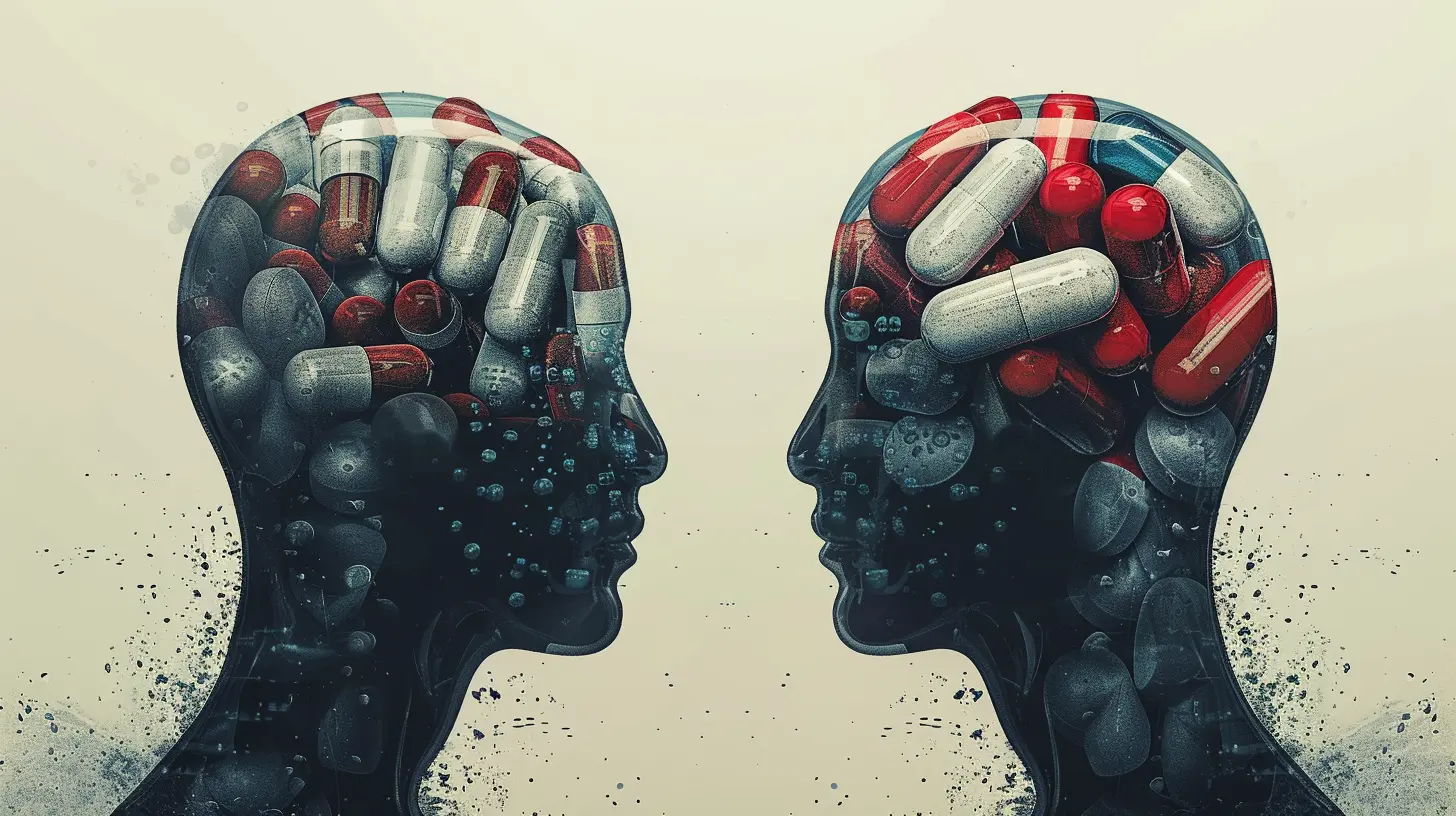
How Does CBT Work in Practice?
Let’s say you have social anxiety. Every time you walk into a room full of people, your brain screams "Everyone’s judging me!"In CBT, your therapist would help you:
1. Identify that thought.
2. Question it—“Is everyone really judging me?”
3. Replace it with something more balanced—“Some people might notice me, but they’re probably not focused on me.”
You’ll also practice real-life exposure, like starting small conversations, and learn to sit with the discomfort instead of avoiding it. Over time, those anxiety triggers lose their grip.

What About Medications?
Now, let’s talk about meds. Psychiatric medications, like antidepressants or anti-anxiety medications, can be incredibly helpful—especially if your emotional symptoms are intense or getting in the way of daily life.Here’s a breakdown of common types:
- SSRIs (Selective Serotonin Reuptake Inhibitors) like Prozac or Zoloft – Typically used for depression and anxiety.
- SNRIs (Serotonin-Norepinephrine Reuptake Inhibitors) like Effexor – Also used for mood disorders.
- Benzodiazepines like Xanax – Short-term relief for anxiety or panic attacks.
- Mood stabilizers and antipsychotics – For bipolar disorder or schizophrenia, more specialized conditions.
These medications work by altering brain chemistry—boosting mood, dialing down stress responses, or calming racing thoughts.

The Pros and Cons of CBT
Let’s break it down with a good ol’ pros and cons list.✅ Pros of CBT:
- No side effects (unless you count the discomfort of facing your thoughts)- Long-term results—the skills you learn often stick with you
- Empowering—you’re in the driver’s seat
- Customized—targeted to what you’re going through
❌ Cons of CBT:
- Takes time—you won’t feel better overnight- Needs effort—you’ve gotta show up and practice between sessions
- Not always accessible—therapist appointments can be pricey or hard to find
The Pros and Cons of Medication
✅ Pros of Medication:
- Acts fast—some people feel better in a few weeks- Helps when symptoms are severe—can stabilize mood enough to allow for other treatments
- Easier to access—a primary care doctor can prescribe
❌ Cons of Medication:
- Side effects—nausea, weight changes, sleep issues, emotional blunting- Not a cure—doesn’t tackle the root thought patterns
- Dependence risk—especially with things like benzodiazepines
- Adjustments—finding the right med and dose can be a trial-and-error game
What Does the Research Say?
Science doesn’t play favorites—but it does provide some clear insights:- CBT is just as effective as medication for mild to moderate depression and anxiety.
- In severe cases, medication may be more effective initially.
- Combination treatment (CBT + meds) often has the strongest results, particularly for chronic or complex issues.
In fact, studies show that when you combine both, you get the benefits of quicker symptom relief and the long-term skills to manage whatever life throws your way.
So… Which One Should You Pick?
Now here comes the million-dollar question. CBT or meds?Let’s get personal for a second. If you're dealing with:
- Mild depression or anxiety → Try CBT first if you can access it.
- Moderate symptoms → CBT is still great, and meds could be helpful too.
- Severe depression, panic attacks, or suicidal thoughts → Meds might be necessary to stabilize you, then add CBT.
And don’t forget about availability. Therapy isn’t always easy to find or afford. In that case, starting with medication may give you space to seek additional support.
Don’t Underestimate Your Gut Instinct
Seriously, your intuition matters. You know yourself better than anyone else. Some people hate the idea of taking pills. Others aren’t ready to talk deeply with a stranger. Your comfort level will play a role in how successful your treatment is.Think about your preferences:
- Do you like learning new strategies and being hands-on? → CBT might be your jam.
- Do you want fast relief, especially for physical symptoms like insomnia, chest tightness, or overwhelming sadness? → Medication may help.
You can also start with one path and switch if it’s not working. Mental health care isn’t one-size-fits-all; it’s more like tailoring a suit to your body’s unique shape.
Stories from Real People
Let’s peek into some real-world scenarios.🌟 Sarah, a college student, dealt with crippling test anxiety. She started CBT and loved the hands-on tools—gradual exposure, calming techniques, and cognitive restructuring. Within a semester, she was thriving without meds.
🌟 James, a 45-year-old dad, slipped into a deep depression after a divorce. He couldn’t get off the couch, let alone do therapy homework. His doctor prescribed an SSRI. After several weeks, his energy lifted enough to begin CBT sessions.
🌟 Lena, living with OCD, found that neither CBT nor meds alone were enough. Together, though? Game changer.
What About Side Effects and Safety?
Medication side effects are real. From weight gain to emotional numbness, they can be annoying—or serious. Always talk with your doctor about risks and alternatives.CBT doesn’t come with physical side effects, but it's emotionally challenging. You might feel worse before you feel better. Digging into painful beliefs can be tough—but that pain is often part of the healing process.
The Importance of Follow-Up and Support
Whichever route you take, remember—mental health care is a journey, not a sprint. Don’t ghost your therapist or doctor after two sessions or forget to refill your prescription. Follow-ups are where real progress happens.And support matters. Friends, family, support groups, even online communities—they all add momentum to your recovery.
What If Nothing Seems to Work?
That happens sometimes. If you’ve tried both therapy and meds and still feel stuck, don’t panic. There are other paths:- Dialectical Behavior Therapy (DBT)
- EMDR for trauma
- Acceptance and Commitment Therapy (ACT)
- Lifestyle changes (diet, exercise, sleep hygiene)
- Alternative treatments like TMS (Transcranial Magnetic Stimulation)
Mental health care is an evolving landscape. There’s almost always another angle to try.
Final Thoughts: Your Mental Health, Your Choice
At the end of the day, there’s no "right" or "wrong" option—just what’s right for you. Whether you lean toward CBT, meds, or both, your willingness to seek help is already a huge win.Here’s a little metaphor to leave you with: Think of your mind like a cluttered room. CBT teaches you how to reorganize and declutter it, while medication dims the blinding light so you can actually see what you’re doing. Sometimes, both are needed. And that’s perfectly okay.
So, what will your first step be?
all images in this post were generated using AI tools
Category:
Cognitive Behavioral TherapyAuthor:

Matilda Whitley
Discussion
rate this article
2 comments
Nico Blair
Choosing between CBT and meds is like picking between pizza and tacos—both are great, but it depends on your mood!
March 23, 2026 at 4:51 AM
Matilda Whitley
That's a fun analogy! Both CBT and medication have their unique benefits, and the best choice often depends on individual preferences and circumstances.
Phoenix Bishop
Why choose? Just juggle both like a circus performer!
March 12, 2026 at 3:19 AM
Matilda Whitley
That's a creative suggestion! However, balancing both approaches requires careful consideration and professional guidance to ensure the best outcome for individual needs.